
When I went to Belgrade recently, I made it my mission to see Tito's blue train.
As chief train fanatic of the family, I dragged my parents - both having grown up in Yugoslavia - who were keen to come along and see an element from their past.
Tito's train is one of the only presidential trains in the world.
Since opening times for picking up a telephone is just a suggestion in Serbia, sometimes it's better to go directly to the source of operations.
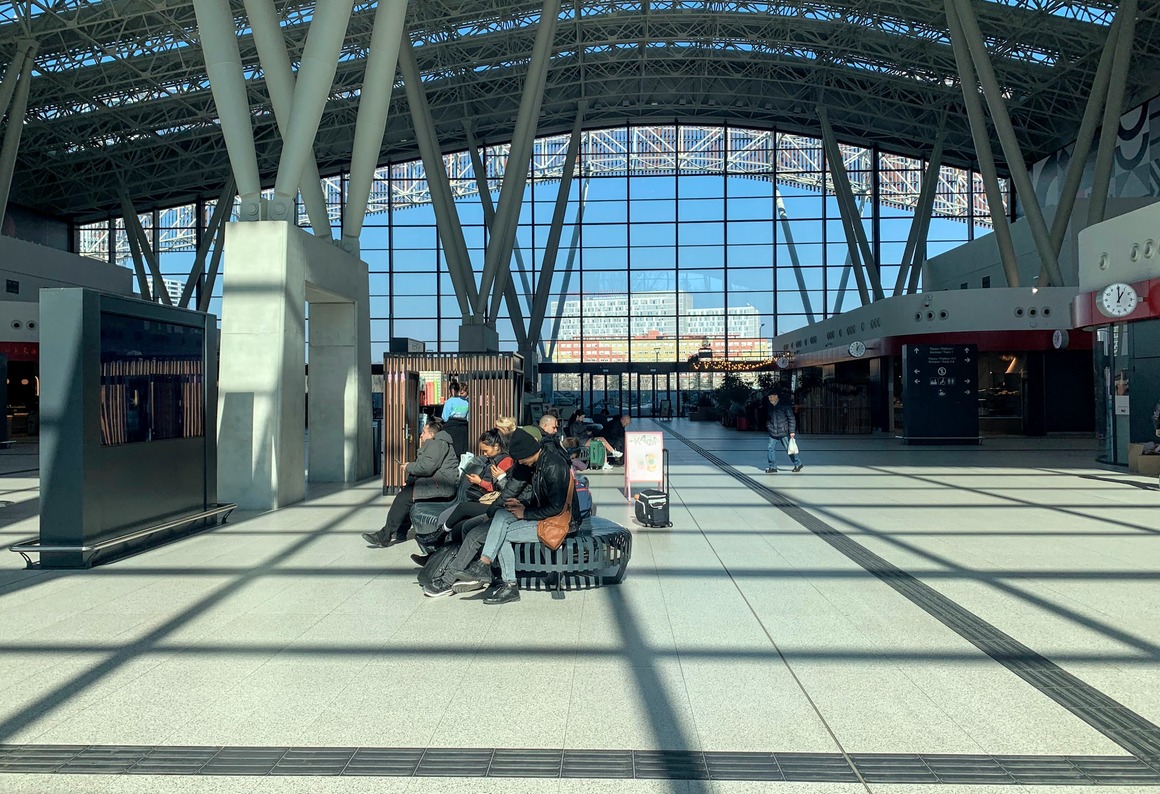
We scrambled into the railway station.
The Srbijavoz ticket stall is right of this image, where a lovely lady with glamorous blonde hair and stylish glasses, helped us arrange our visit.
We then set off to the find this mysterious train.
Having parked our car, we crossed the tracks.
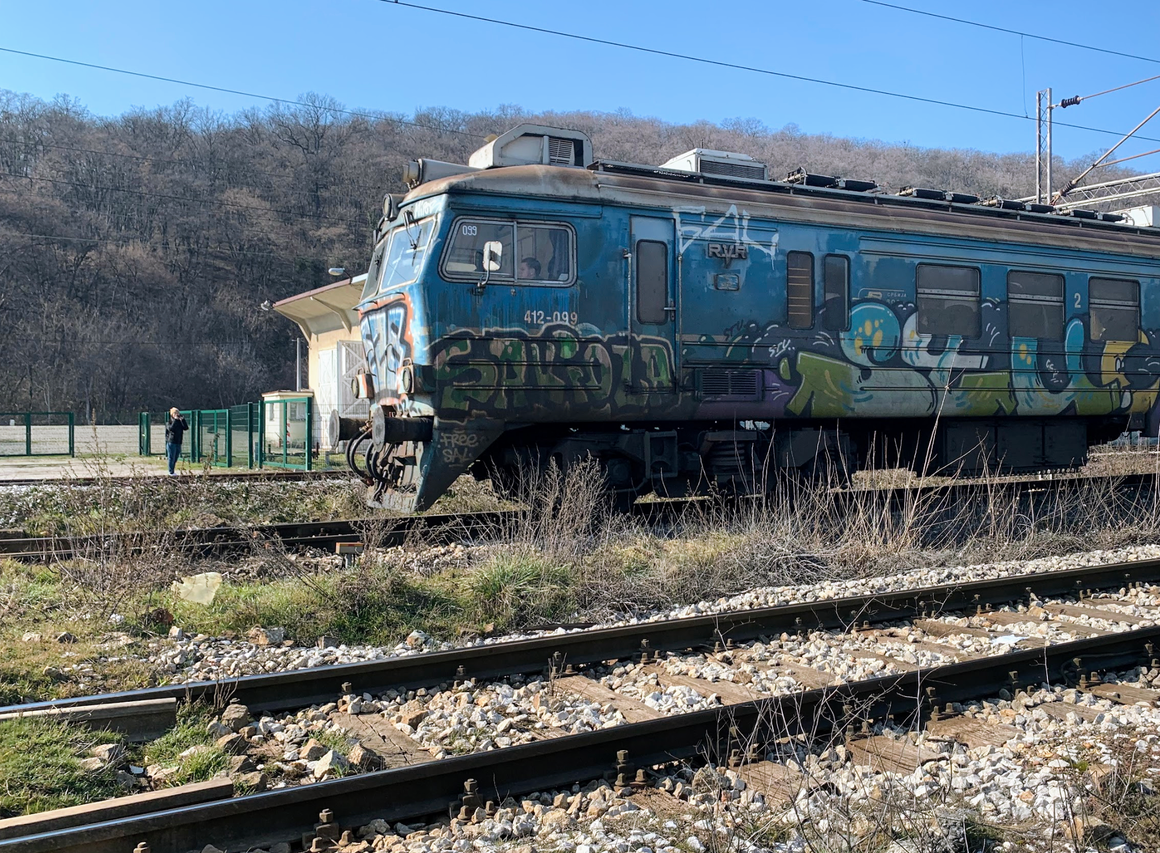
Make sure you are mindful of crossing the electrified tracks and look out for any incoming trains.
This one is a heavily graffitied ŽS series 412 built in the 80s in Latvia (then-Soviet Union) for use by Yugoslav Railways.
It continues to be used by Srbijavoz today.
Upon reaching the other side, you will see a massive warehouse.
Tito's Blue Train can be found inside the building with the zig-zagging rooftops.
Hope for the best that a staff member comes outside as you may be standing around for a bit.
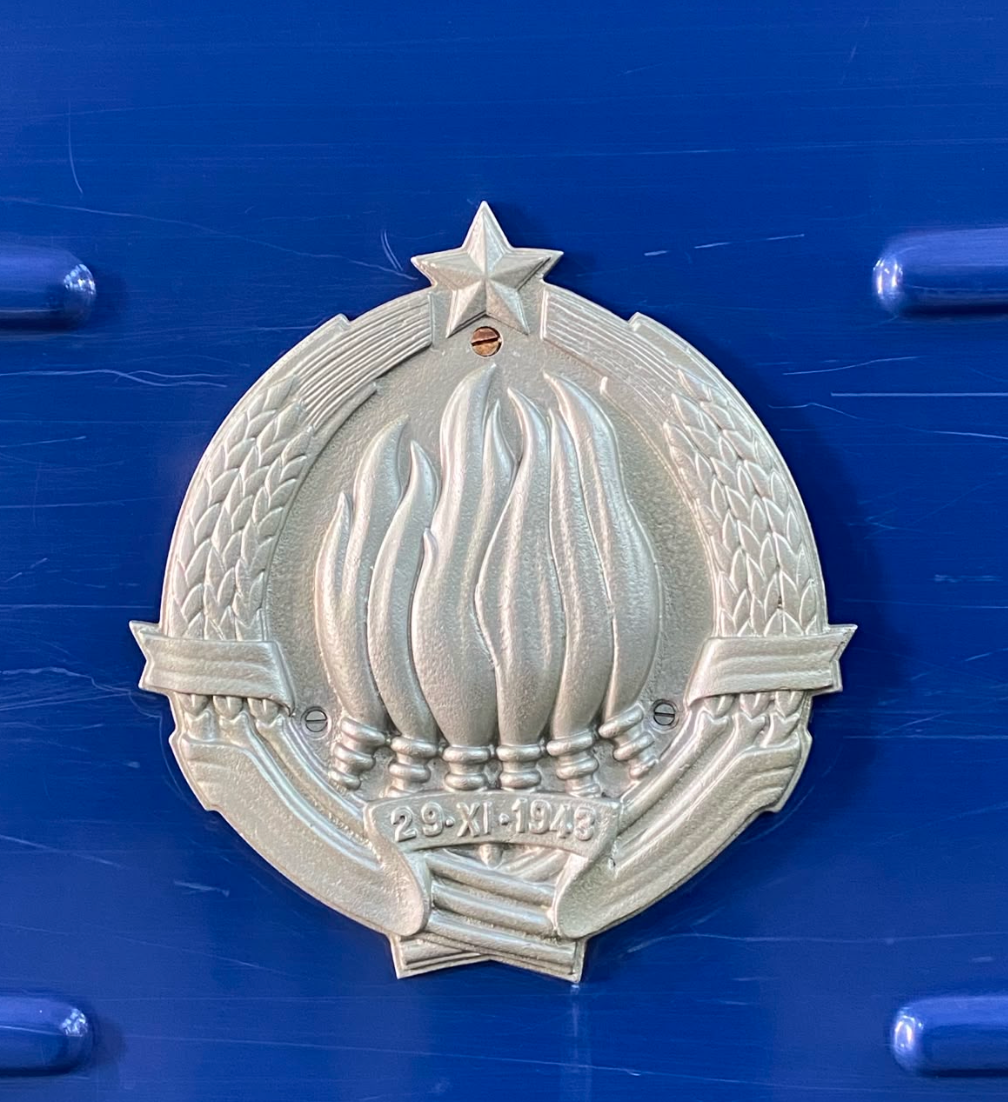
The atmosphere inside this warehouse is nothing short of amazing.
It is an eerie time capsule of the 50s, with old Yugoslav customs stickers adorning the pillars.
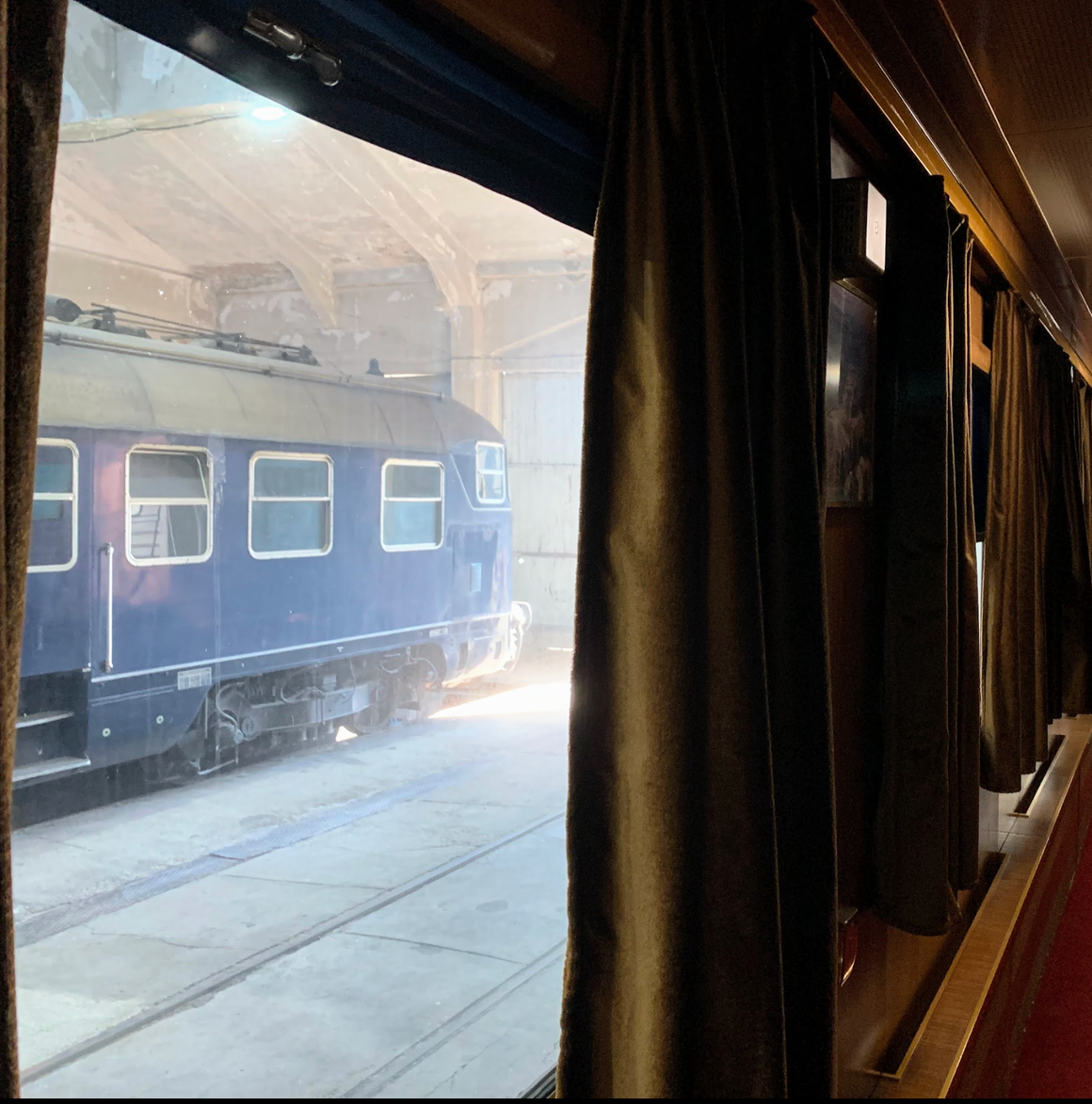
A fleet of blue trains rest inside this warehouse.
As a visitor, only one of the many blue trains in the building may be entered - the main train.
This train carried Tito himself and contained his private salon, office, formal dining room, guest areas, restaurant car, kitchen, sleeping cars, and support equipment.
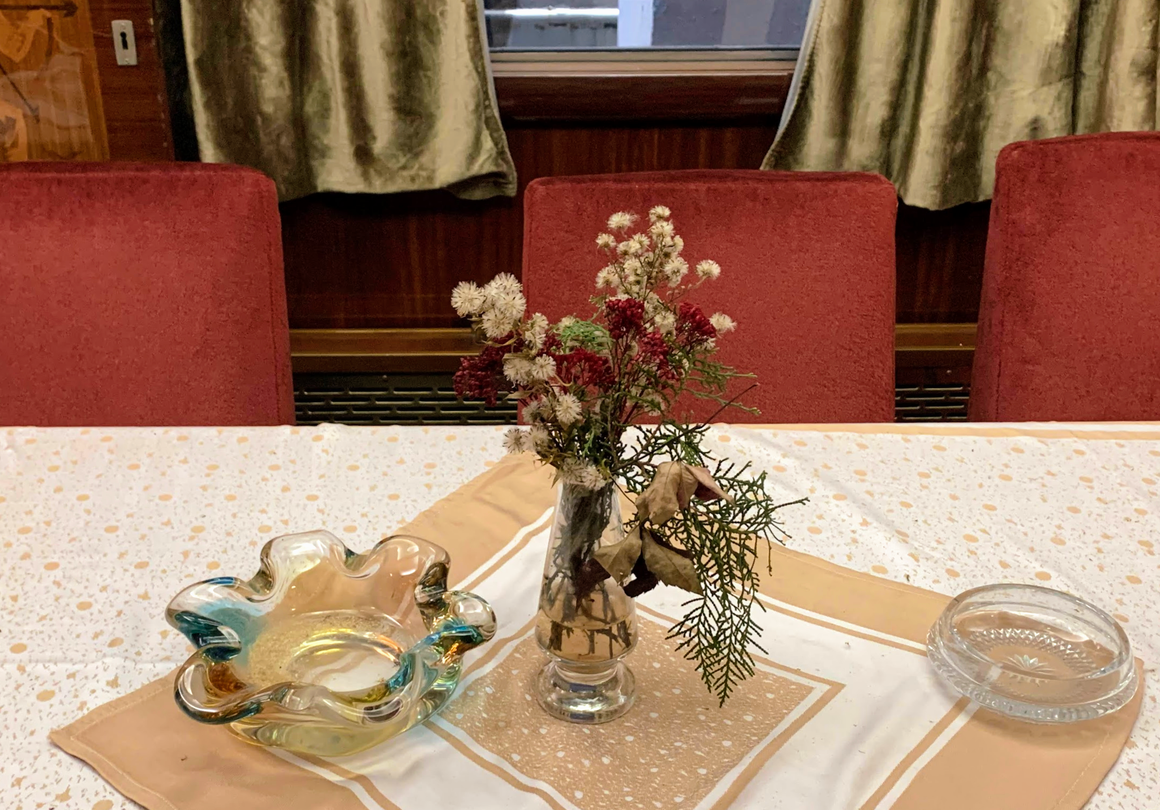
It is perfectly intact, left as if Tito walked in it yesterday.
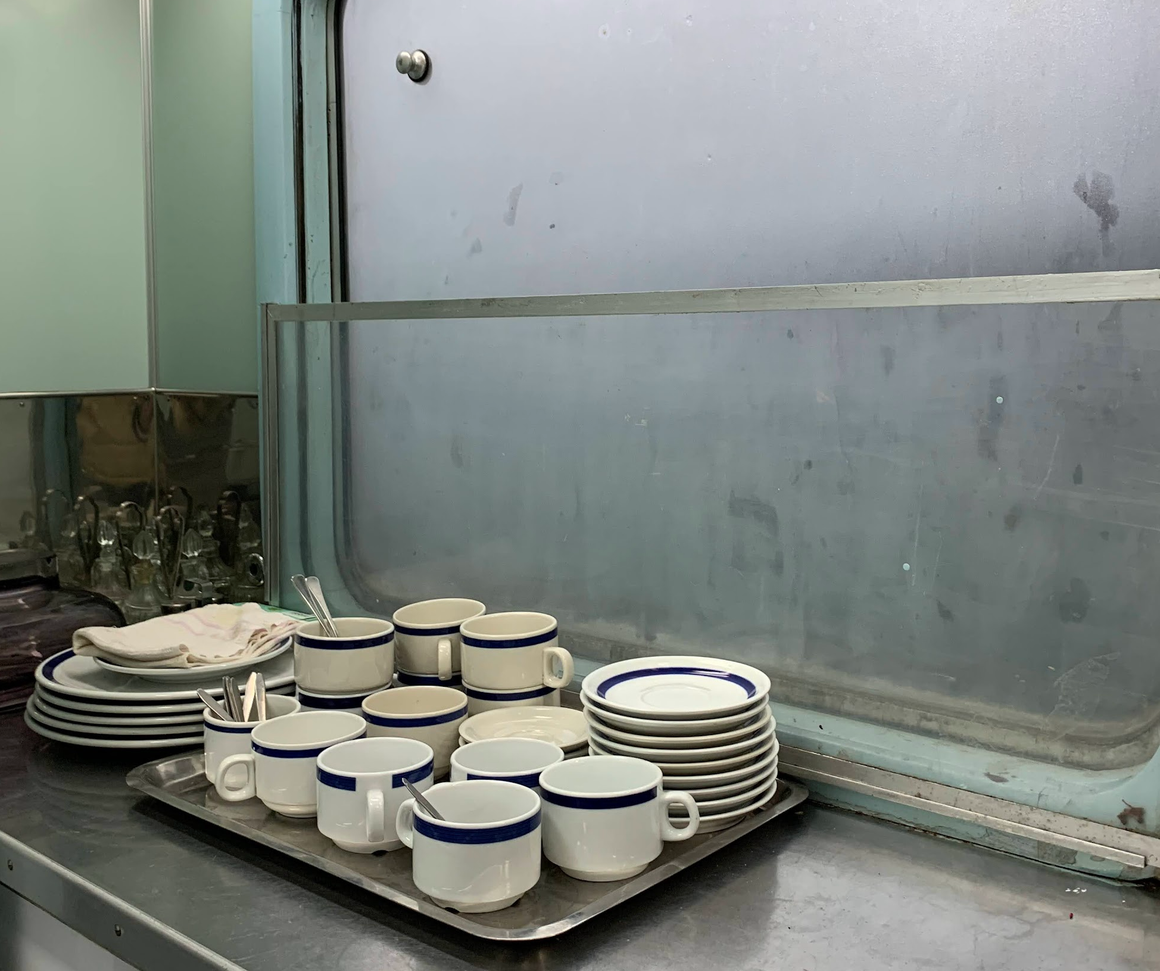
We got to see where food and drink was prepared.
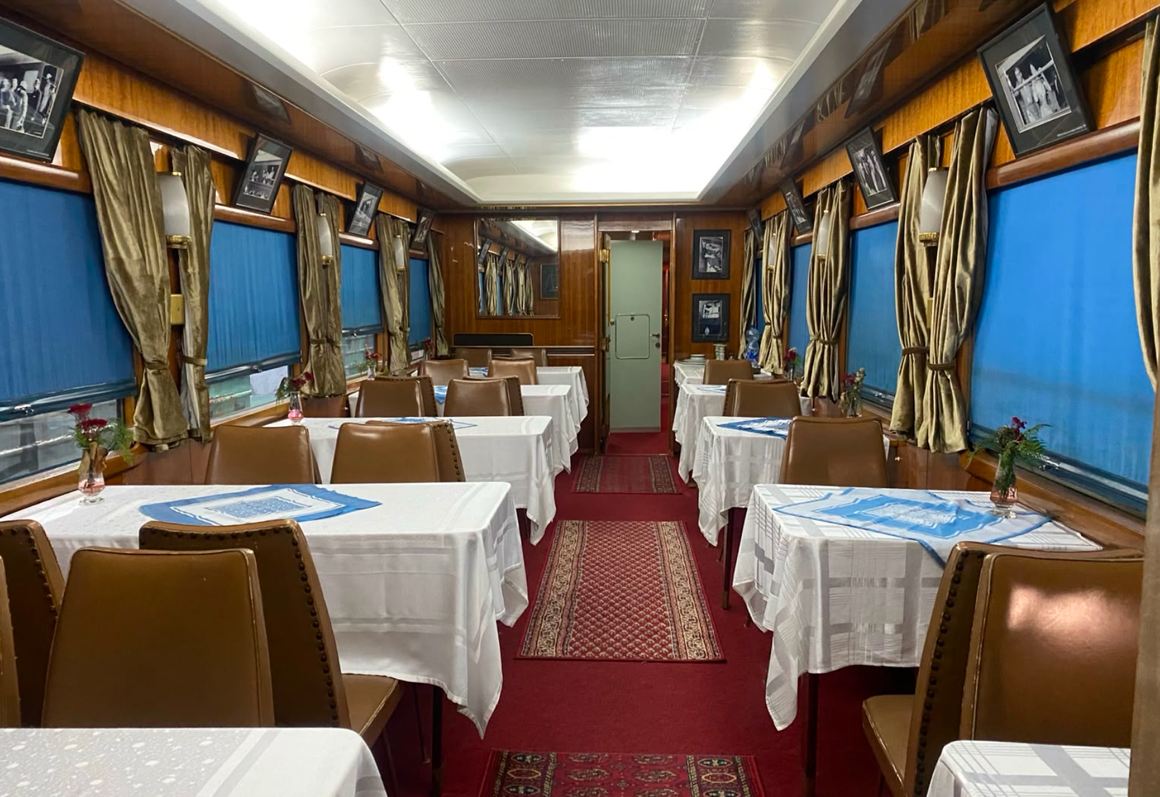
We got to see where they ate, slept, smoked, and where they met to discuss ideas.
The guide - a burly man with a heavy Bosnian accent - explained that train hobbyists work to maintain the trains for very little financial support from the government or organisations.
They await bigger funding such that Tito's blue train turns into a polished museum.
This explains why it is all a bit disorganised at present.
Being the small enthusiastic group that we were, the guide was keen enough to exclusively let us into another train - Romantika - as well.
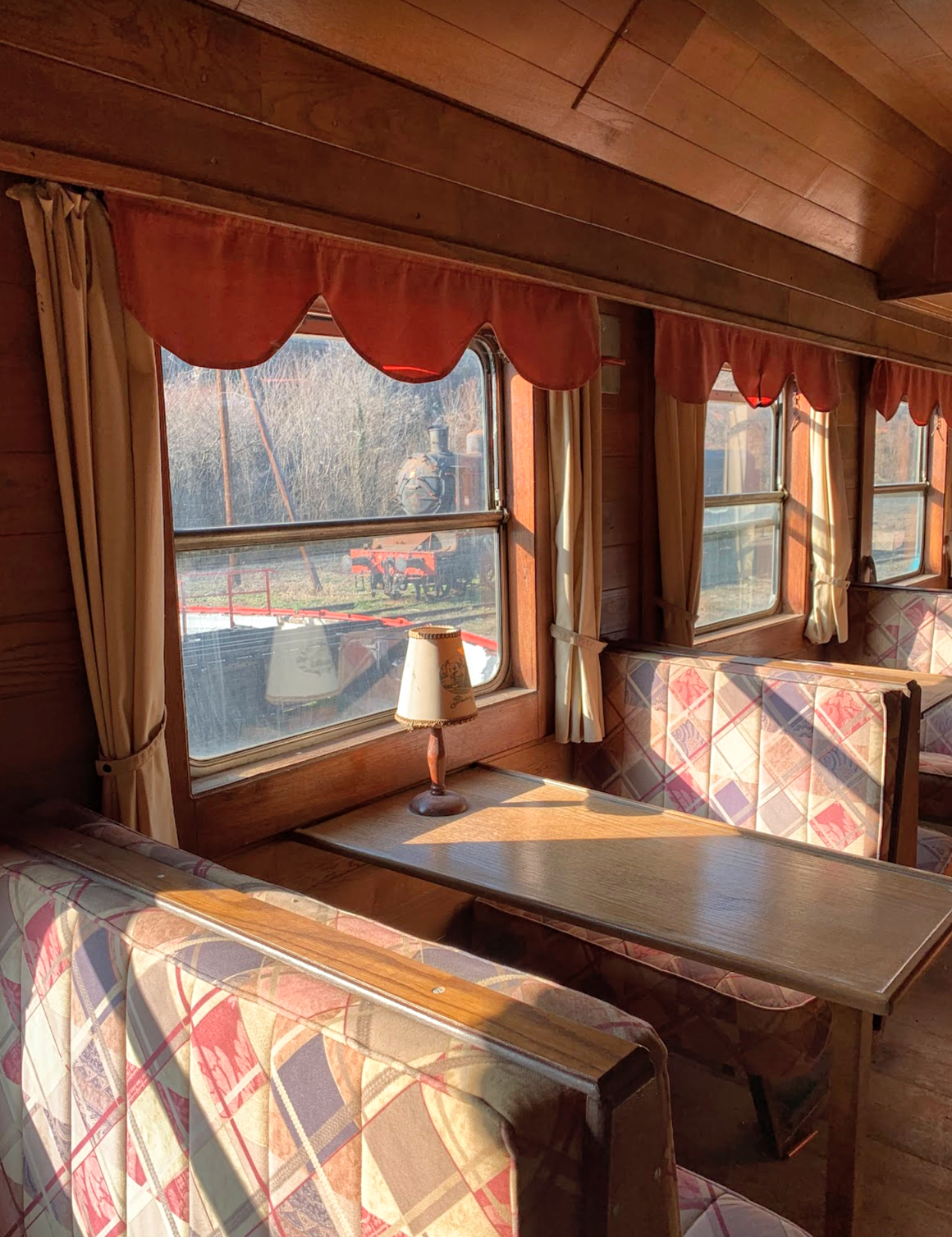
Romanika is one of the most stunning historical trains I've seen in a long time.
It was created during the Kingdom of Yugoslavia and is made up of coaches from the 1920s and 1930s.
Some of the carriages we sat in may actually be approaching 100 years old, which is part of the charm of the experience!
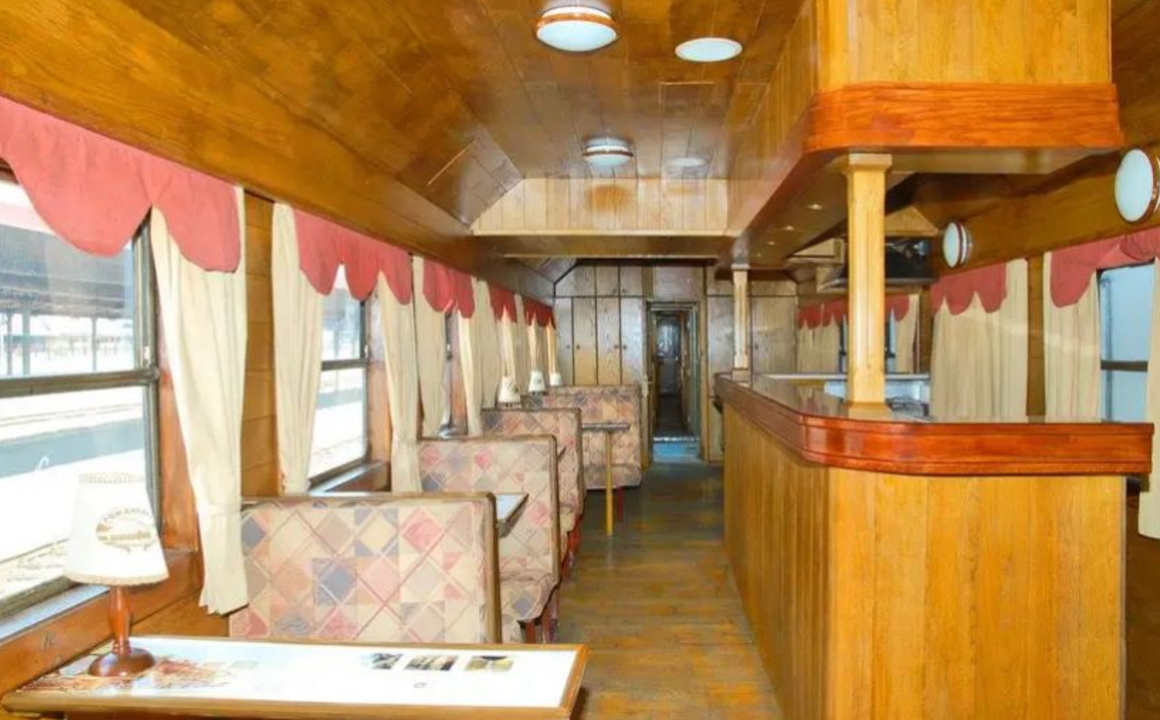
The aim was to recreate the atmosphere of luxury rail travel from the interwar period, which is why it is often nicknamed the 'Serbian Orient Express.'
It is a glimpse of the golden age of Balkan rail travel.
This train will soon be a living museum train that will travel to the north of the country.
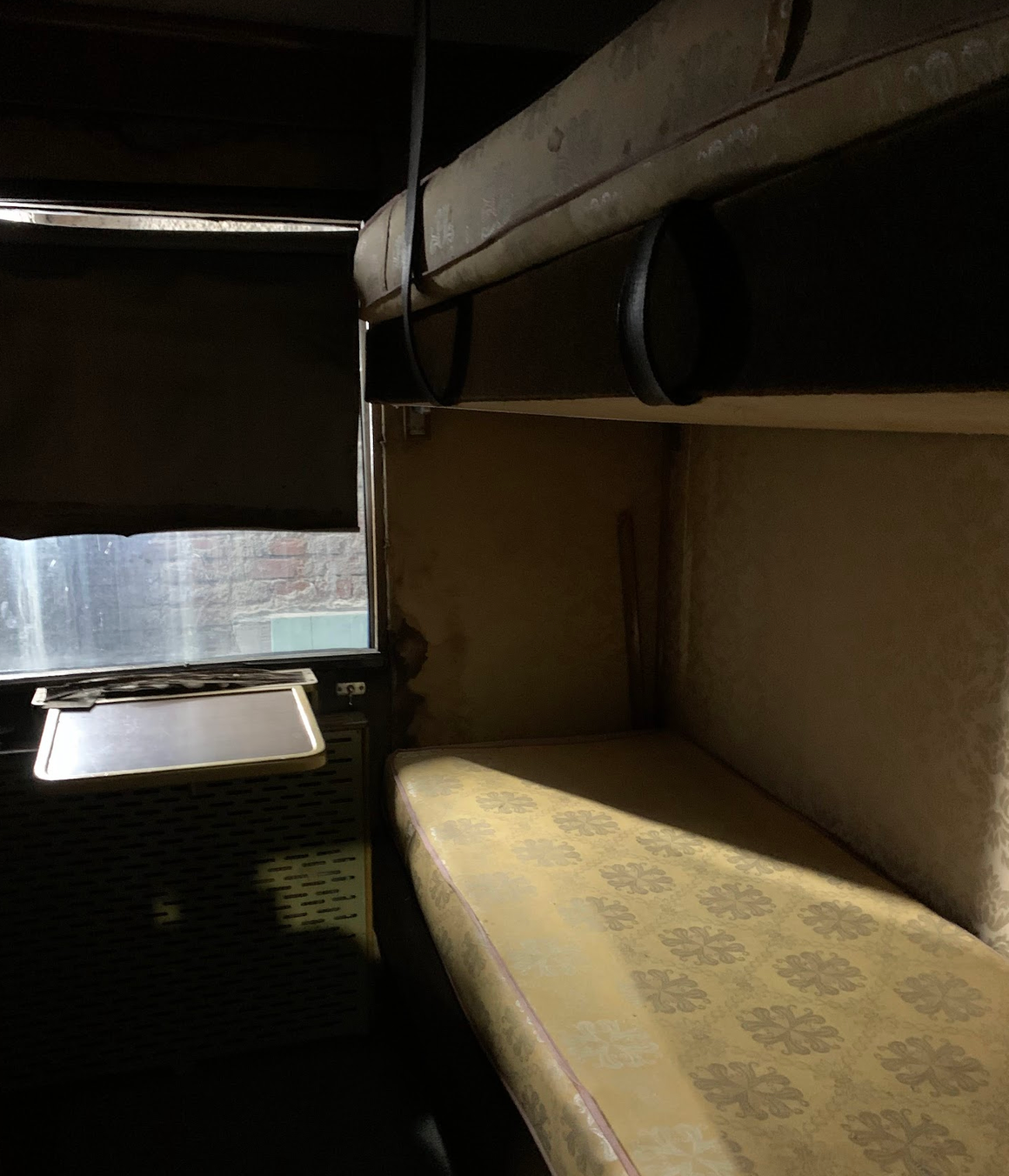
As our visit came to an end, we could only hope that ongoing restoration work and investment will help bring not only Romantika, but many of the other historic carriages resting in the depot, back to life.
I still remember travelling on the Nostalgija along the Šargan Eight in Mokra Gora as a child.
Experiences like that have the power to spark a lifelong fascination with railways, history and travel.
With greater funding, promotion and organisation, Serbia's remarkable railway heritage could become far more accessible to international visitors.
From the Kingdom of Yugoslavia to the trains of the Socialist Federal Republic of Yugoslavia, few countries possess such a diverse collection of surviving railway history.
For now, these trains remain living reminders of a vanished age.
We can only hope that future generations will have the same opportunity to step aboard, hear the whistle sound, and experience a small piece of Yugoslavia's past for themselves.


