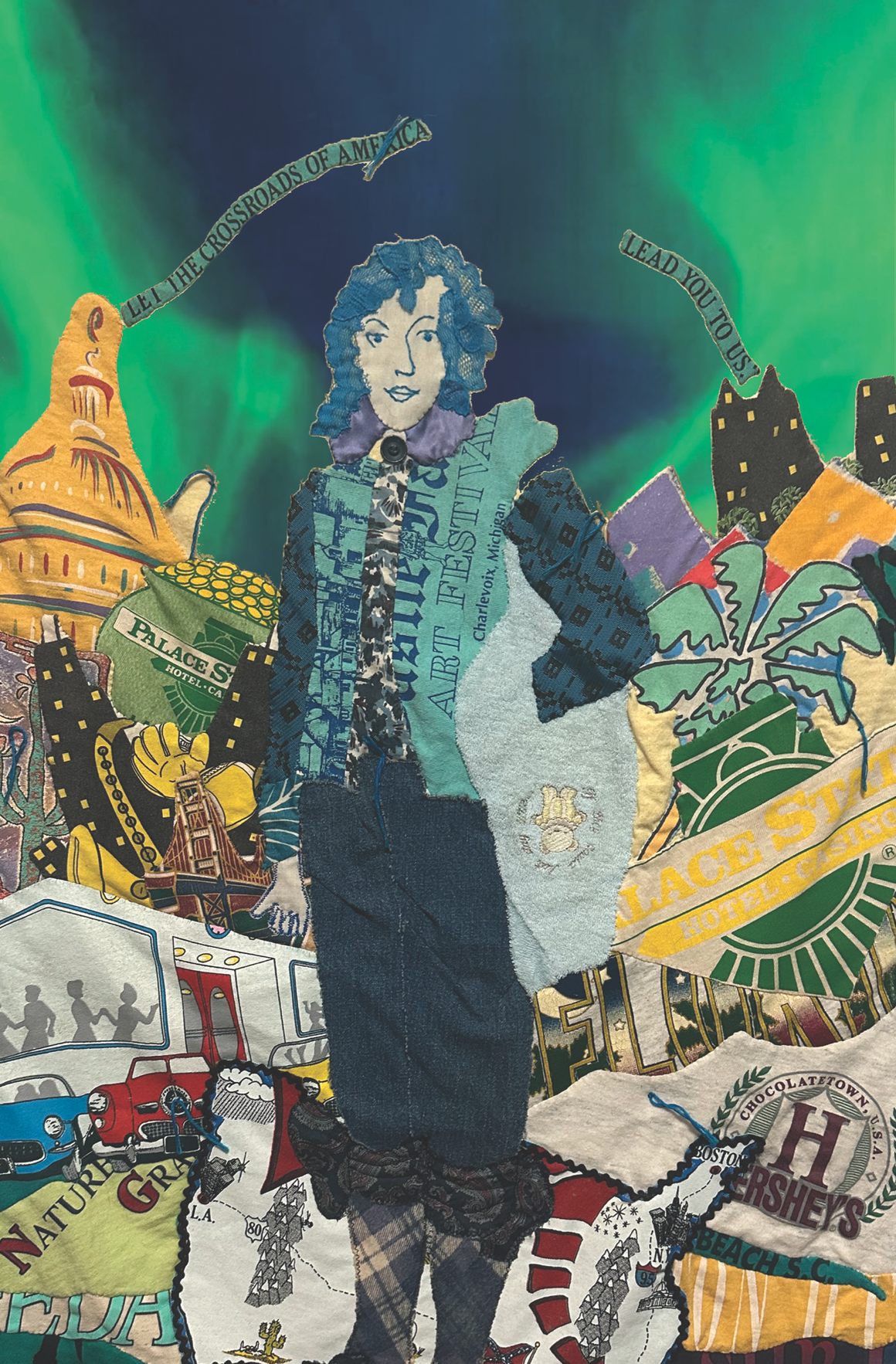
It’s summer and people are taking road trips to everywhere roads can take them. To capitalize on this national pastime while also celebrating America’s 250th, the U.S. Department of Transportation has launched "The Great American Road Trip" encouraging people to travel with the slogan, “You’ve got to see America to celebrate America.”
I want to love this slogan with its accompanying star-spangled-lone-car-on-a-winding-desert-highway-at-sunset logo. After all, my own love of road trips motivated twenty-five years of travel and research for my recent book of fiction, A Green Glow on the Horizon: Tales from the National Association of Tourist Attraction Survivors.
I really do want to love the slogan, but when I stare at, “You’ve got to see America to celebrate America,” all I can see is today’s binary-simple way of looking at life.
What I want to see is what I experienced as a child looking at the blur of the highway mirage that captivated me from the backseat of my family’s blue Chevy Impala. At nine years old, I believed that if I stared into the mirage—not look away, not blink, not be distracted by my dad behind the steering wheel and my mom holding the map, not be bothered by my big sister demarcating the backseat’s dividing line with the full length of her arm—I could lose myself in those shimmering liquid waves I saw rising up from hot asphalt in the South Dakota Badlands two days’ driving distance from my Indiana home.
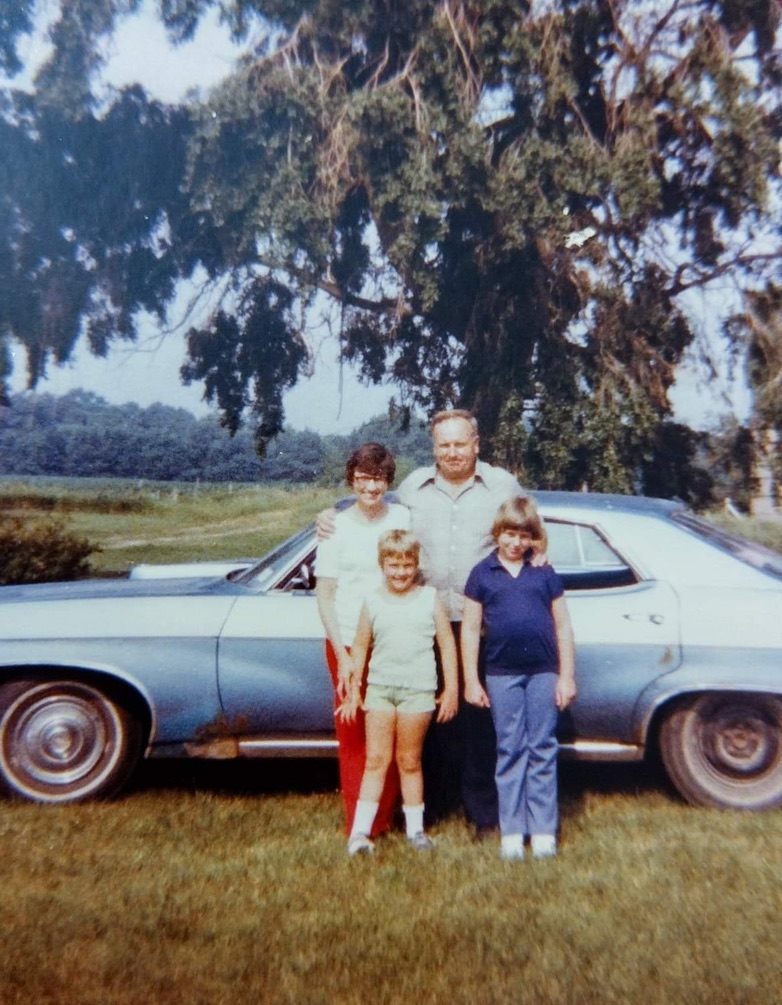
Before my very eyes, shimmering heat waves transmogrified into a palace made of corn; a saddled Wall Drug jackalope I could straddle; a roadside meal of saltines, canned salmon, pork and beans, and nectarines, pulled from our cooler like rabbits from a magician's hat.
When the mirage of day surrendered to the dark of night, I surrendered to the neon "VACANCY" of a Motel 6, a sign that someone had left the light on for me.
When I try time and time again to love the slogan, to see in it the mirage of the America that I experienced as a child and experience still today—intricately, beautifully, heartbreakingly tangled—I unfortunately see the reality of that binary-simple slogan. I want to be awash in the feelings and stories that my character Lauren Ambrite, the fictitious National Association of Tourist Attraction Survivors editor, evokes when she says, “I know that even if I were able to endlessly spill out stories, I could only begin to approximate these ever-evolving lives.” So it is when I consider America with so many places to see, so many stories to hear, America ever-evolving as are we all.
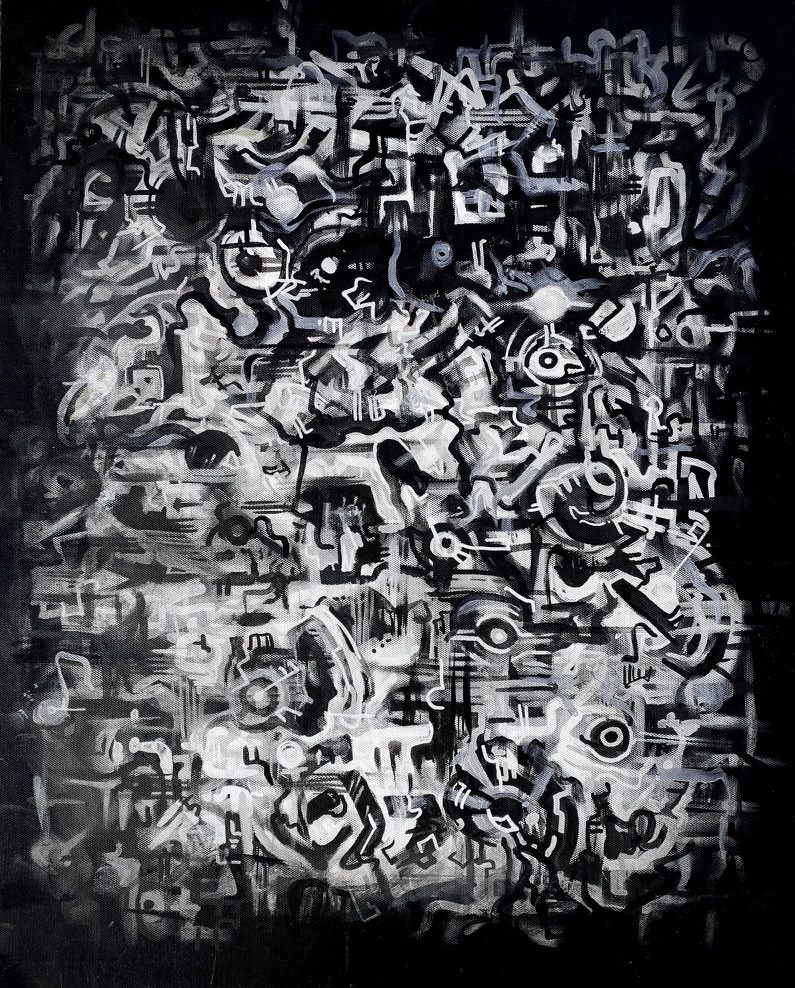
Thematically, A Green Glow on the Horizon centers on connection and disconnection. In my travels and my writing, curiosity and empathy led me to imagine the lives of characters sparked by the places I saw and the people I met.
Situating fictional characters in real tourist attractions and overlooked places opened a space to explore how to enter the mirage of differences in an array of situations: when systems of belief differ or fall apart; when grief fractures families; when “freak” becomes the best word a person can think of to describe how they exist in the world.
My fascinations didn’t come out of nowhere. Raised evangelical, I grew up culturally at odds with “the world” and most of my peers, even though we all attended the same small rural school. Geographically, I lived at the crossroads of U.S. Highway 30 and county road 450 West leading into Hanna, an overlooked small town to outsiders and the center of my childhood universe.
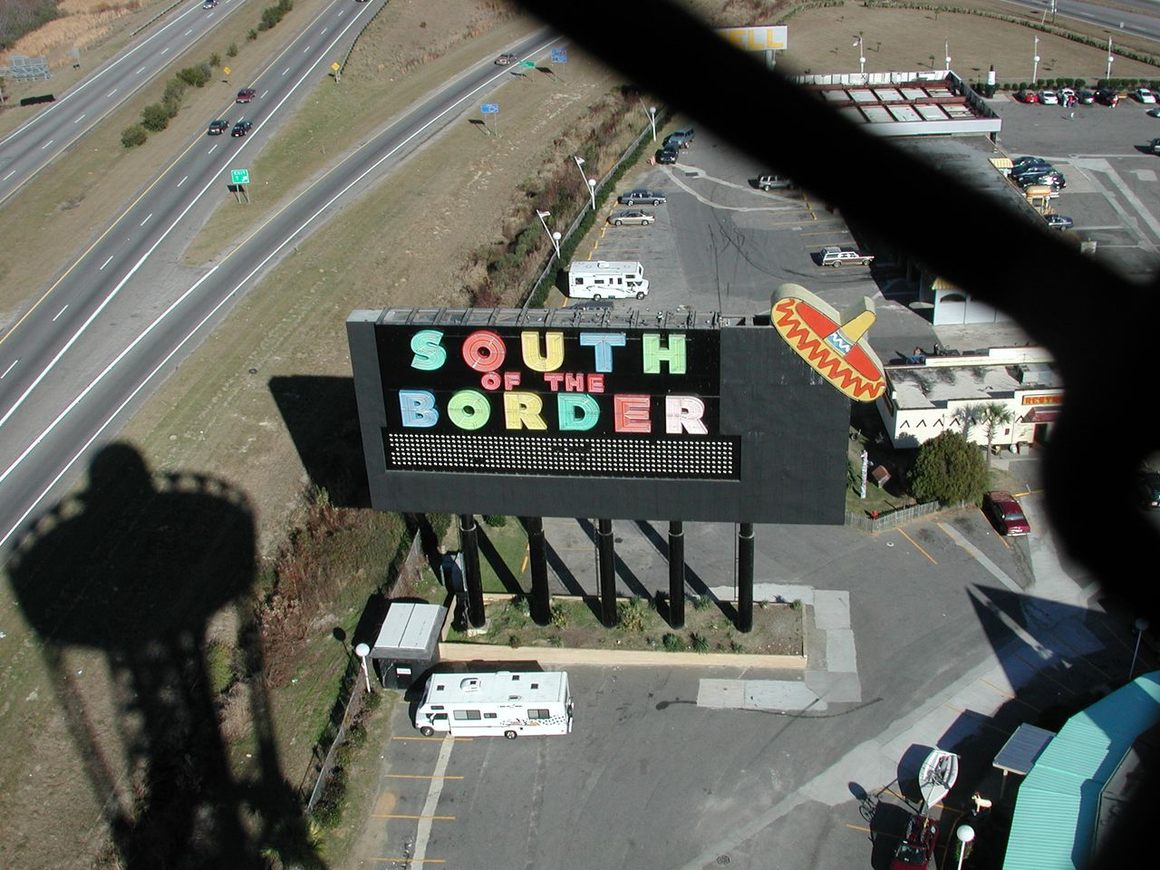
The odd thing was that truckers and travelers drove by my house all day every day, heading East towards Fort Wayne and West towards Chicago. Like my character Rita Epiphyte standing at the top of South of the Border’s Sombrero Tower, I too watched “cars moving forward in both directions, going all the places roads can go, unstoppable and also beautiful in their motion . . . going to places I could not see, to destinations beyond my vision.”
The stories I wrote for A Green Glow on the Horizon surprised and troubled me. They still do.
Many things happen in many different places. These are just a few:
Abigail becomes an otter.
Fort Wayne Zoo
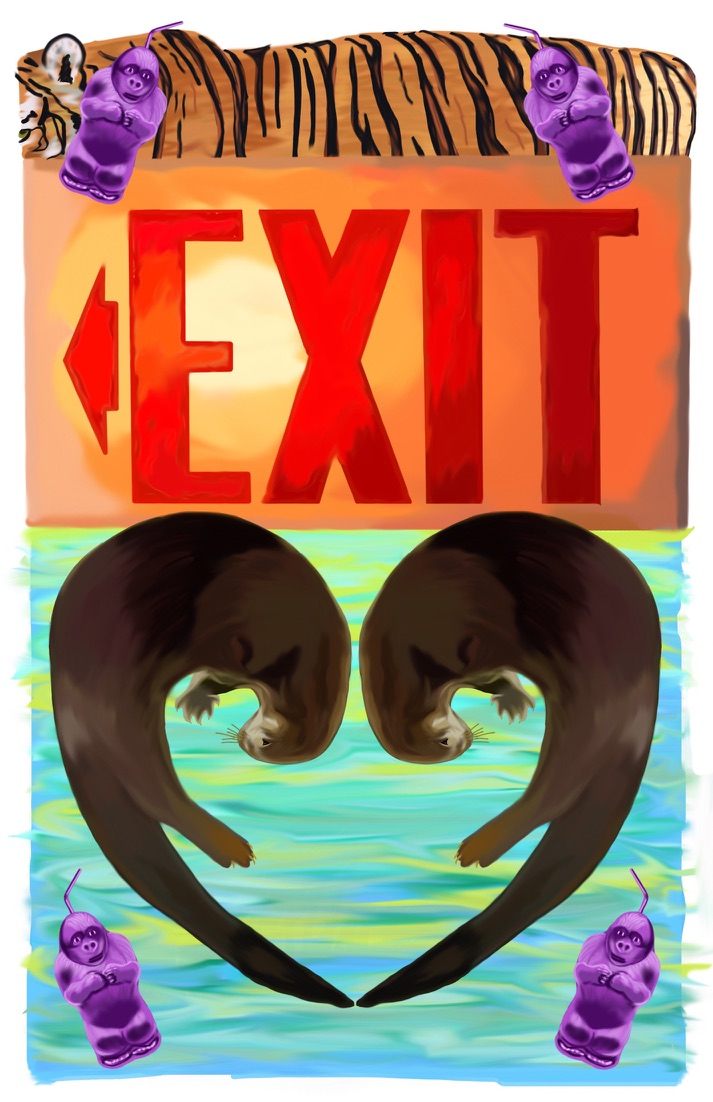
-
Ruth wishes she hadn't lost her wishbone collection.
The Corn Palace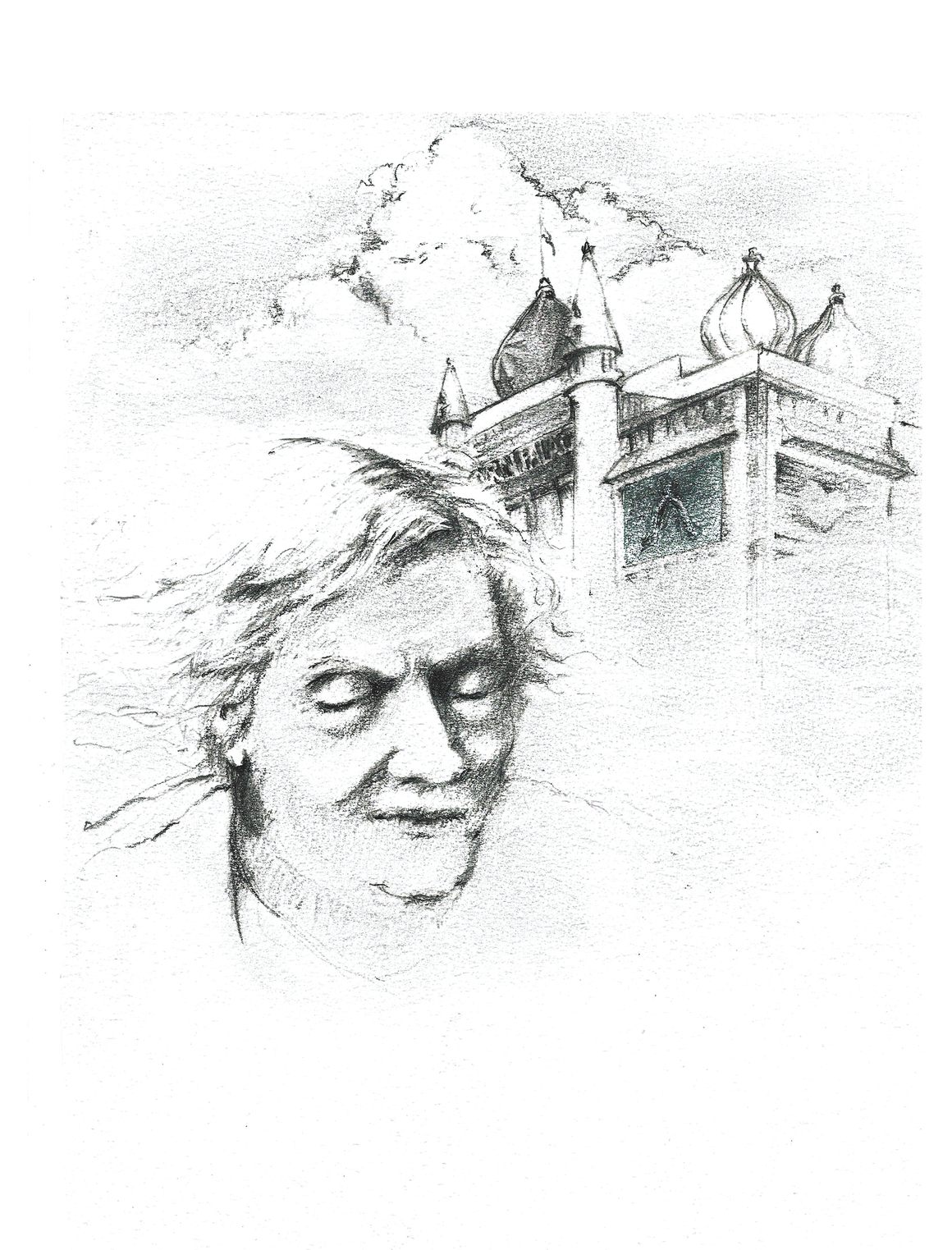
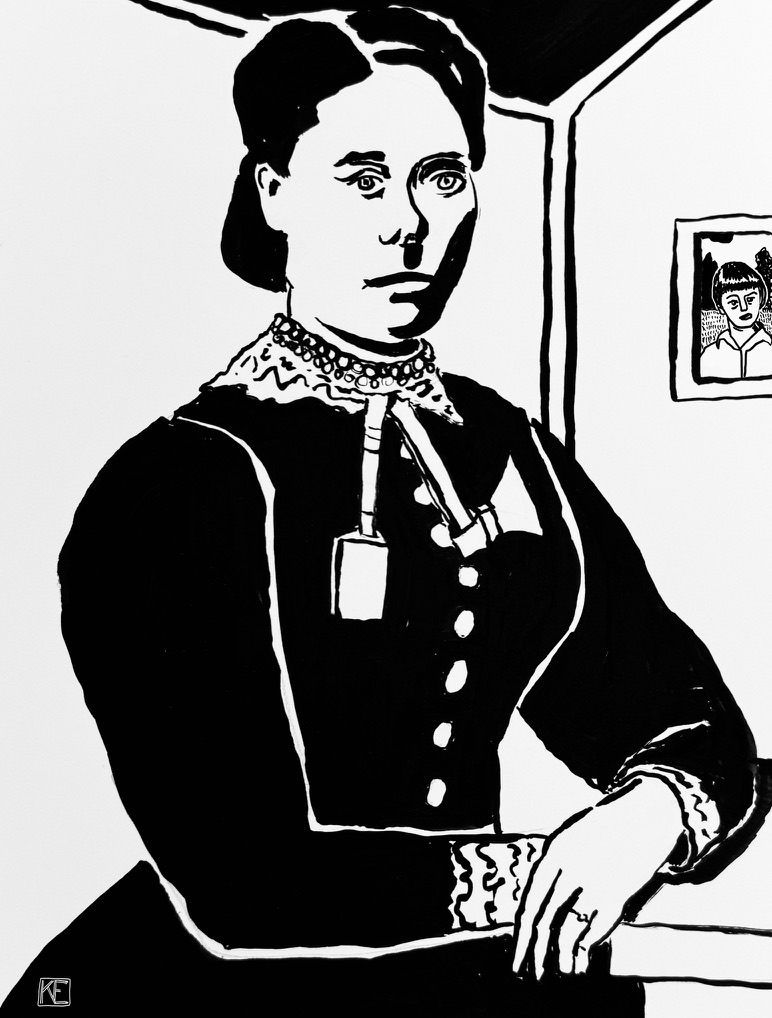
“Raised in a Corn Palace” original Green Glow art by Jan Bechtel (Photo: Jan Bechtel, artist) Dawn sleeps in the Belle Gunness exhibit's garden cart.
LaPorte County Historical Society Museum
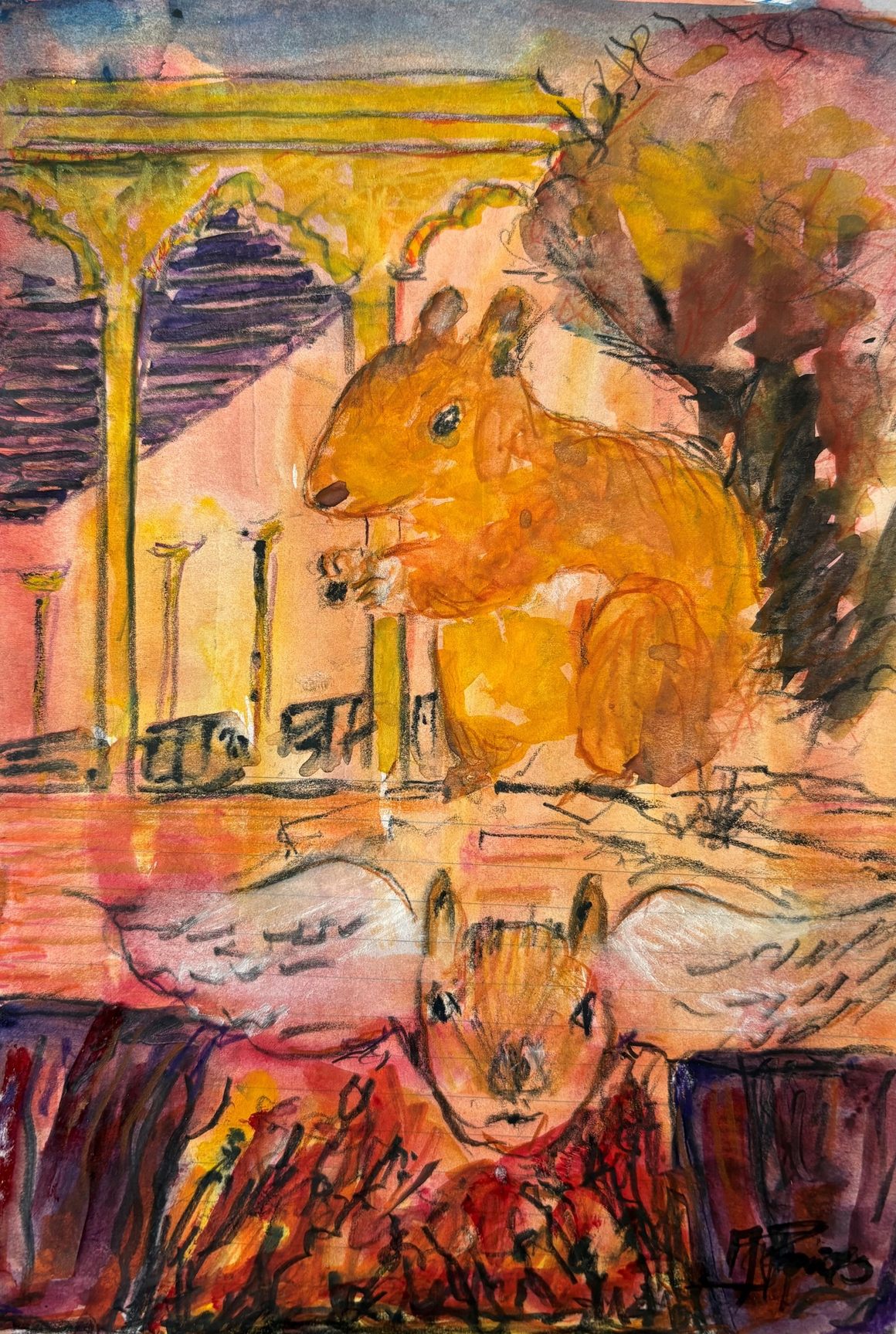
Ezekiel stuffs squirrels for the glory of God and The Living Bible Museum.
Valerie follows a green glow on the horizon.
International UFO Museum and Research Center
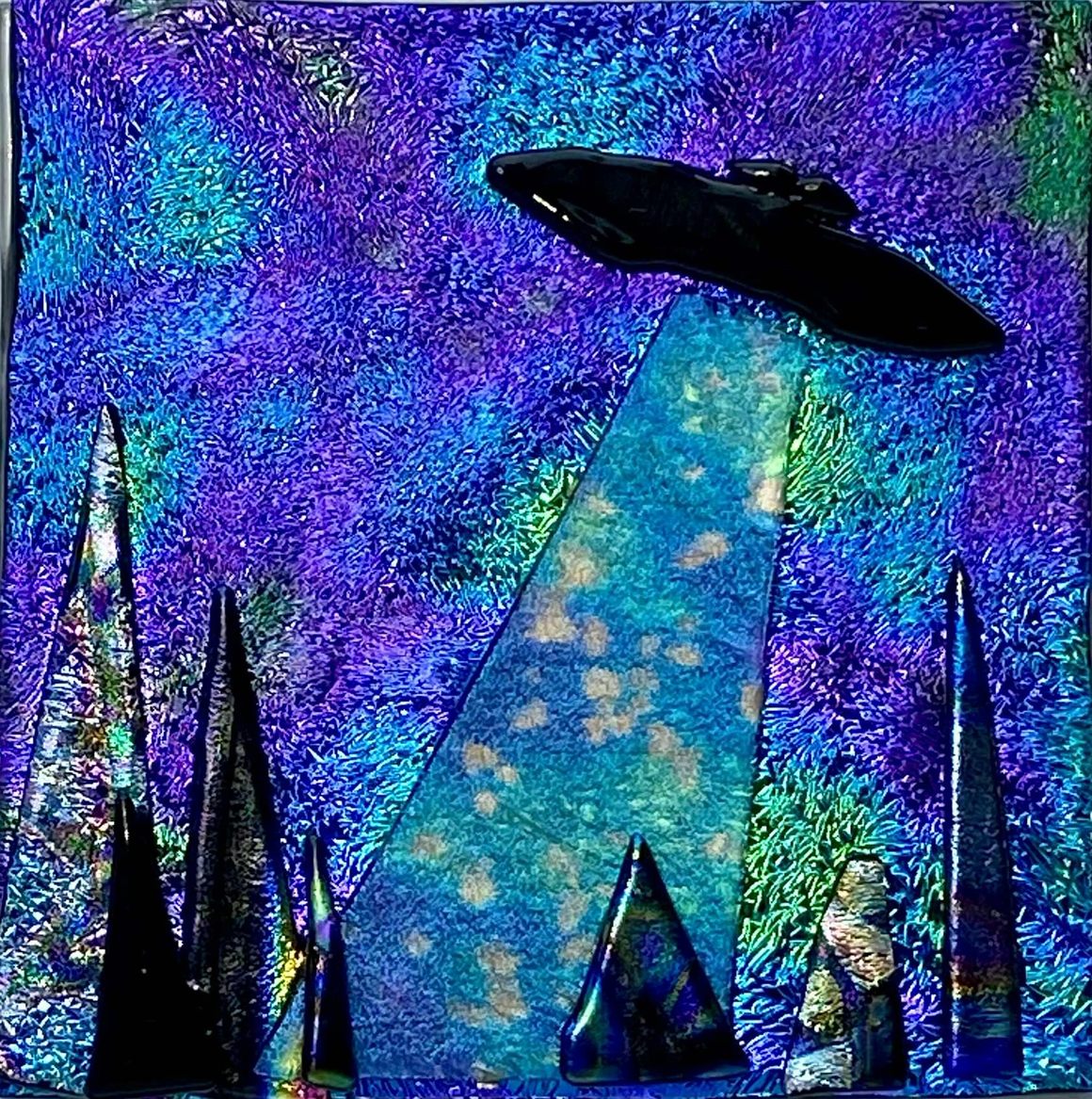
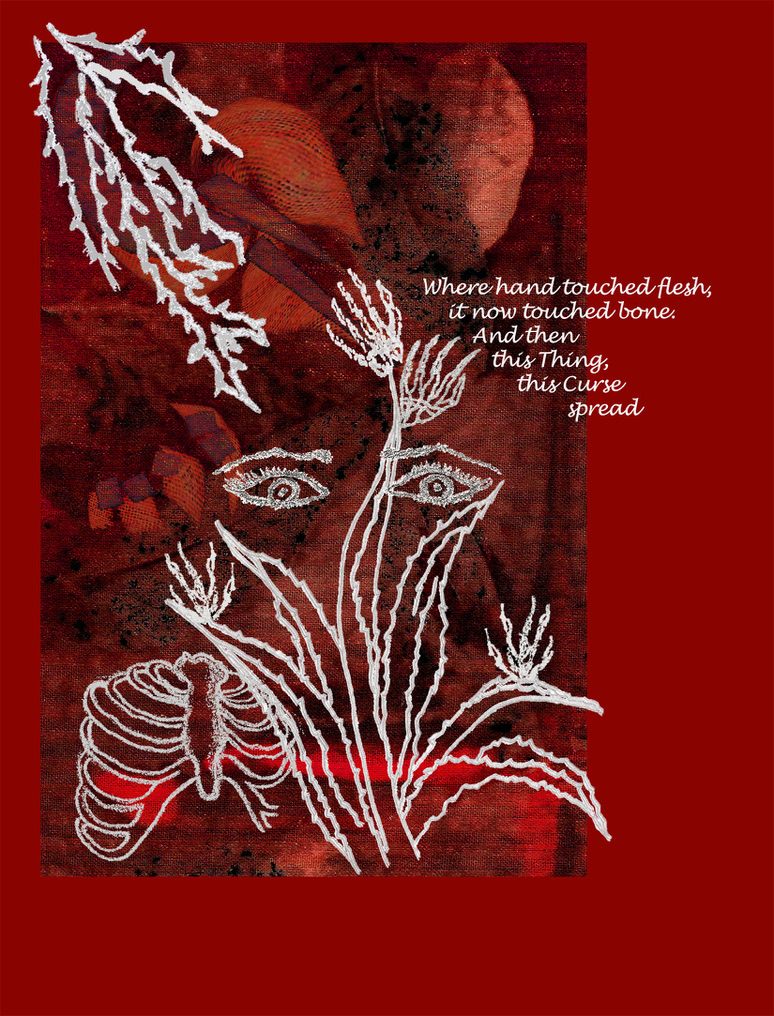
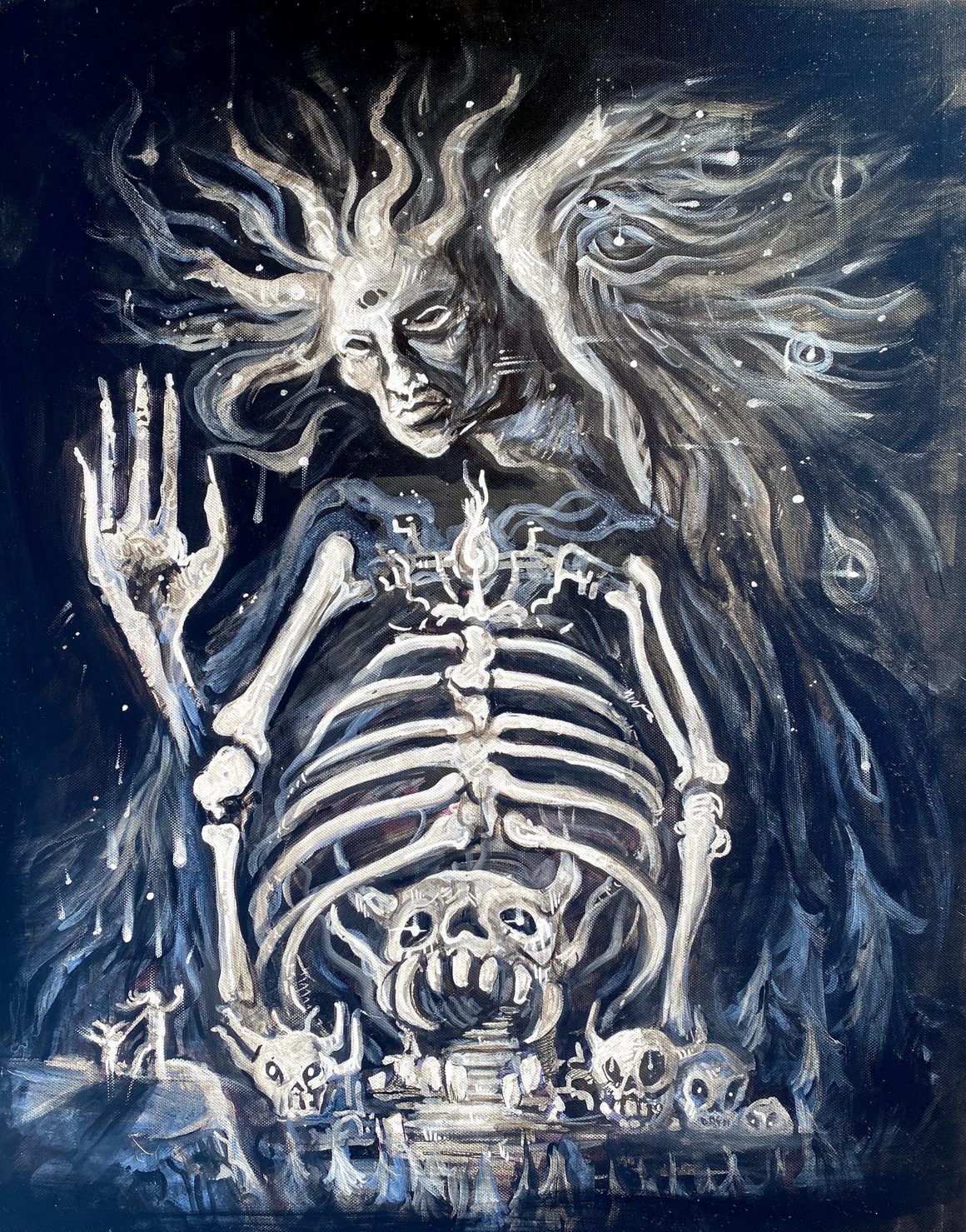
Arabella devours herself in the Sonoran Desert.
The Thing
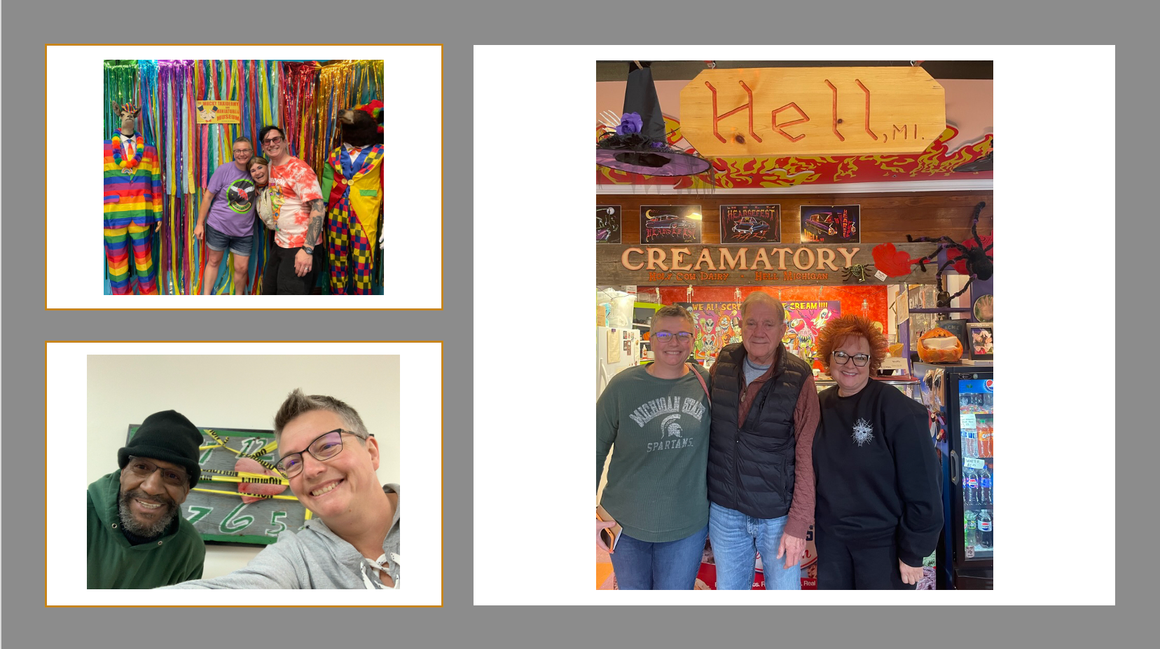
Hanna Susanna and her daughter find a home in Hell.
Hell, Michigan
I ache most for my disconnected characters who are unable to celebrate the differences, to experience love from others or even themselves. I feel the same ache for my fellow human beings, for this place called America, for the world.
That’s when I get in my car to go places, hoping to meet people who are willing to tell me their stories. Equipped with a pack of Twizzlers, my 10+ hour Green Glow on the Horizon Road Trip Playlist Commitment, and (when I’m lucky) a friend who’s up for adventure, I’ll set off with my trusty Atlas Obscura and Roadside America resources, and a sense of adventure too big for any slogan to contain.
Michigan roads alone have led me to meet so many people—Brandon and Julie Howey at Mackinaw City’s Wacky Taxidermy and Miniatures Museum, Tyree Guyton at Detroit’s Heidelberg Project, and John Colone and Reverend Vonn in Hell, a lighthearted place where everybody’s welcome.
Each place, each observation, each conversation, transforms my experience in the world. I don’t have to go far or even have a car. A stranger walking by my house with a yellow umbrella on a hot summer day can change my whole world.
When I get down, my wife Bex reminds me, “Remember that tourist attractions and people’s stories are a part of the community you build even when hope is small.”
Some of the stories I love most are from my first-year students as they write about themselves as learners, as members of the cultures and communities they belong to, and as future professionals in careers of their choice. Reading my students’ work, I am left awash in feelings and stories, and I find hope here too.
The language of my official bio says I am “committed to writing and community building as acts of personal and social change both in and beyond [my] classroom.” This may sound like some of the socio-political agendas that are lurking in the “You’ve got to see America to celebrate America” slogan, but what I’m meaning is I am falling each semester into the shimmery lives of 72 new students.
My students may be skeptical on the first day of class when I tell them their voice matters, but by the last day I want them to believe, as Dave Eggers has said, “your voice is essential—the human chorus is incomplete without your voice.” This human chorus, this eternal babble of stories, is how we build generous and generative community. And this, indeed, is something to celebrate.
“I know that those stories are only a small sliver of who these people are,” writes A Green Glow on the Horizon’s Lauren Ambrite in her moment of crisis about her role in gathering the stories of tourist attraction survivors. “I know that even if I were able to endlessly spill out stories, I could only begin to approximate these ever-evolving lives.”
Chimamanda Ngozi Adichie echoes Ambrite’s insight in “The Danger of a Single Story” when she says, “I've always felt that it is impossible to engage properly with a place or a person without engaging with all of the stories of that place and that person.”
I feel the gift and the weight of all the differences we are made of, all of us the aurora rippling green electric across the night sky, filling me with wonder and hope.