

Most people don't travel halfway around the world hoping to find a bug they've never heard of, or one they've only seen in the hands of David Attenborough on TV. I do. And somehow, every year, I've been able to convince a handful of other people, most without any background in natural sciences or entomology, to decide that sounds like a pretty good way to spend a vacation.
Through the Global Entomology Coalition's award-winning Expedition Entomology program, I intentionally keep our groups small. Usually fewer than ten of us. A small group moves differently. You can stop because someone found a strange beetle or spend twenty minutes following an ant column into the jungle without worrying about keeping forty people on schedule. And best of all, you can actually get to know the people you're traveling with, because I'm not a tour guide - I'm just a curious person that wants to share my curiosites with other curious people.
An untouched cloud forest of Panama was our first exploration.
The rainforest was teeming with life. Everything is damp, green, and alive. We spent our days hiking steep trails, setting traps, checking vegetation, sifting rivers, and seeing what turned up after dark.
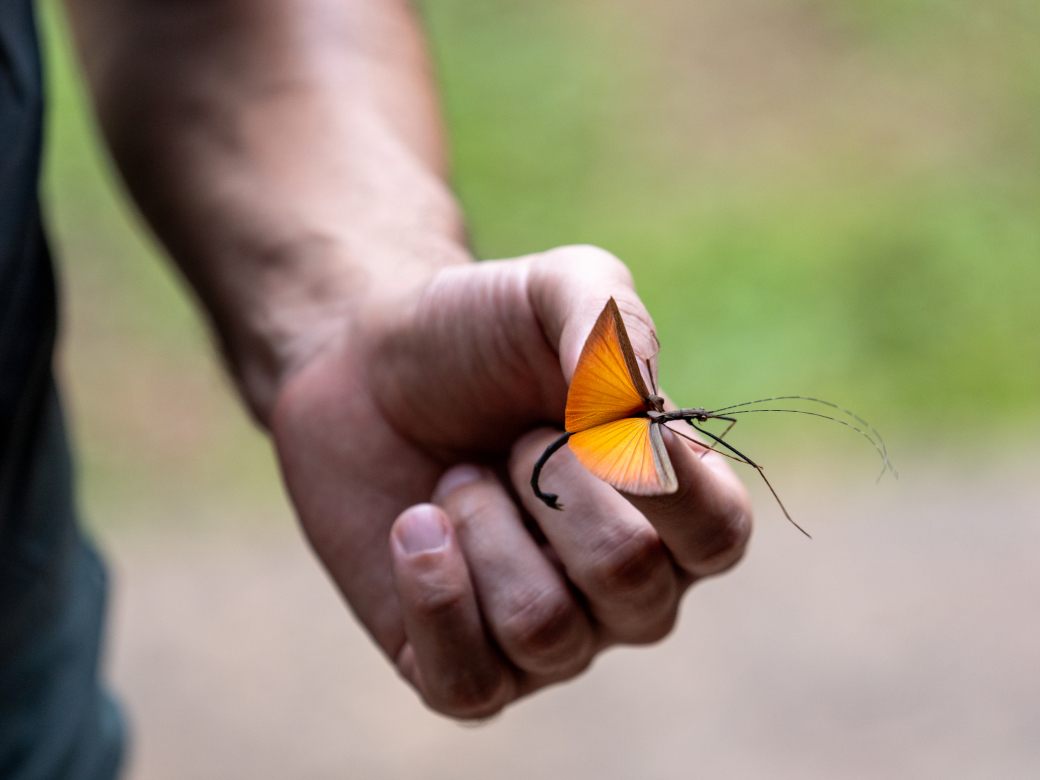
One night it was giant Megasoma beetles. Another day, mossy mantids, and thanks to our Phasmid expert from New World Phasmids, we had lots of incredible stick insects. One unusual specimen became several. Eventually it became clear that we hadn't found one undescribed species.
We'd found at least six new species of stick insect, two of which were entirely new genera.
The scientific descriptions are still being prepared, but knowing that our little group contributed to documenting animals that science hadn't yet recognized is a hard feeling to put into words. It reminds you that even now, there are places where nature is still keeping plenty of secrets. And with an estimated 20 million more insects to be discovered, our work is cut out for us.
Thailand was different.
We weren't there just to find insects. We wanted to understand how people have lived with them for generations.
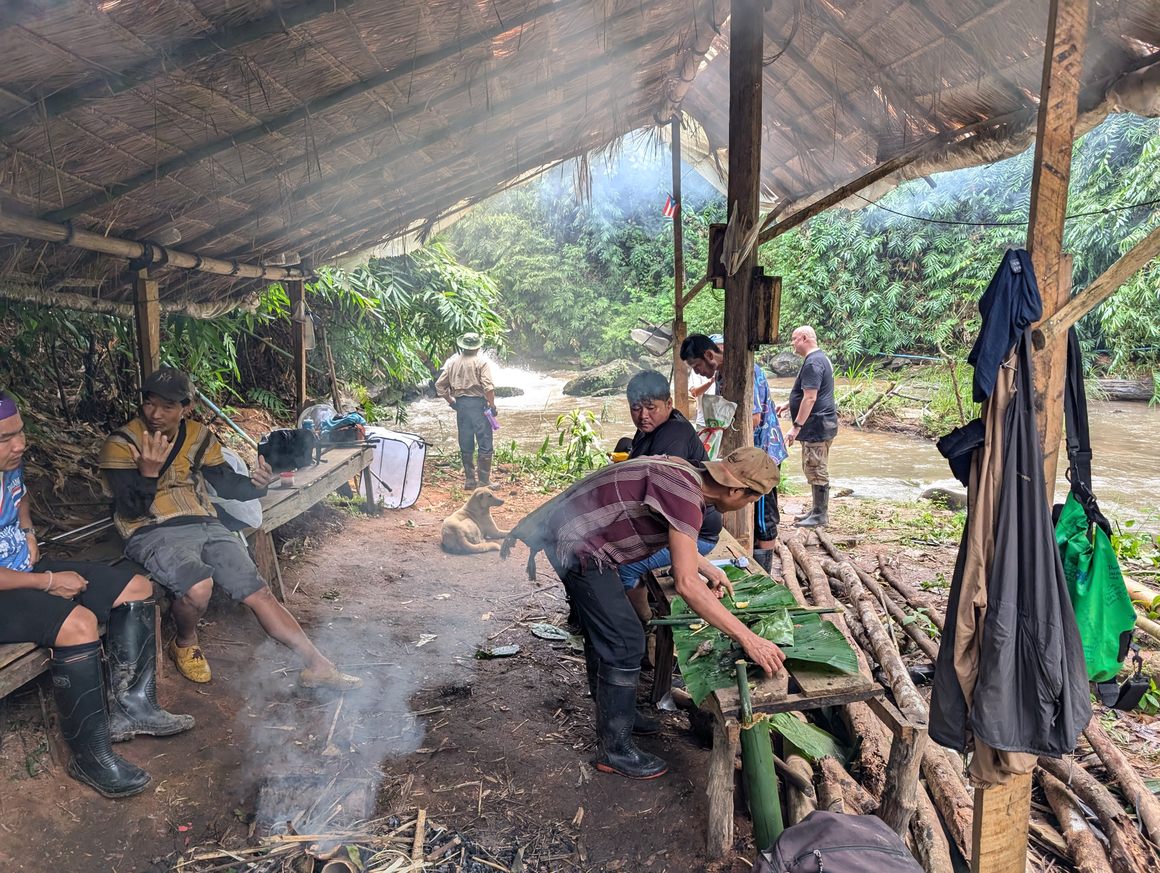
With a handful of participants and fellow Explorers Club members, including edible insect expert Joseph Yoon, we ventured into the mountains of northern Thailand, where we spent time with the Kayan people learning about the cultural and culinary importance of insects. We learned traditional collecting methods and shared in not just eating delicious meals, but foraging and cooking together from the bounty of forest resources... and of course, including insects. From cricket laarb to tarantula nam prik, we were crafted beautiful flavors beyond anything we've ever had. We all shared stories, meals, and discovered that insects aren't just food or curiosities or tourist gimmicks, but they are part of family traditions and a way of coexisting with the forest Those conversations stay with you as much as the insects do.
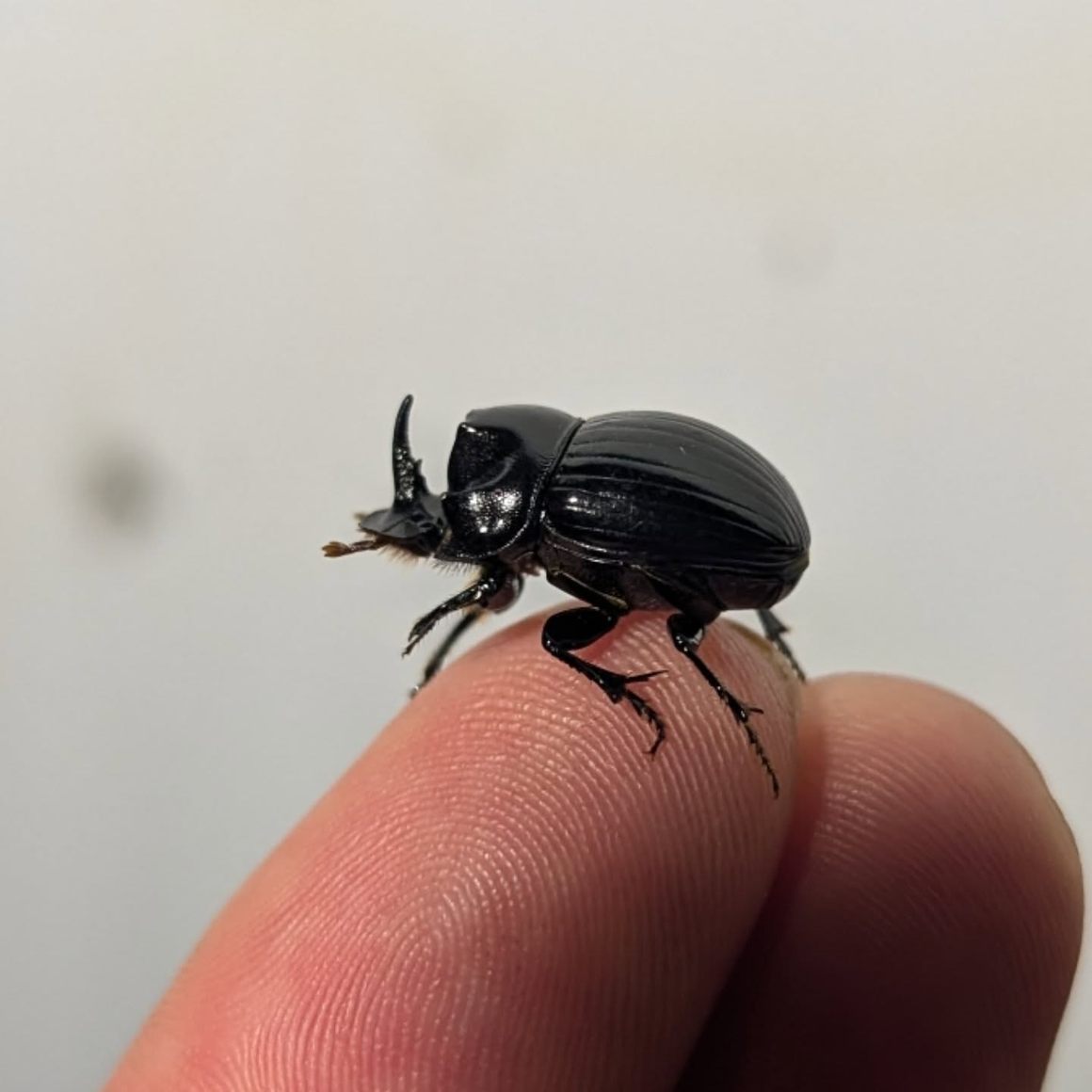
Science tells us a tremendous amount. Of course we did some insect surveys and trapping, sifted through elephant dung for dung beetles (and met the elephants who provided it to us), but local knowledge tells us things science hasn't learned to ask yet.
Our hosts taught us traditional junglecraft and how to build insect traps from bamboo. We learned how important beetle fighting is in society, and not just for recreation. Beetle fighting has been used to settle land disputes, decide marriages, and even determine the outcome of local elections. It's a practice that sounds like it might be cruel, but is actually harmless to the beetles. In fact, they provide their beetles with the utmost care and respect, and even releasing the losing beetles, with the winners receiving their prize: a beautiful female he was fighting over.
Next we're heading back to South Africa in December 2026 (come with us!)
The insects are the reason we're going, but the megafauna are why the story is so interesting.
When elephants knock over trees, when buffalo graze, when rhinos move across the landscape, they're constantly reshaping habitat. The question we'll be asking is "what does that mean for insects?"
Some species probably benefit. Others probably disappear. Somewhere in between are thousands of interactions that hardly anyone has looked at closely. We'll spend our days surveying insects, trying to understand how these giant animals influence the smallest ones.
That's one of the things I love most about entomology. You start out looking for insects, but you end up learning about forests, rivers, people, climate, elephants, history, and cultures. Insects connect all of it.
People sometimes imagine expeditions as dramatic adventures. And most of the time they are. There are long hikes, rough roads, river crossings, rainstorms, wildlife encounters that might be a little too close, but mostly, expeditions are made up of a series of small, unforgetable moments.
The first amazing insect encounter. A conversation with a local who knows the forest better than any map. Watching an entomologist make an ungodly excited screech like a tea kettle over a fly that everyone walked past.
Sitting around an open air dinner after a long day, dirty, sweaty, and exhausted, comparing photos of whatever strange creature stole the show that afternoon.
Those are the parts I remember most. The discoveries matter. Finding new species and new behaviors is an incredible privilege, but the real reward is getting to spend time in places few have been, and the curiosity of the group is enough of a reason to be there.
There are still wild places where almost every log, leaf, and night at a light sheet offers the possibility of seeing something completely unexpected.
We have to continue to fight to keep these places alive, and as long as they places exist, we'll keep going back.
But I don't want to do it alone, so consider this your invitation to be part of our research team. Everyone is welcome regardless of nationality or academic background, to join us in the field during Expedition Entomology.


