About
A sweet of traditional Tatar cuisine, chak-chak is made from unleavened dough cut and rolled into small balls, then deep-fried in oil and drenched in honey. It is known for its relatively long shelf life, thanks to the preservative properties of honey, and can last up to three months in storage.
Believed to have its roots in Volga Bulgaria, chak-chak was once offered to visitors to Tatarstan as a welcome treat. Hearsay even has it some taxi drivers may accept it in lieu of the fare. Be it true or not, it’s still a beloved sweet in the Republic of Tatarstan and has spread across northeastern Eurasia, from the rest of Russia, where it can be commonly found at grocery stores, to the Stans.
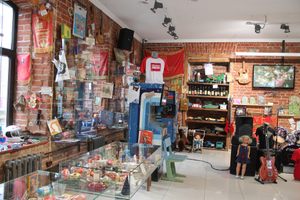
Founded by the local Polosin family in 2007, the Chak-Chak Museum is located smack in the heart of Kazan’s Old Tatar Quarter and housed in the early-19th-century house of merchant Vafa Bigaev, a historic monument in itself. Inside is a recreation of a typical Tatar home of the late imperial era, where visitors are served chak-chak and fragrant tea from a samovar.
While you make yourself at home savoring the taste of Tatar tradition, the guides will share the history of chak-chak from the Middle Ages to the present day, focusing especially on the recipes recorded by 19th-century scholar Kayum Nasyri, hoping to popularize the intangible cultural heritage of the Tatars.
Know Before You Go
On weekdays, admission is 450 rubles for adults and 350 rubles for children under 14; there will be an additional 50 rubles on weekends. In addition to the entry, the ticket includes a tasting of chak-chak. The tour is held every 90 minutes, from 10:00 am to 7:00 pm. As according to Eastern tradition, visitors must take off their shoes inside.
Community Contributors