About
The natives of Rapa Nui descend from some of the best sailors and navigators in history, capable of crossing the Pacific on high-quality canoes. So what happens when this ability is lost and massive ships show up centuries later?
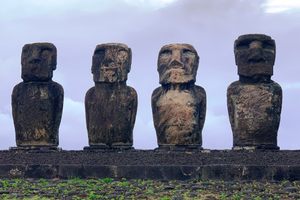
The Easter Island natives are of Polynesian descent, arriving at the island around the year 200. While it is believed that they stayed in contact at first, they soon lost the ability to make ships after deforesting the island for the production of the giant Moai statues. While their ability to sail was lost, the memory of it remained for generations, setting the stage for a cargo cult once the Europeans arrived.
The first to do so was Jacob Roggeveen, a Dutch explorer who found the island on Easter and named it after the holiday. The grand size of his ship greatly impressed the locals, who desperately wanted one.
The culture quickly absorbed these ships, creating clay ships, ship-shaped houses, and several petroglyphs all over the island. The most prominent of these petroglyphs is one featured on the chest of an unfinished moai statue in the Rano Raraku quarry.
It is not known which nation this ship belongs to, but its three sail structure clearly marks it as European.
Related Tags
Know Before You Go
You need a park ticket and guide to enter Rano Raraku.
Community Contributors

Added By
Published
November 23, 2025