

About
In the foothills of Scotland, twenty miles south of Glasgow sits the little town of Lanark. Just a mile south is the Clyde river, and chiseled into that steep river gorge is New Lanark, founded in 1785 as a cotton mill plant with housing for the mill workers and their families.
At the turn of the 18th century, New Lanark's ownership transferred over to industrialist Robert Owen who, under his utopian socialism philosophy, transformed the little river community into one of the largest industrial complexes in the world at the time, becoming a leader in the industrial revolution in the UK and cementing its place in the history of urban planning.
The town slowly declined over time until shutting down completely in the 1960's. Today, New Lanark is a liminal reflection of what once was. It is recognized by UNESCO as one of Scotland's six World Heritage Sites and over 400,000 people visit every year.
No doubt, New Lanark is a place to visit, but a different type of history, one that shows a sense of decay, sits above the pristine and well kept-town.
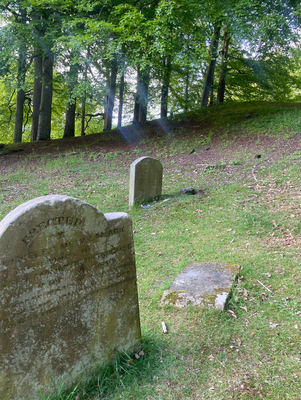
Surrounded by huge beech trees are the burial grounds where the earliest settlers of New Lanark lay to rest. The small clearing is overtaken by grass and moss with the ground swallowing up many of the barely legible headstones. Within that place, the veil between heaven and earth, the living and the dead, surely closes in on itself, becoming so thin you can almost touch the past.
Know Before You Go
Address listed here is probably imprecise. If you walk New Lanark road down to the village and river, theres a subtle sign which leads you off the road to the burial ground. If having trouble finding it, look for the line of large beech trees. follow them.
Community Contributors
Added By
Published
November 23, 2025