About
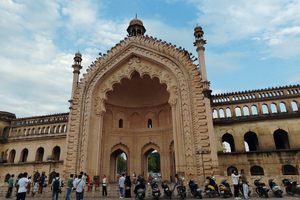
The Residency Complex in Lucknow is a historical site of immense importance in the city’s history. The Residency was the headquarters of the British Resident General, who was a representative in the Court of the Nawab of Awadh. The construction of the Residency began around 1775 and was completed around 1800. Sometime later, the Residency also served as the office of the Chief Commissioner of Awadh with several other administrative and residential buildings being added to the sprawling complex.
In 1857, a battle took place between the Indian forces and the British East India Company forces in many regions of Central and Northern India. One such incident was the Siege of Lucknow, which lasted for many days. The prolonged nature of the siege resulted in a huge number of casualties. The buildings in the Residency Complex suffered extensive damage, and the place was later abandoned.
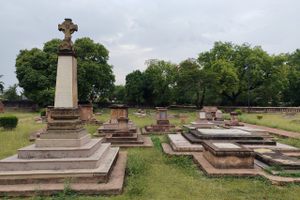
Those who died in the battle were buried in the grounds of the cemetery around St. Mary’s Church within the Residency premises. It is said that around 2000 people have been buried here.
Built in 1810, St. Mary’s Church was a Gothic structure. Today, only the ruins of the building are left. Surrounding the ruins are many graves and tombs in the cemetery. Most of the names and epitaphs are still visible in fairly good condition on the headstones upon a closer look.
Know Before You Go
The cemetery is located within the Residency Complex, which is a popular tourist attraction in Lucknow.
Community Contributors

Added By
Published
June 19, 2026
Sources
- https://mutinyreflections.com/2023/07/02/ruination-at-the-residency/
- https://www.hindustantimes.com/cities/lucknow-news/lucknows-residency-gets-major-facelift-after-year-long-drive-101712243862893.html
- https://justtravelmusings.blogspot.com/2012/10/back-to-roots-trip-to-lucknow-4-lucknow.html
- https://en.wikipedia.org/wiki/Siege_of_Lucknow
- https://en.wikipedia.org/wiki/The_Residency,_Lucknow