About
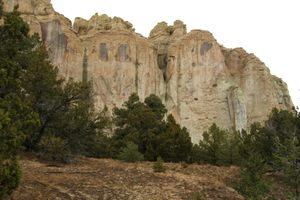
Dating back to 1100 A.D, Acoma Pueblo is thought to be the oldest continuously inhabited community in all of North America. This impressive pedigree can be explored today at the Sky City Cultural Center & Haakú Museum, dedicated to the historic community located atop a 367-foot sandstone bluff about 60 miles west of Albuquerque.
The name Acoma comes from the word the Spanish borrowed from the people of the pueblo to describe those that lived there. Though it has no exact meaning in the modern Acoma language, haakú, meaning “preparedness” or “place of preparedness” is thought to be the original Acoma-language root of the place name.
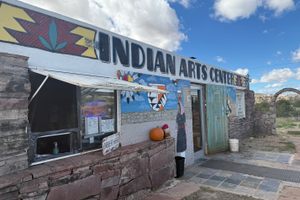
The Haakú Museum shares space with the pueblo’s cultural center, acting as a showcase for Acoma history, art, and artifacts, including Acoma’s famous pottery, as well as a space for community events. The museum is also the starting point for the tour of the Sky City itself—the mesa-top village that is the physical and spiritual center of the Acoma people.
The traditional pueblo, which does not feature modern amenities like running water and electricity, is not occupied year-round, as residents of Sky City have permanent dwellings north of the mesa on nearby Pueblo lands, but during feast days and cultural celebrations, all the houses are occupied as the community celebrates.
The ancestors of the Acoma pueblo came from the Chaco culture, as evidenced by the strong resemblance between the building styles of the excavated pueblo complexes at Chaco Canyon and those at Acoma.
Today, a visit to Acoma begins at the Haakú Museum and continues through a guided tour of the historic Sky City, featuring historical interpretation by tour guides from the community, traditional dance and music performances, and the opportunity to watch local artisans at work and to purchase their jewelry and crafts.
While in the city, be sure to visit the ancient church, with color choices and design features nodding to the natural landscape and local traditions. Other notable architectural traits specific to the region include ladder-accessible construction and ceremonial kivas.

Published
January 5, 2026