About
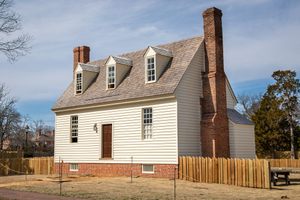
Spread among Williamsburg’s 301-acre historic area, the Colonial Williamsburg Arboretum is a treasure trove of 18th century-inspired gardens, trees, and modern cultivars. There are backyard pleasure gardens that offer insight into how colonists lived, and more than two-dozen period species of oak trees, such as white oak, which was often used for shipbuilding. At the historic area’s Governor’s Palace you’ll even find a hedge maze—a symbol of wealth and leisure in England since the Renaissance.
What’s truly impressive are this living history museum’s larger-than-life specimens. These include 20 state champion trees, the largest living examples of their kind in Virginia. Examples range from the water locust, a flowering tree that’s native to the southeast part of the country, to the Compton Oak—a natural hybrid between two oak species: the live oak and overcup oak. This latter specimen is one of the gardens’ most recognizable trees. Perched on the edge of Market Square, it stands approximately 70 feet tall 97 feet wide and with a trunk measuring 14 feet in circumference.
The arboretum is also home to two national champion trees, the largest living specimens of a tree species in the entire United States. There’s the jujube, a tree adorned with small, sweet fruits that are popular in China, where they have been cultivated for 4,000 years. Williamsburg’s other national champion is the paper mulberry, another Asian specimen that first came to the colonies in the 1780; Thomas Jefferson considered them especially useful for shading front porches.
Related Tags
Know Before You Go
Visitors can get a greater understanding of the arboretum’s various flora and its role in Colonial Williamsburg on hour-long walking tours. Along with learning the identifying characteristics of several of the arboretum’s most asked-out trees, you’ll also hear about the many ways tradespeople utilized the different kinds of wood.
Community Contributors

Added By


Published
April 22, 2025