
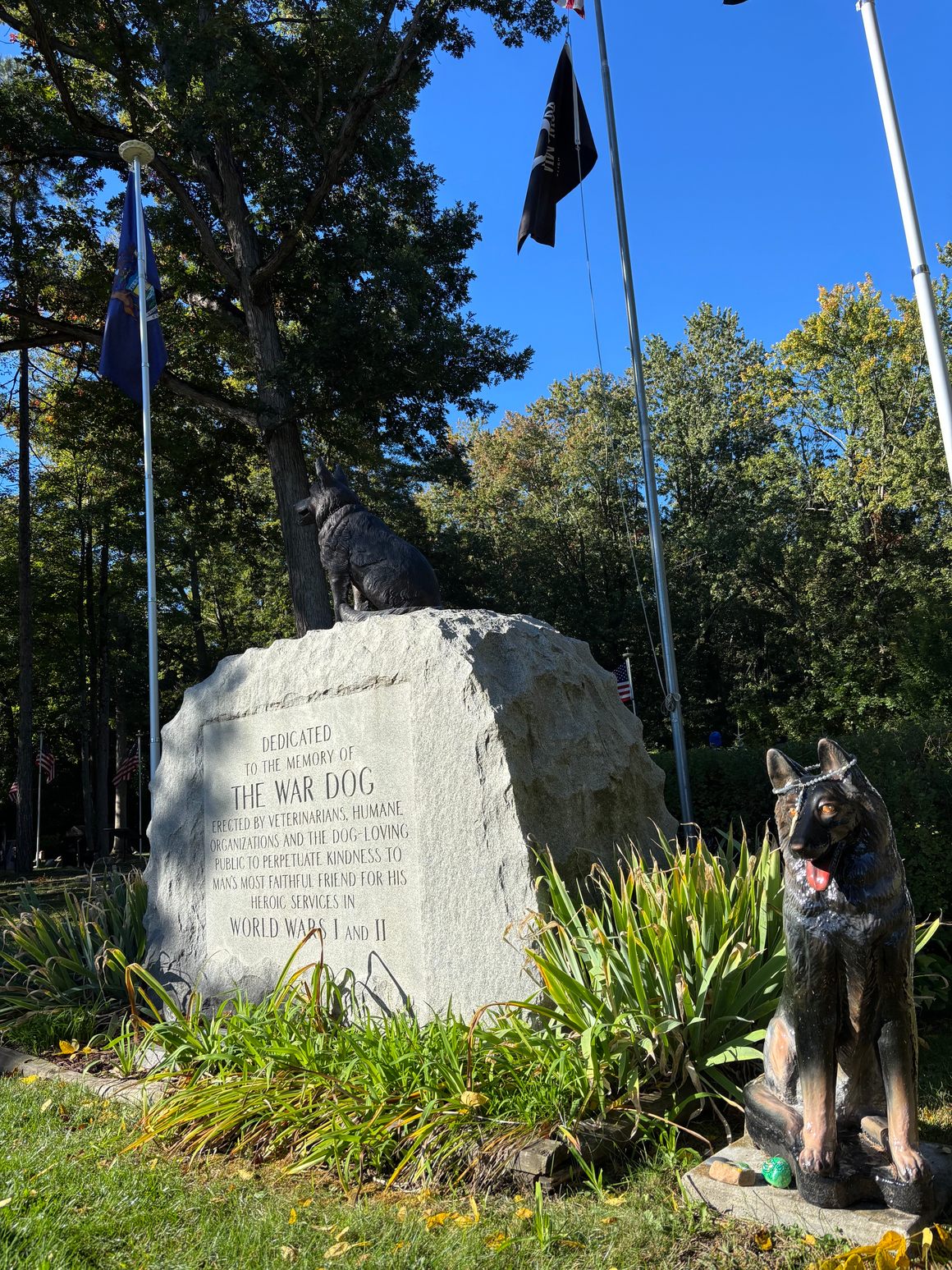
On a sunny, cool autumn morning a distant grumbling can be heard from an otherwise quiet corner in South Lyon, Michigan. The roar builds, louder and thunderous, until it becomes impossible to ignore. A group of motorcycles come into view, swinging into a small parking lot near the intersection. The leather-jacket clad riders have made a pilgrimage to this sacred plot of land. They are all US military veterans who’ve come to pay their respects to their often overlooked allies in service: dogs. This is the Michigan War Dog Memorial.
Dogs hold a special place in the hearts of many. But when your trusty companion has also helped save lives, maybe even your life, they need a special kind of remembrance. The veterans - some of whom have worked with war dogs - dismount their bikes and walk up the solemn path into the cemetery. Their guide is Clint Symons, President of the Michigan War Dog Memorial, who made the ride with the group. Symons and his wife Krisi, vice-president, their board, and founder Phil Weitlauf have ensured the memorial and the cemetery are maintained as a place to mourn and celebrate these animals.
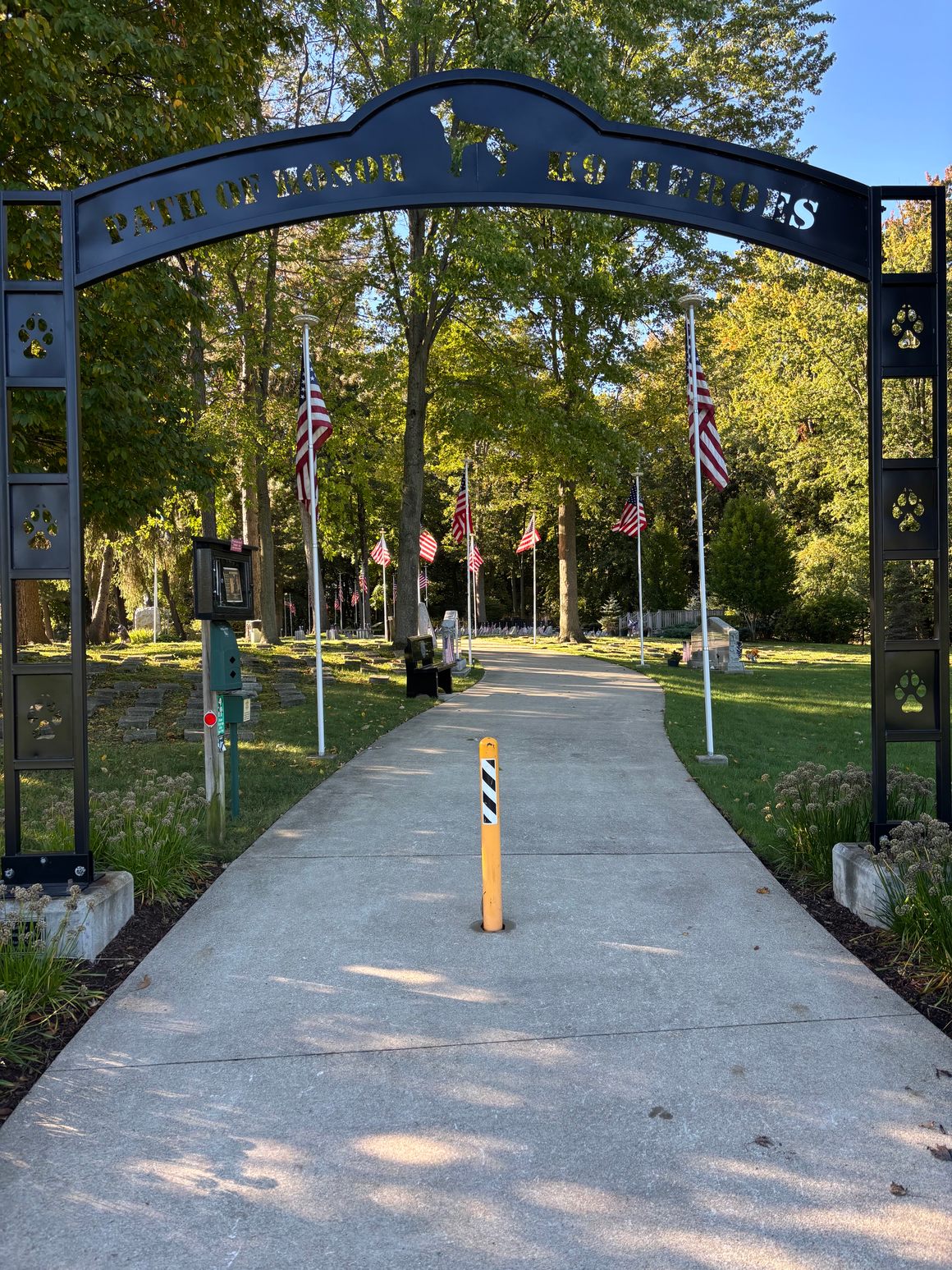
This lot was originally a family-run pet cemetery. Established in 1936, locals laid to rest their dogs, cats, and birds. Its most recognizable landmark was erected in 1946 - a hunk of granite with a German Shepard statue on top - a memorial to dogs who worked alongside the soldiers of World Wars I and II. I used to drive by on my way to work in the early 2000s, intrigued by this monument but never having time to stop by. But today, on Clint’s invitation, I finally visited. Turns out much has happened in the last couple decades. The cemetery was abandoned and nature reclaimed it for a while. Weeds and shrubs became unruly and overgrown until 2010, when Weitlauf decided he couldn’t let the cemetery stay in that state. He gathered a group of fellow veterans to clean and reestablish it with a new, special purpose: a place to honor service animals.
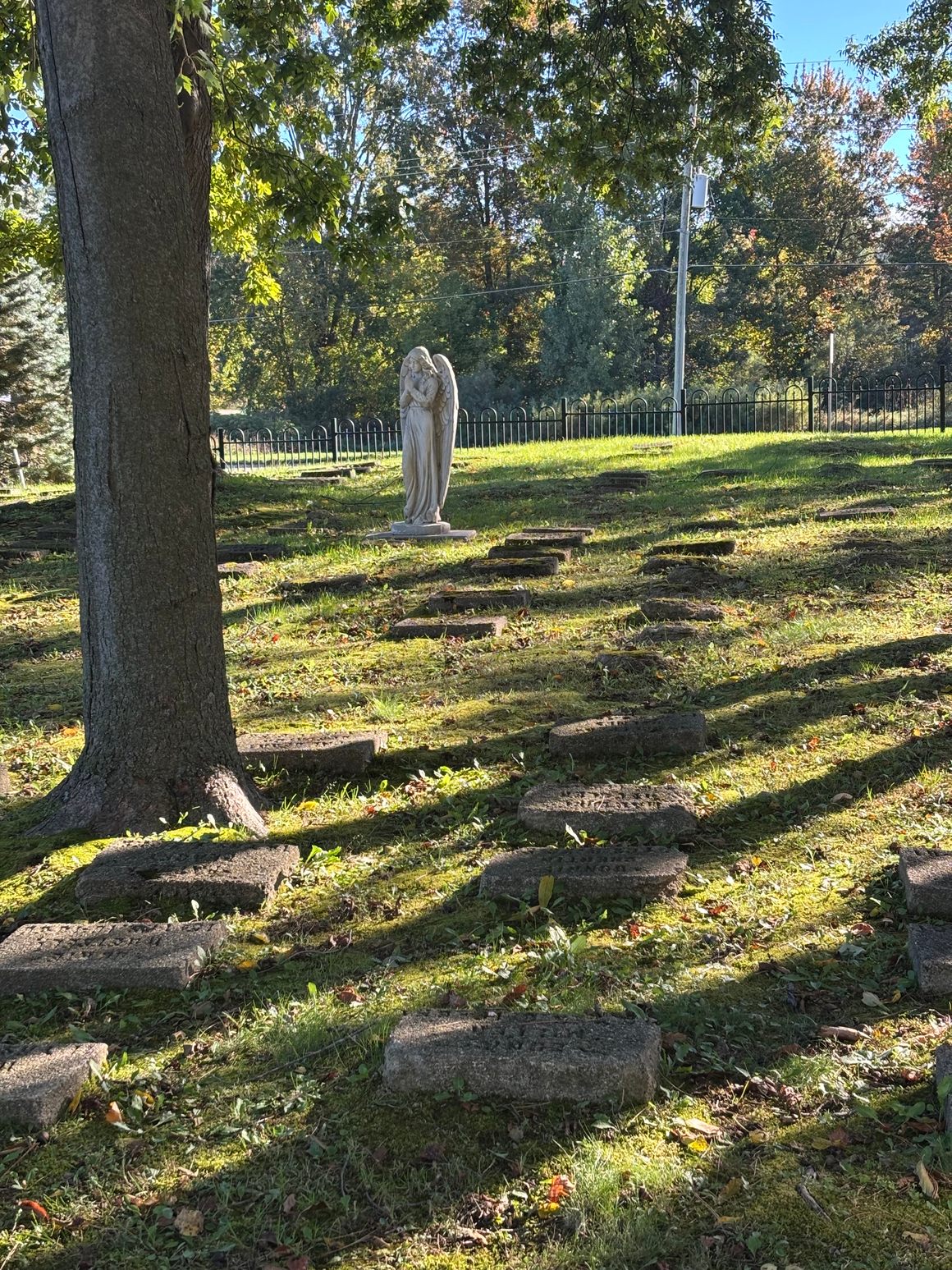
The United States officially started using dogs during the second world war, but unofficially used them in most earlier wars. Dogs serve in a number of capacities, like locating wounded soldiers and detecting explosives, and have been credited with saving many thousands of lives. They also provide companionship to soldiers during difficult deployments and often become family pets after retirement. Today, alongside the restored World Wars monument, new monuments stand for each conflict since where dogs have served.
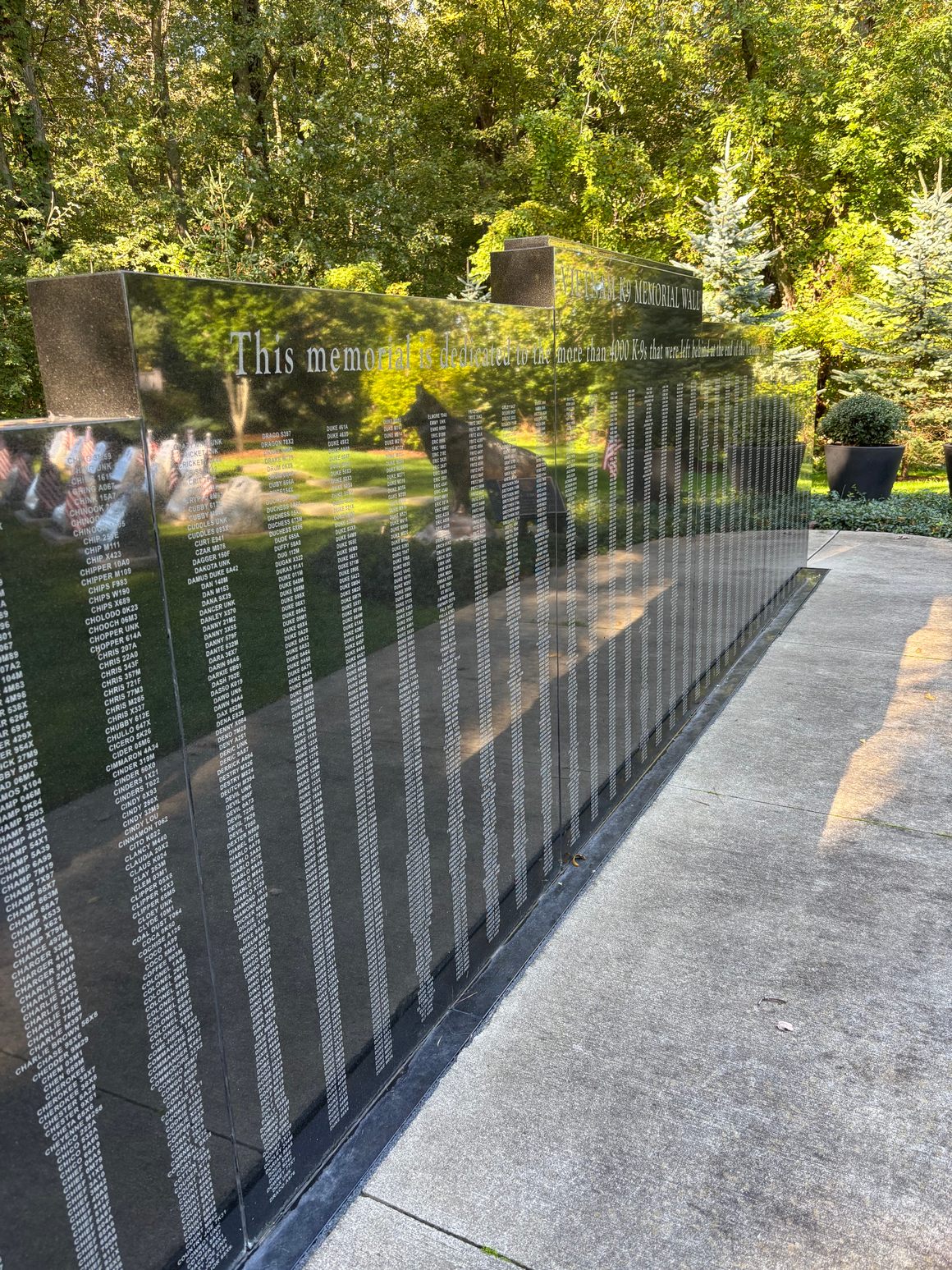
A standout is the affecting Vietnam K-9 memorial. At the end of the Vietnam War, the US government considered over 4,000 dogs surplus equipment and ordered they be left behind. The soldiers who worked with them were devastated. Later legislation made sure that wouldn’t happen again, but the Vietnam War dogs still needed acknowledgement. The monument resembles the Vietnam memorial in Washington, DC, with its massive black granite wall etched with names of the lost.
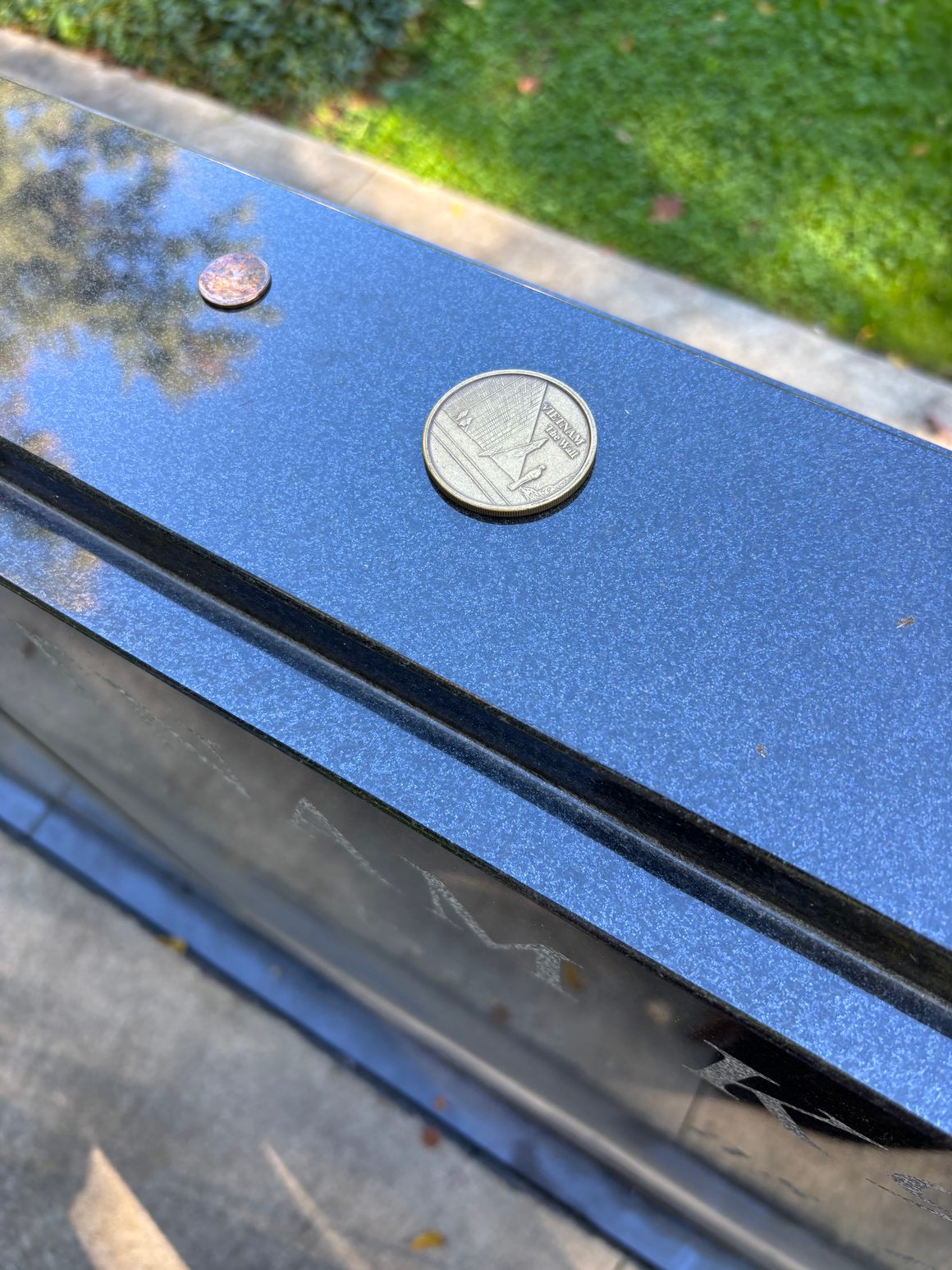
Beyond monuments, the cemetery is active. New interments are for service dogs, working dogs from the military and police, and horses from mounted units. They come from around the country and even internationally. The full service burials are free to their handlers and include honor guard, bagpipes, and a howling salute. The Michigan War Dog Memorial and cemetery has become what Clint calls the “Arlington for Dogs.” It is the only such place in the country and possibly the world.
The veterans visiting the day I was there took their time through the cemetery, sharing memories, alternately cheerful and somber. One Vietnam veteran searched for his dog’s name on the wall. It is hard not to feel emotional when considering these dogs’ lives and their impact.
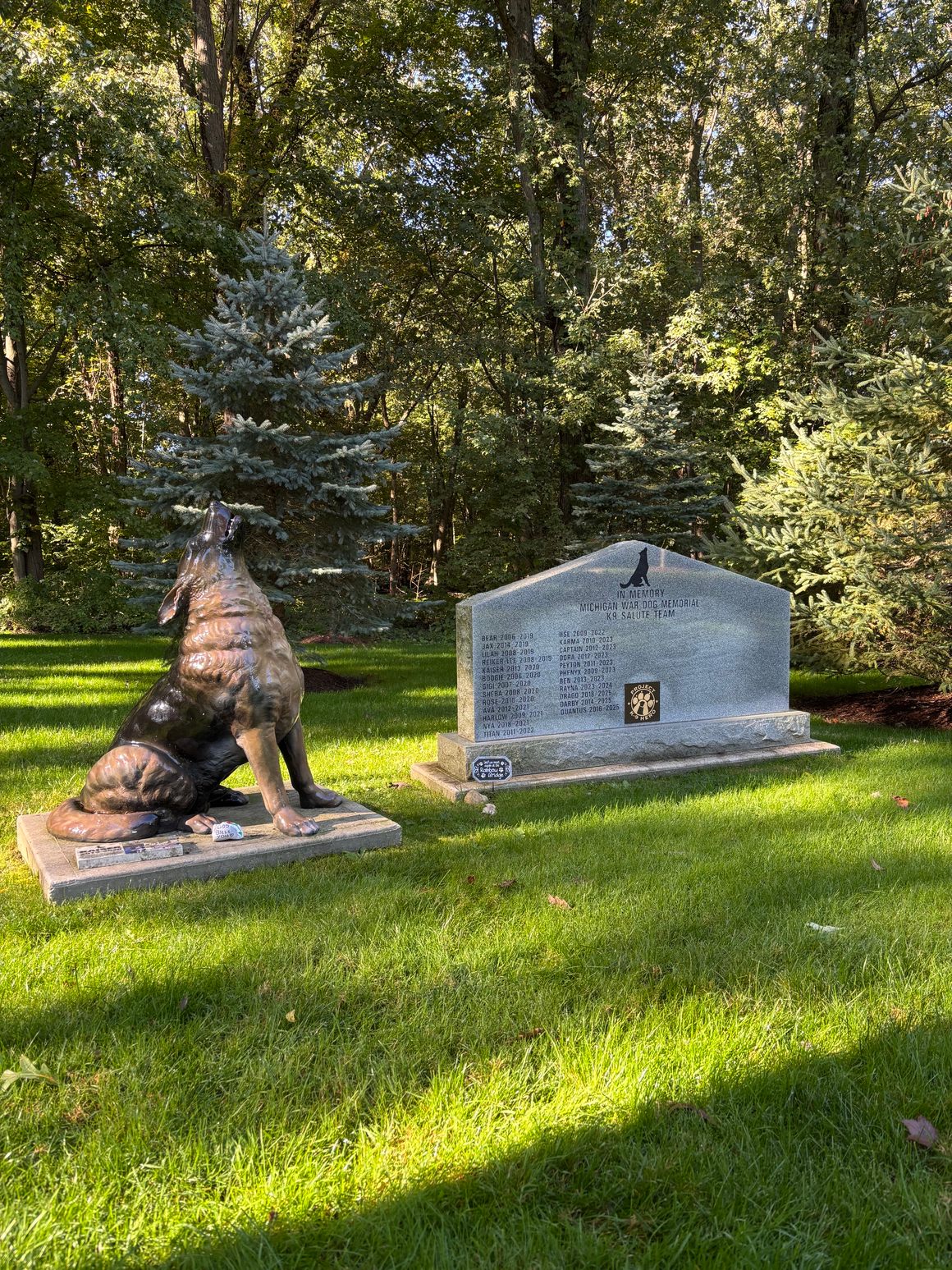
The Michigan War Dog Memorial is a nonprofit organization and the genesis of the US War Dog Memorial, through which they have built monuments in eight other states. Interments occur throughout the year and are open to the public. Donations are accepted to help cover costs and keep the service free to the animals’ owners. The memorial and cemetery is always open for visits.


