Bigfoot Footprint Records Released: Here’s What We Know
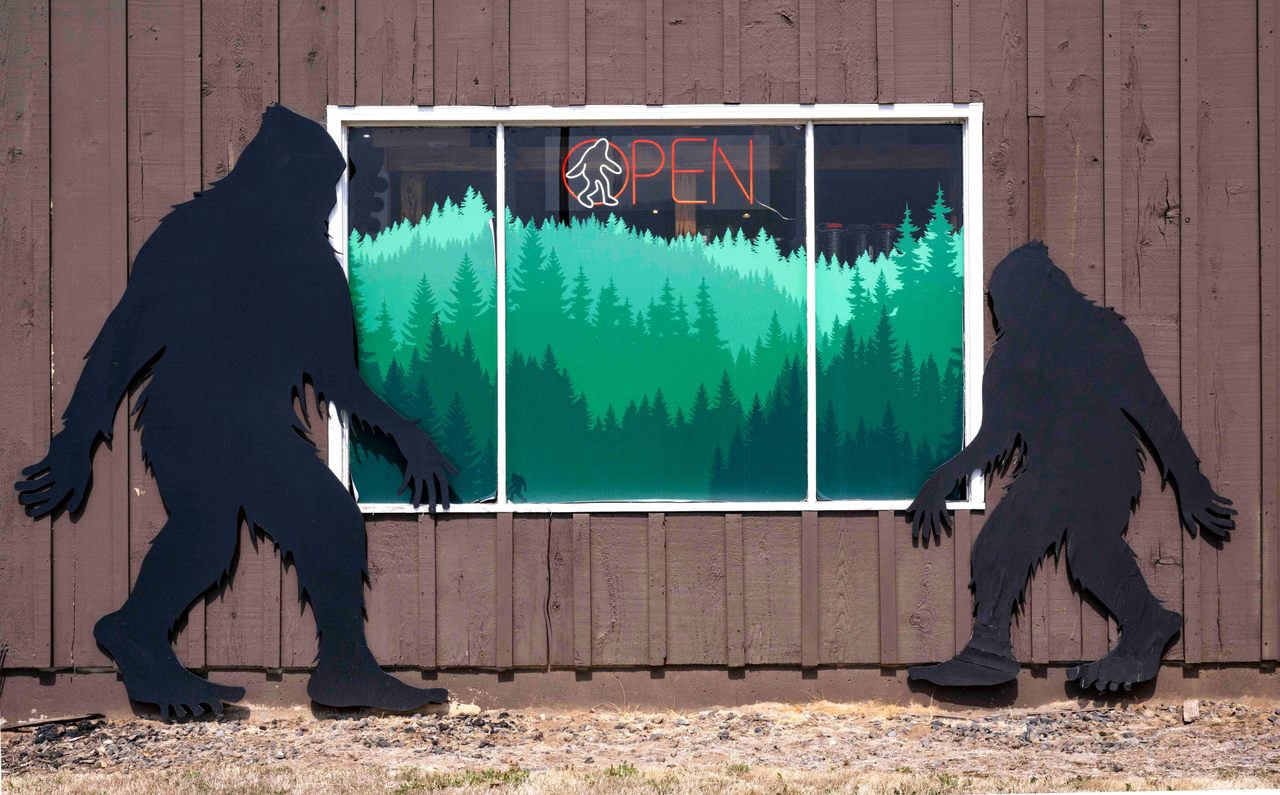

In what may be the weightiest Bigfoot news of 2026, we learned last week about the release of several government documents with cryptid claims. The most significant are two U.S. Forest Service documents focused on a series of suspiciously large footprints reported in the Umatilla National Forest in northeast Oregon.
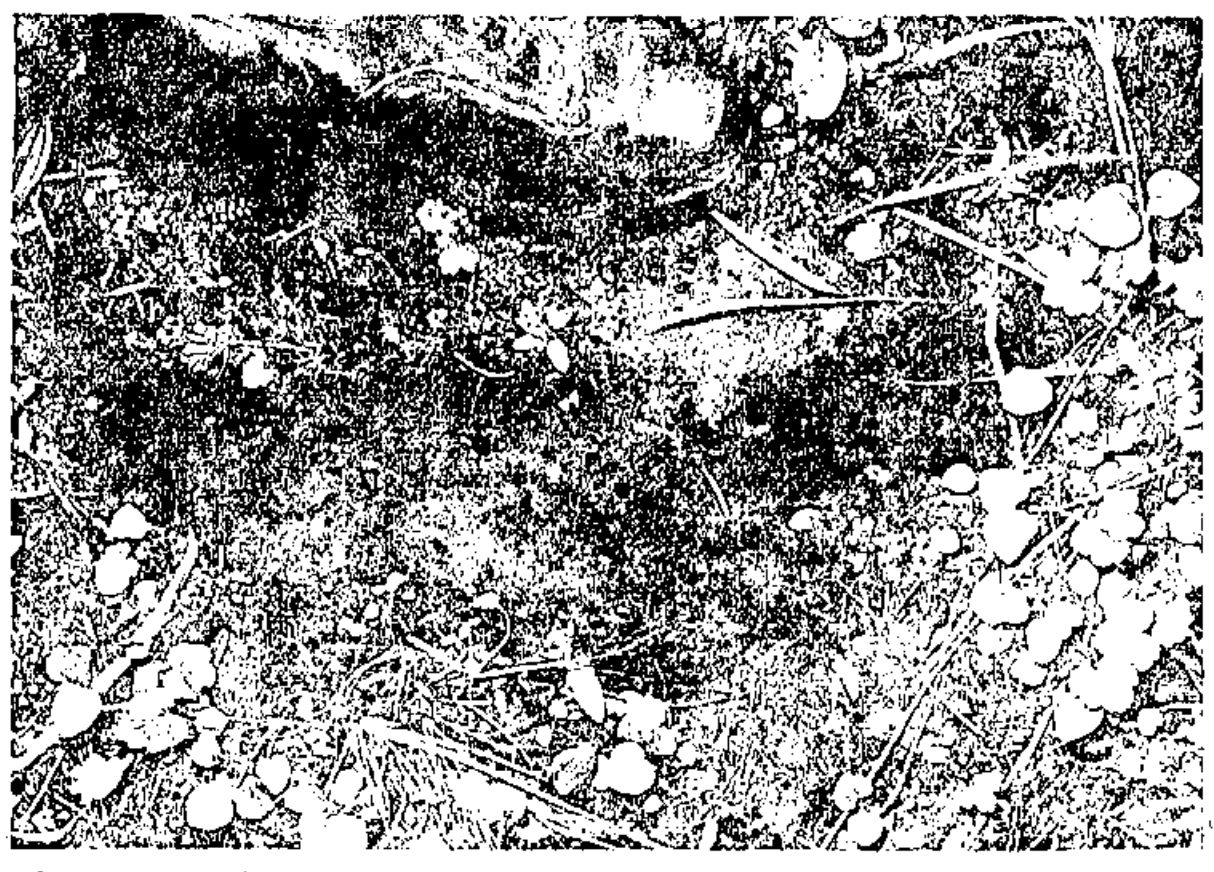
The first and most informative is a six-page report, filed in June of 1982 by Rodney L. Johnson, a wildlife biologist working for the Forest Service. It describes in detail two sets of tracks found along a hiking trail running along Low Creek. Included in the document (PDF) are photographs of the tracks and a detailed description.
The tracks are said to be 15 inches long and as wide as 7 inches. One of the photographs includes a researcher’s booted foot along the top for scale.
Several casts were made of the footprints.
Overall, Johnson’s report is detailed and precise, with clear explanations of what was found. He avoids making a definitive conclusion, but the clear implication is highly skeptical. “It is my opinion that the tracks… were made by something other than a 300 pound plus two footed being,” the report says.
Johnson highlights several reasons for this:
- The stride of the tracks did not change with the slope of the trail. The prints were consistently spaced out, which is not typical of bipedal locomotion. When humans or other bipeds walk uphill, their steps shorten.
- The tracks were not deep. The researchers found that their own boots sank deeper into the mud than the footprints they were examining, suggesting that they were not likely made by a creature larger than a man.
- The tracks had a clear beginning and end, without any evidence of an ongoing animal trail.
- The prints did not look like the smooth, calloused feet of a creature that spends its whole life on bare feet.
- At one site, it appeared that forest debris like pine needles had been swept aside before the tracks were made.
- No signs of slippage on the steep slope.
- Several prints showed signs that the foot had been “rocked” back and forth to create the print, as evidenced by the fact that some of the toe prints were wider than others.
Finally, Johnson says, “If the tracks were faked, someone went to a great deal of trouble and detail.”
The second relevant document is a one-page memorandum from Joel Hardin, a Border Patrol agent. Hardin cites many of the same issues as Johnson and flatly states his opinion that “the tracks were a very clever attempt to perpetrate a hoax.”
Nevertheless, Hardin concludes, “It was a pleasure and a privilege [sic] to investigate ‘Bigfoot.’”
The other documents released last week are far less probative. One is simply a 2003 newspaper article about a reported Bigfoot claim. The other is a lengthy personal account from a longtime resident of Petty Creek, Montana, describing a suspicious hunting trip from the 1940s. The account, which was written out in 1980, suggests that a Bigfoot-like creature made off with an elk that had been shot by hunters. Crucially, however, the resident specifies that no such creature was seen. Rather, the hunters heard suspicious noises and surmised that a giant creature may have been responsible.
Atlas Obscura has everything Bigfoot- and cryptid-related you could need. Check out our guide to the best cryptid museums and festivals across the U.S. Or check out the 10 places to visit if you want to believe in Bigfoot.






Follow us on Twitter to get the latest on the world's hidden wonders.
Like us on Facebook to get the latest on the world's hidden wonders.
Follow us on Twitter Like us on Facebook