
The British Overseas Territory of Saint Helena is a tiny volcanic island sitting in the middle of the South Atlantic Ocean. First discovered by the Portuguese in 1502, the subtropical Island became a convenient provisioning stop for explorers and sailors voyaging between the Old and New Worlds. Saint Helena was settled by the British in 1659 and has remained connected to the United Kingdom ever since. The Island was declared a British Dependent Territory in 1981.
The capital of Saint Helena is Jamestown, with a population of 625. Jamestown sits in a narrow valley wedged between steep volcanic cliffs.
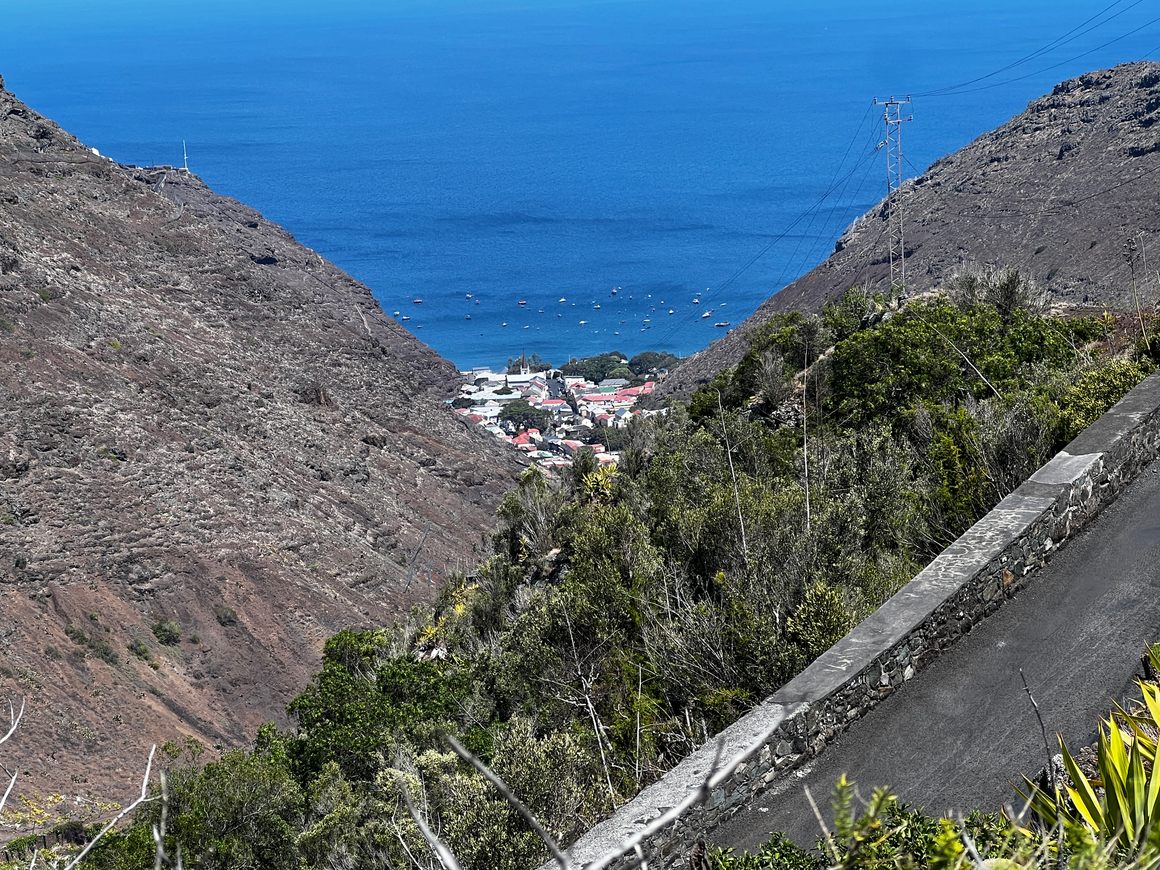
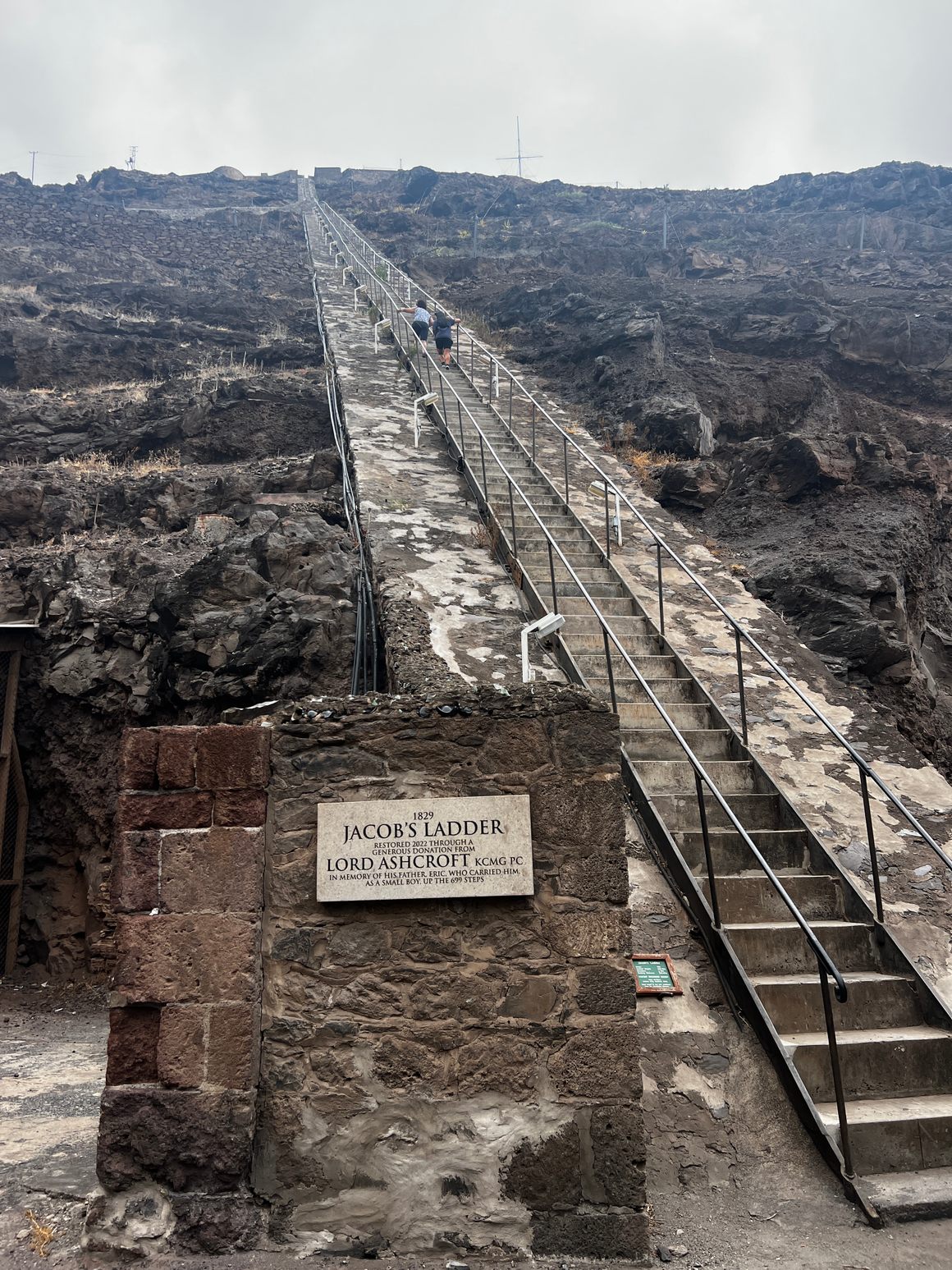
The city has 100 Listed buildings designated "of particular architectural or historical interest deserving of special protection." Recognized for its Georgian British Colonial architecture, Main Street is considered one of the most original, unaltered 18th-century streetscapes in the world. It is connected to the heights above by the 699-step Jacob's Ladder staircase.
Saint Helena's location, quite literally "in the middle of nowhere," made it an ideal place to stash a problem, and the British had a big problem to stash in 1815. Following the Battle of Waterloo, the British exiled Napoleon there. He had previously escaped from exile on Elba. Hence, the British chose the highly isolated Saint Helena Island as a permanent prison to prevent him from escaping or launching further military campaigns.
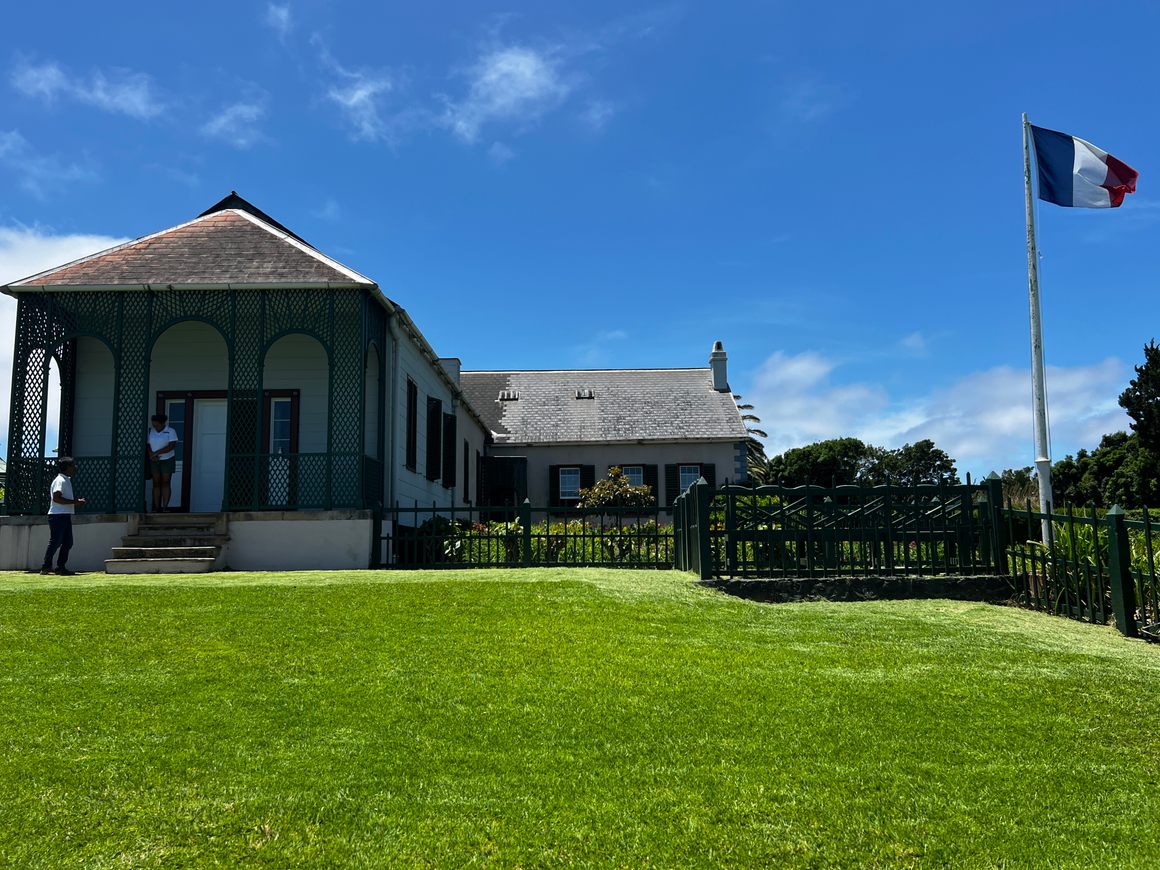
Visitors can tour Longwood House, where Napoleon was imprisoned until his death almost six years later. The house and property are now a museum belonging to the French Government, and the French Tricolor flies proudly outside. Filled with period furnishings, the room where Napoleon died is of particular interest, as is one of his original death masks. The property's gardens were designed and cultivated by the emperor himself.
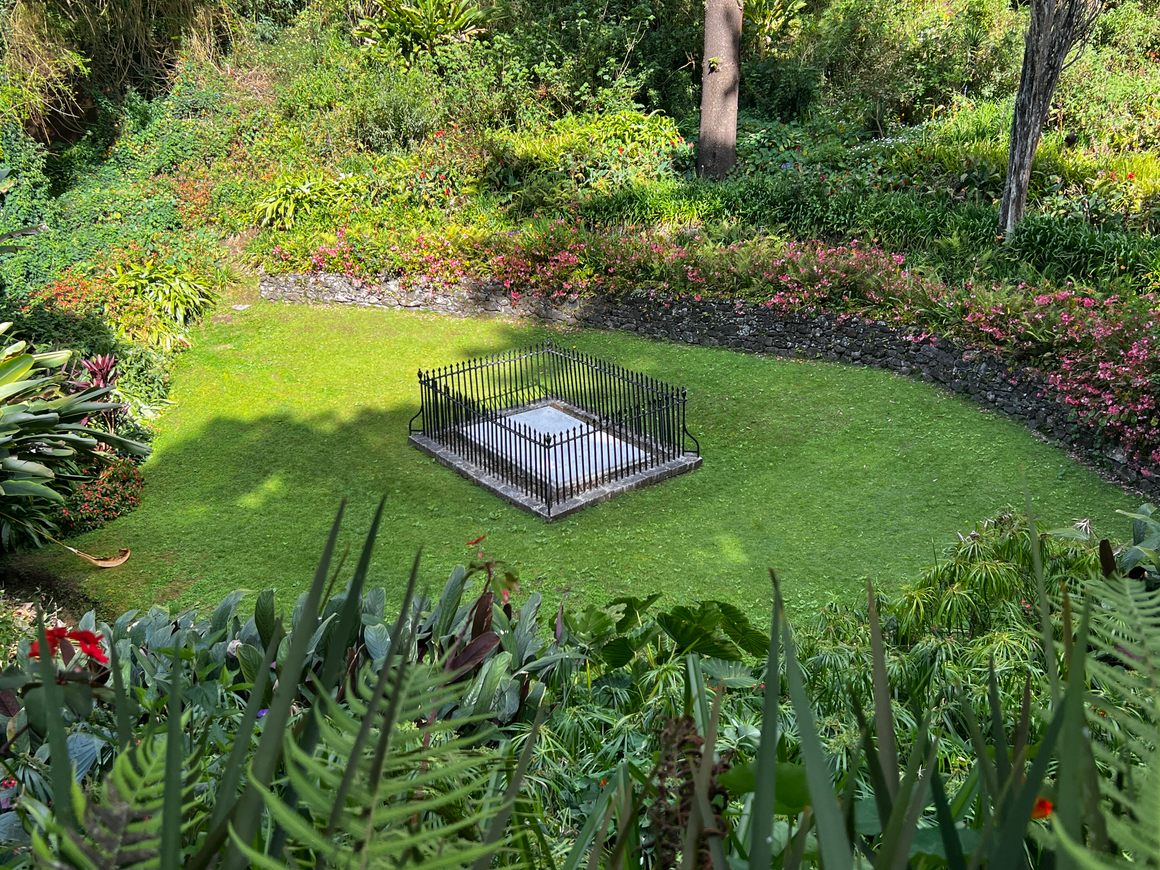
Two kilometers from Longwood House is Napoleon's original gravesite. Knowing he would never leave St. Helena to return to France, he chose the location himself. The area is called the Valley of the Tomb. It is a stunning setting. The grave sits in a beautiful green clearing surrounded by a wrought iron fence. Napoleon was interred there from 1821 until the repatriation of his body to France in 1840.
Because of its extreme isolation, Saint Helena is a literal hot house of endemic organisms. There are over 500 species of flora and fauna unique to the Island. Many have fanciful yet descriptive names, such as Diana's Peak Grass, St. Helena Butterflyfish, Spiky Yellow Woodlouse, and Blushing Snail. (It really blushes.)
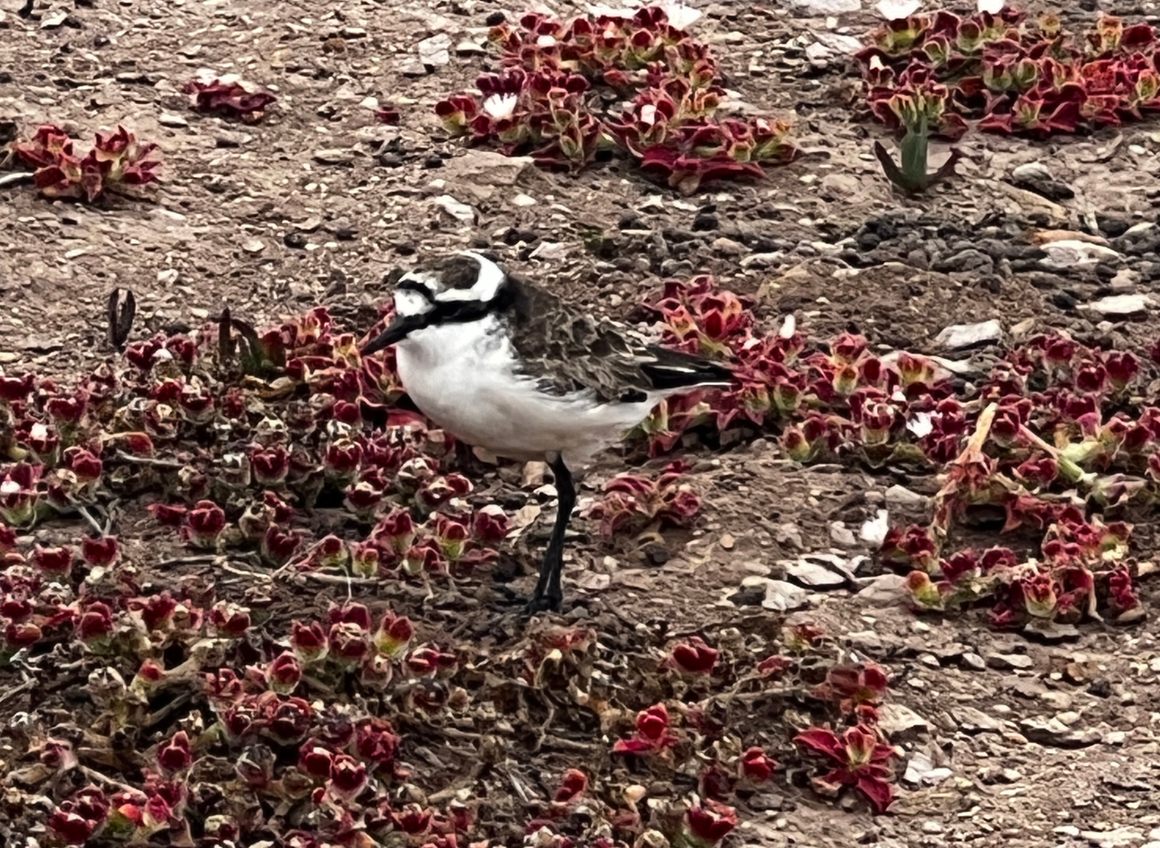
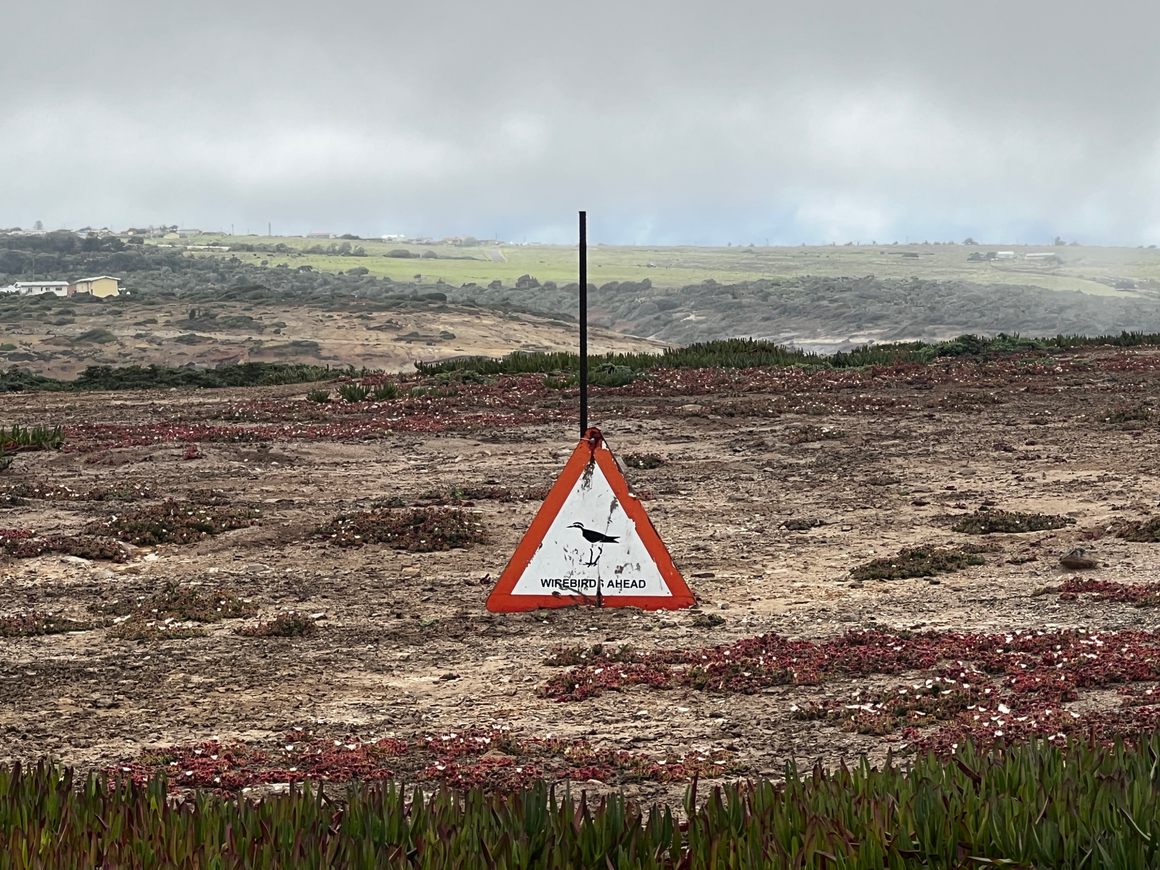
Perhaps the Island's most cherished endemic is the St. Helena Plover, more commonly known as the Wirebird. Named for its long, wiry legs, the bird is the country's national symbol and appears on St. Helena's flag and coat of arms. Birding enthusiasts travel from all over the world to add this exceptionally rare creature to their Life Lists.
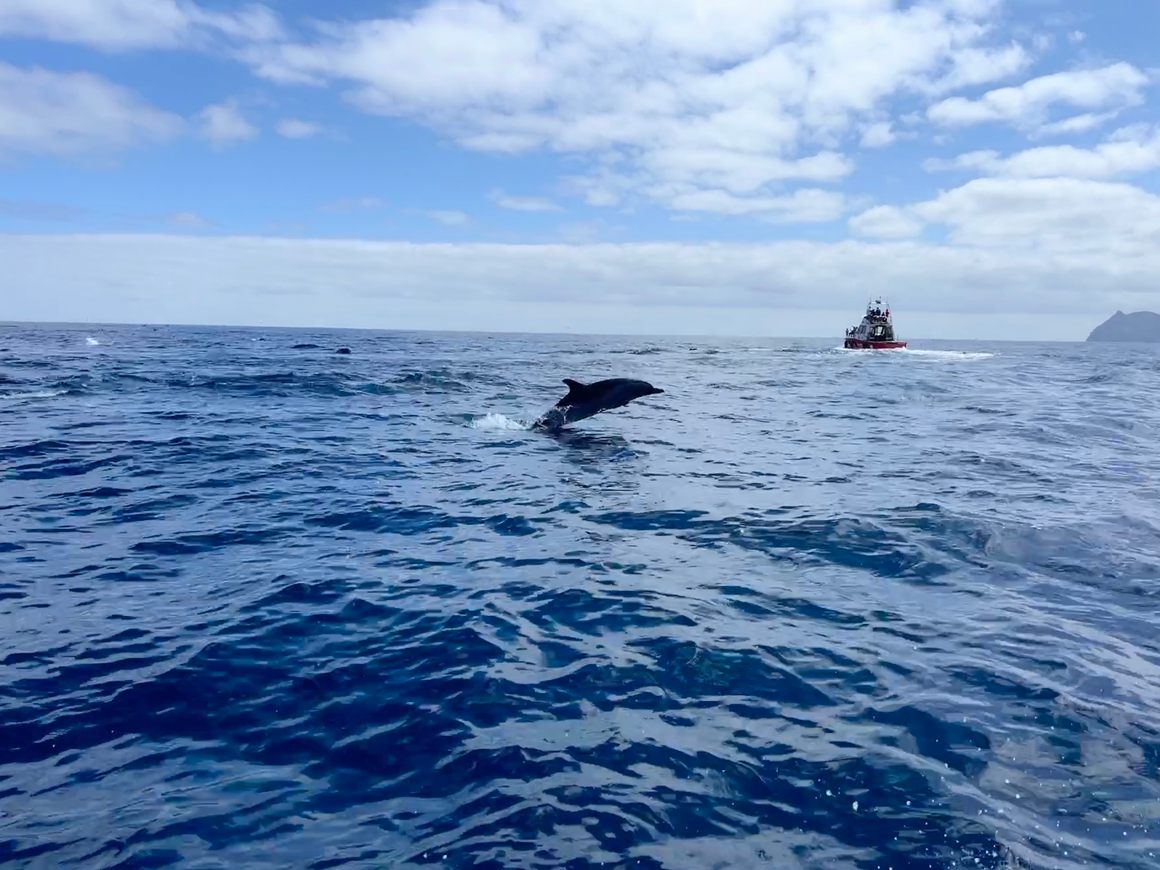
The waters around the Island teem with marine life, and a visit should certainly include time in and on the water. Annually, from December to March, the Island is visited by Whale Sharks, the world's largest living fish. It is believed that the enormous creatures come to the waters of St. Helena to breed. They are so docile that swimming with them is permitted, and several boating outfits offer these services. All interaction with the animals is strictly regulated.
No trip to Saint Helena would be complete without visiting the tortoises. There are presently four giant Seychelles tortoises living on the grounds of Plantation House, the official Governor's residence. The most famous of the group is Jonathan. At the grand old age of 194 years, Jonathan is considered the world's oldest living land animal, and meeting him is a thrill of a lifetime.
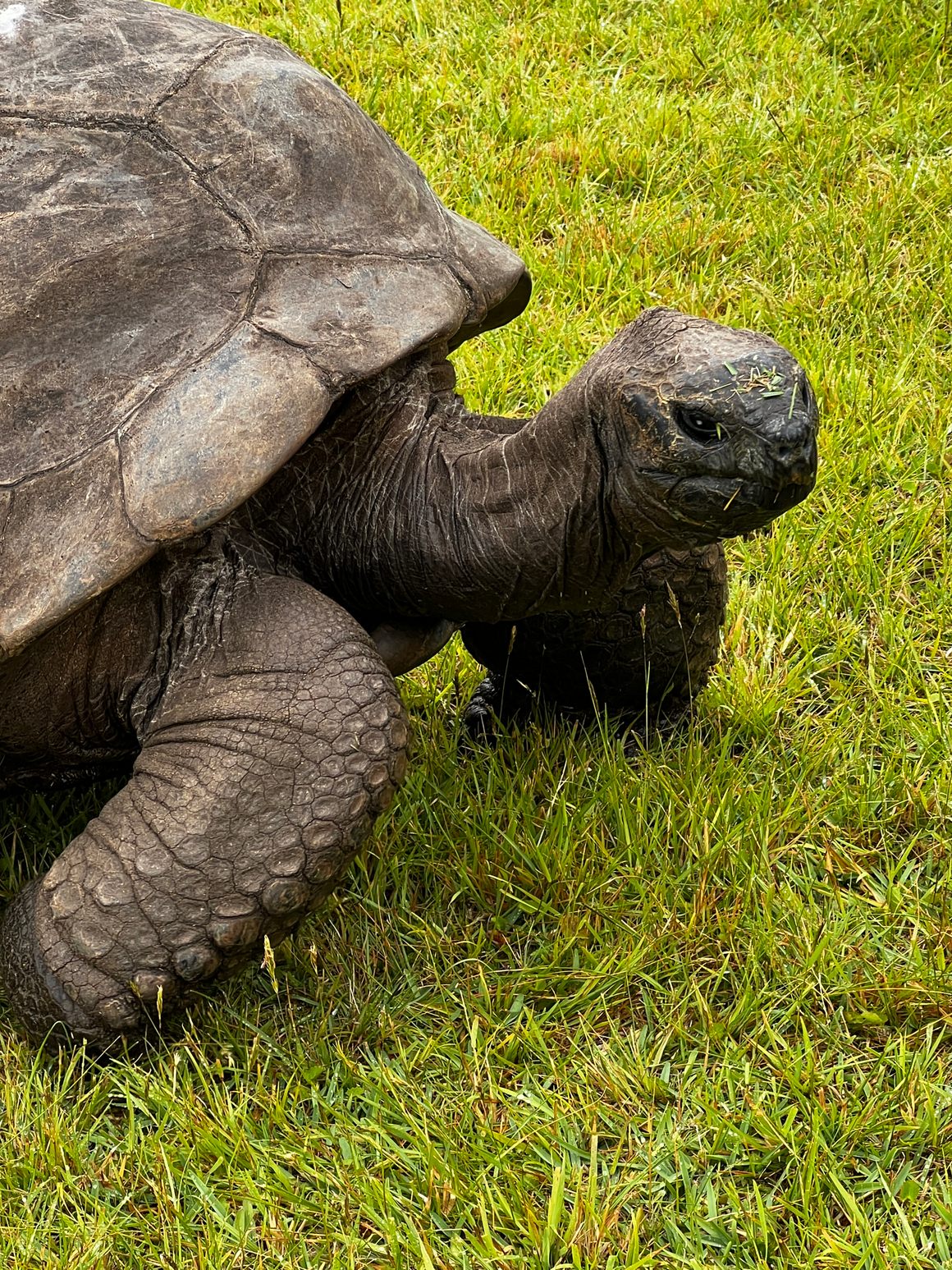
Jonathan was hatched around 1832 and brought to Saint Helena in 1882. There is a dated photograph of his arrival on the Island at approximately age 50, when he was presented as a gift to the Island's Governor. Live giant tortoises were once carried on sailing ships as a source of fresh meat. The animals required almost no food or water, could be stacked in a ship's hold, and tasted good. Jonathan escaped such a grisly fate.
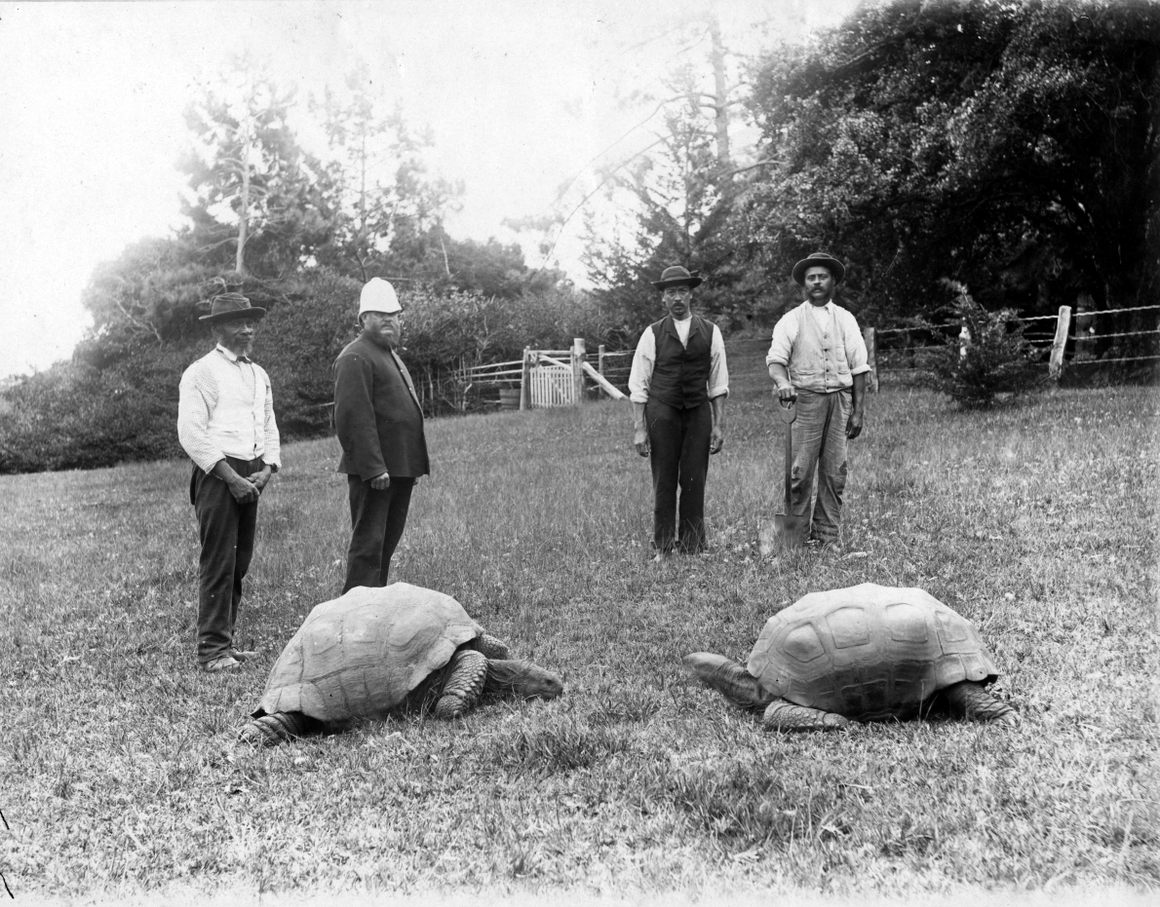
In his lifetime, there was the invention of the lightbulb and the telephone, the first airplane flight, and the first Moonwalk (on the Moon). He lived through the American Civil War, both World Wars, and the rule of seven British monarchs and dozens of U.S. presidents. Now blind from cataracts and without a sense of smell, Jonathan spends most of his time eating and attempting to mate with his three companion tortoises, David, Emma, and Fred. He is a cherished Saint Helena icon and even depicted on the country's money and stamps.
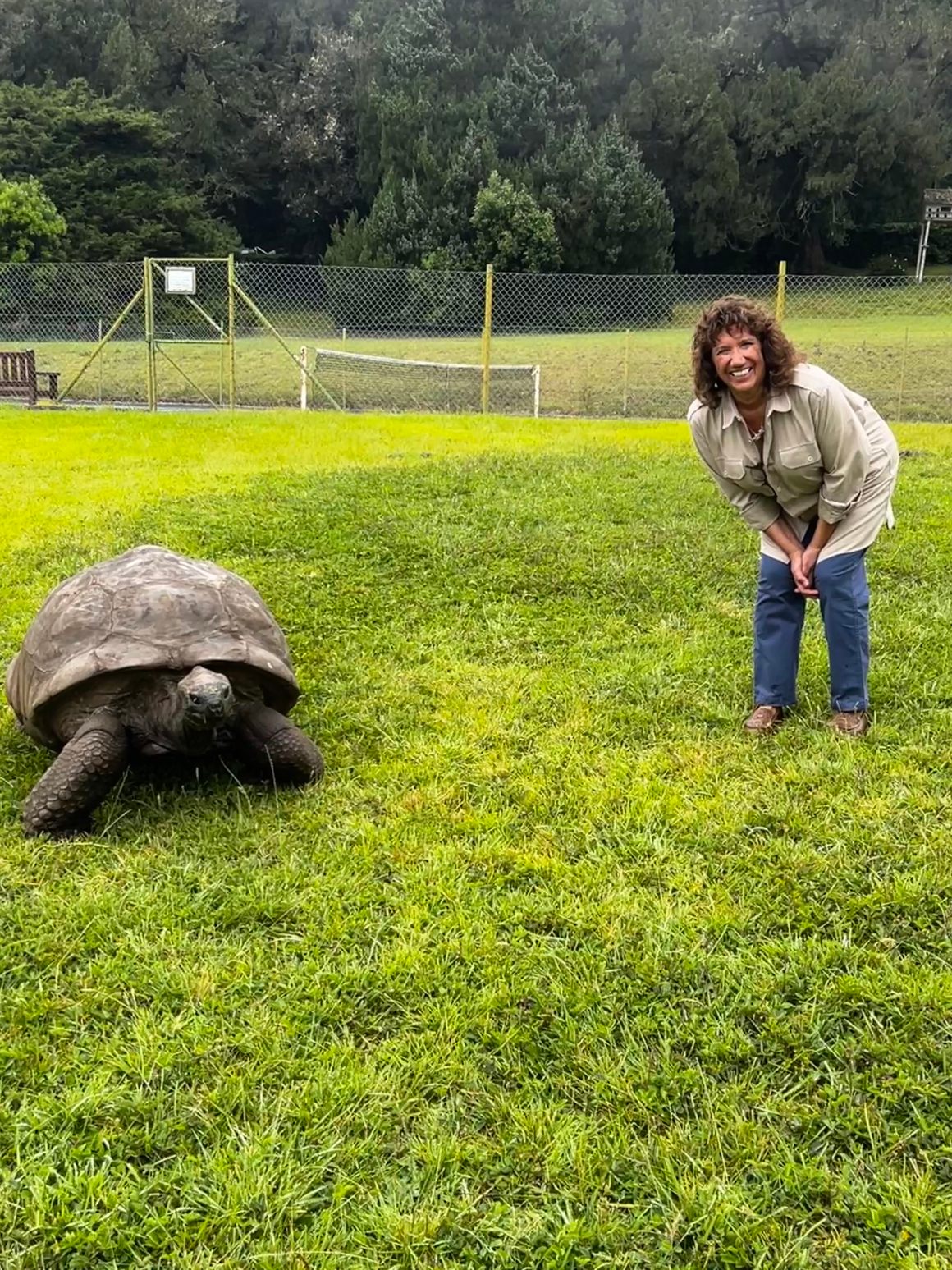
After spending time with the tortoises in their spacious paddock, visitors can indulge in a cream tea in the mansion featuring the most amazing scones, jam, and clotted cream.
Visiting the Island used to require an arduous 4 to 5-day voyage from Cape Town, South Africa, on the Royal Mail Ship. But in October 2017, St Helena Airport (HLE) opened to commercial passenger aircraft, and there are now regularly scheduled flights to Jamestown. I hope to return to the Island for Jonathan's 200th birthday. I know the Saints (as they call themselves) are planning an epic celebration.
