

Scientists don't get nearly enough credit for how physically tough their jobs can be. The stereotype is someone in a lab coat who never breaks a sweat. Fieldwork destroys that idea. You crawl through brush, climb over rocks, and handle wild animals that would very much prefer you didn't. I recently spent two weeks watching a penguin biologist dive into bushes and, more or less, wrestle penguins. Field scientists are seriously tough.
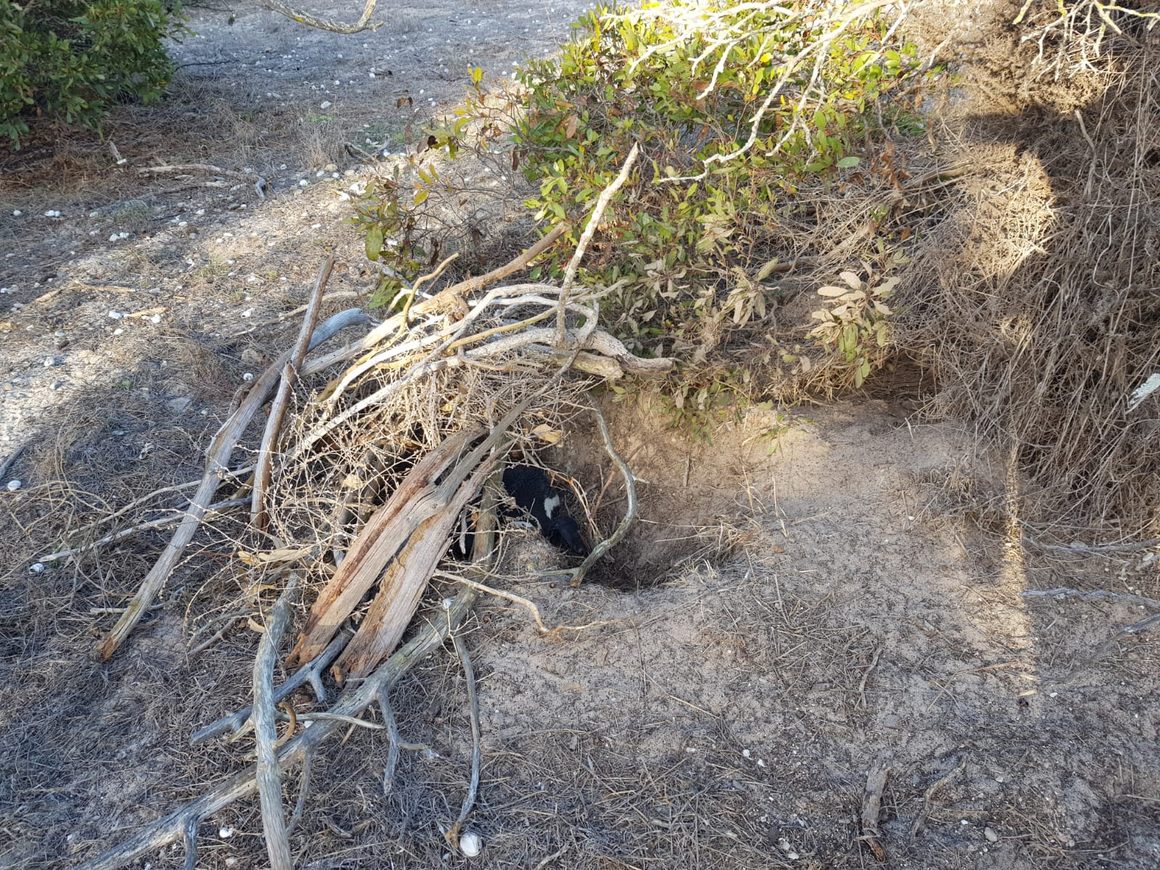
That experience was the South African Penguin Project on Robben Island, just off the coast of Cape Town. I travel so much for work that I've started spending my personal trips volunteering on scientific expeditions. It's a way to give back and learn a new skill at the same time. My first expedition taught me to map archaeological trenches near Angkor in Cambodia. This one put me on an island in South Africa, tagging and handling African penguins.
An Island of Contrasts
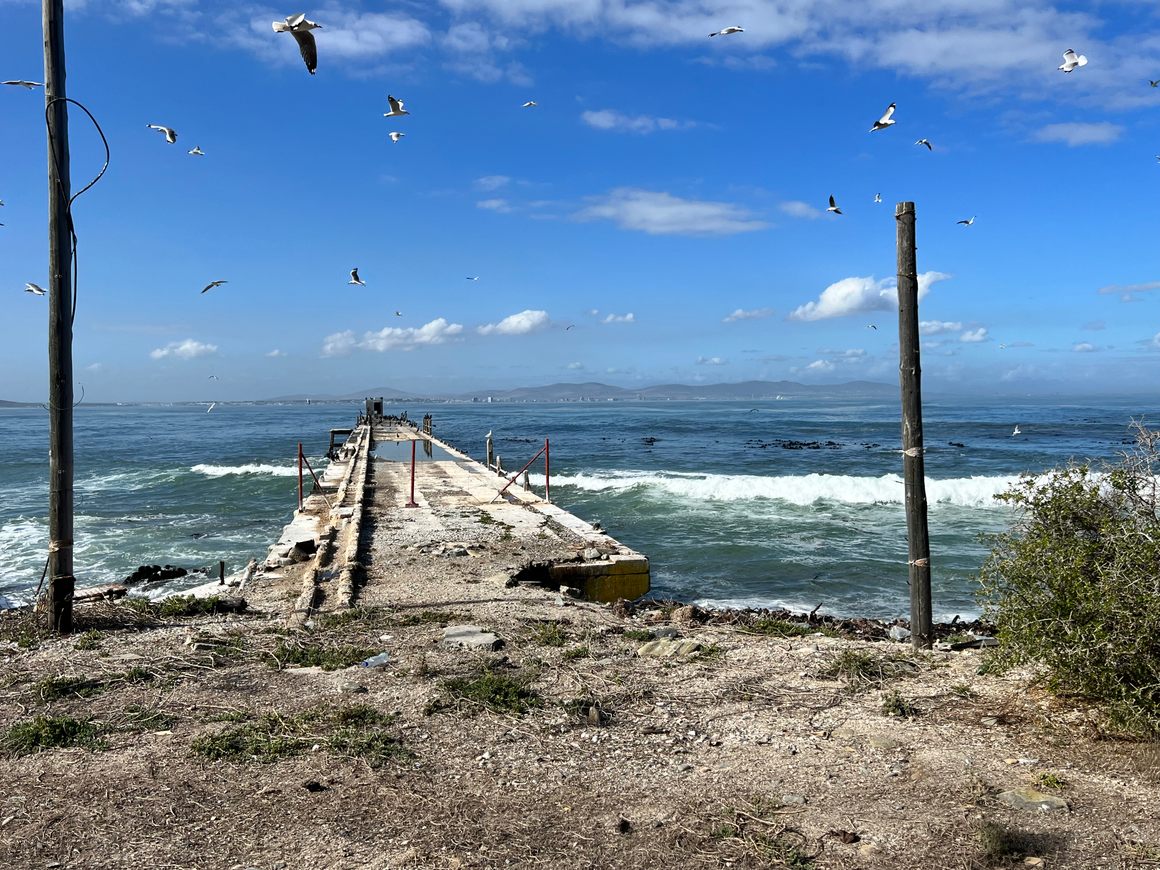
Robben Island is one of the most remarkable places I've ever been. One minute you're crossing open plains dotted with African trees, with Table Mountain rising behind Cape Town across the water. A few steps later you're on a beach covered in sand, shells, and penguin footprints leading up the "penguin highways," the regular routes the birds waddle between the sea and their nests.
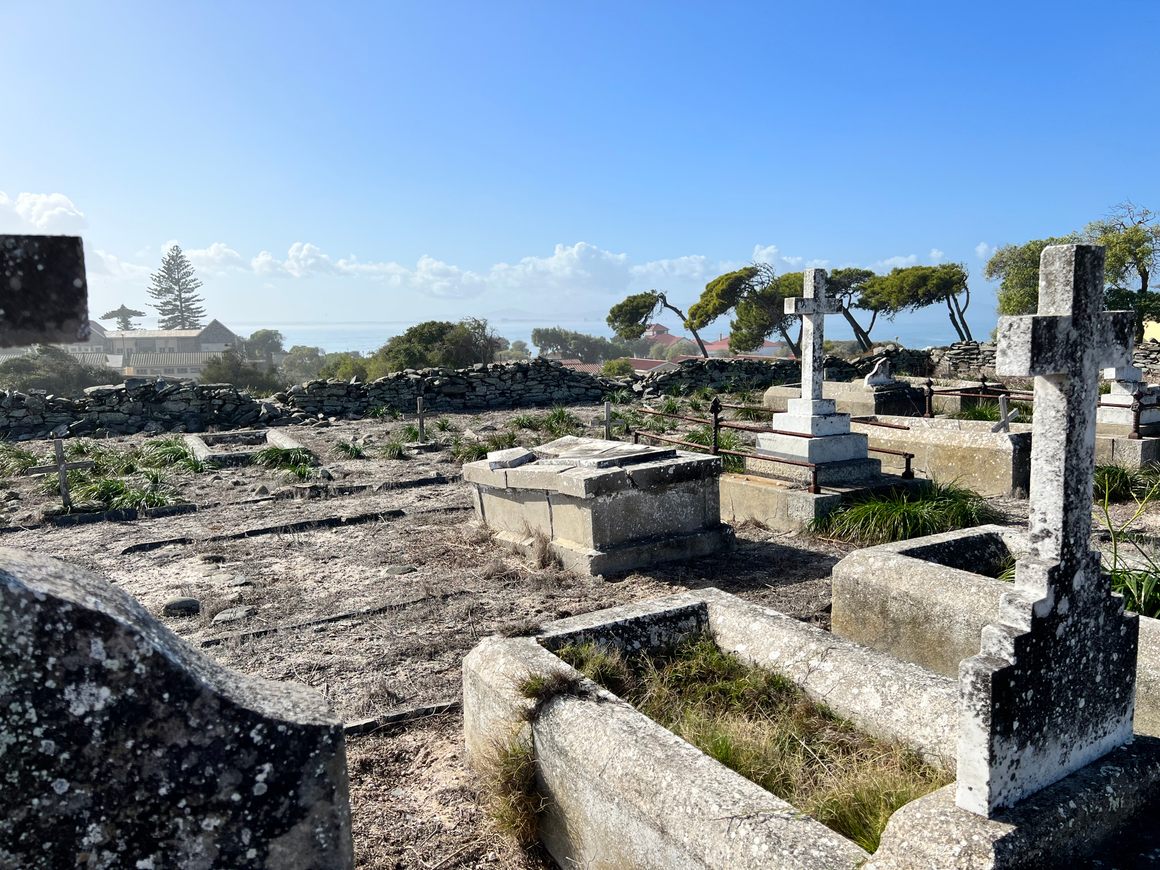
The island's human history is just as layered. It held a leper colony, served as a military post during the Second World War, and, most famously, housed the prison where Nelson Mandela spent much of his incarceration. Wandering the island, you pass empty houses, wartime bunkers, old and newer prison buildings, a historic lighthouse, shipwrecks on the shore, and penguins peeking out at you from every direction.
Visitors can take the official tour, which covers the maximum-security prison and includes a bus loop of the island. It's not the best way to see the island's wilder side, but as an introduction to its political history it's powerful, especially because our guide was a former political prisoner there. Keep an eye out during the bus ride, and you might spot a penguin or two peering out of a nest.
Why the Penguins Need Help
African penguins are in deep trouble. The species was recently uplisted to Critically Endangered, and its numbers have collapsed over the past century. The Robben Island project helps researchers understand why the population is declining and monitors (and hopefully helps grow) the colony there. It's part of a broader effort by scientists and government agencies to protect the best remaining habitat and support the colonies with the best chance to thrive.
The main culprit is food. The penguins rely on small fish like sardines and anchovies, and those stocks have been squeezed by commercial fishing and shifted by changing ocean conditions, pulling the fish, and many penguins, away from traditional colonies. To test whether easing fishing pressure helps, authorities have experimented with closing the waters around Robben Island to purse-seine fishing, alternating the closures in multi-year blocks with another island colony. While we were there, the nests were full of plump, well-fed chicks, an encouraging sign that food was in good supply that season.
Nest Rounds and a Penguin "Lightsaber"
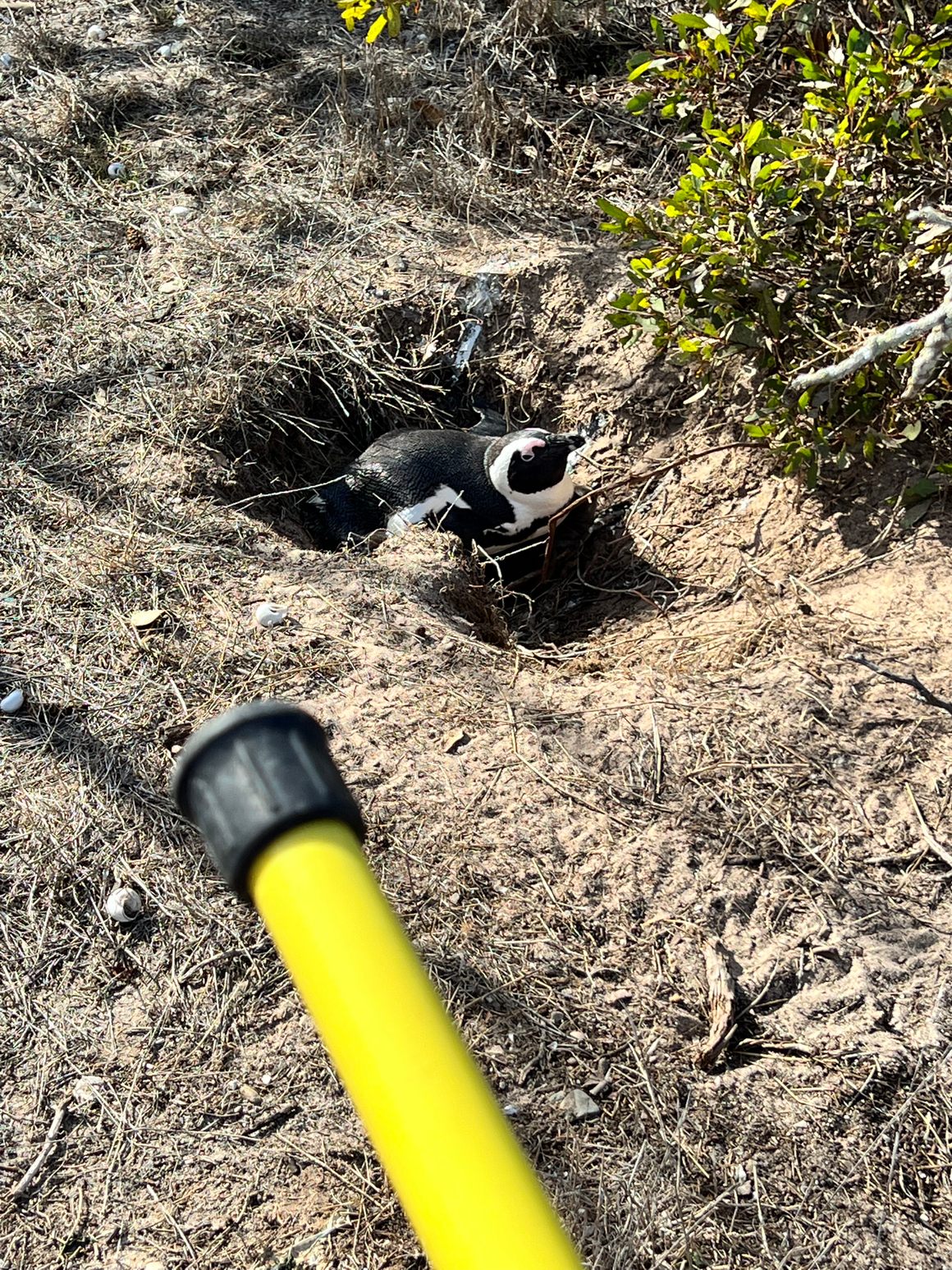
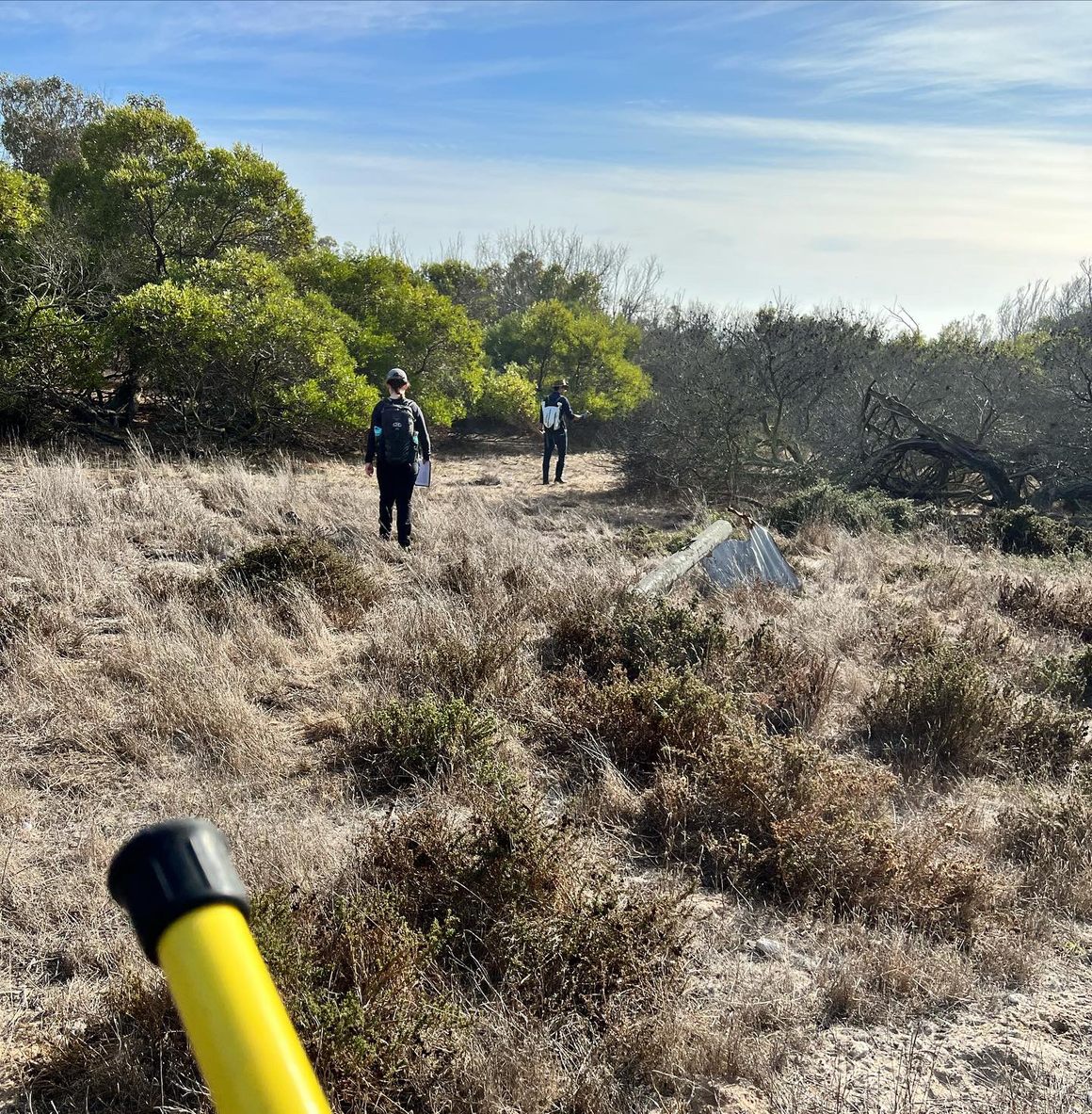
After we settled into the research house, our first full day was spent on nest rounds, checking marked zones and recording the status of each nest and the adults and chicks inside. My favorite job was scanning for tags. Many penguins carry a tiny transponder tag, and you check for it by waving a scanning wand (which looks exactly like a lightsaber) near the bird's leg. If the bird is tagged, the wand displays its ID number, which lets the team track who is nesting where and how each bird's breeding is going.
Most penguins head out to sea in the morning and return in the evening, so that first evening we walked the beaches and penguin highways counting birds and looking for juveniles in moult. The next day we checked the artificial nest boxes that earlier researchers had placed around the island. A few were in use, but most penguins preferred to dig their burrows under thick bushes and trees, deep in the bramble.
I was surprised by how tolerant many of the birds were. Plenty of the penguins in the study colony are used to researchers and simply wait for you to move on. Get too close to a chick, though, and a parent will swing its head slowly side to side, a classic penguin warning. A few feisty individuals bit at the scanning wands, and we heard legendary stories about birds that used to chase researchers out of their territory. On the whole, though, they were defensive but accommodating.
Tracking Penguins at Sea
That afternoon we helped fit small GPS loggers to selected adults to learn where they find food. Penguin parents share incubation and chick care, trading shifts so one can feed at sea while the other stays at the nest. That predictable rhythm is what makes tracking possible: a logger goes on one day, and the team retrieves it a couple of days later, when the bird's turn brings it back to the nest. The data reveal exactly where the penguins are foraging.
Weighing Chicks (and Dodging Poop)
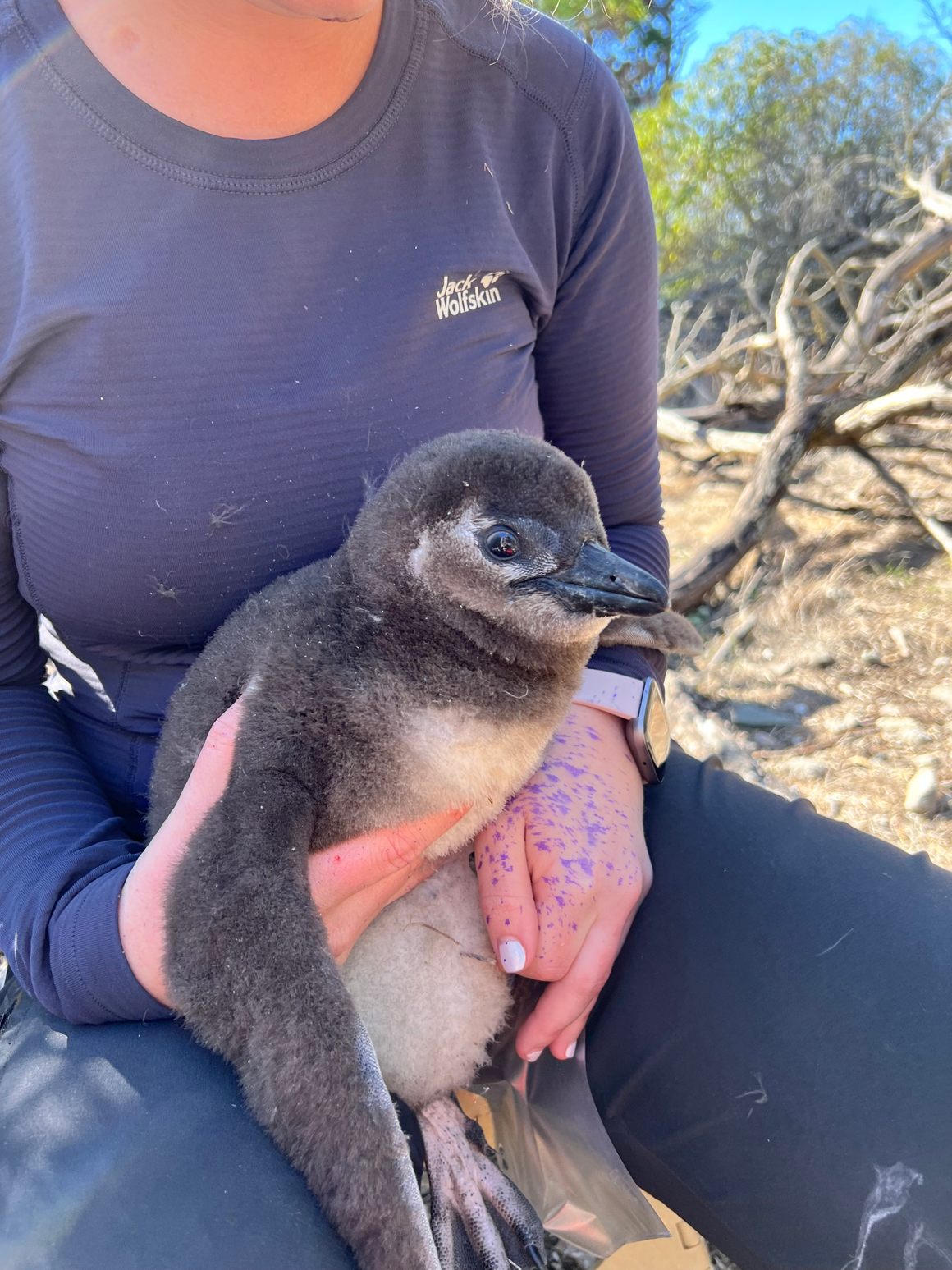
The highlight of the trip came on days three and four, when we weighed and measured chicks. The team grades chicks from P0 (newly hatched) to P4 (nearly ready to fledge). The smallest ones are left completely alone, so we searched out the larger P2s, P3s, and P4s across the island. For each chick, we measured the head, recorded its weight, and sometimes collected a fecal sample. Lifting a baby penguin almost always produces one, so samples were easy to get. Scraping them off our clothes was another matter. On the second day of weighing, we also fitted transponder tags to chicks and gathered extra measurements and feather samples.
Every chick is handled for as little time as possible. If you're working with two at once, there's a lovely trick: crouch down and let the second chick tuck itself beneath you, between your knees. It burrows in instinctively and settles down because the position feels like being brooded by a parent.
By the end of the first day and a half, I'd become a pro at crawling through bramble into nests, distracting a parent, and lifting a chick out. Returning them was its own art. Chicks usually dash straight back to their parents, but adult penguins instinctively peck at anything entering the nest. That makes sense when mongooses and other predators are around. So a parent will sometimes peck its own chick for a moment before recognizing it. With smaller chicks, we'd shield them briefly as they went home. Bigger chicks shrug it off.
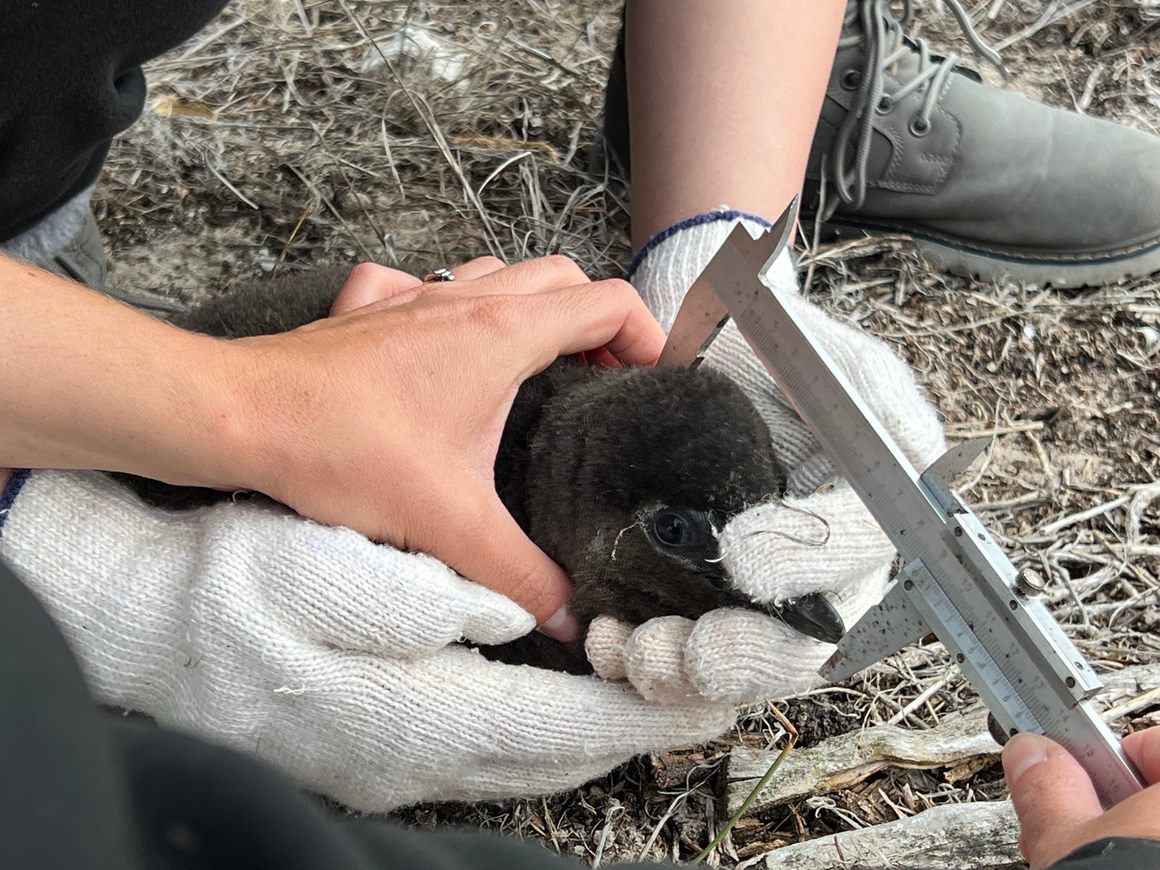
Weighing matters because it shows how each chick compares with the expected growth curve for its age. Chicks that fall too far below it are unlikely to survive on their own, so they can be taken to a seabird rehabilitation center, raised to a healthy weight, and released. Happily, most of the chicks we checked were in great shape. The team also takes care to disturb each nest only once a week whenever possible, except to retrieve GPS loggers.
Handling chicks meant coming back covered in fluffy down and a lot of poop, so on chick days we ran special loads of "penguin laundry." It was completely worth it.
Game Counts and Gull Chaos
A couple of evenings, we rode in the back of the team truck to count the island's other residents: springbok and steenbok (two species of antelope) and fallow deer. We drove from the penguin side of the island out across its open, savanna-like interior.
Our research house, meanwhile, happened to sit in the middle of that year's gull breeding grounds. The screaming went on all day and all night. Somehow you tune it out after a few days, though a gull shrieking outside the window at 2 a.m. still jolted me awake more than once. One afternoon a gull flew straight into the house. Two of my teammates chased it down the hall as it made a beeline for my room, where, naturally, it left a little present on my floor.
A Team That Becomes a Family
Fieldwork is always special because of the people. For two weeks, our team lived together like a family. We shared cooking and cleanup, worked hard side by side, and laughed a lot in between. We discovered a collective love of juice, tomatoes, and a chocolate-covered wheat biscuit we couldn't stop eating.
I came home with a deeper love of penguins than ever and a lot of respect for the scientists working to save them. I hope to return to this team, and to African penguins, again.
Read more about my conservation fieldwork and adventures around the world at MaloriesAdventures.com.


