
“We travel, initially, to lose ourselves; and we travel, next to find ourselves.”
— Pico Iyer
On March 2, 2020, I flew home to Atlanta from South Africa — two weeks before the world stopped. By the time the lockdowns arrived, I had already done — alone, in another hemisphere — what the planet was about to be forced to do. I had paused. I had reflected on a life. I had found, through travel, the transformation I had been seeking — and I had only just begun.
Twenty-eight years of corporate life had ended in a single page of legalese. I had given two decades to one company, building spreadsheets that built strategies that built quarterly outcomes — and then, in an afternoon, the structure that organized my days was gone. Home would not have done it. I booked a month in South Africa with two things on the calendar: a silent retreat, and a week of volunteer work. Everything between would be improvised.
The Dharmagiri Sacred Mountain retreat sat in the green hills of KwaZulu-Natal, beneath a peak with a quiet, mystical pull.
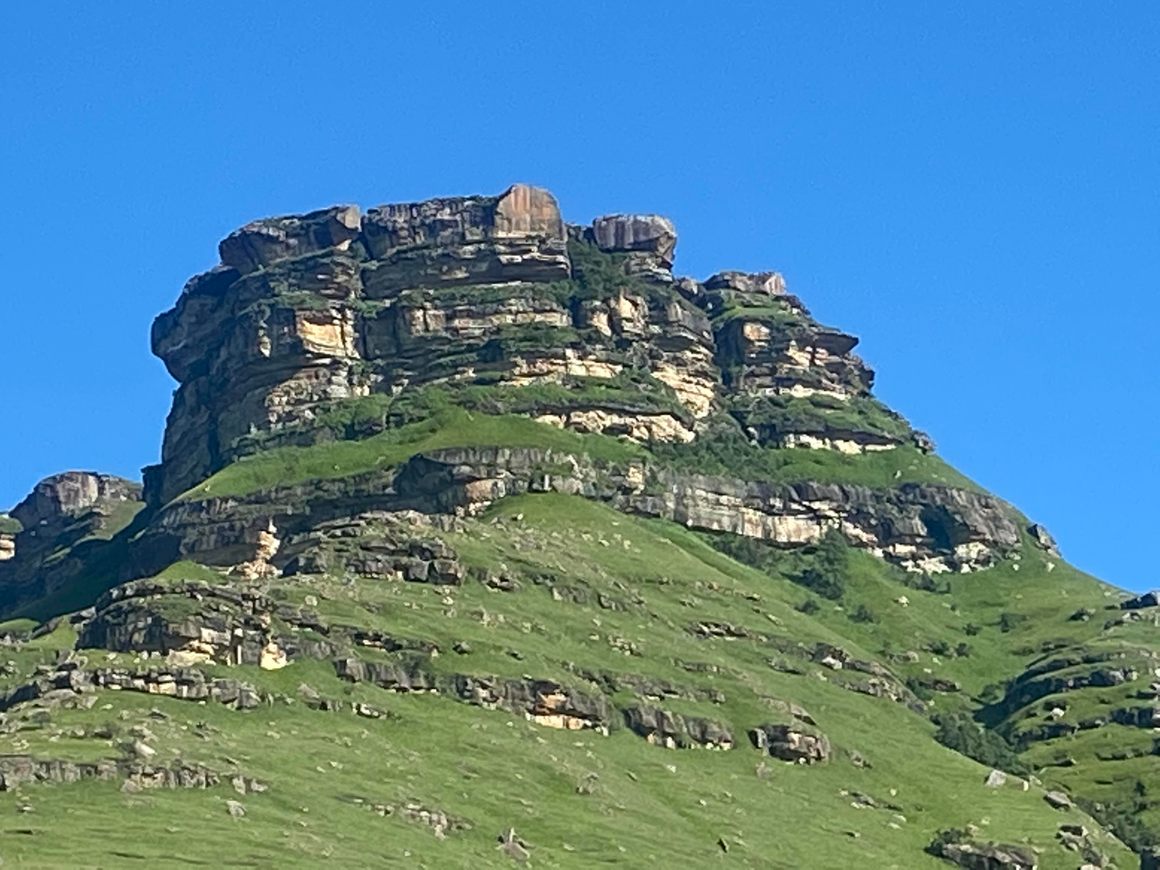
By the fifth day of silence, I could watch a beetle for an hour without flinching. Ajahn Sucitto, the monk who guided us, has written a phrase I keep returning to: Things are like this now. He also taught us that working in community is an invaluable part of spiritual training — a context where we can step past the me and into the we.
Lesotho was supposed to be a detour. It became the heart of the month.
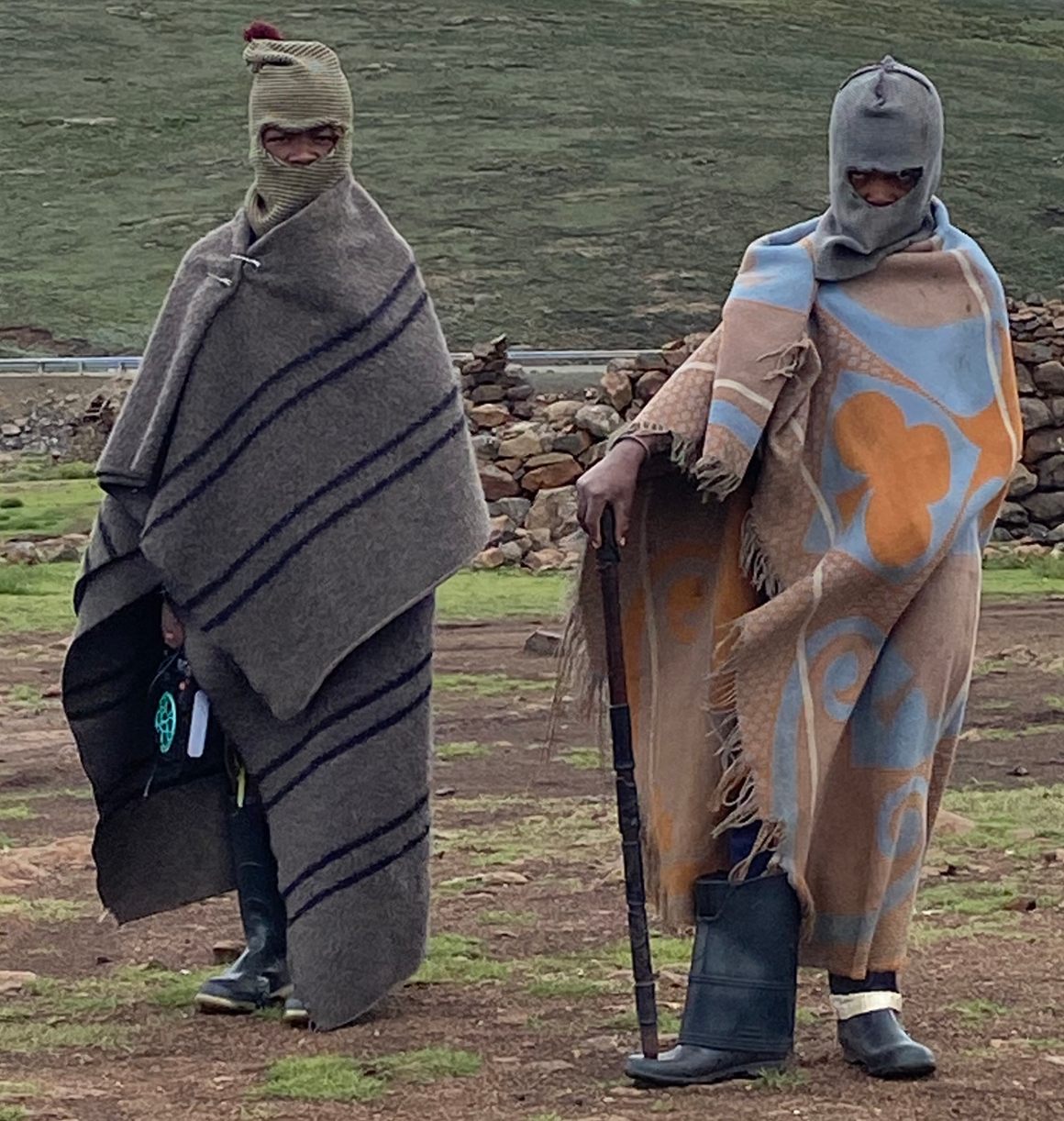
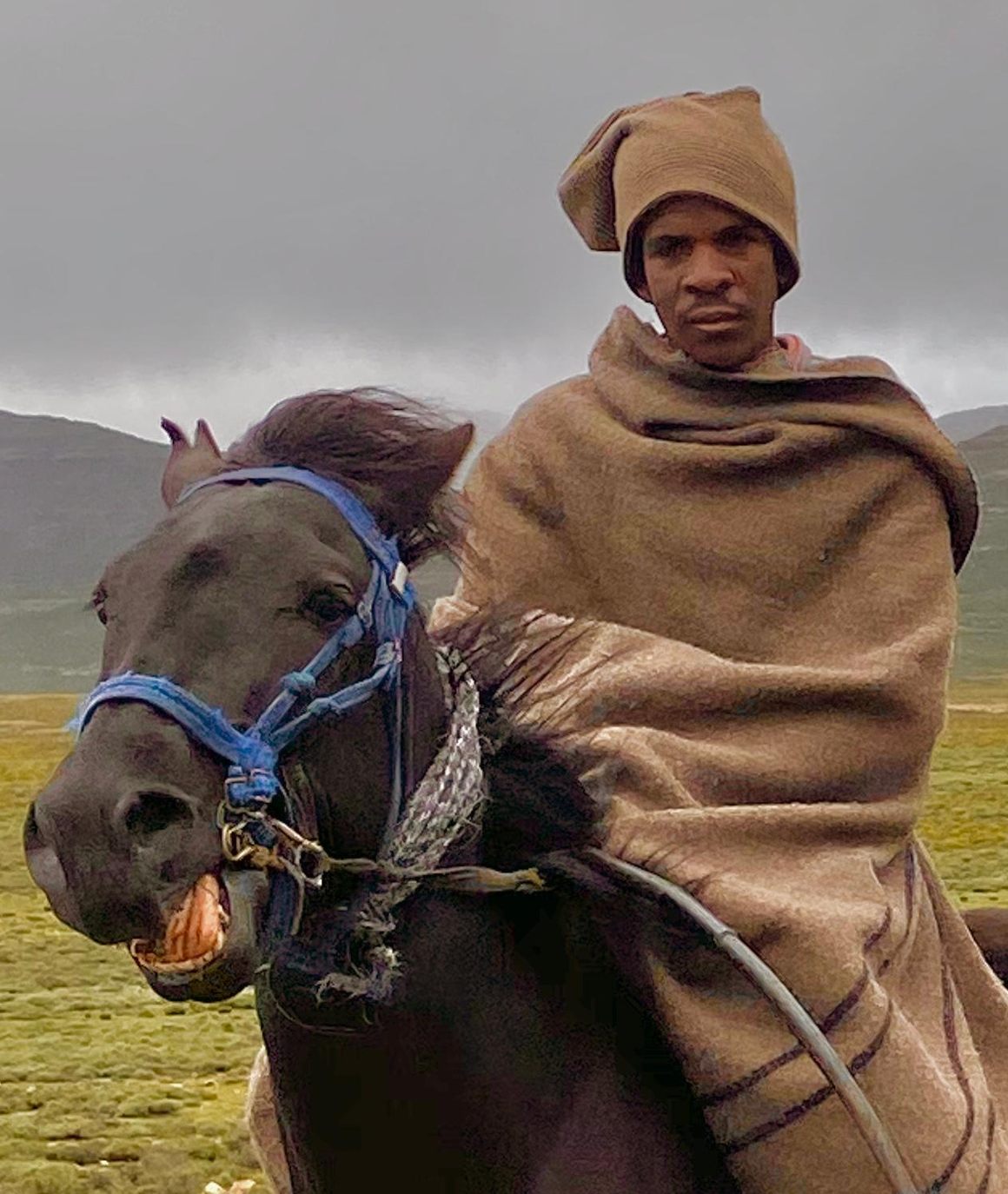
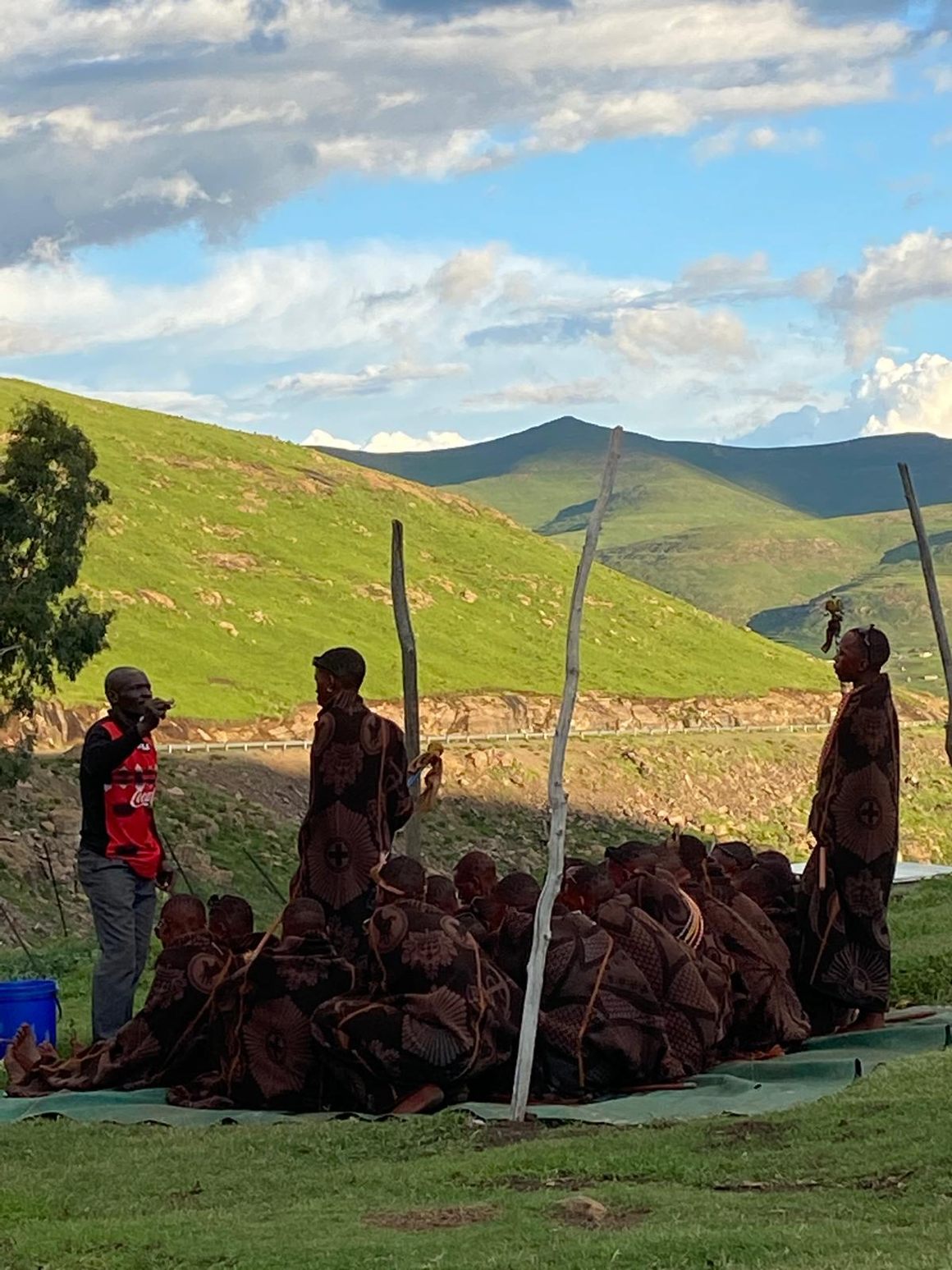
The Kingdom in the Sky — switchback roads through mist-wrapped ridgelines, Basotho shepherds in heavy blankets riding small dark ponies out of the fog. One afternoon I came across a lebollo, the rite that ends boyhood. Young men returning from weeks in the mountains sat huddled in patterned blankets while two elders chanted them back into the community as men. I stood at a respectful distance and thought, ridiculously: I am crossing a line too. I just don’t have the ritual for it.
In another village I met fieldworkers from Sentebale, the NGO founded in 2006 by Prince Harry and Prince Seeiso — forget-me-not in Sesotho — still carrying on the long fight against HIV/AIDS. I had volunteered with the AIDS Association in Paris in the late nineties and somewhere across the corporate years had let that part of myself go quiet. Standing in a Sentebale yard, I felt it stir. So did another buried wish: a half-abandoned dream of studying anthropology. Lesotho revived both. I now knew what I wanted to do with the years after.
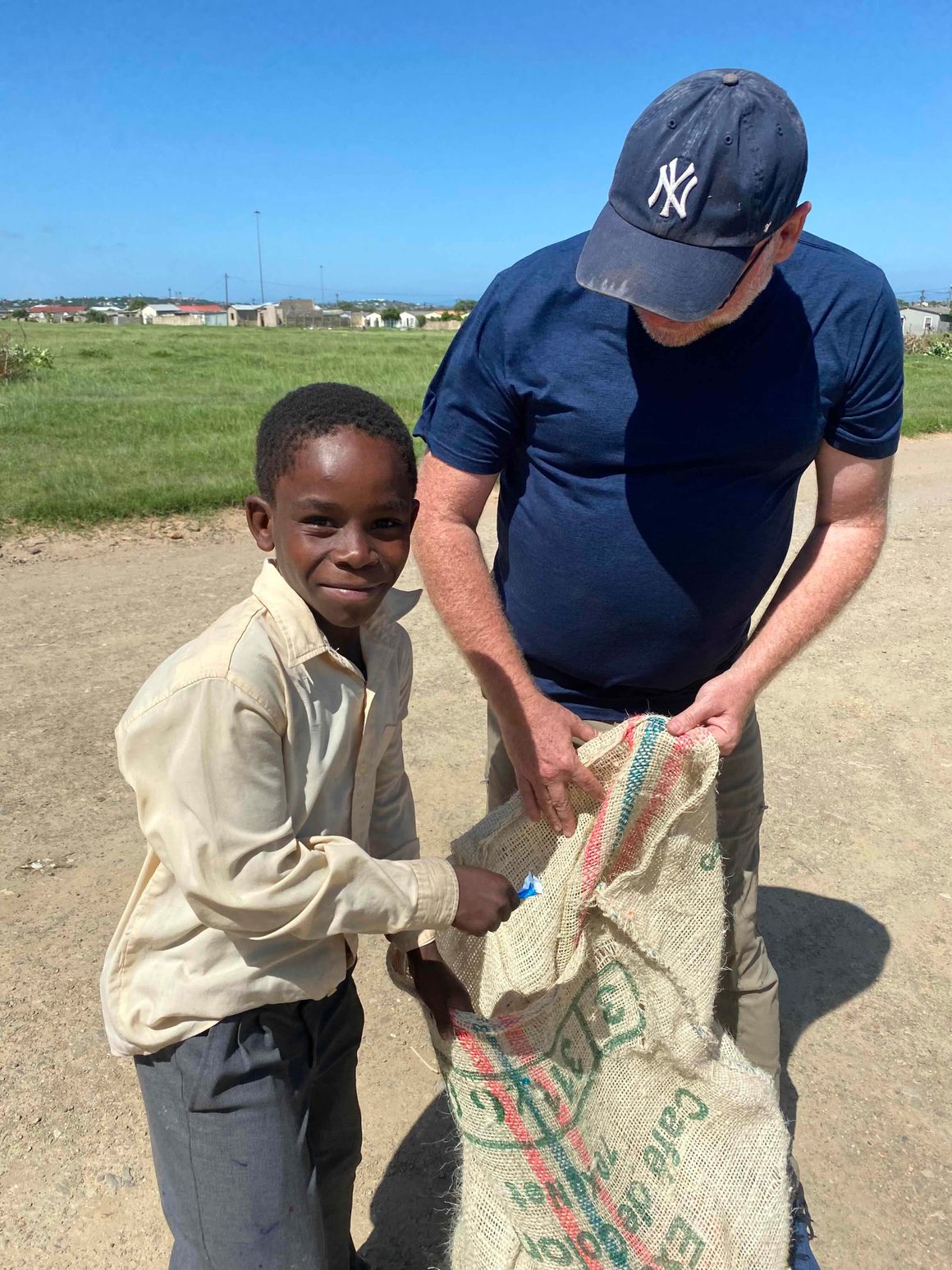
Then I joined the Sibuya Wilderness Volunteer Programme — a game reserve in the Eastern Cape where I cleared invasive plants, worked on a community aquaponics project, and taught children from neighboring townships how to keep their land clear of plastic. The few game drives on our downtime reminded me how humbling traveling in the wild can be. Africa does not let visitors mistake themselves for the main characters.
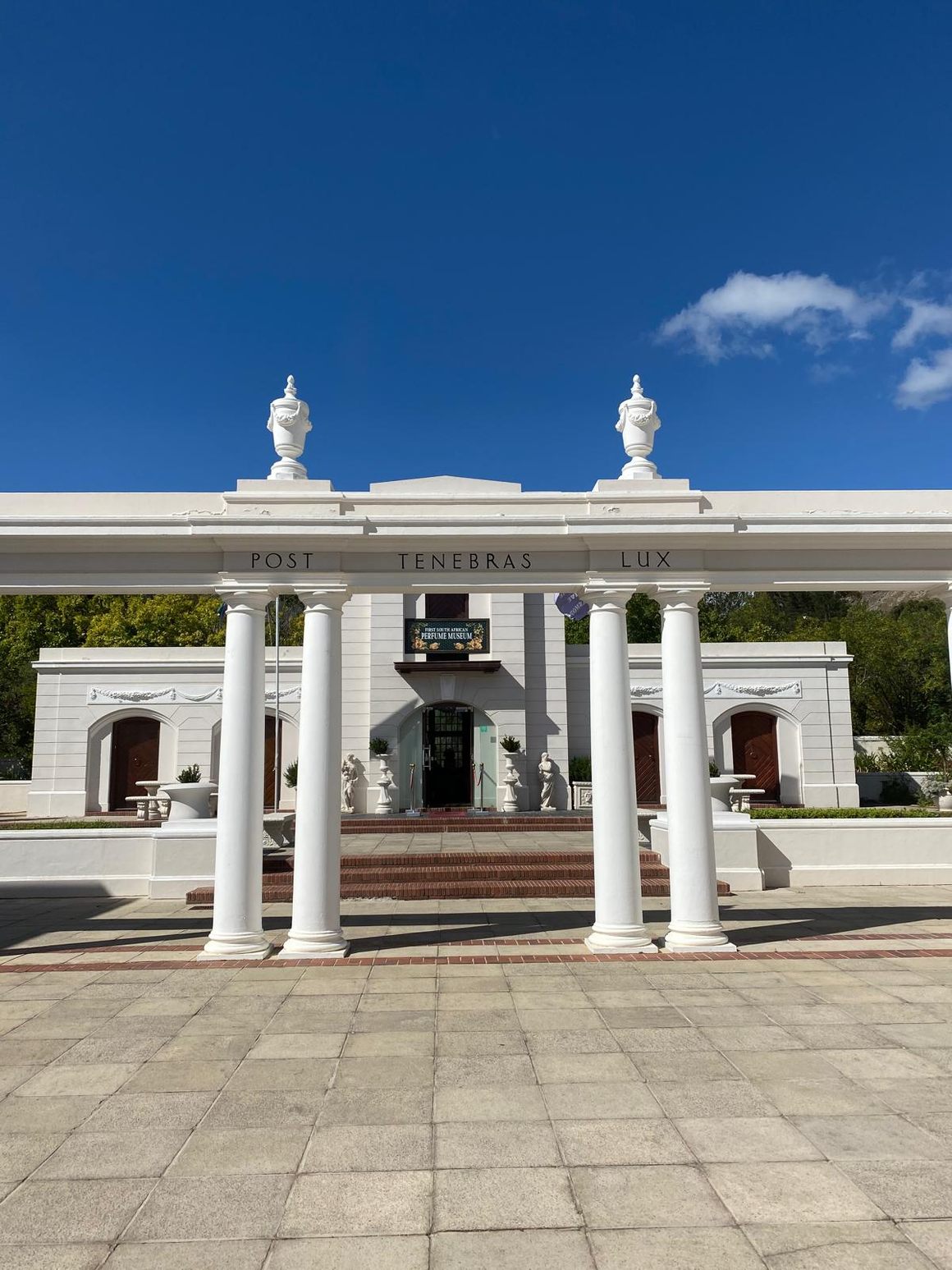
I had held my driver’s licence less than two years when I set out alone along Route 62. Solo on a foreign road, in a foreign country, was my own small lebollo. One night I stayed on a working farm, chatting with the white South African owners — a conversation about land and lineage and worry that I had somehow not yet managed to have with their counterparts back home in rural Georgia. Further west, in Franschhoek, I found the Huguenot quarter — my own ancestors’ coreligionists, who had fled the revocation of the Edict of Nantes in 1685. Above the museum I read its motto, Post Tenebras Lux — after darkness, light — and felt, ridiculously, that someone had left it there for me. It took a small museum at the bottom of Africa to bring my two halves into the same room.
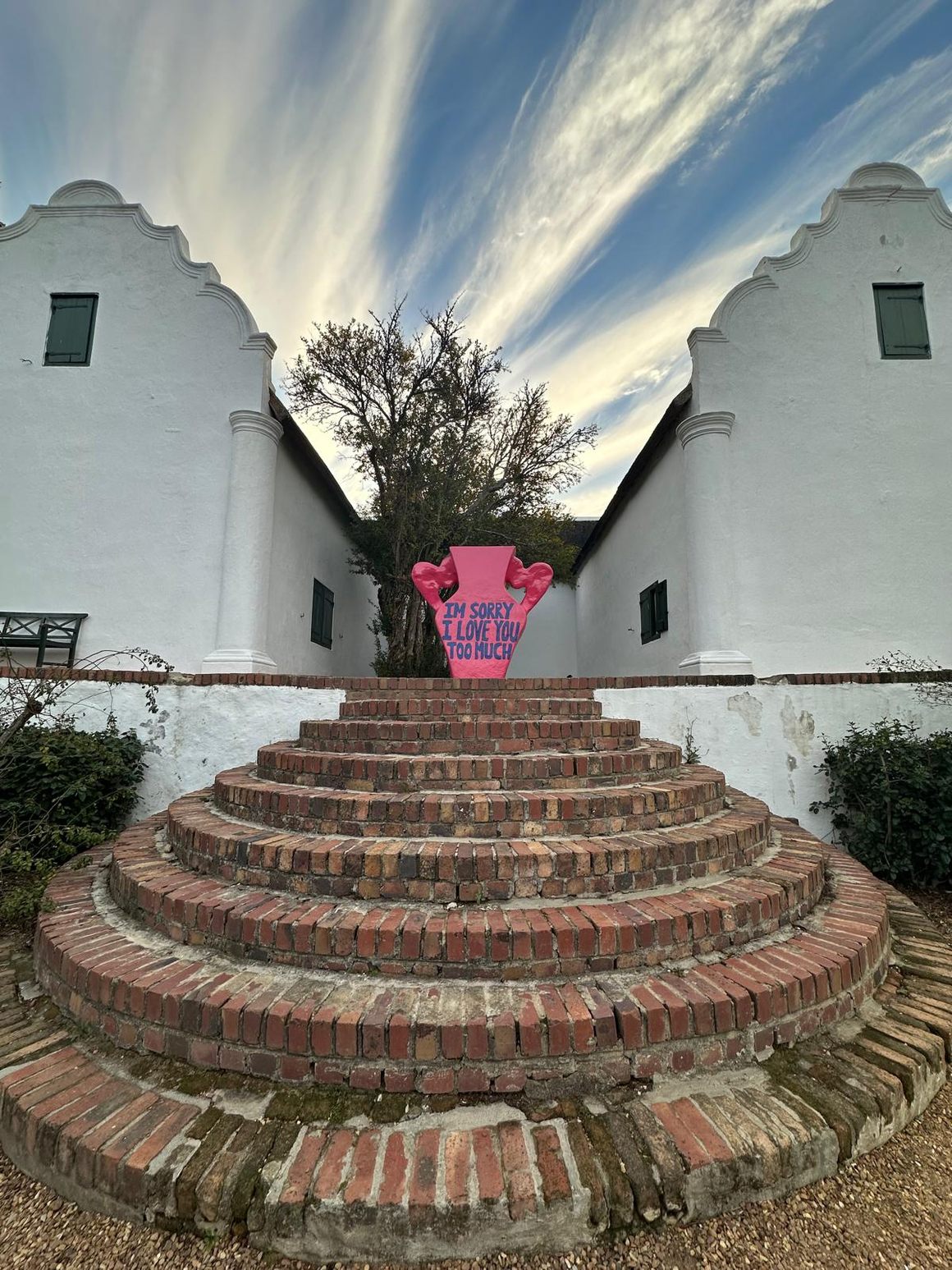
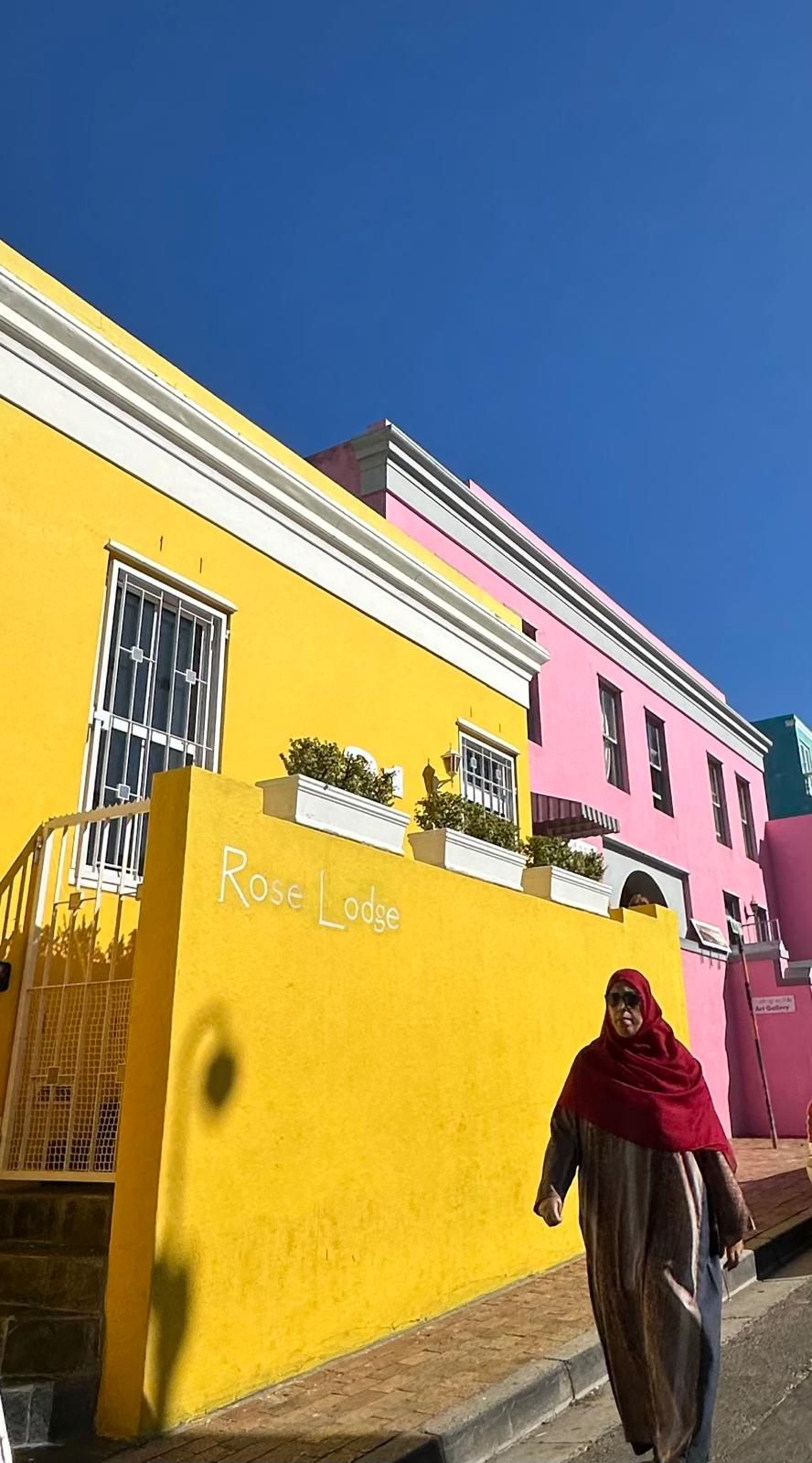
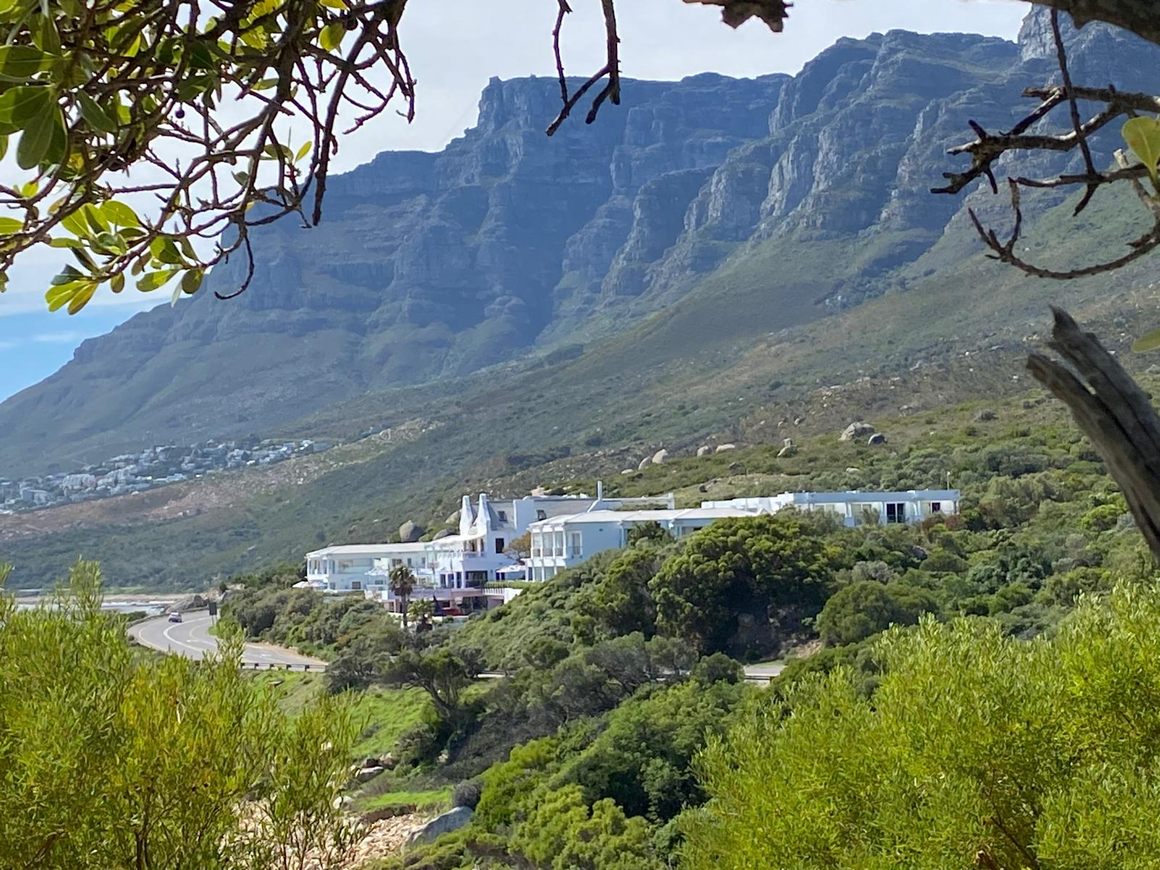
Cape Town was where I let myself indulge. Nights at the Twelve Apostles Hotel, under the cliffs. Knysna oysters. The cinematic streets of Bo-Kaap. And — earlier, in the Winelands — a Werf picnic and wine tasting at Boschendal, my new favorite wine farm.
Two weeks after I landed, Atlanta shut its doors, and so did the rest of the world. For the next year the world sat very still and tried to remember what it had been moving toward. I was two weeks ahead in that conversation, and the head start has not worn off.
I used to think transformation was a milestone. South Africa taught me it is an intermission — a deliberate pause between the life you inherit and the life you choose. The best years, I am now convinced, are still ahead.


