About
Built around 1230, the grange barn was originally part of Coggeshall Abbey, a Cistercian monastery that dominated the local landscape in medieval times. The barn was a tithe barn, meaning it was used to store a portion of the crops and produce collected as taxes, or tithes, from the local farmers who worked the abbey's extensive lands. These tithes were used to support the abbey and its monks, as well as their charitable activities.
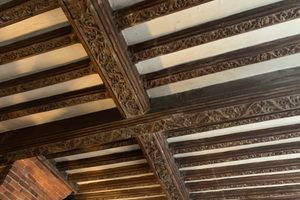
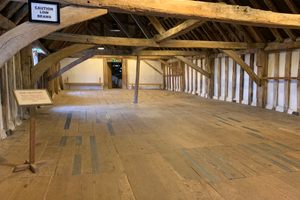
The barn’s timber-framed structure is its most striking feature. Made primarily of oak, the barn stretches an impressive 130 feet long and 44 feet wide, with a soaring roof supported by massive timber beams. Its original design and construction showcase the skill and precision of medieval carpenters, who used complex joinery techniques to assemble the building without the need for nails. The roof's high-pitched design and the intricate framework of beams, some of which are more than 800 years old, make the barn a stunning example of medieval craftsmanship.
Throughout its long history, the grange barn has undergone several transformations. After the Dissolution of the Monasteries in the 1530s, when Henry VIII dissolved religious institutions across England, the barn and surrounding lands were sold off. The barn became part of a private estate and continued to be used for agricultural purposes well into the modern era. By the 20th century, however, the barn had fallen into disrepair and was at risk of being lost entirely. In the 1980s, a group of local volunteers and heritage organizations, led by the National Trust, undertook an extensive restoration project, saving the barn from ruin.
Today, the Coggeshall Grange Barn stands as a beautifully restored example of medieval architecture. The National Trust now manages the site, which is open to visitors who can explore its vast interior and learn about its rich history through exhibitions and educational displays. The barn’s long history also connects it to the surrounding village of Coggeshall, which was historically a hub for the wool and textile trade, an industry closely tied to the area's agricultural economy.
The barn is also used for community events, craft fairs, and special exhibits, adding to its role as a living part of Coggeshall’s heritage. Its scenic surroundings, located near the remains of Coggeshall Abbey and close to the River Blackwater.
Know Before You Go
Coggeshall Grange Barn is located just outside the village of Coggeshall in Essex, about a 10-minute walk from the village center. It’s easily accessible by car, with parking available nearby, and the village can be reached via public transport from nearby towns.
The barn is managed by the National Trust, and opening hours may vary depending on the season. There is a small admission fee, though National Trust members can enter for free. Be sure to check the National Trust website for up-to-date details on visiting times and events.
After exploring the barn, take a walk through the village of Coggeshall, known for its beautiful Tudor architecture and other National Trust properties such as Paycocke’s House, another historic gem that offers a glimpse into the life of a wealthy Tudor merchant.
Community Contributors

Added By
Published
June 19, 2026