About
The site was originally established in 1137, when the land was granted to the Knights Templar, a powerful and wealthy military order of monks founded to protect Christian pilgrims travelling to the Holy Land. Cressing Temple became one of the most important estates held by the Templars in England, serving as an agricultural and administrative center that helped fund their crusading activities. The estate was crucial in sustaining the Templars' wealth and operations, and its impressive barns reflect the scale and significance of their agricultural enterprise.
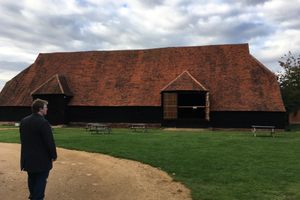
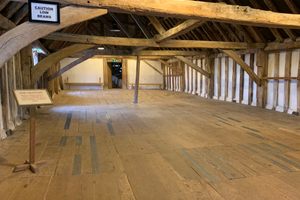
The two most famous barns at Cressing Temple—the Barley Barn and the Wheat Barn—are architectural masterpieces of their time. The Barley Barn, built in c. 1205, is considered one of the oldest surviving timber structures of its kind in Europe. Its vast, cathedral-like interior, with its towering oak beams and intricate carpentry, is a testament to the skill of medieval craftsmen. The Wheat Barn, constructed later in c. 1250, is slightly larger and equally impressive, showcasing advanced medieval building techniques. Both barns were used to store grain and other produce from the surrounding farmland, playing a vital role in the Templars' agricultural operations.
The barns, however, are only part of the rich historical landscape at Cressing Temple. The estate also includes a beautifully restored Tudor walled garden, designed in the style of a 16th-century pleasure garden. The garden is a tranquil space filled with herbs, fruit trees, and flowers, reflecting the traditional uses of plants for food, medicine, and decoration in Tudor times. The walled garden’s layout, with its neat beds and well-tended paths, offers a peaceful retreat and a contrast to the massive barns that dominate the site.
Cressing Temple also features other historical structures, including the Granary and the Well House, both of which contribute to the sense of a working medieval estate. The Visitor Centre provides detailed information about the history of the site and the Knights Templar, and interactive displays bring to life the agricultural and military roles of this enigmatic order.
After the dissolution of the Knights Templar in the early 14th century, Cressing Temple passed into the hands of the Knights Hospitaller, another religious order. Later, during the Dissolution of the Monasteries under Henry VIII, the estate was seized by the Crown and passed through various private owners.
Know Before You Go
Cressing Temple Barns are located near Braintree, Essex, and is easily accessible by car. The site is well-signposted, and there is ample parking for visitors. The barns and gardens are open to the public throughout the year, but it’s always a good idea to check the official website for up-to-date opening times and any special events or closures. Spring and summer are ideal times to visit, as the walled garden is at its most vibrant, but the barns themselves offer a fascinating visit at any time of year.
Cressing Temple hosts a variety of events throughout the year, including medieval re-enactments, craft fairs, and educational workshops. It’s also a popular venue for weddings and private events.
Wear comfortable shoes as the site is large, and the barns’ interiors are cool, even in the summer, so dress accordingly. The Visitor Centre provides historical context, so it’s worth spending time here before exploring the barns and gardens.
Community Contributors

Added By
Published
June 19, 2026