About
King Bladud is a legendary figure in British history, often associated with the origins of the city of Bath in Somerset. According to myth, Bladud was a Celtic king who reigned around 800 BC. He is best known for his connection to the city's famous hot springs. The legend suggests that after being banished from his kingdom for contracting leprosy, Bladud discovered the healing powers of the warm, mineral-rich waters while tending pigs. His pigs, suffering from skin ailments, bathed in the mud and emerged cured. Inspired by this, Bladud also immersed himself in the waters, eventually healing his own affliction.
Bladud's discovery of the hot springs is said to have led to the founding of Bath as a therapeutic center. The city's Roman name, Aquae Sulis, refers to the goddess Sulis, who was later syncretized with the Roman goddess Minerva. Bath became renowned for its medicinal waters, and Bladud’s story remains a symbol of its origins as a spa town.
Today, Bath continues to be known for its natural hot springs and historic Roman baths. The legend of Bladud is commemorated with a statue in the city, located near the Royal Crescent. The monument depicts the king alongside his healing pigs, emphasizing his legendary connection to the city and its therapeutic waters.
This tribute to Bladud is an enduring reminder of Bath's ancient roots, blending myth with history. It serves as a symbol of the city's long-standing association with health and healing, drawing visitors from around the world who seek the same restorative powers that Bladud is said to have discovered centuries ago.
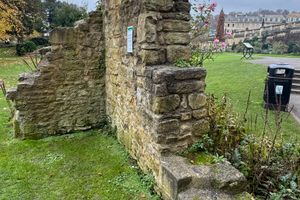
A statue in honour of Bladud can be seen in Parade Gardens in Grand Parade, Bath. The life-size stone statue of the prince dates from 1859 and, after being kept in storage for many years, was renovated and moved to the gardens in 2009. The statue of a pig, carved from Bath stone, was added at the same time.
Community Contributors

Added By
Published
June 19, 2026