Places Foods Stories Newsletters
Loading...
Loading...
Loading...

No search results found for
“”

Make sure words are spelled correctly.

Try searching for a travel destination.

Places near me Random place

Popular Destinations

  • Paris
  • London
  • New York
  • Berlin
  • Rome
  • Los Angeles
Places Foods Stories Newsletters
Sign In Join
Places near me Random place
All the United States Arizona Mesa Park of the Canals
AO Edited

Park of the Canals

This massive, ancient canal system was built using only sticks and stones.

Mesa, Arizona

Added By
cdanesh
Email
Been Here
Want to go
Added to list
CAPTION
  cdanesh / Atlas Obscura User
  cdanesh / Atlas Obscura User
  cdanesh / Atlas Obscura User
  cdanesh / Atlas Obscura User
  cdanesh / Atlas Obscura User
Been Here
Want to go
Added to list

About

Despite its arid climate, agriculture flourished in Arizona’s Salt and Gila River valleys for thousands of years. The Hohokam Native Americans initially used floodwater farming to grow corn, beans, and squash close to the rivers. By the 7th century, communities built a system of giant canals at a scale not seen anywhere else in the Americas. The longest was 20 miles, with the whole network reaching up to 1,000 miles. Some near S’edav Va’aki were up to 85 feet wide and 20 feet deep. This allowed over 110,000 acres of land to be irrigated around Phoenix. With over 30,000 people, the area became the largest population in the southwestern United States.

The canals had specialized features such as weirs that directed water into them, and head gates that limited how much water entered them. They were able to maintain a constant flow rate and had a gradient of only a few feet per mile. As such, they were not prone to erosion or silt deposition. The political cooperation necessary to build and maintain the canals has been a matter of speculation today. The canals were not dug with shovels, but wooden sticks and stone “hoes” without handles that were used to loosen the soil, which was then removed by hand.

One mystery that remains is why and how these canals were abandoned in the 15th century. Some theories include a drought, the population straining the water supply, and fields becoming too saline. Today, the Hohokam's descendants, the O’odham people, continue to practice agriculture on a smaller scale.

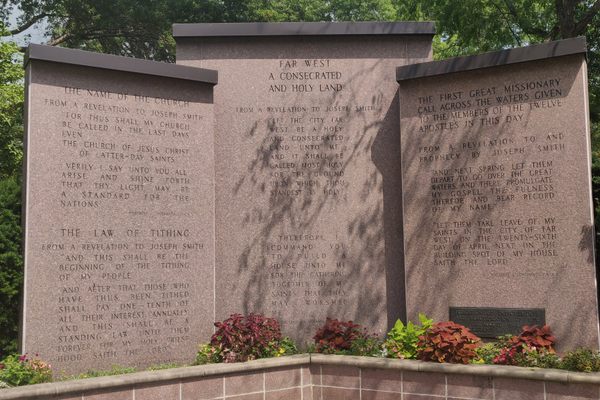
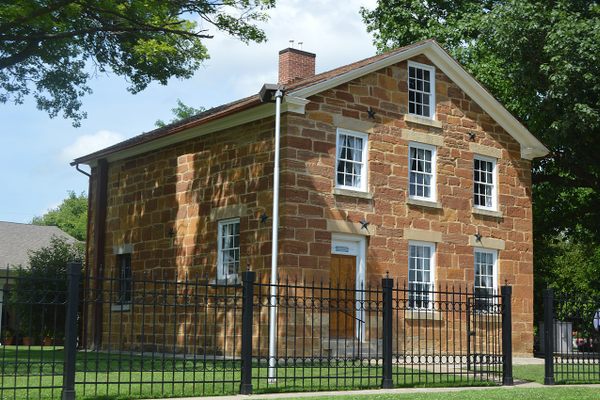
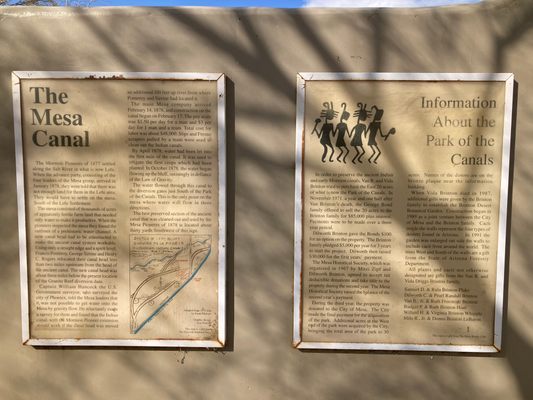
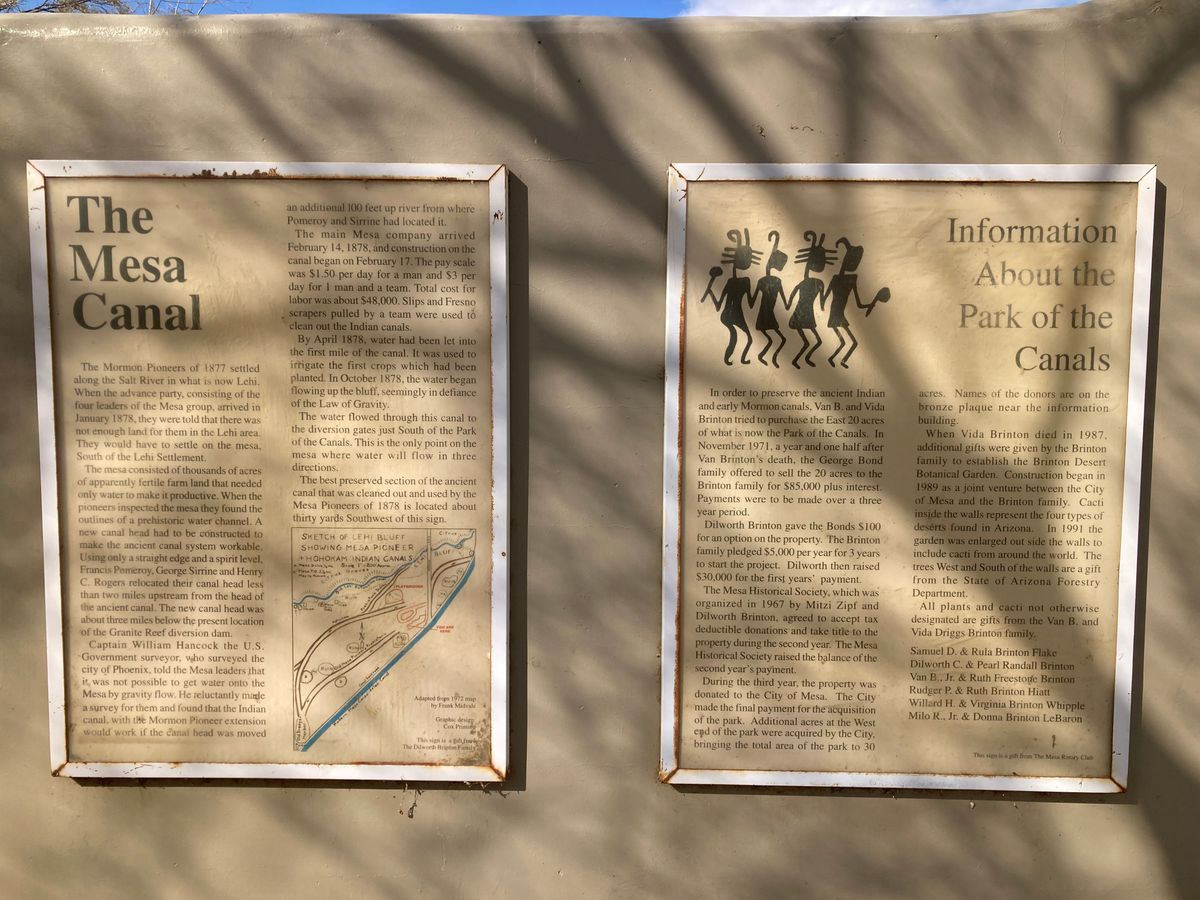
Settlers crossing the United States were astonished by the then-dry canals. They realized that an agricultural civilization of immense complexity resided in the Salt River Valley, and named the city of Phoenix to reflect their hopes that a new settlement would rise from the ancient Hohokam ones. Settlers even began to reuse the canals for water once again. The Mormon founders of the City of Mesa were initially told that they could not channel water to their town, but instead found and used an ancient canal for irrigation. Today, many aqueducts in the Phoenix area follow the route of Hohokam canals, or were even constructed from the ancient canals themselves. 

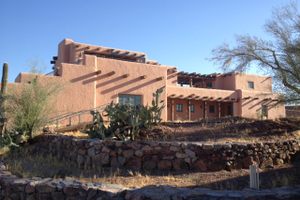
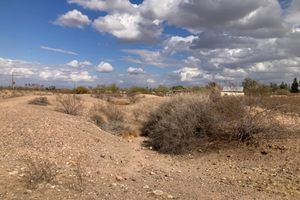
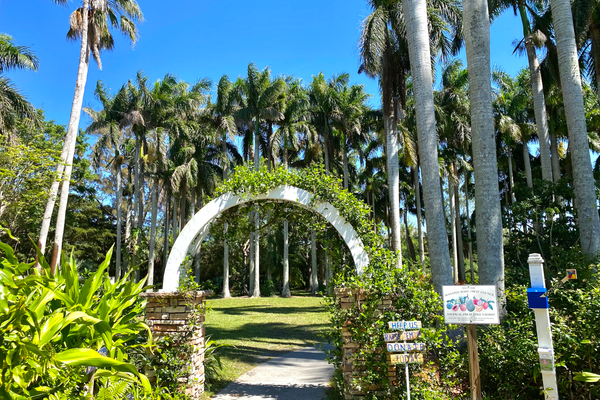
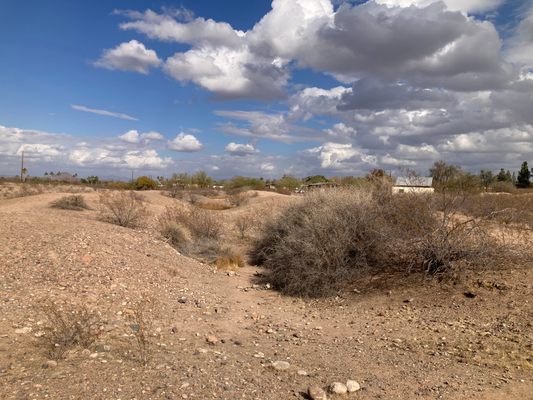
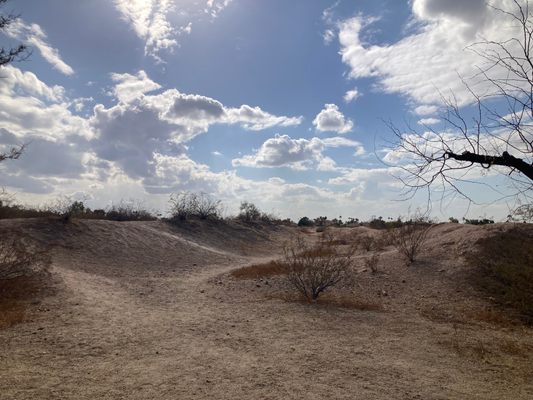
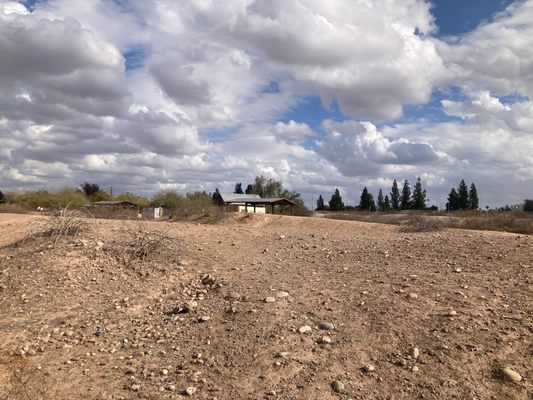
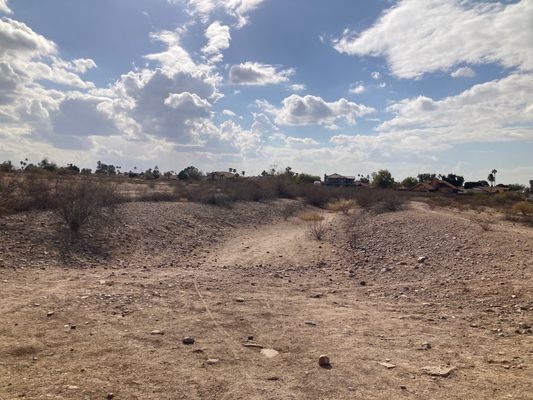
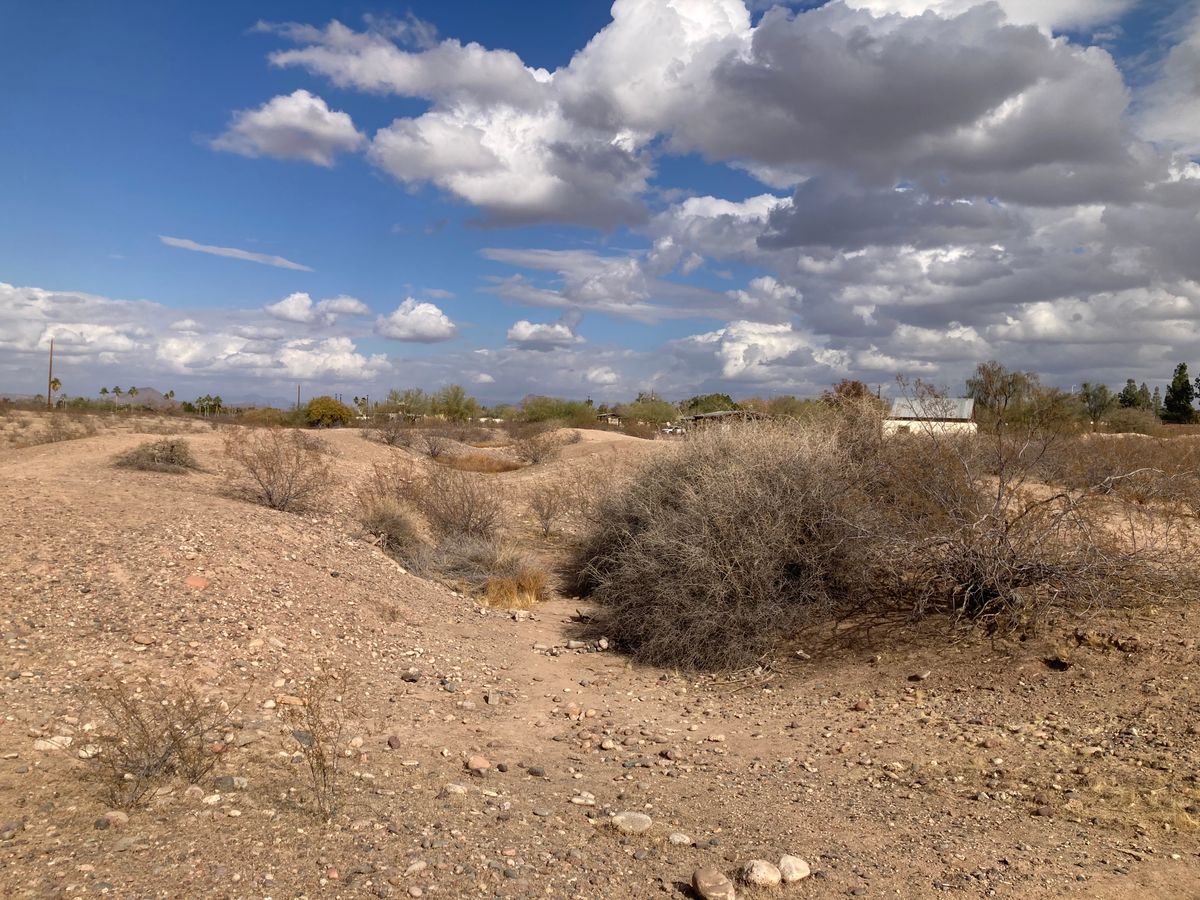
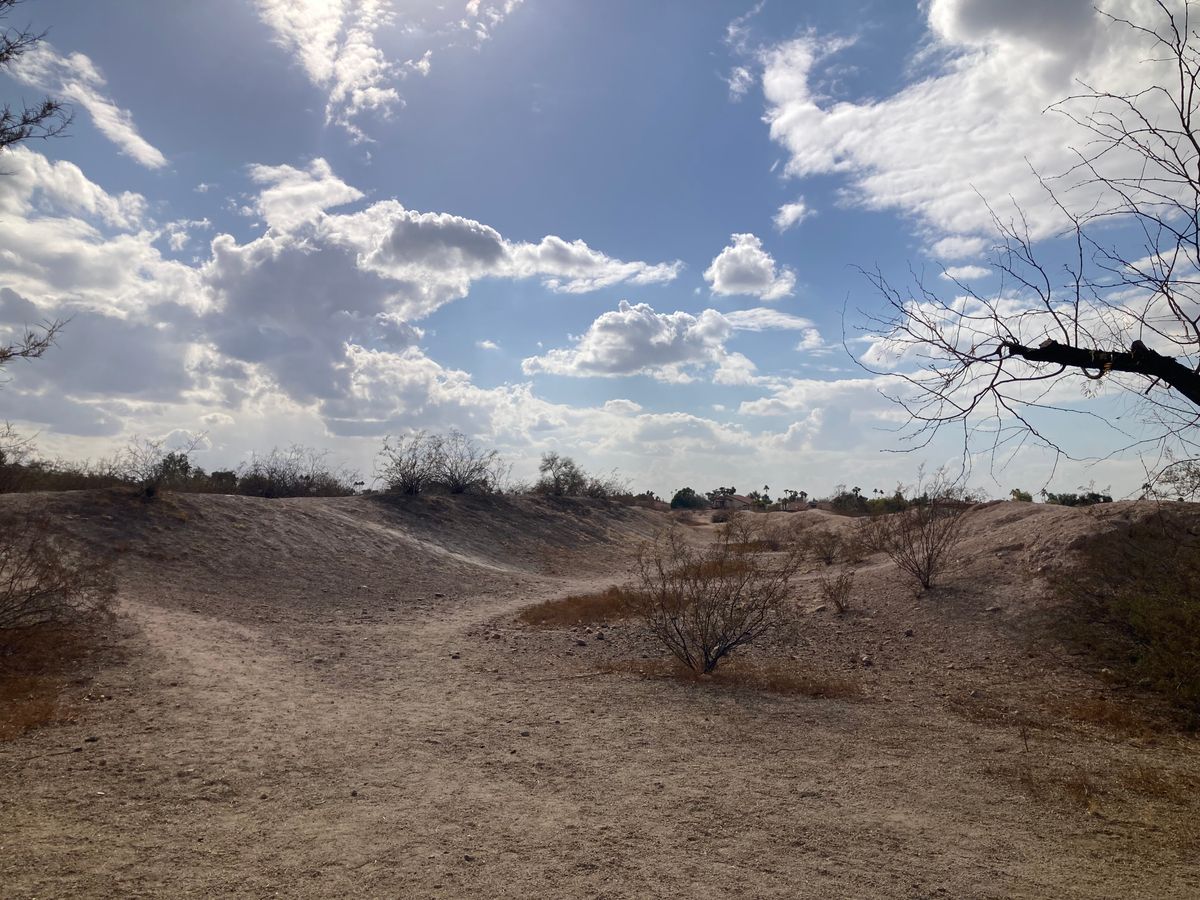
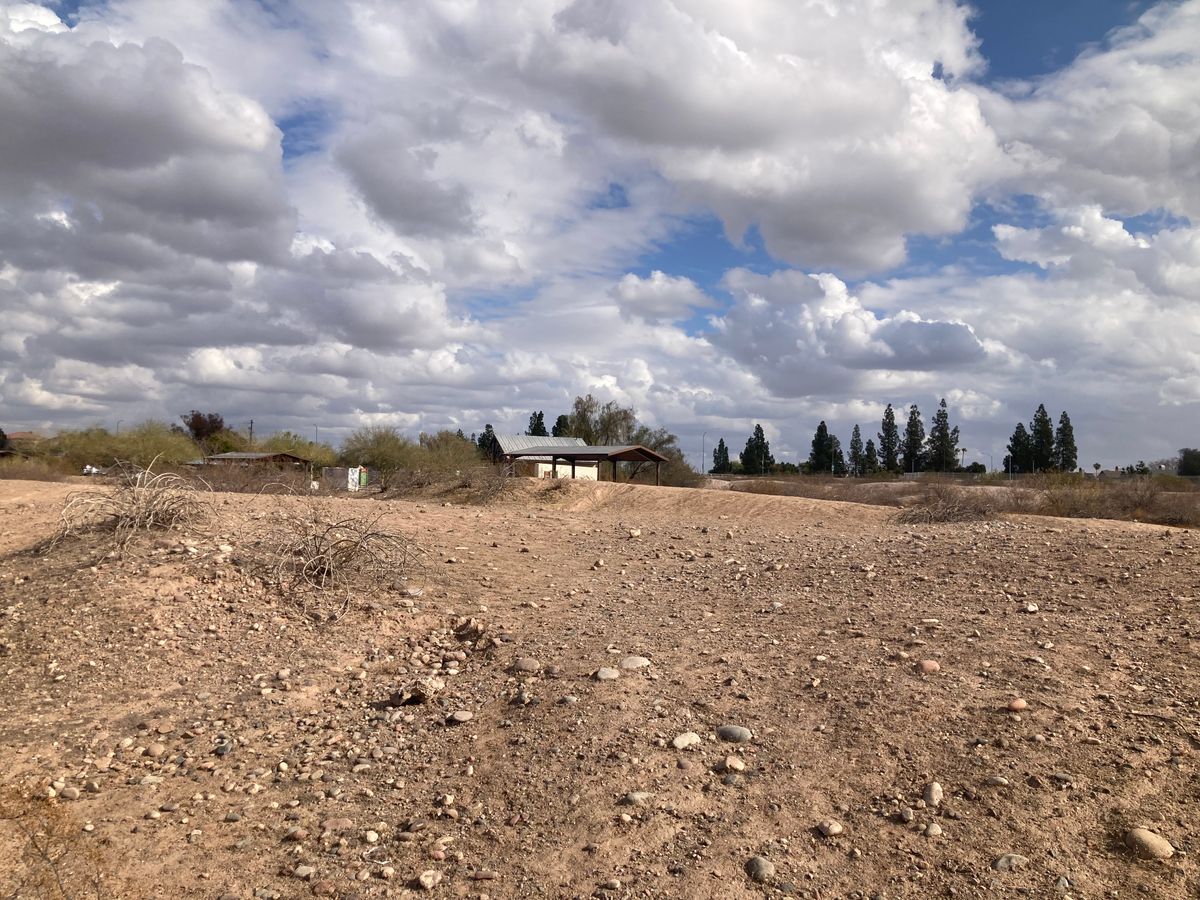
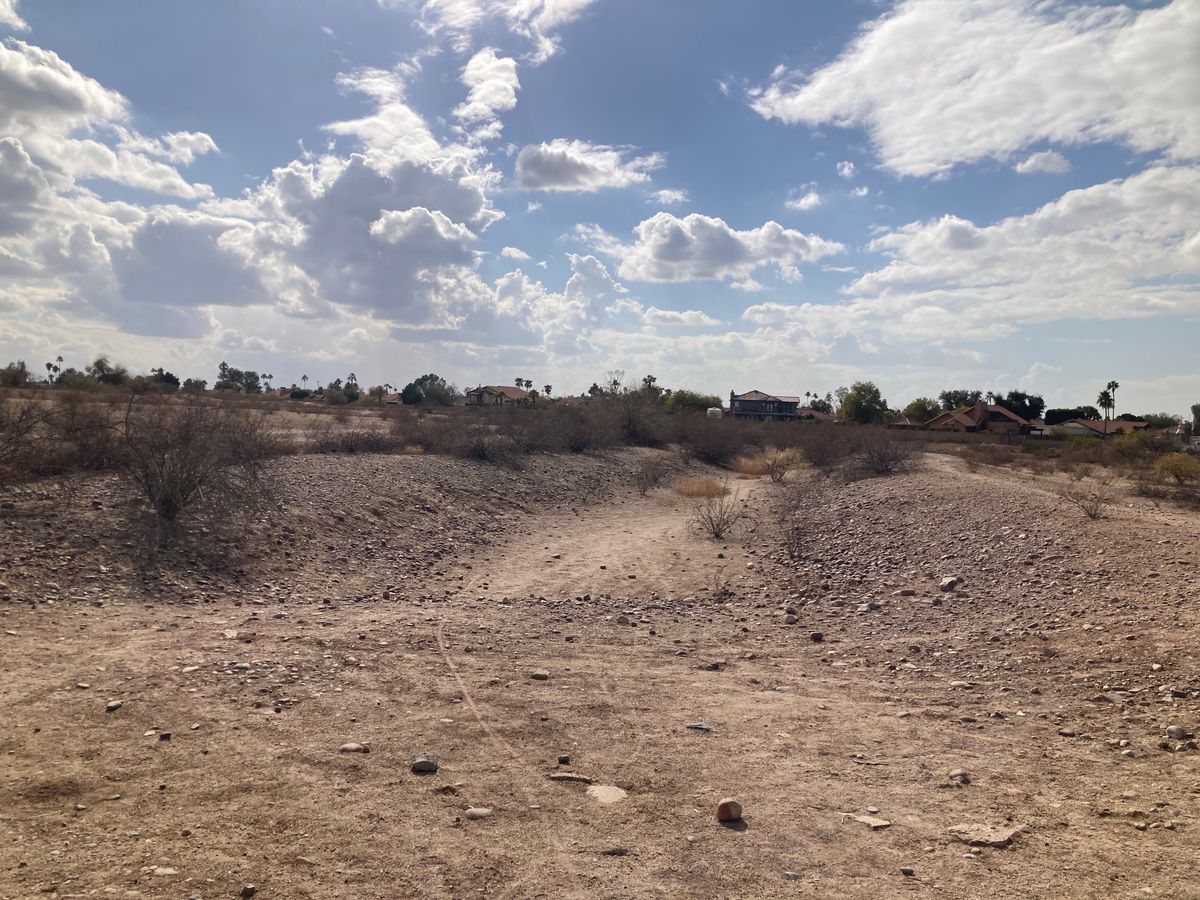
A portion of several interconnected canals, including one repurposed by Mormons only to again be abandoned, have been preserved at the Park of the Canals. A single path gives a view of the eroded canal ruins. Unfortunately, there are few descriptions on site and vegetation obscures some of what is left. But, one can use their imagination to picture how the canals were built and how they delivered water to a vast agricultural society over 500 years ago.

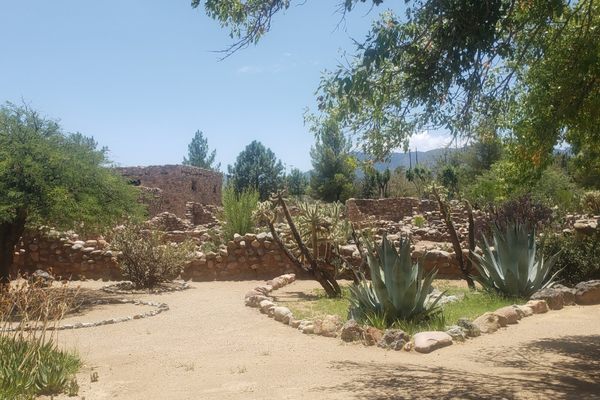
The grounds are also home to botanical garden, exploring the history of the natural landscape. 

Places

Discover your next amazing Atlas Place.

Get more unusual and extraordinary places each week with the Atlas Obscura Places newsletter.

Your newsletter subscriptions with us are subject to Atlas Obscura's Privacy Policy and Terms of Use.

Related Tags

Botanical Gardens Canals Mormons Native Americans

Know Before You Go

The site is open Monday through Thursday from 7 a.m. to 6 p.m. and is free to the public. 

Community Contributors

Added By

cdanesh

Published

March 7, 2025

Edit this listing

Make an Edit
Add Photos
Sources
  • https://www.azpm.org/s/98538-ancient-farmers-dug-canals-that-shaped-phoenixs-modern-water-system/
  • https://www.azcentral.com/story/opinion/op-ed/2014/03/29/canals-hohokam-history/7017779/#
  • http://www.waterhistory.org/histories/hohokam2/
Park of the Canals
1710 N Horne
Mesa, Arizona, 85203
United States
33.445535, -111.814208
Visit Website
Get Directions

Nearby Places

Organ Stop Pizza

Mesa, Arizona

miles away

The Stand

Scottsdale, Arizona

miles away

James Turrell ASU Skyspace: ‘Air Apparent’

Tempe, Arizona

miles away

Explore the Destination Guide

Photo of Mesa

Mesa

Arizona

Places 3
Stories 1

Nearby Places

Organ Stop Pizza

Mesa, Arizona

miles away

The Stand

Scottsdale, Arizona

miles away

James Turrell ASU Skyspace: ‘Air Apparent’

Tempe, Arizona

miles away

Explore the Destination Guide

Photo of Mesa

Mesa

Arizona

Places 3
Stories 1

Related Places

  • Globe, Arizona

    Besh-Ba-Gowah Archaeological Park and Museum

    The remains of a large pueblo village constructed by the Salado culture, who occupied the region more than 600 years ago.

  • Slocum/Maconaquah

    Wabash, Indiana

    The Slocum Cemetery

    Frances Slocum was taken by Delaware Indians in 1778 and lived as, Maconaquah, a Miami Indian until her death in 1847.

  • Chief Tecumseh in Minooteeni Park

    Vincennes, Indiana

    Tecumseh Sculpture

    The Native American leader is commemorated by a sculpture by Peter Toth.

  • Zapopan, Mexico

    Museo De Arte Huichol Wixárika

    A gallery displaying the psychedelic-fueled art of the indigenous Huichol people.

  • Muncie, Indiana

    The Passing of the Buffalo

    This statue of a Native American figure forlornly looking at the passing of a way life has been on the move.

  • Baton Rouge, Louisiana

    LSU Campus Mounds

    These 11,000-year-old mounds may be the oldest known human-made structures in the Americas.

  • Yucca House

    Cortez, Colorado

    Yucca House

    Most of this “research national monument” still lies buried beneath the earth.

  • Daniell and Freeland family cemetery sitting on one of the Windsor Mounds

    Lorman, Mississippi

    Windsor Mounds

    Native builders raised these mounds centuries ago, before local families turned one into a cemetery.

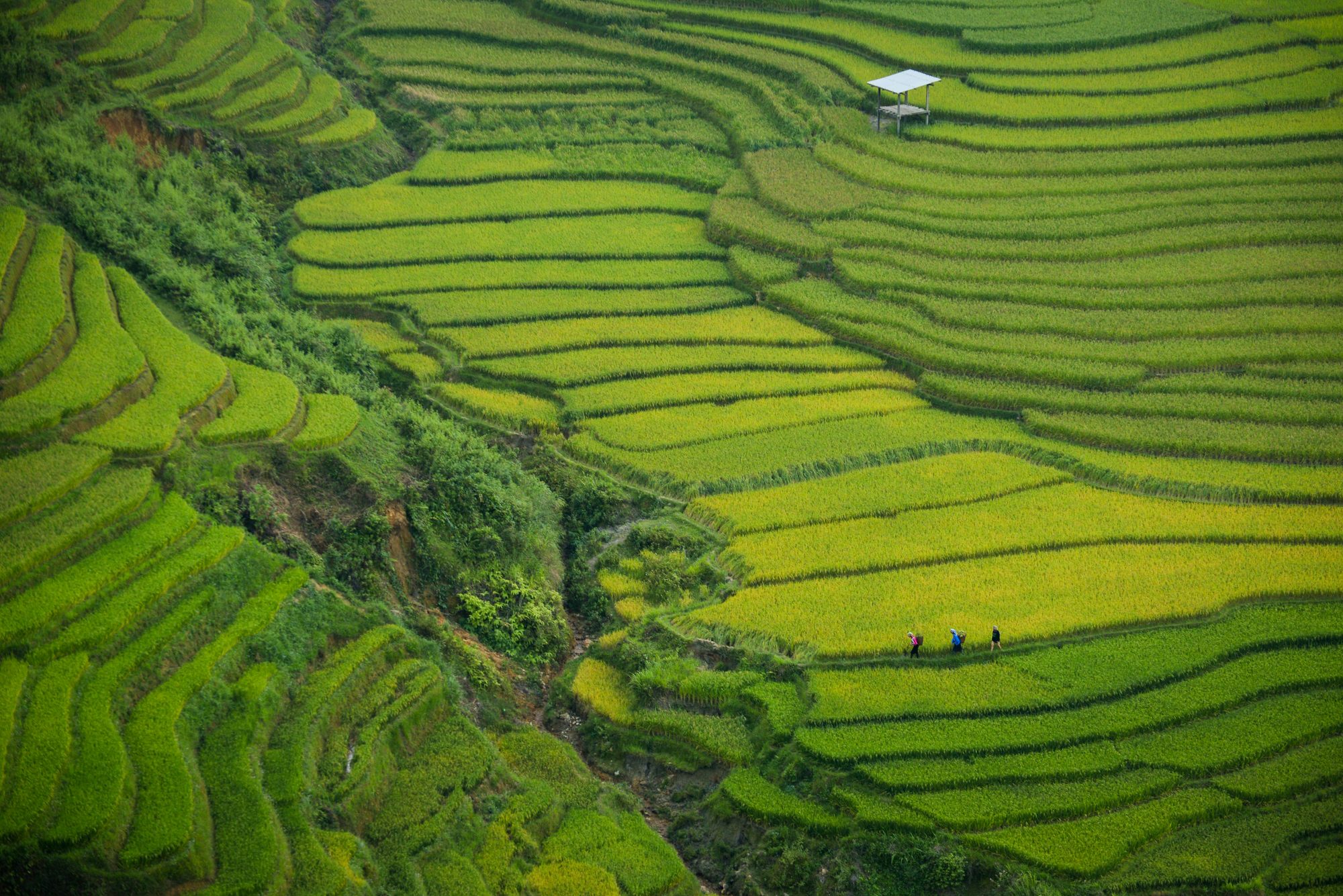
Aerial image of Vietnam, displaying the picturesque rice terraces, characterized by their layered, verdant fields.
Atlas Obscura Membership

Become an Atlas Obscura Member


Join our community of curious explorers.

Become a Member

Get Our Email Newsletter

Follow Us

Facebook YouTube TikTok Instagram Pinterest RSS Feed

Get the app

Download the App
Download on the Apple App Store Get it on Google Play
  • All Places
  • Latest Places
  • Most Popular
  • Places to Eat
  • Random
  • Nearby
  • Add a Place
  • Stories
  • Food & Drink
  • Itineraries
  • Lists
  • Video
  • Podcast
  • Newsletters
  • All Trips
  • FAQ
  • Membership
  • Feedback & Ideas
  • Community Guidelines
  • Product Blog
  • Unique Gifts
  • Work With Us
  • About
  • FAQ
  • Advertise With Us
  • Advertising Guidelines
  • Privacy Policy
  • Cookie Policy
  • Terms of Use
Atlas Obscura

© 2026 Atlas Obscura. All Rights Reserved.