Trips Places Foods Stories Newsletters
Loading...
Loading...
Loading...
Loading...

No search results found for
“”

Make sure words are spelled correctly.

Try searching for a travel destination.

Places near me Random place

Popular Destinations

  • Paris
  • London
  • New York
  • Berlin
  • Rome
  • Los Angeles
Trips Places Foods Stories Newsletters
Sign In Join
Places near me Random place
All Germany Peenemünde Peenemünde Army Research Center

Peenemünde Army Research Center

The NASA scientists behind Apollo 11 started out developing Nazi weapons at this abandoned German rocket factory.

Peenemünde, Germany

Added By
Christine Williamson
Email
Been Here
Want to go
Added to list
CAPTION
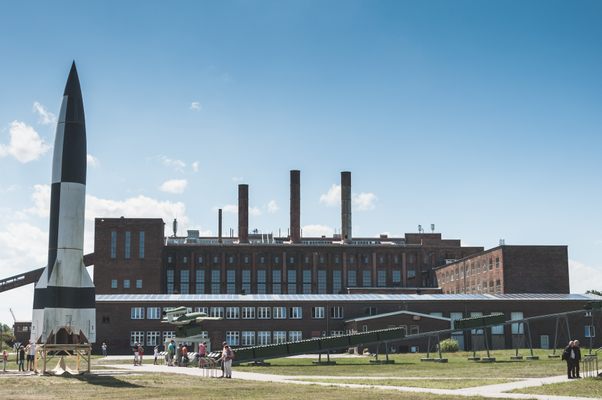
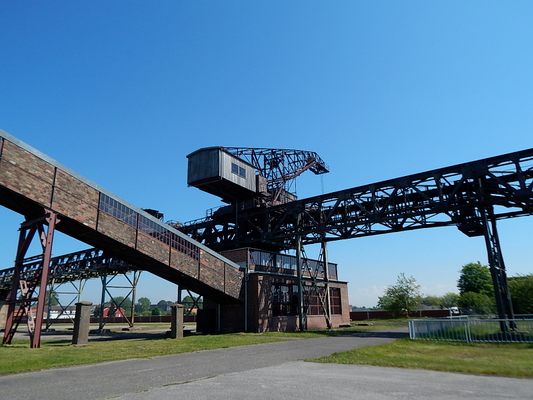
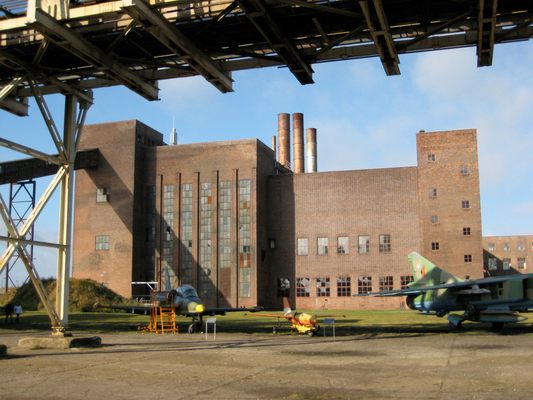
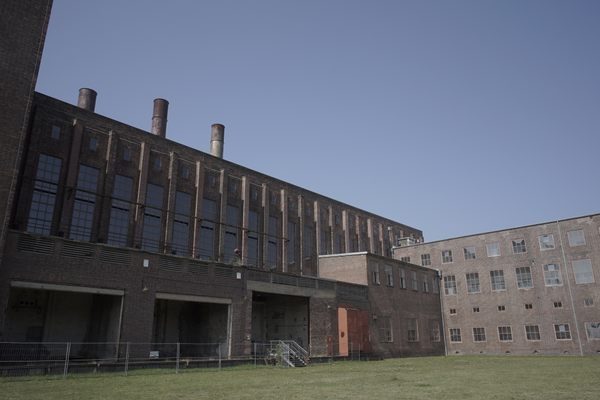
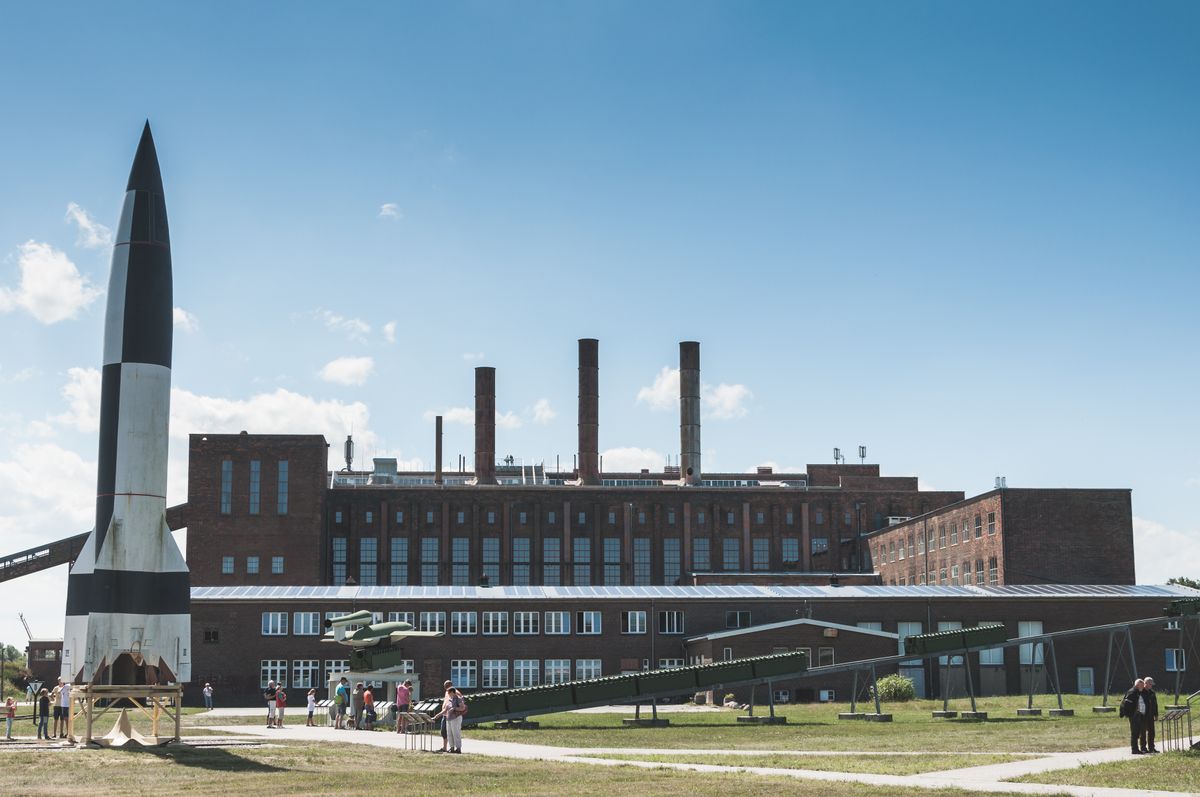
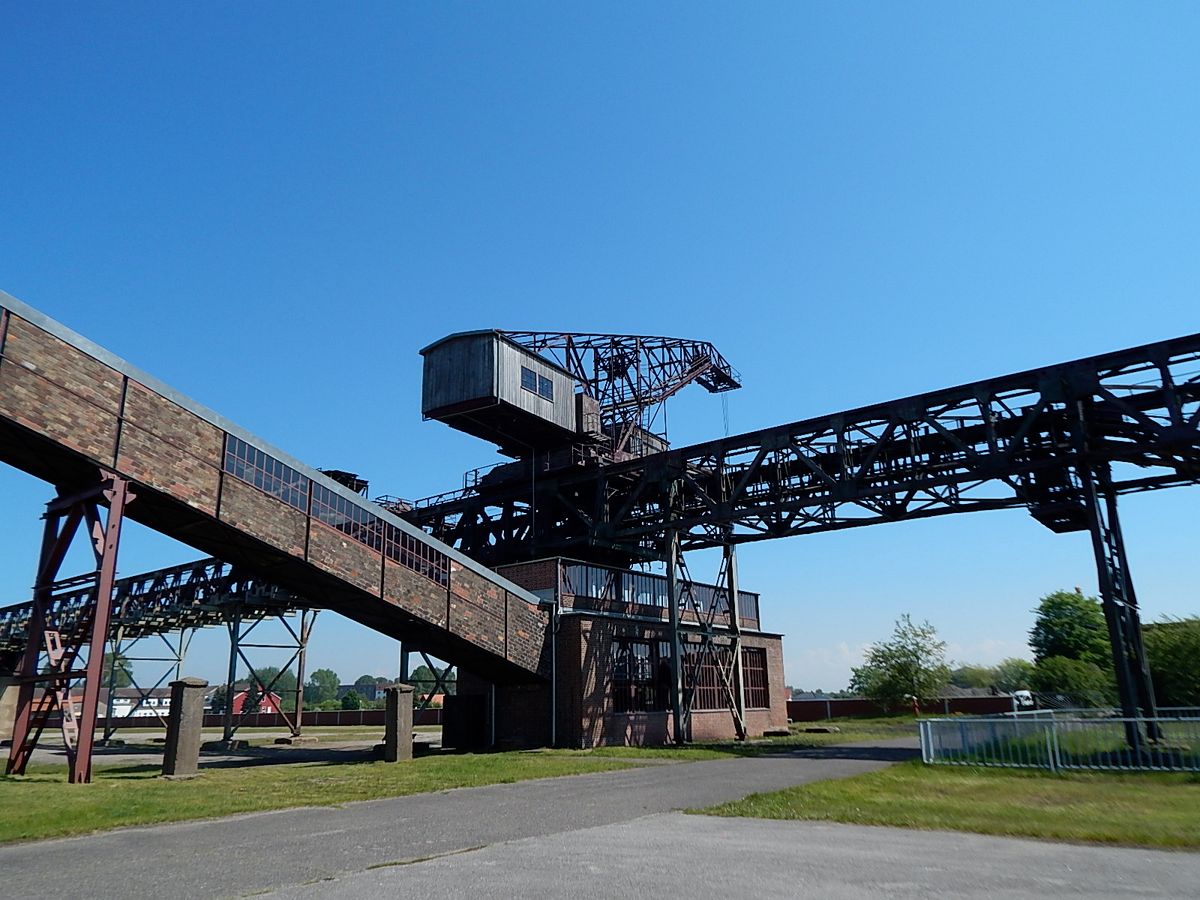
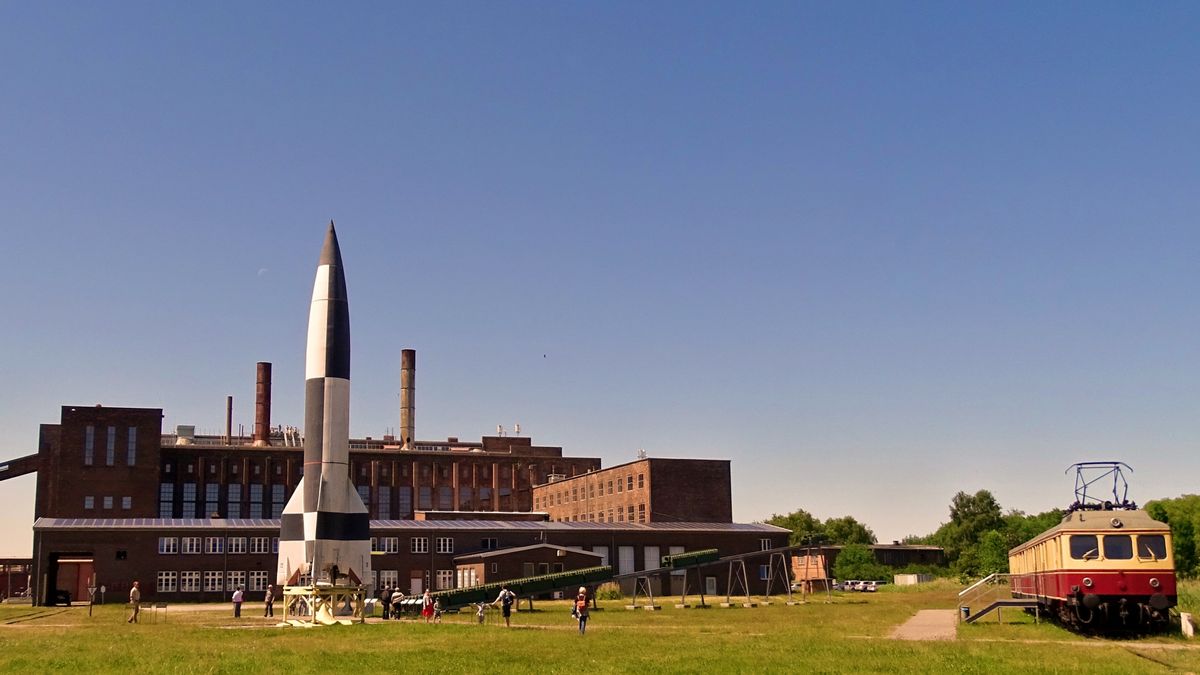
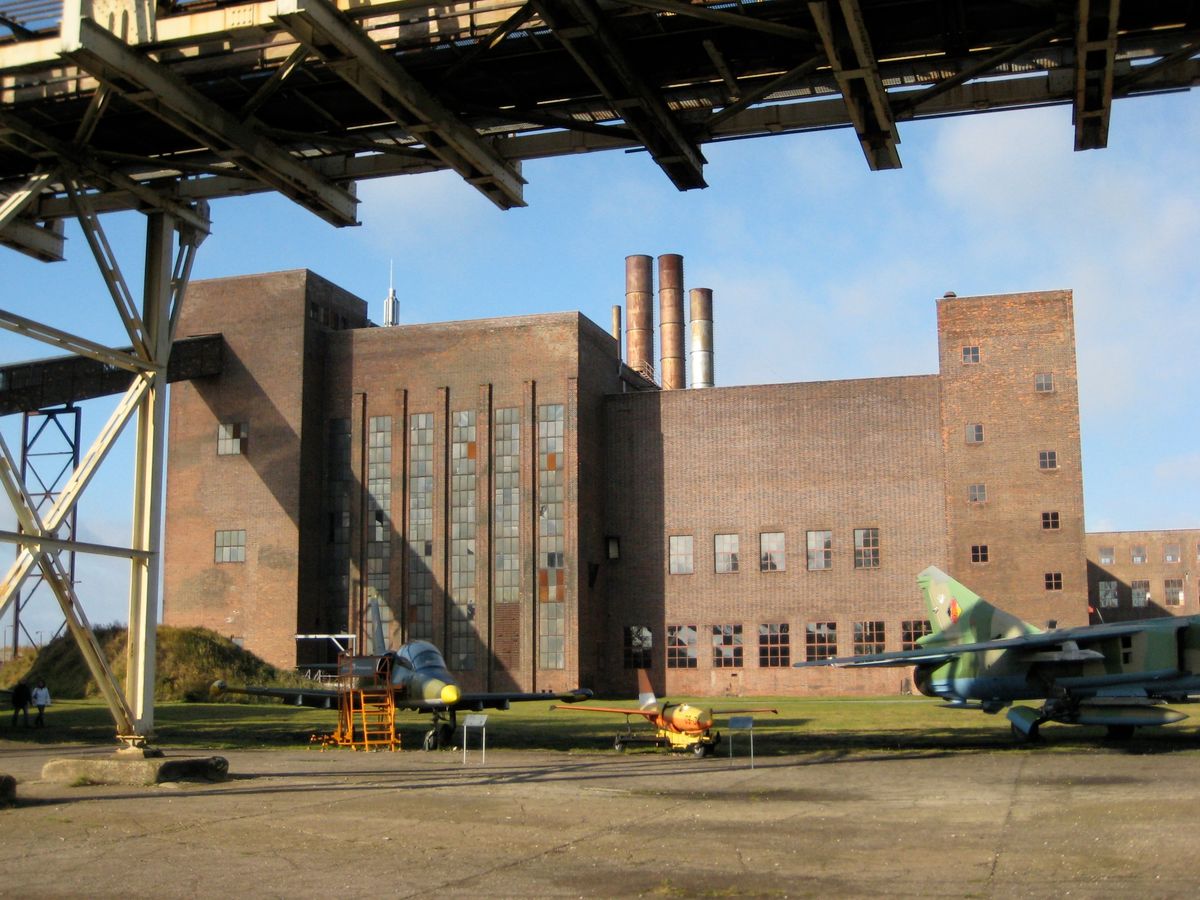
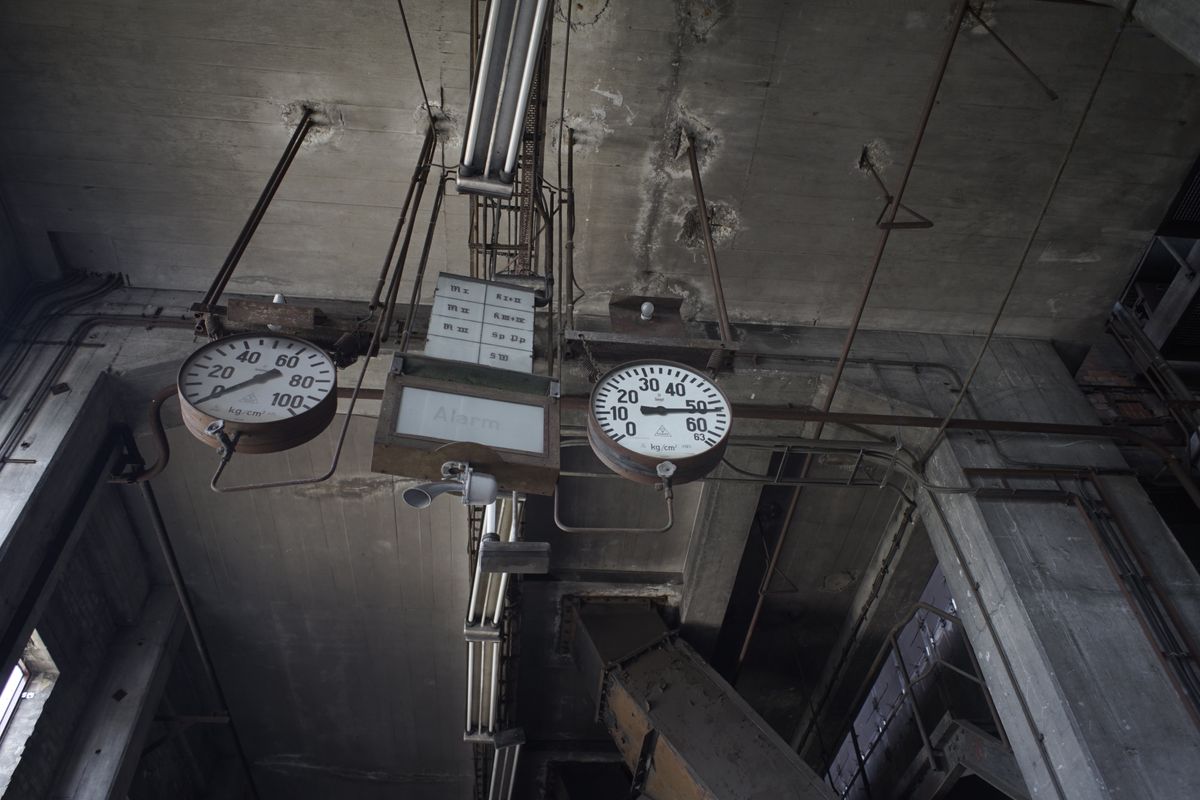
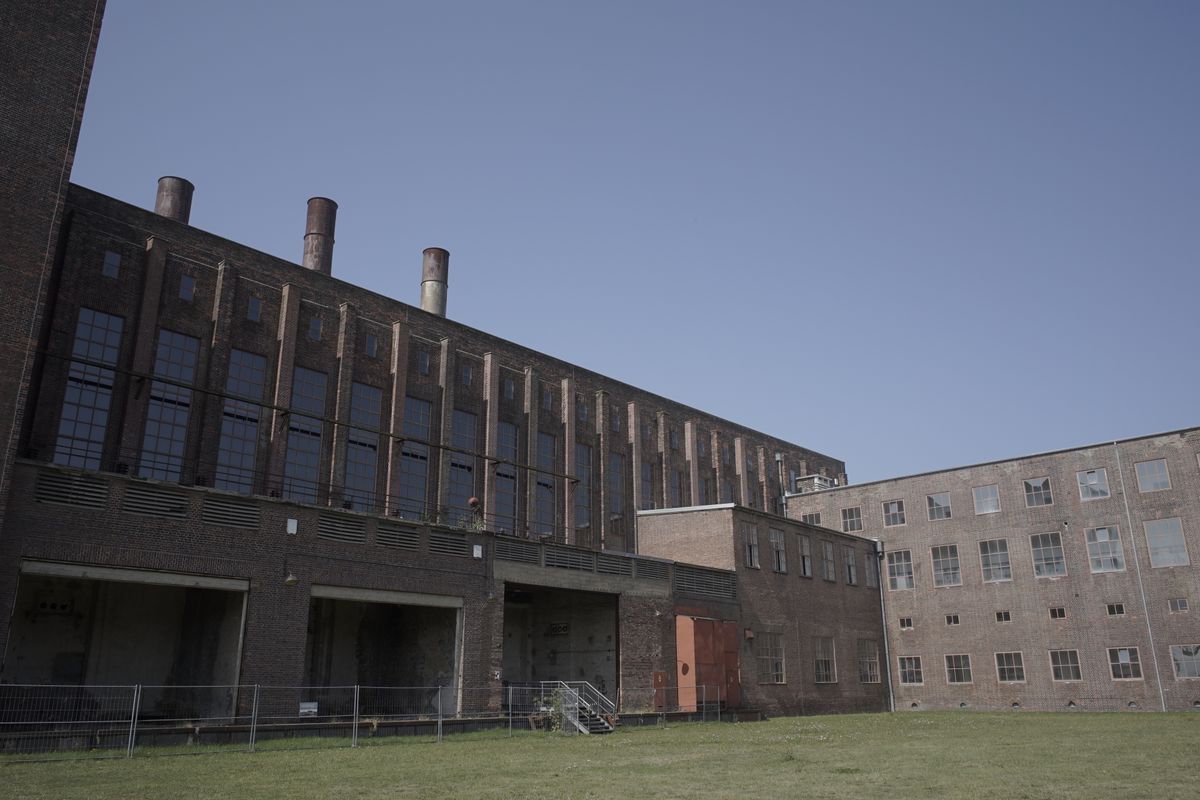
Old Power Plant of the Army Research Center in Peenemünde   Stephan Ruttloff/CC BY 2.0
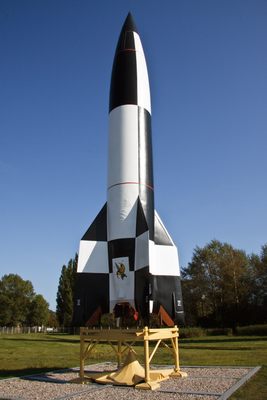
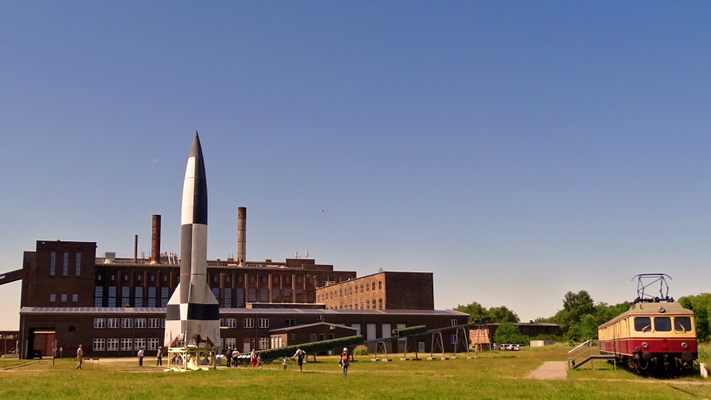
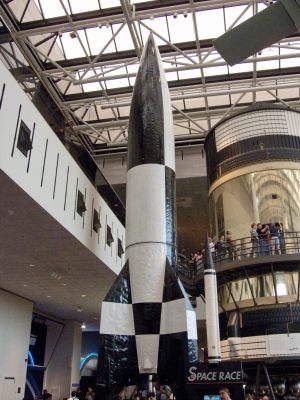
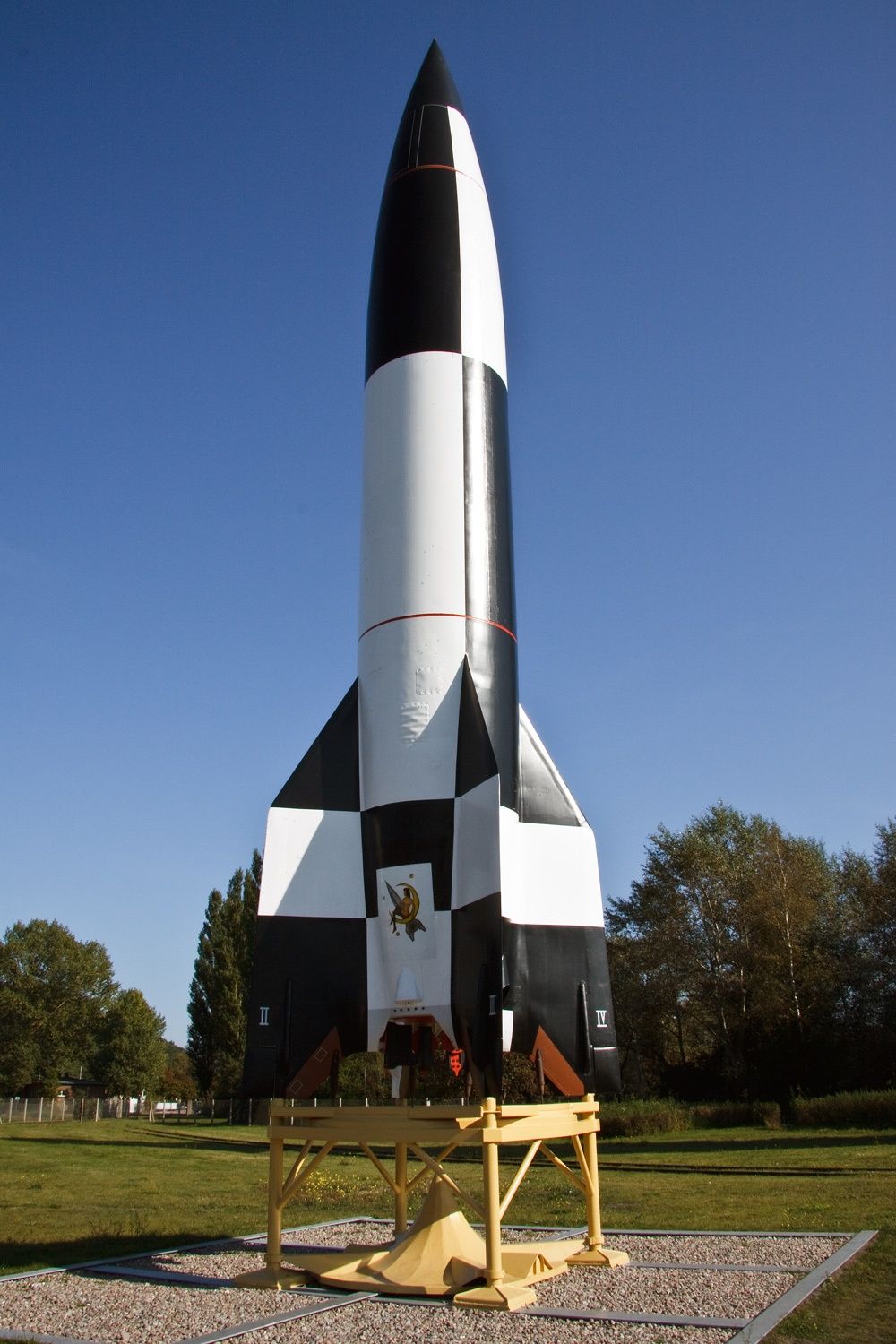
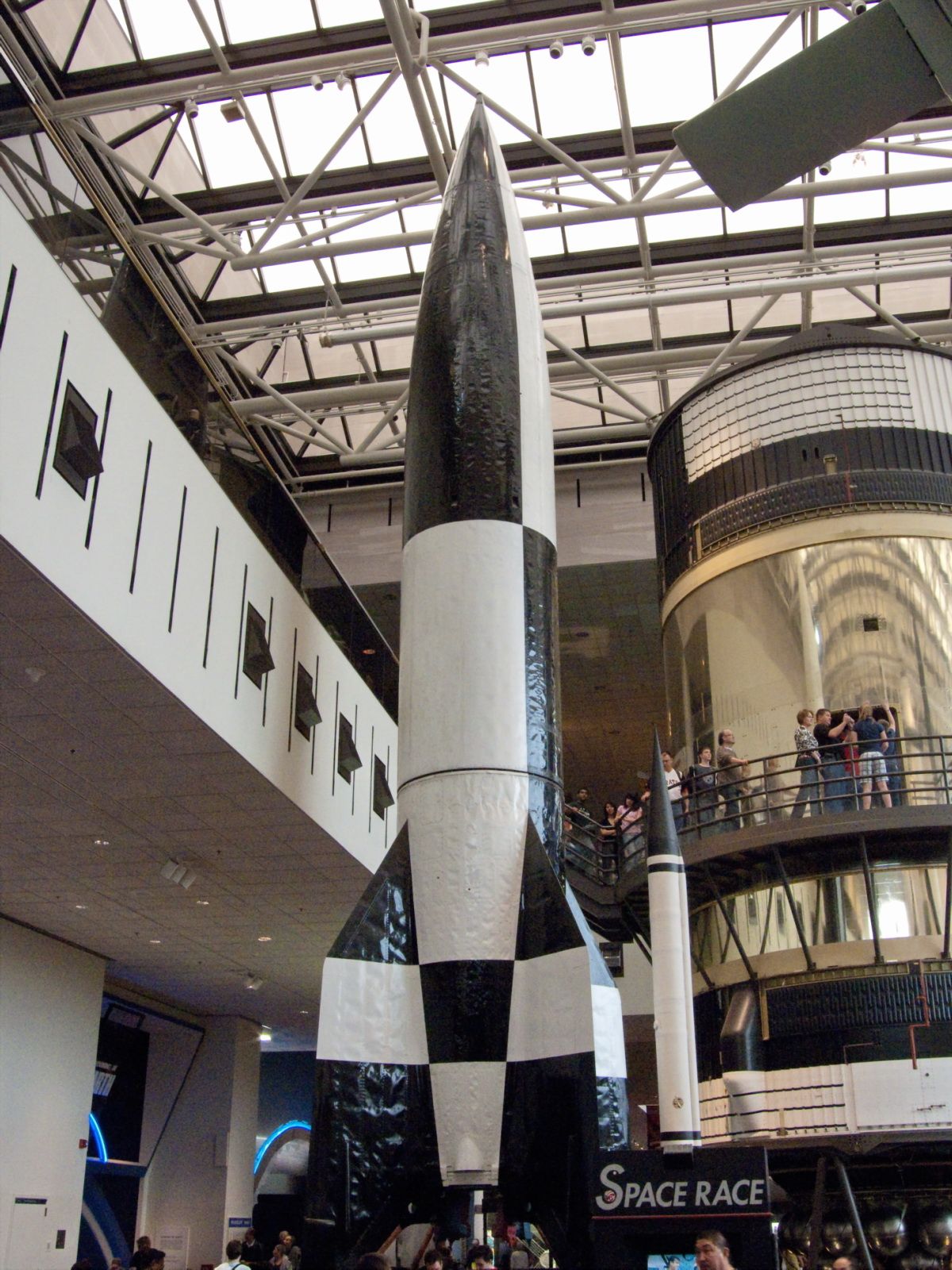
V-II Rocket at “Peenemünde Historisch-Technisches Museum”   Dirk Vorderstraße/CC BY 2.0
Test Stand X of the former Heeresversuchsanstalt Peenemünde was located roughly a quarter of a kilometer northeast of Test Stand VII. Test Stand X was used to test the A4/V2 missile for its military operationallity. Therefore, unlike Test Stand VII no extensive launch structures were created. Only one building has remained intact until today.   WvB77/Public Domain
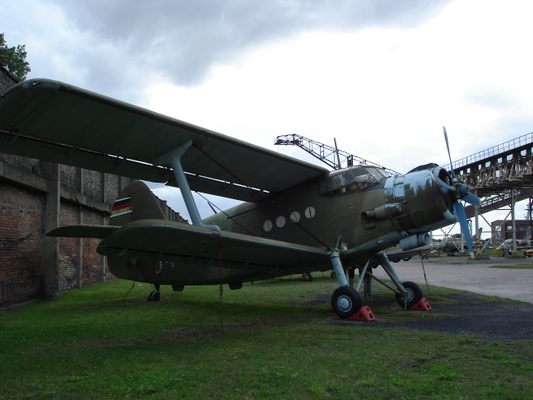
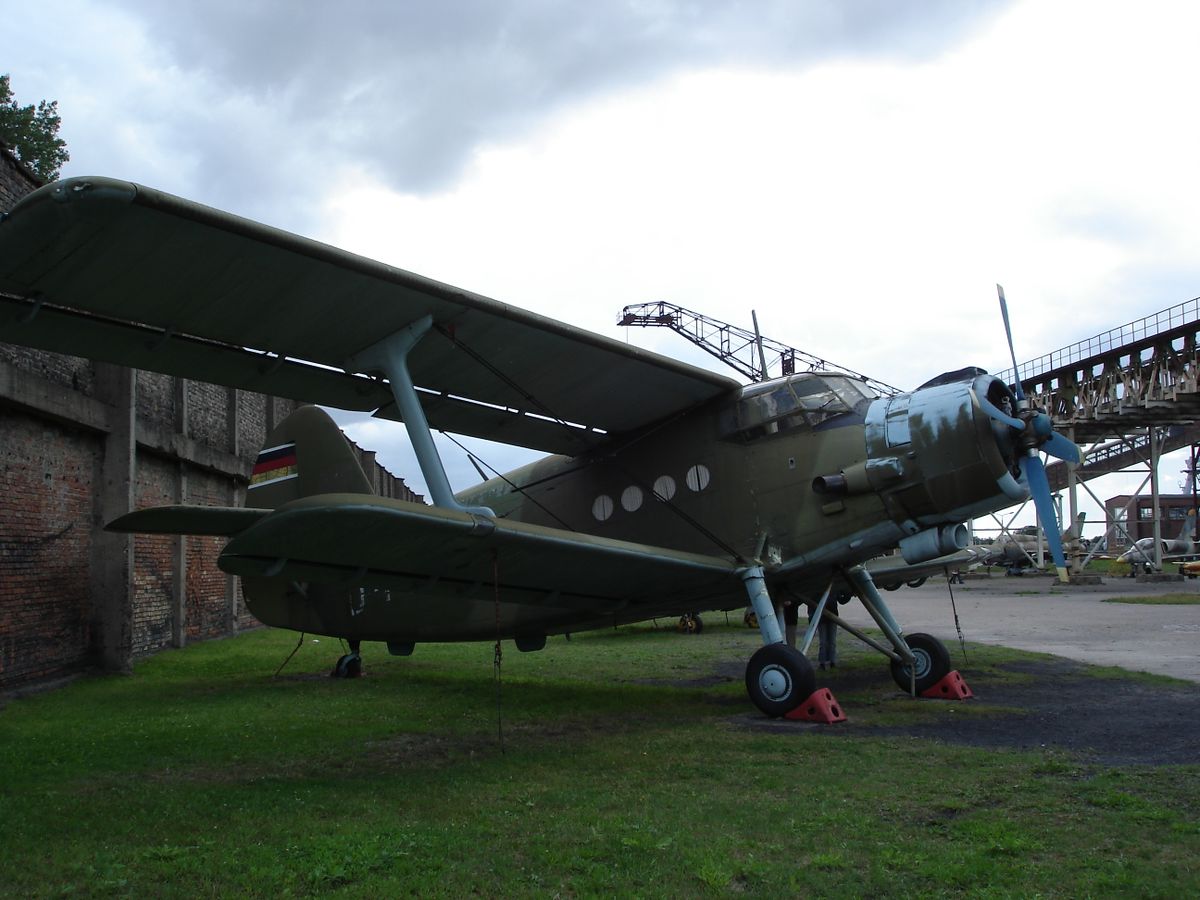
Plane at Peenemünde Historisch-Technisches Museum   Pw95/CC BY 2.0
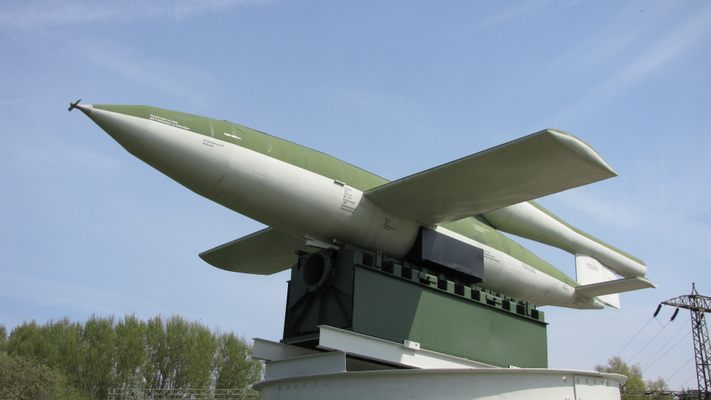
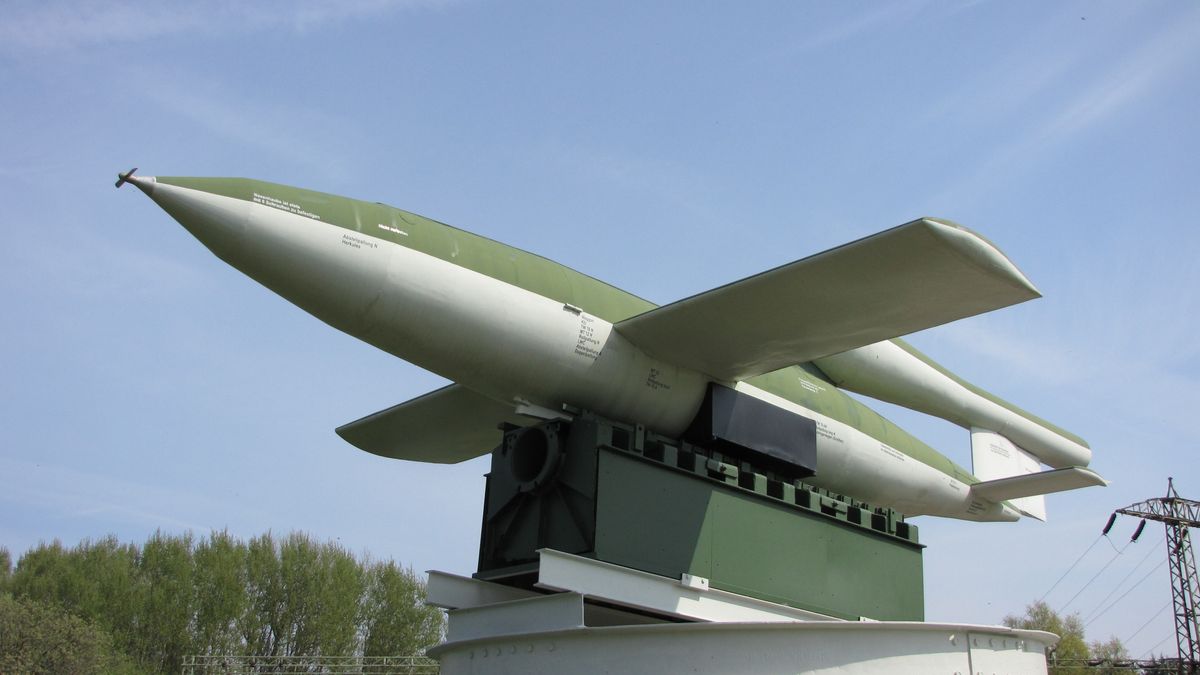
V-I rocket at Peenemünde Historisch-Technisches Museum   Marcin Polak/CC BY 2.0
Peenemünde Historisch-Technisches Museum   Hannes Richert/CC BY-SA 2.0
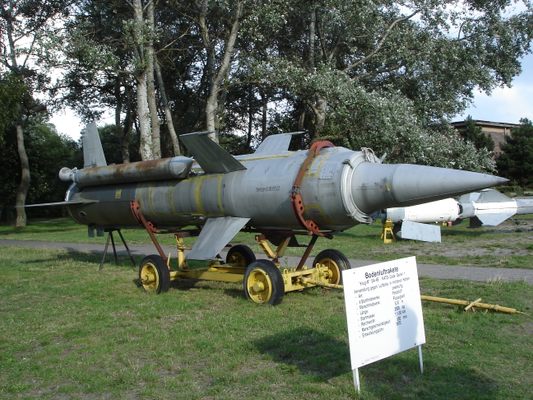
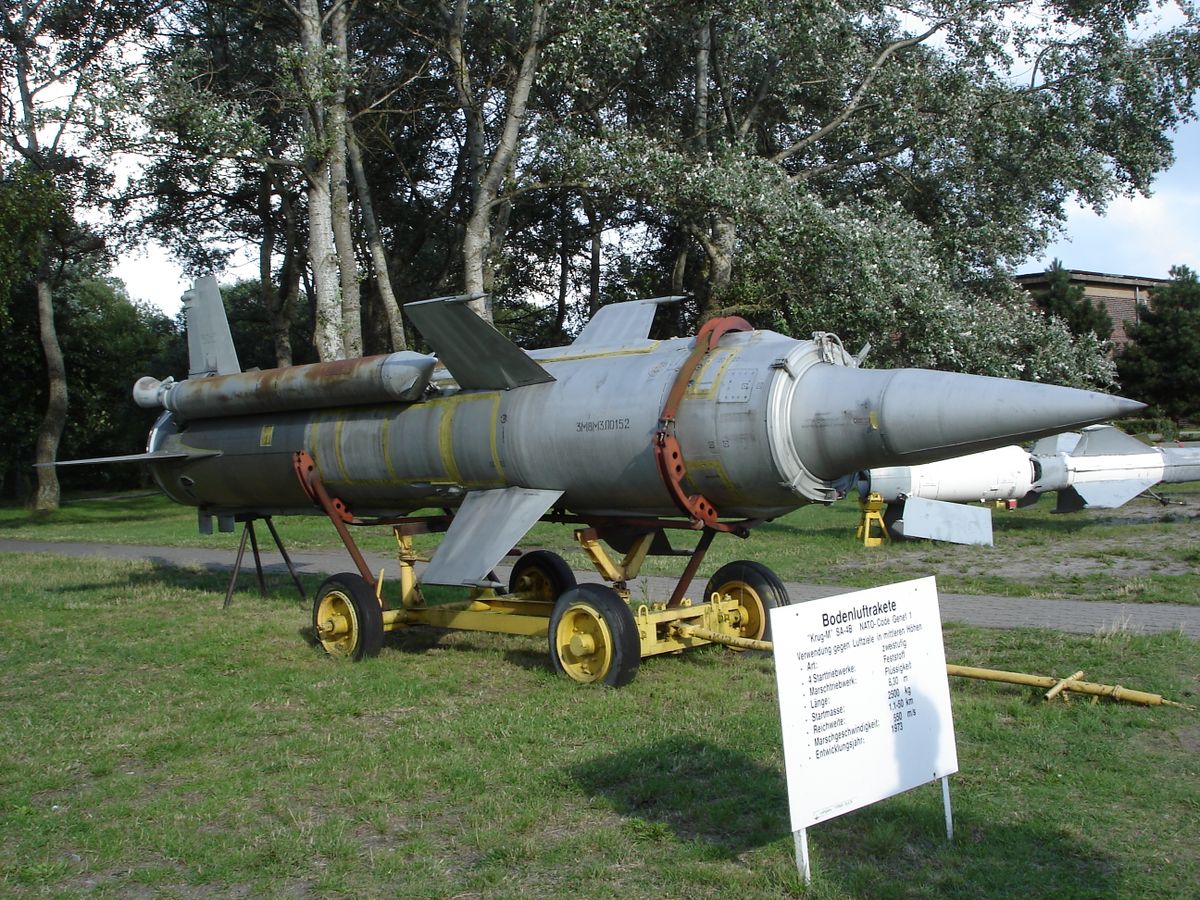
Krug-M SA-4B, Ground-Air Rocket build/produced in the 1950ies, at Peenemünde Historisch-Technisches Museum   Pw95/CC BY 2.0
Former Army Research Center Heeresversuchsanstalt Peenemünde”, Power Plant, now Peenemünde Historisch-Technisches Museum   neufal54/Public Domain
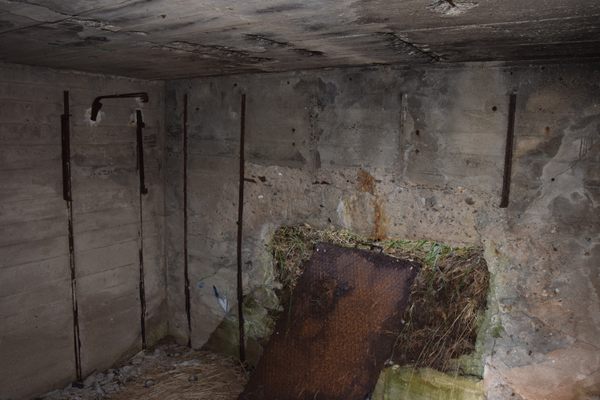
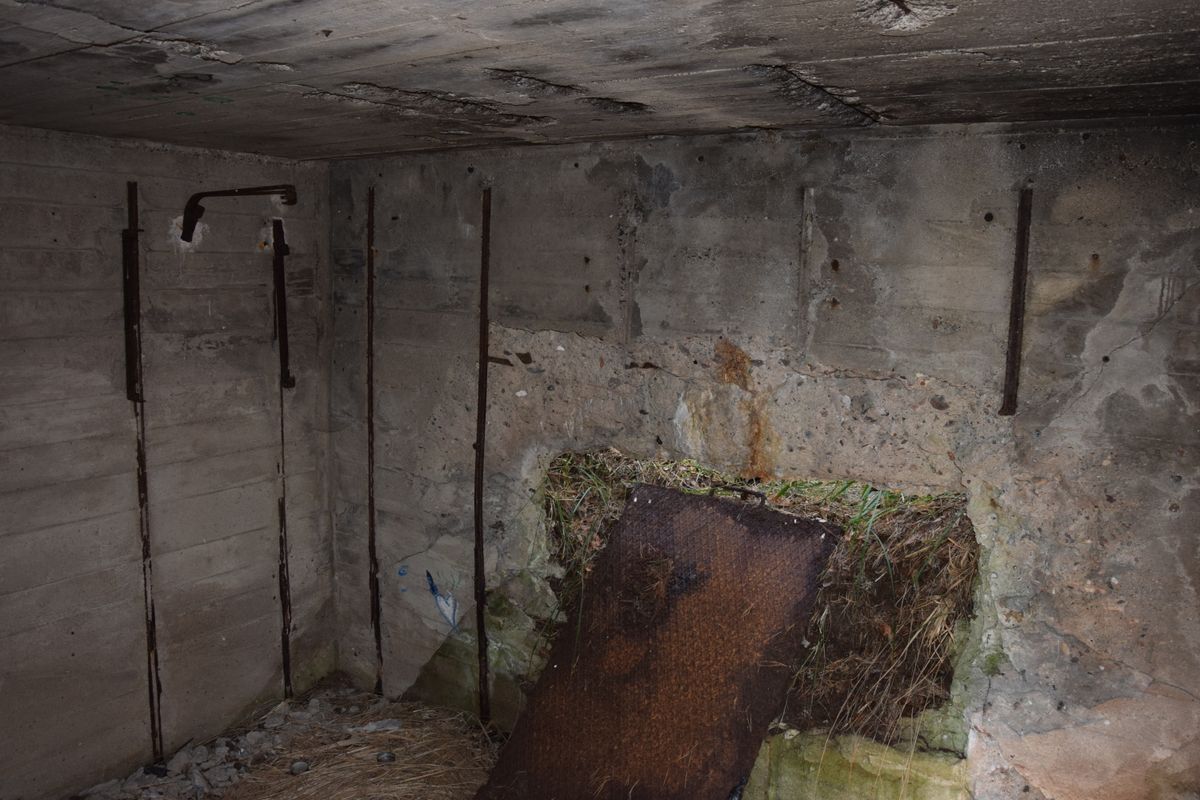
Inside an abandoned V-II test stand, former Army Research Center Peenemünde   WvB77/Public Domain
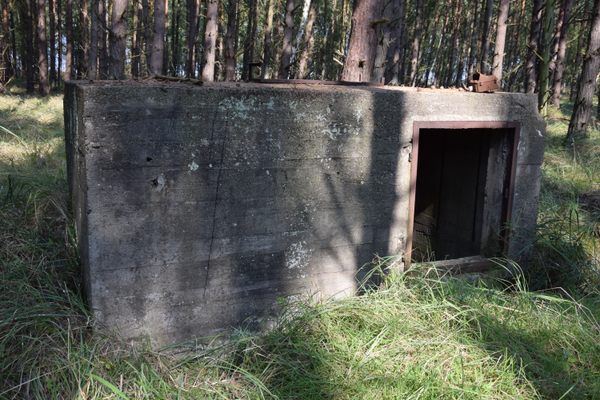
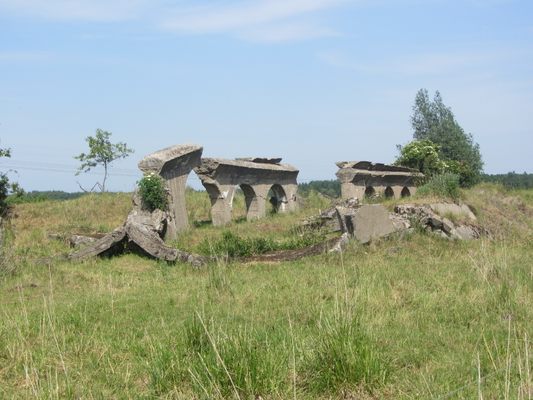
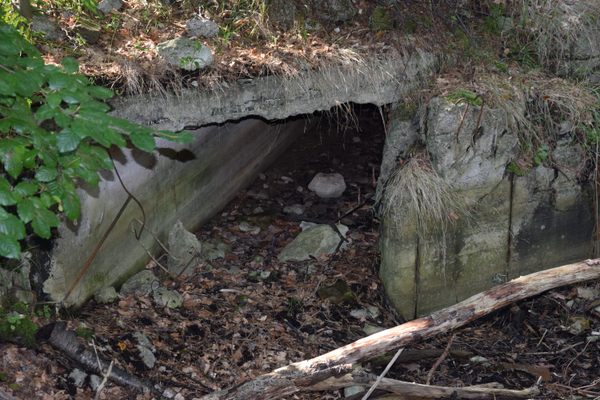
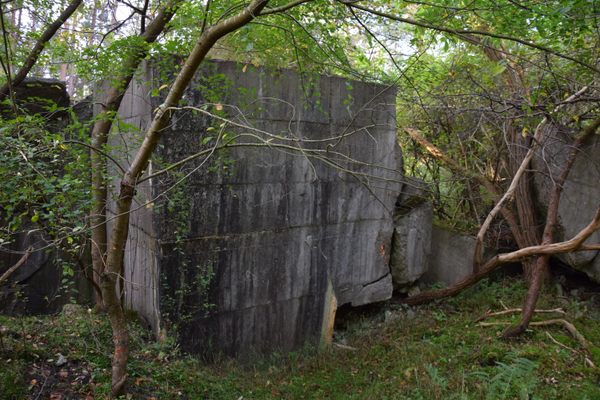
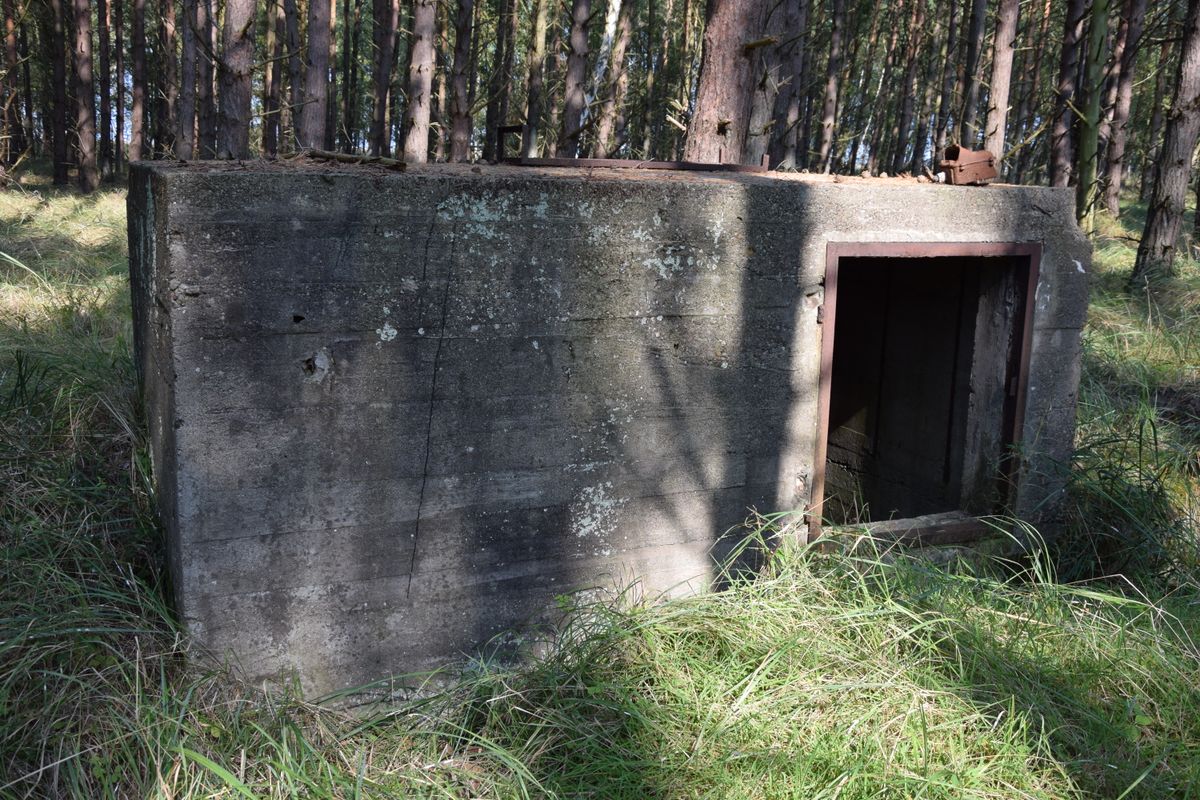
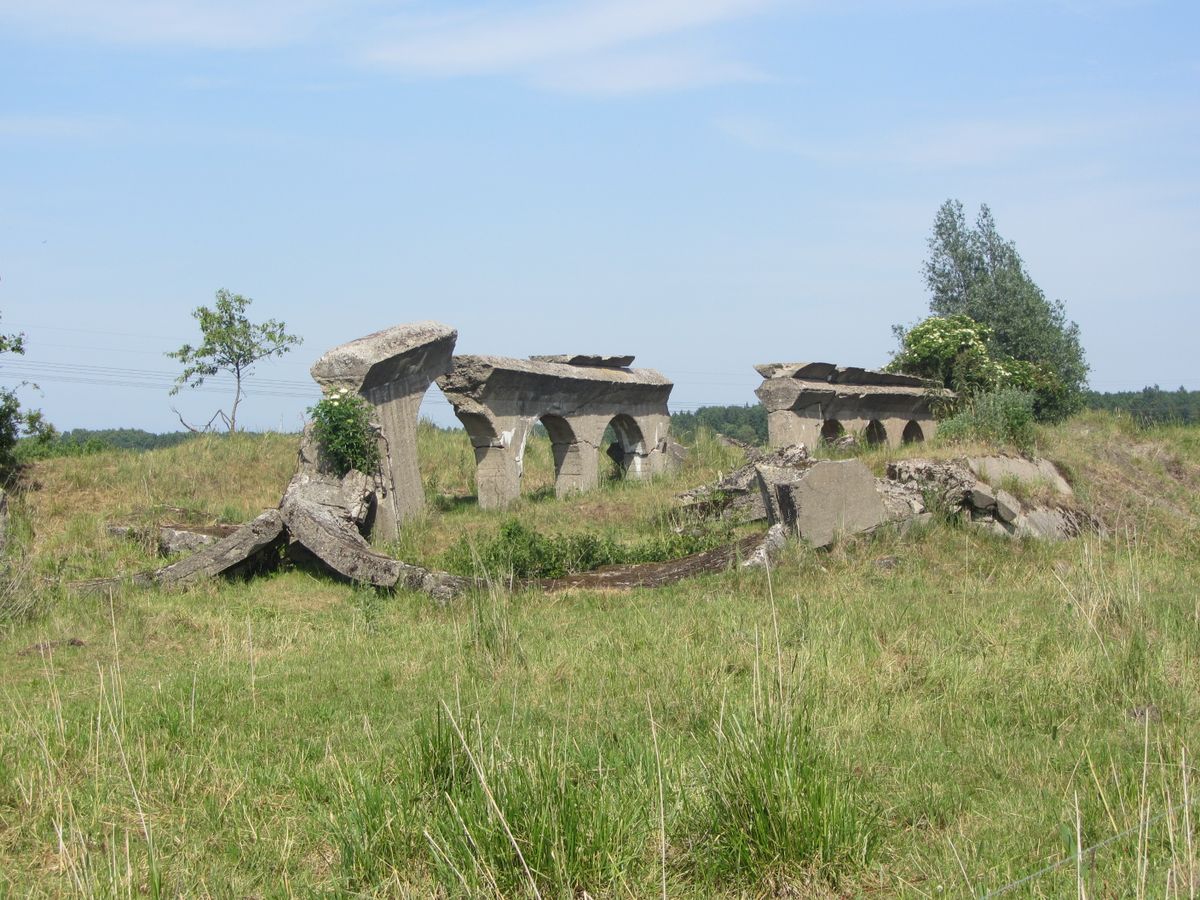
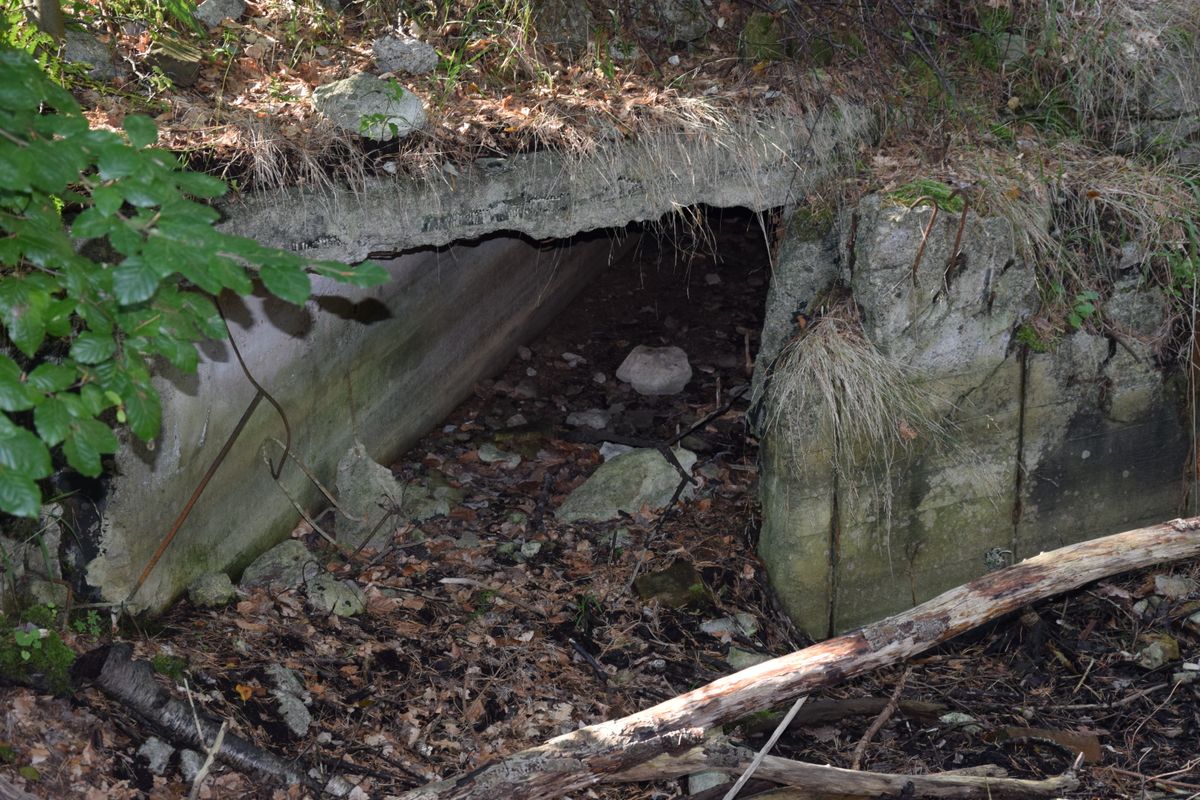
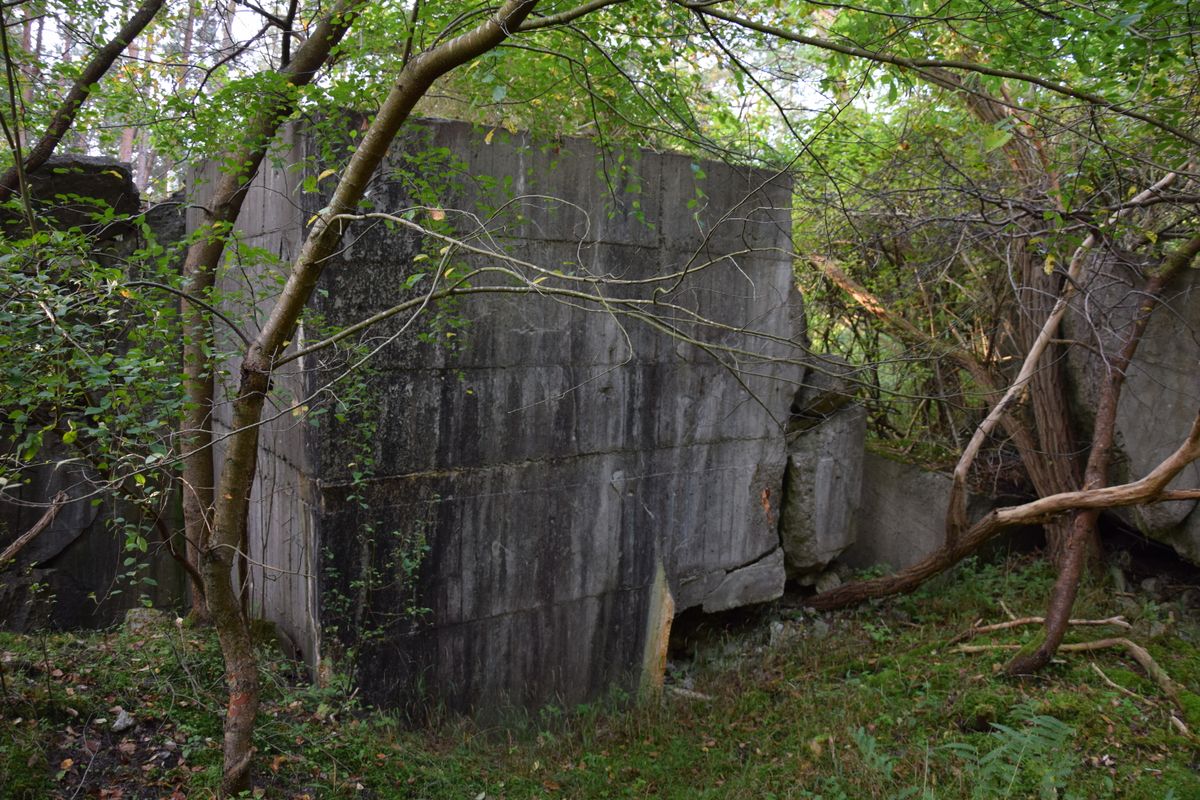
Ruins of a bunker at former Army Research Center Peenemünde   Niteshift/CC BY-SA 3.0
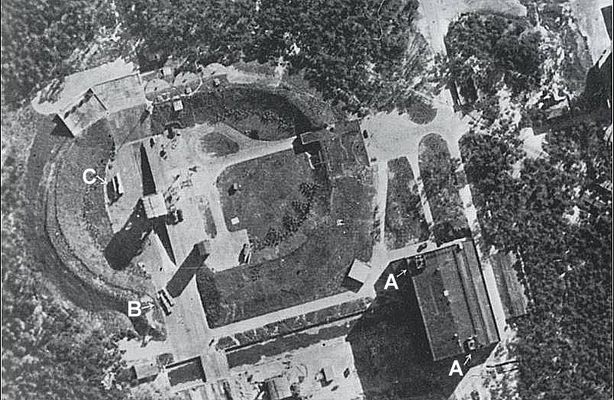
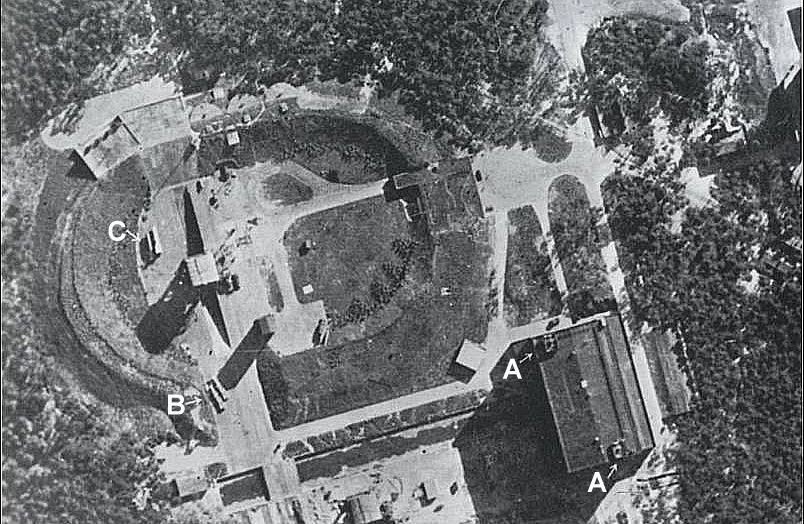
1943 Royal Air Force reconnaissance photograph of V-2 rockets at Peenemünde Test Stand VII   RAF Flight Sergeant E. P. H. Peek/Public Domain
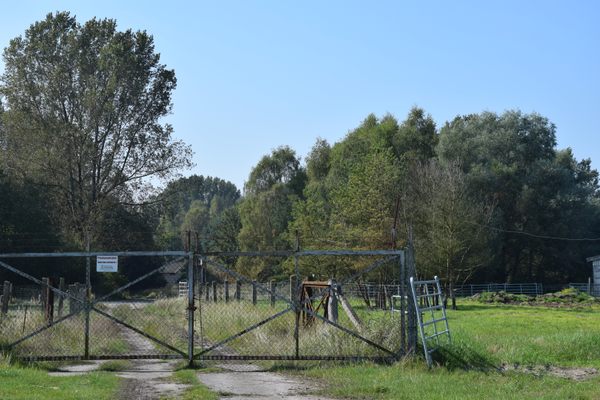
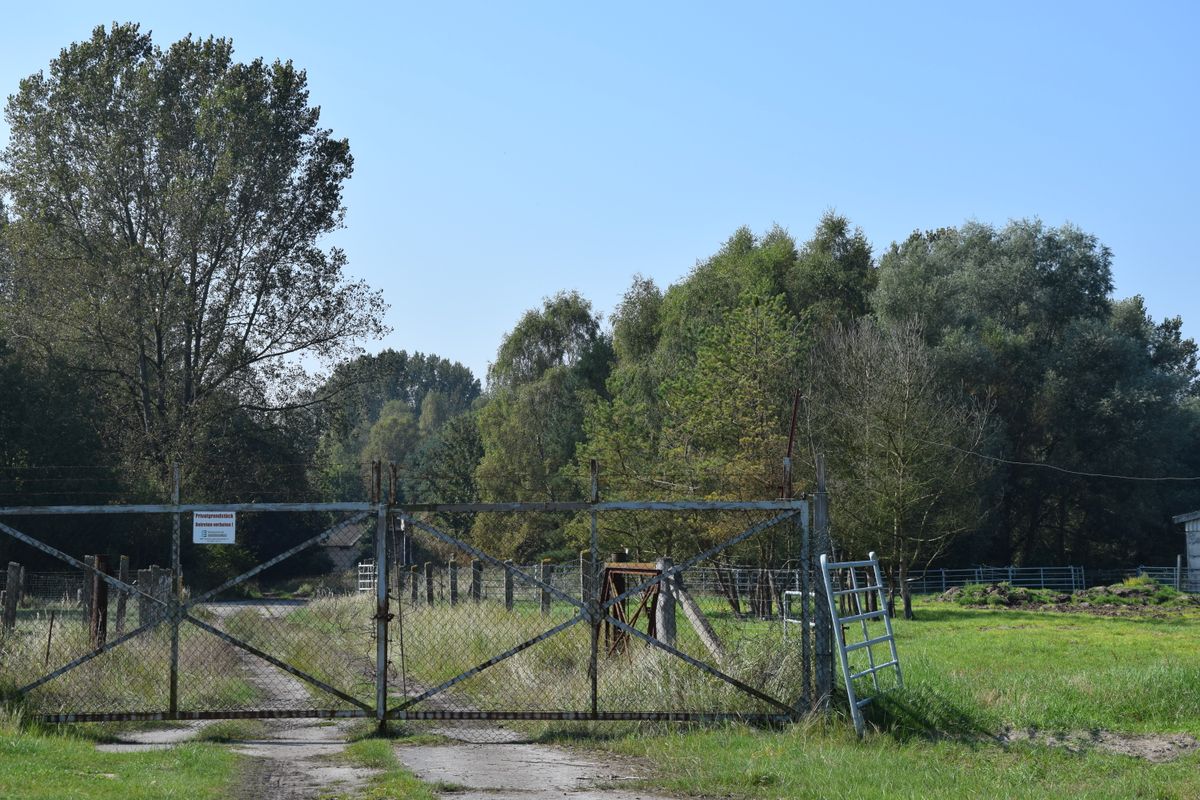
One of the gates to former Peenemunde Army Research Center Peenemünde   WvB77/Public Domain
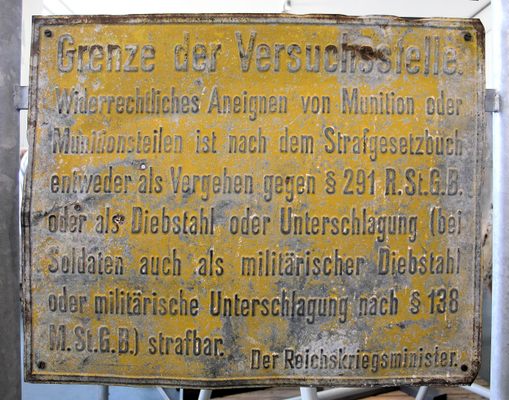
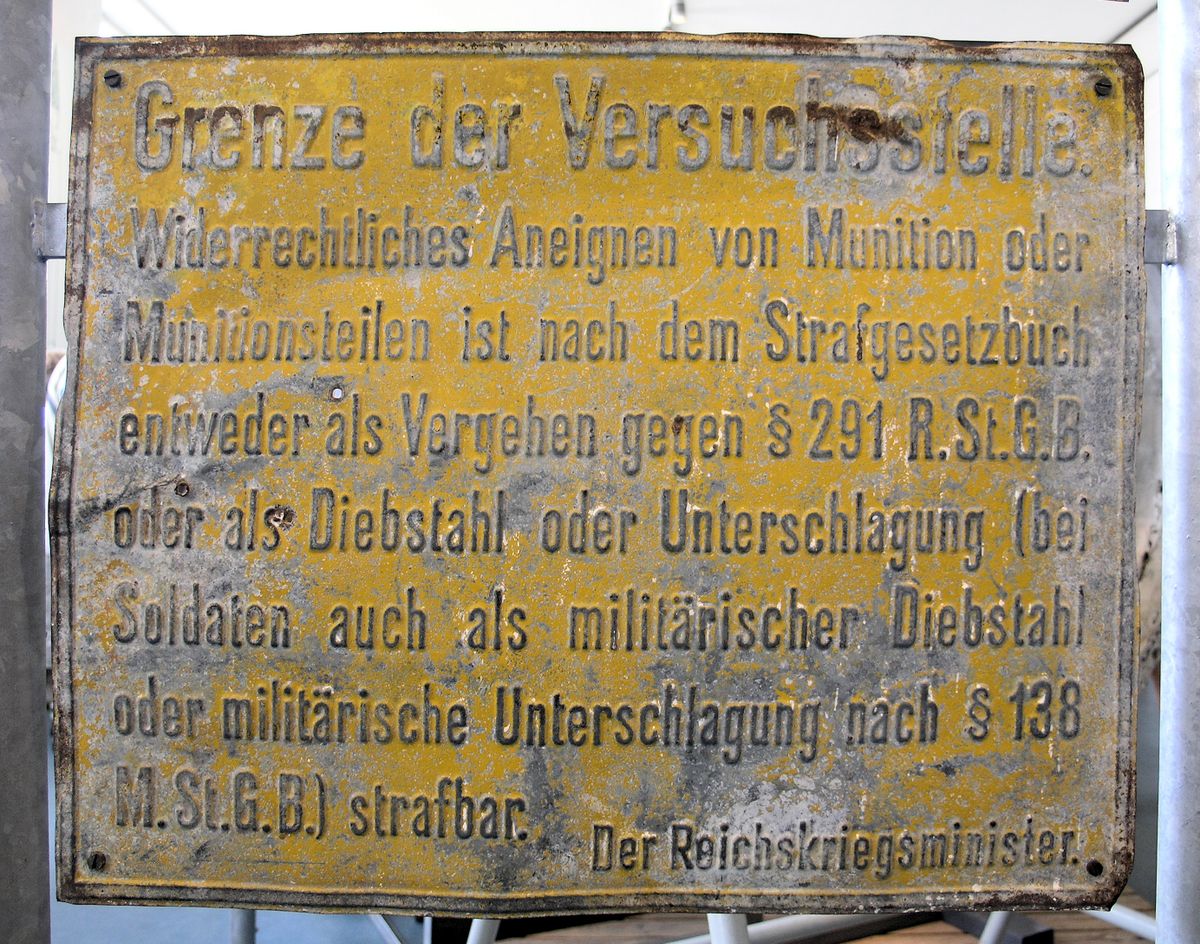
Old sign at the former Army Research Center Peenemünde   OTFW, Berlin/CC BY-SA 3.0
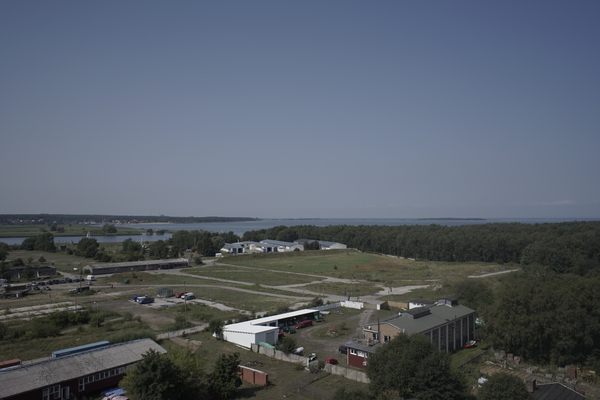
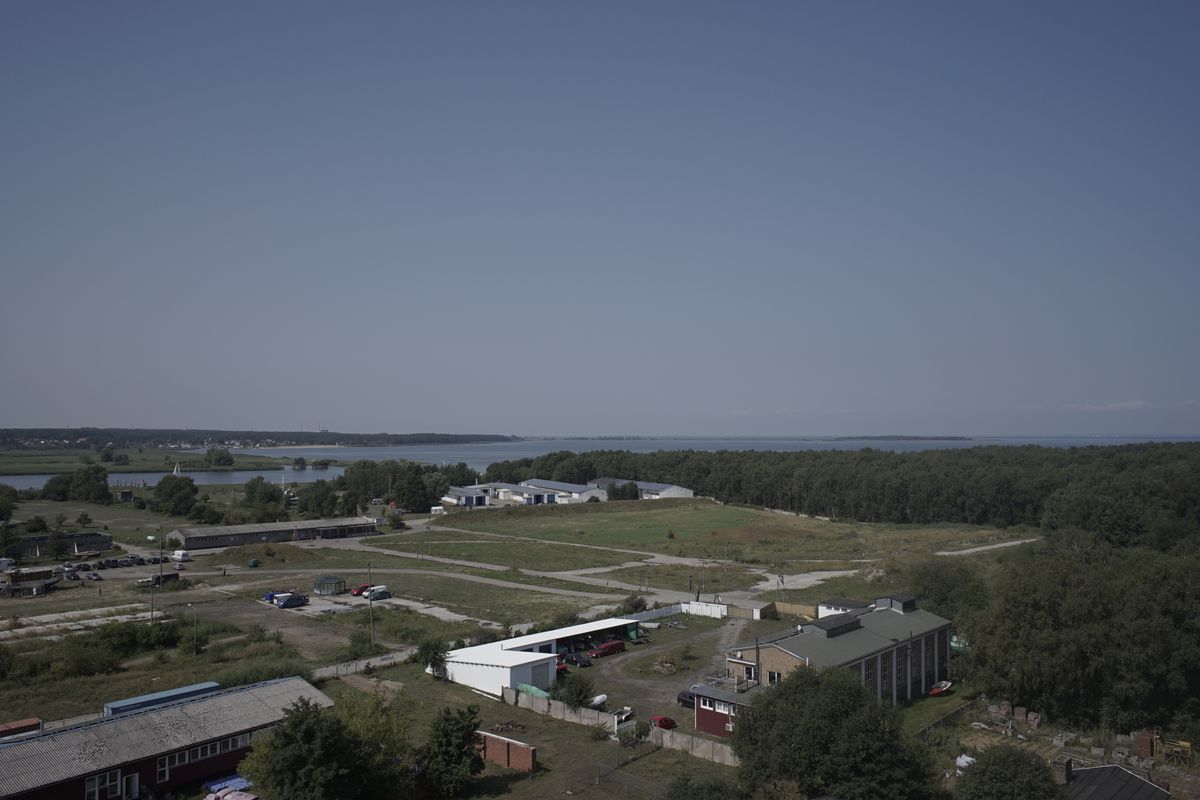
View from the roof of Powerhouse   honzahol / Atlas Obscura User
Abandoned Bomb Shelter at the former Army Research Center Peenemünde   WvB77/Public Domain
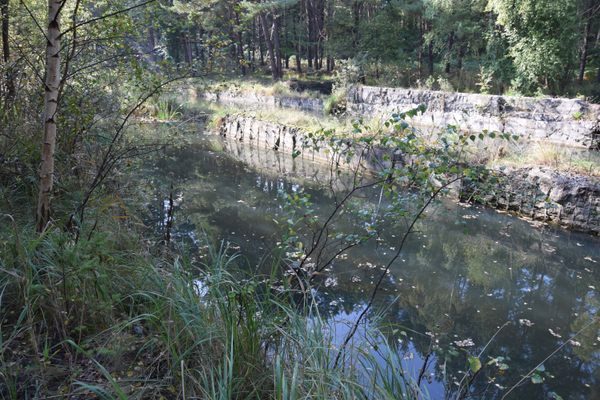
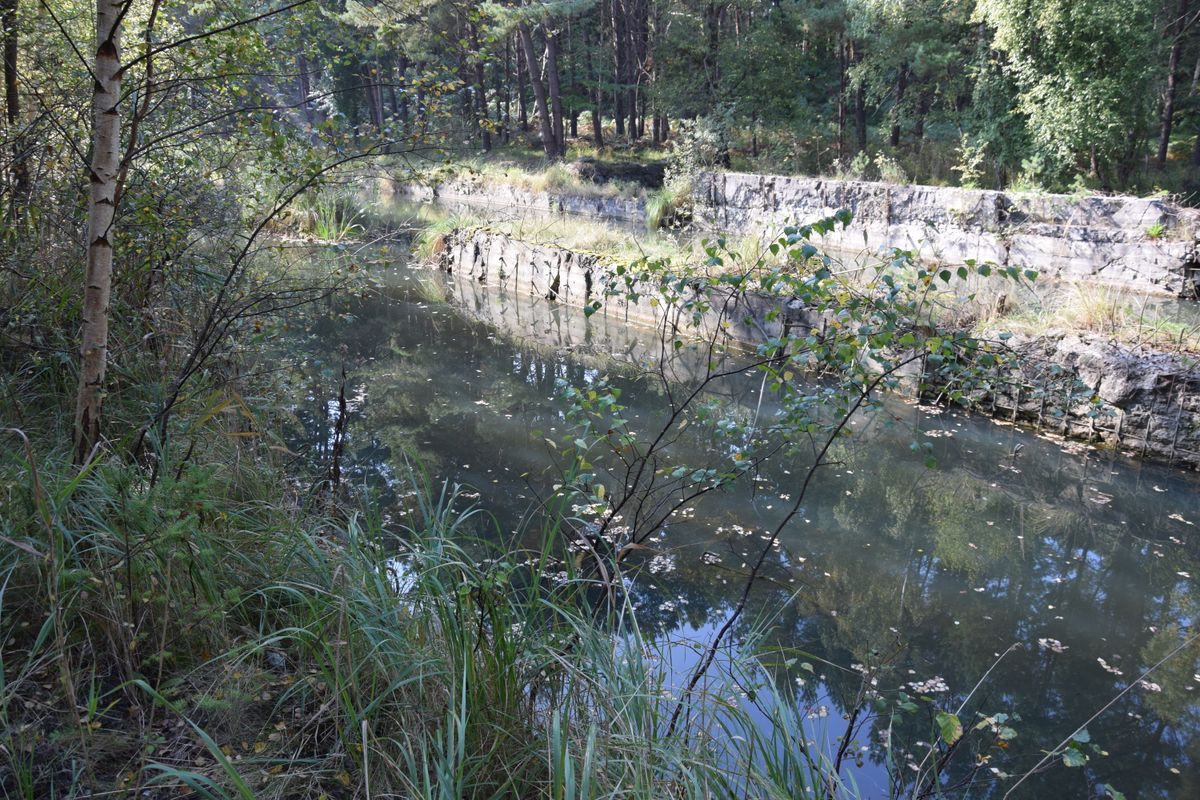
Flooded exhaust deflector at abandoned launch area for V-2. According to an information board it has a depth of 6 meters. Peenemünde   WvB77/Public Domain
Opening leading to an underground channel at former Army Research Center Peenemünde   WvB77/Public Domain
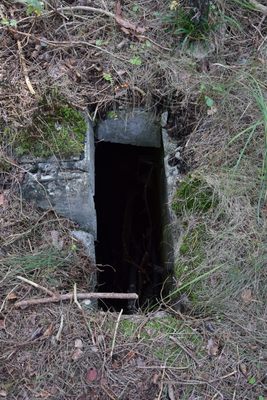
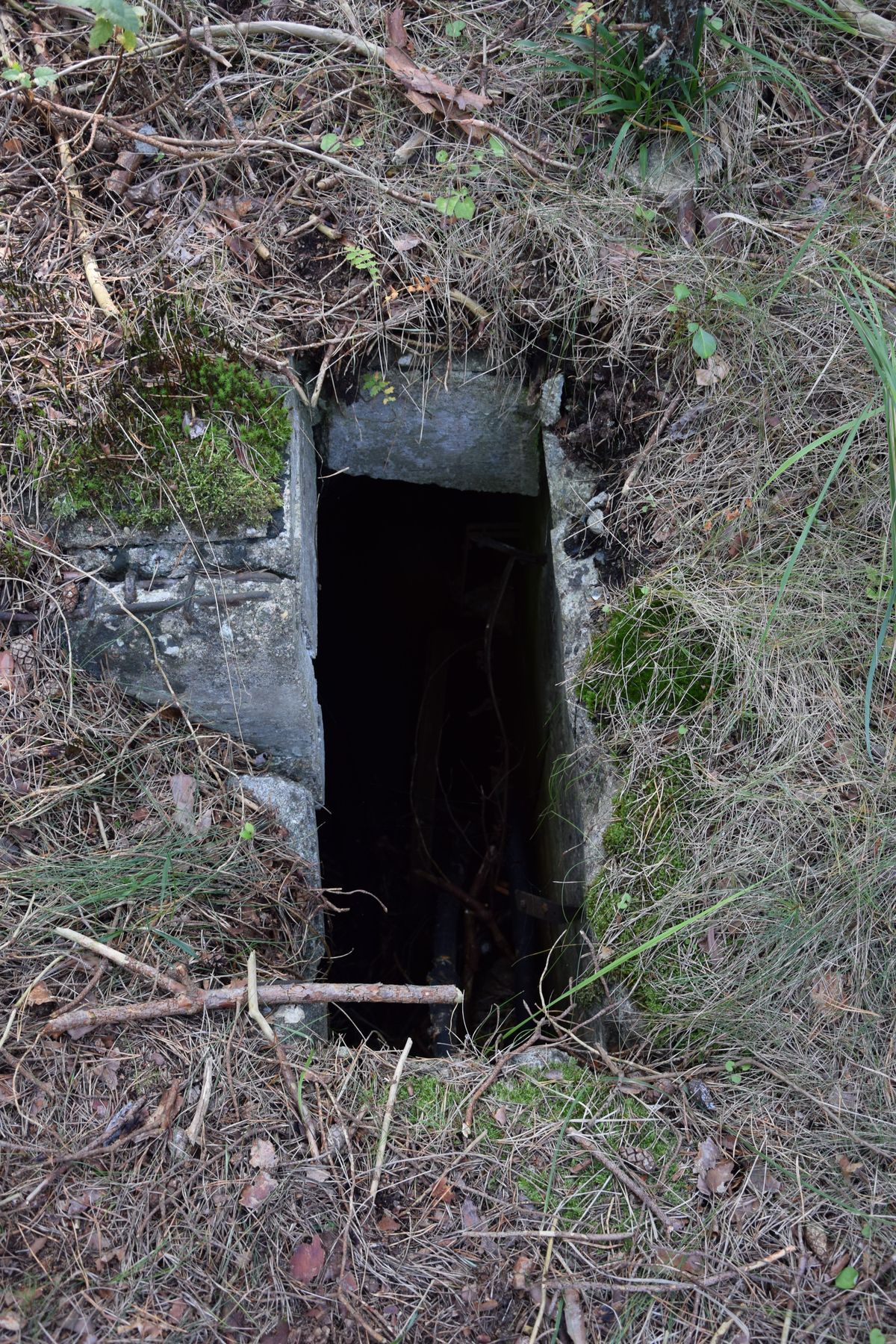
Entranance to an underground channel at former Army Research Center Peenemünde   WvB77/Public Domain
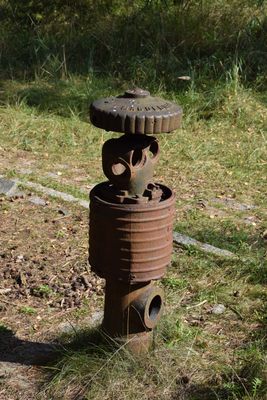
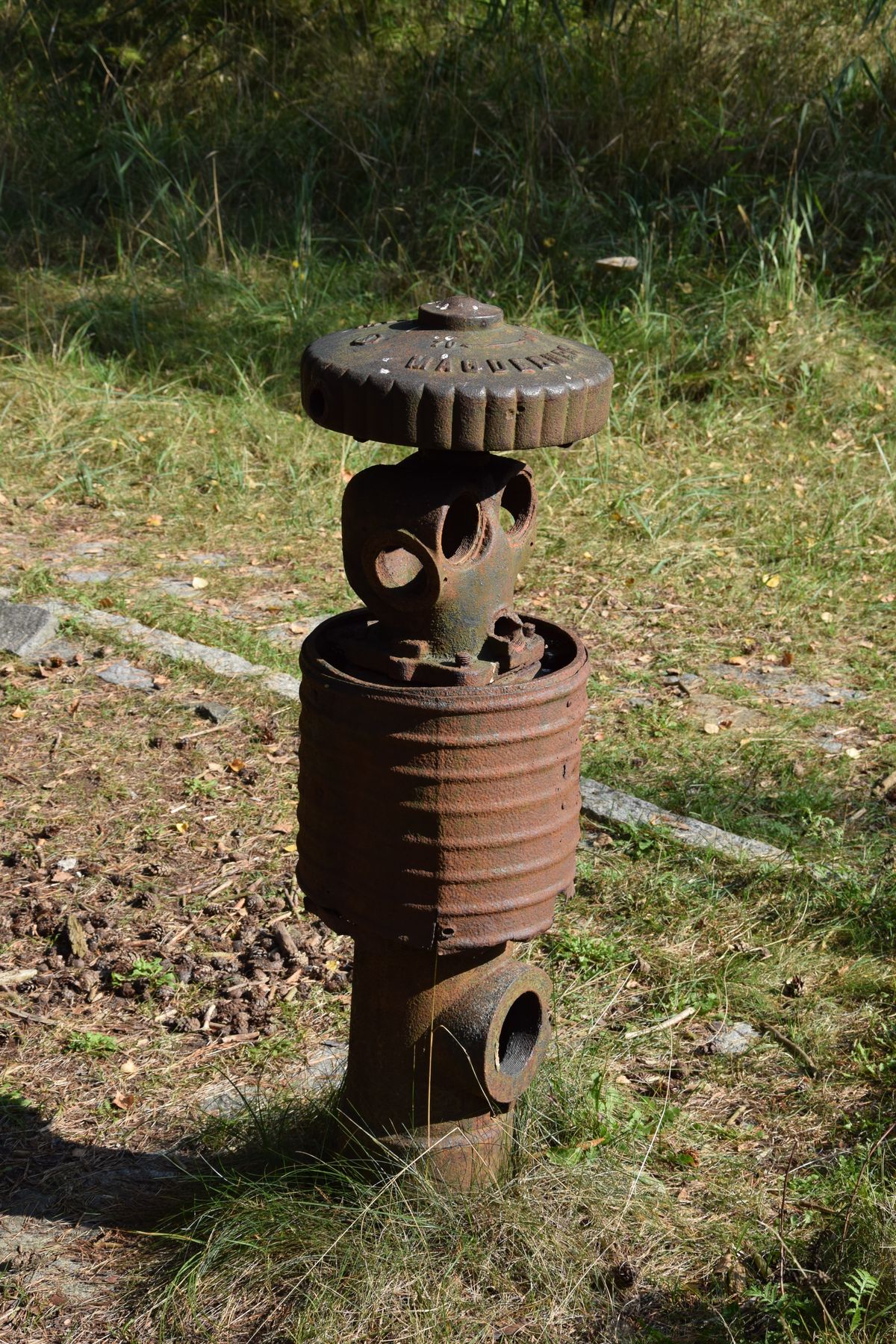
Water hydrant at Test Stand VII at former Army Research Center Peenemünde   WvB77/Public Domain
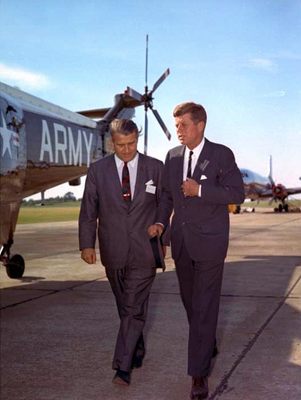
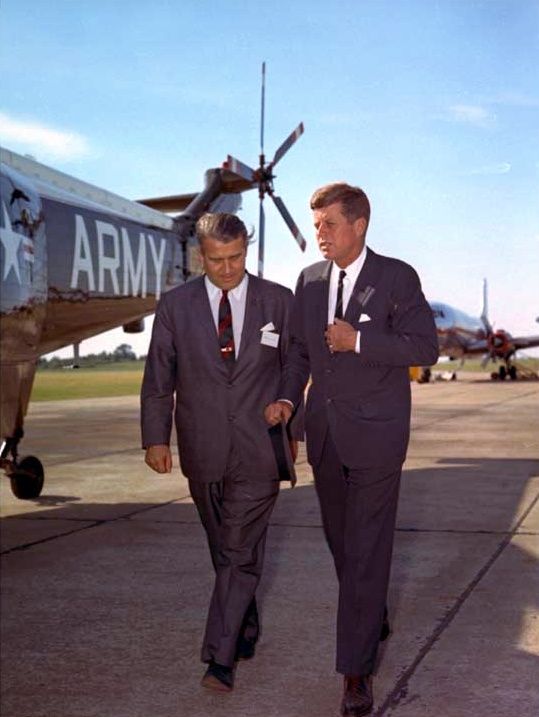
President John F Kennedy and Wernher von Braun   NASA/Public Domain
Former Power Plant, now the “Peenemünde Historisch-Technisches Museum”   Katherine Sharpe/CC BY 2.0
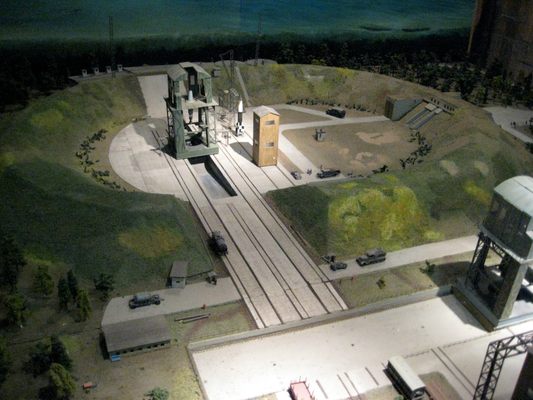
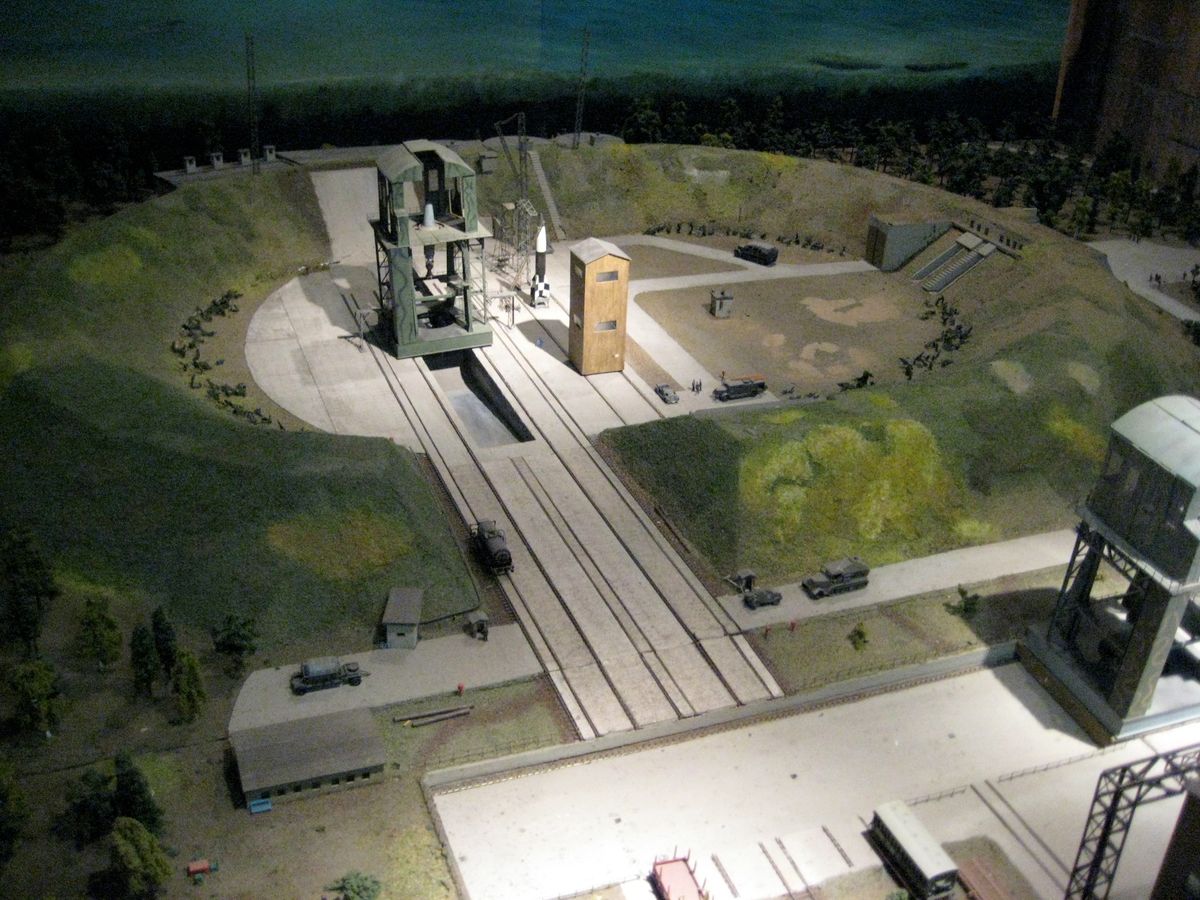
Part of a model of the whole rocket test-stand area at Peenemünde, “Peenemünde Historisch-Technisches Museum”   Katherine Sharpe/CC BY 2.0
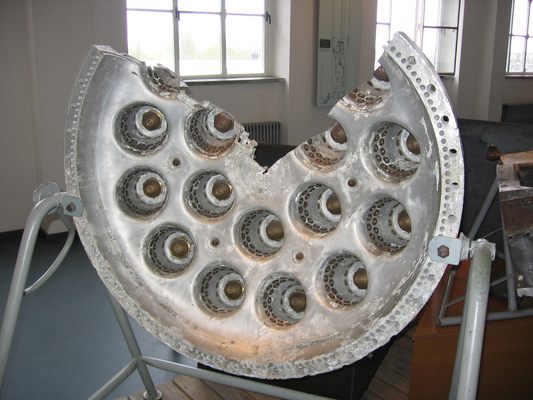
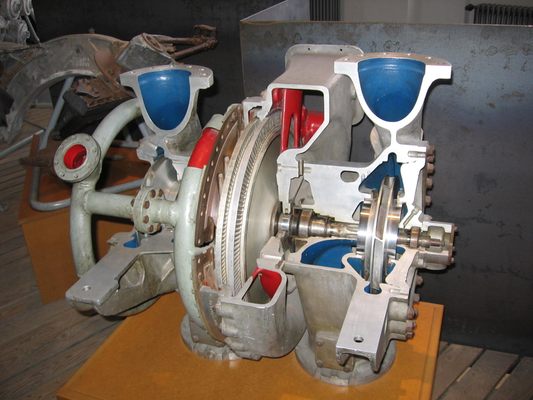
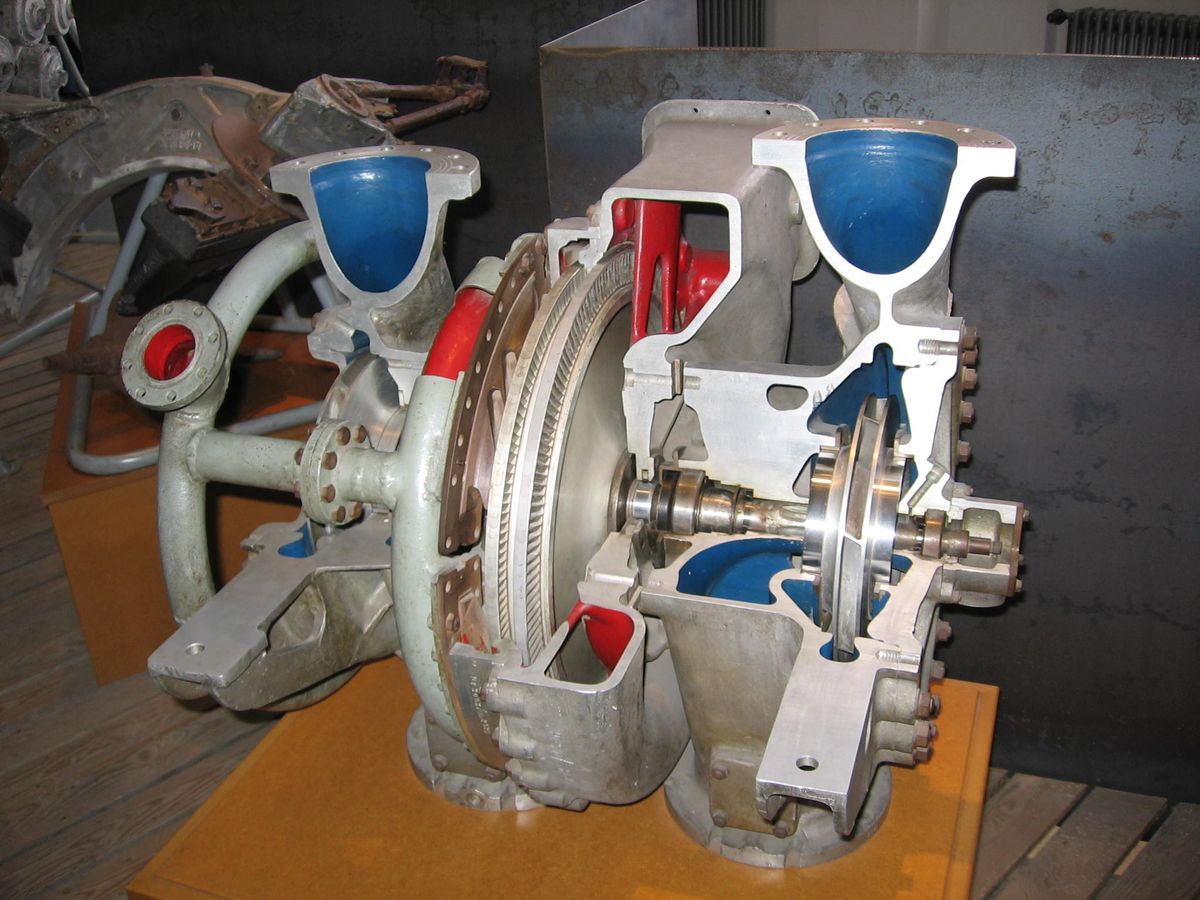
Exhibition at “Peenemünde Historisch-Technisches Museum”   Marcin Chady/CC BY 2.0
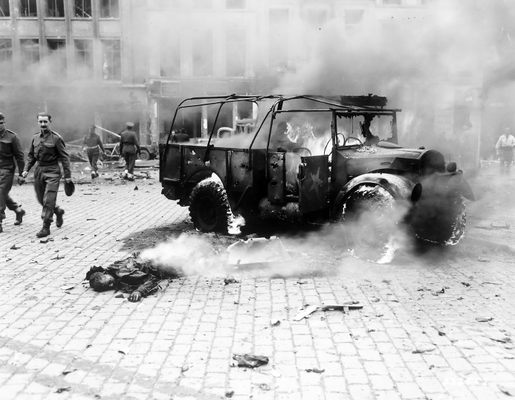
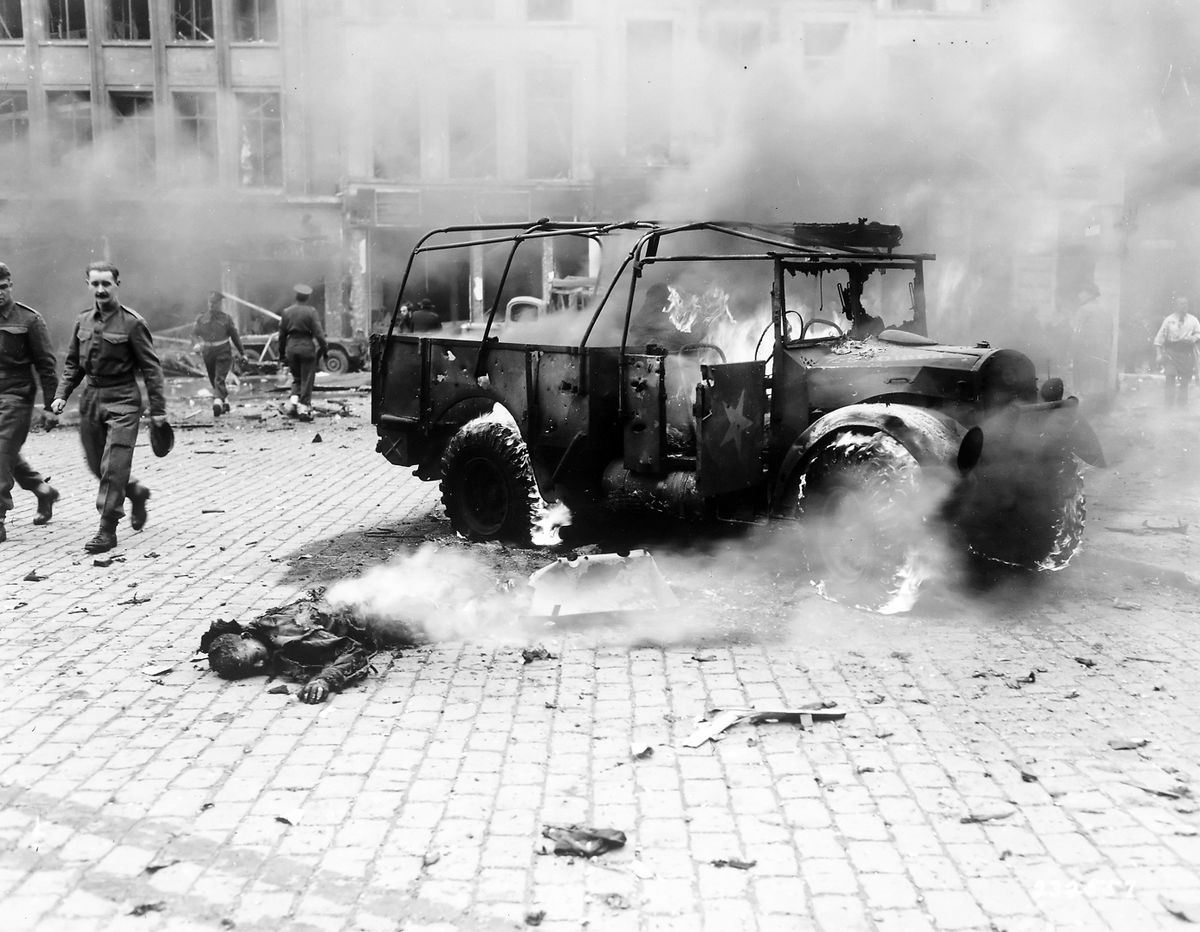
After an attack of a V-2 on a main intersection in Antwerp, Belgium, 27th November 1944   American Military Activity/Public Domain
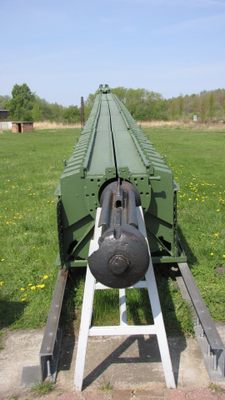
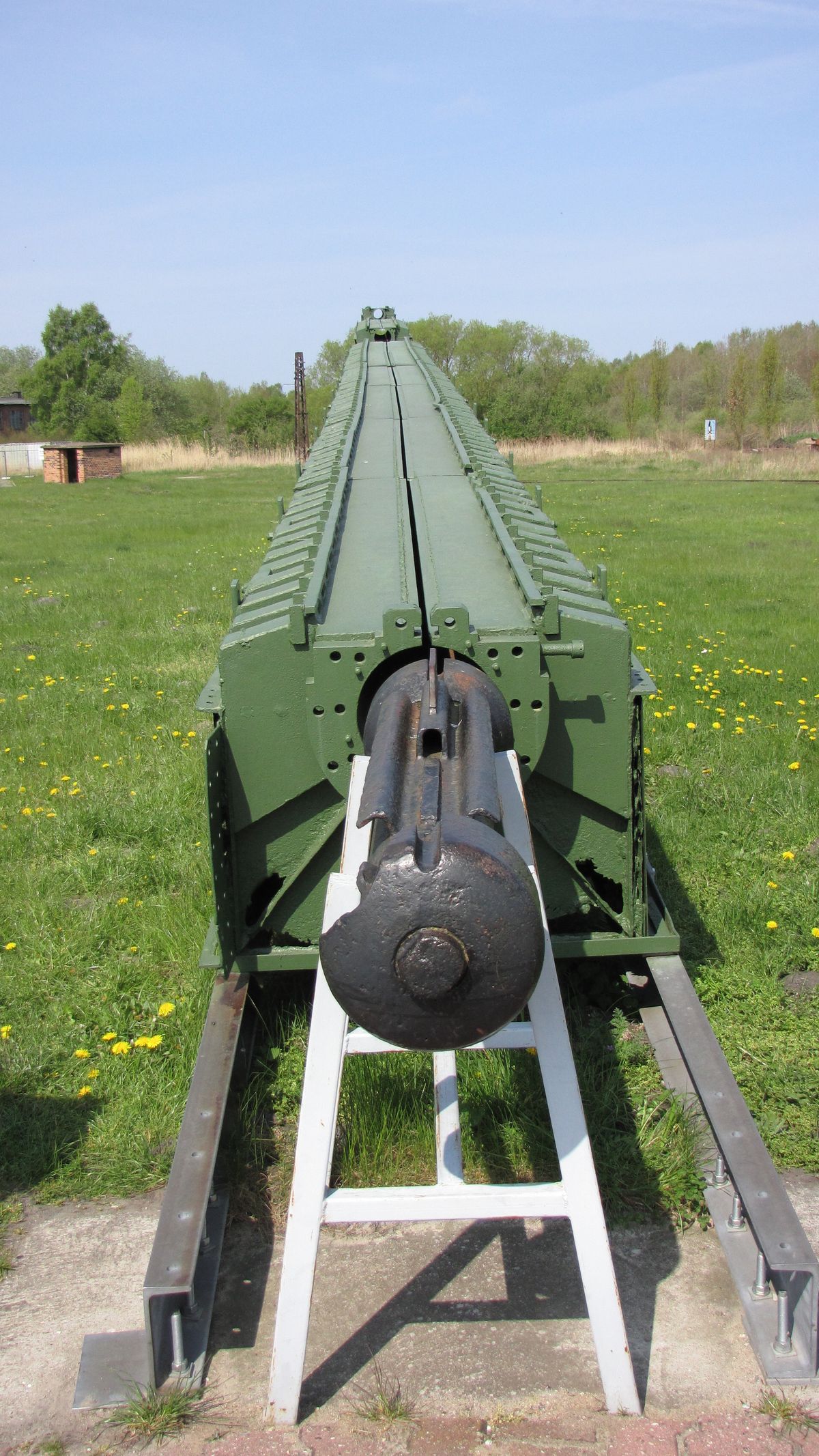
Rocket Launcher for V-I, Peenemünde Historisch-Technisches Museum   Marcin Polak/CC BY 2.0
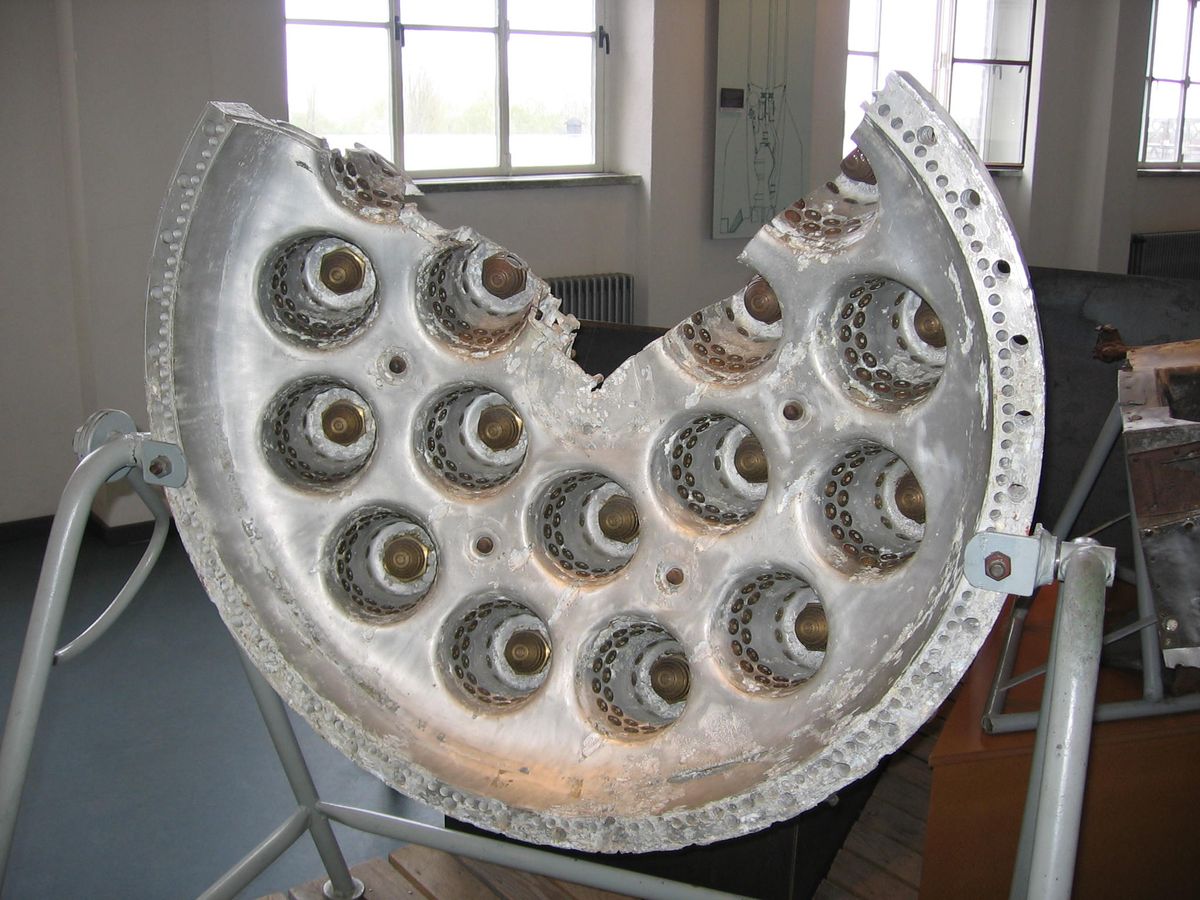
V-II Rocket at Peenemünde Historisch-Technisches Museum   Cliff/CC BY 2.0
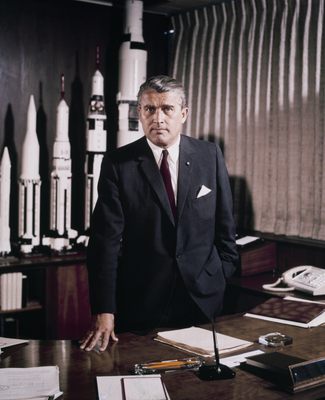
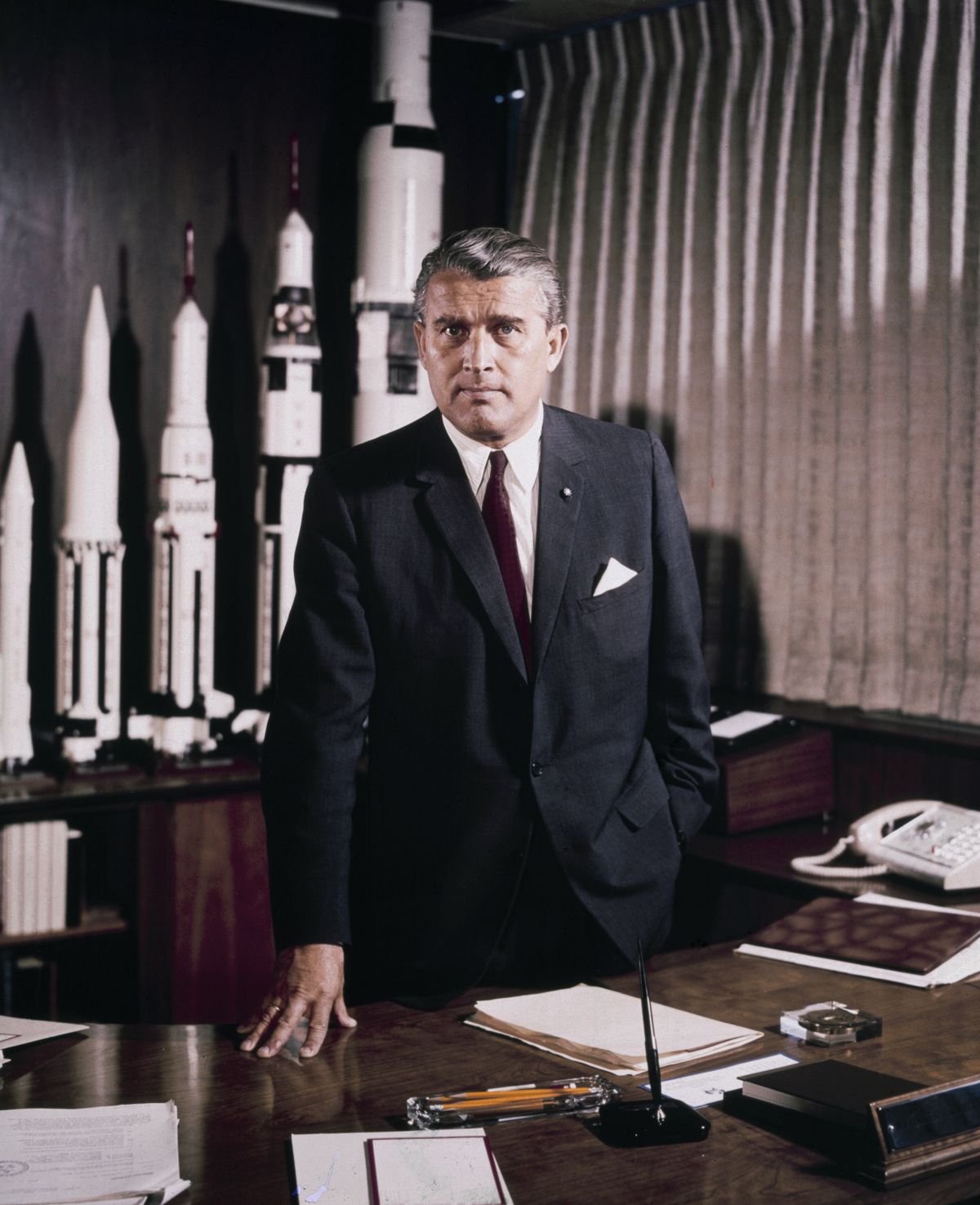
Wernher von Braun at Marshall Space Flight Center, 1st Mai 1964   NASA/Public Domain
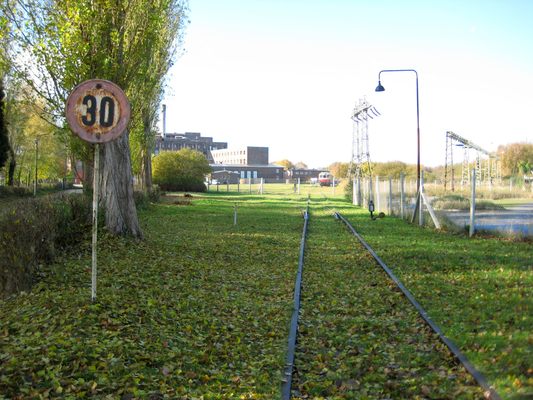
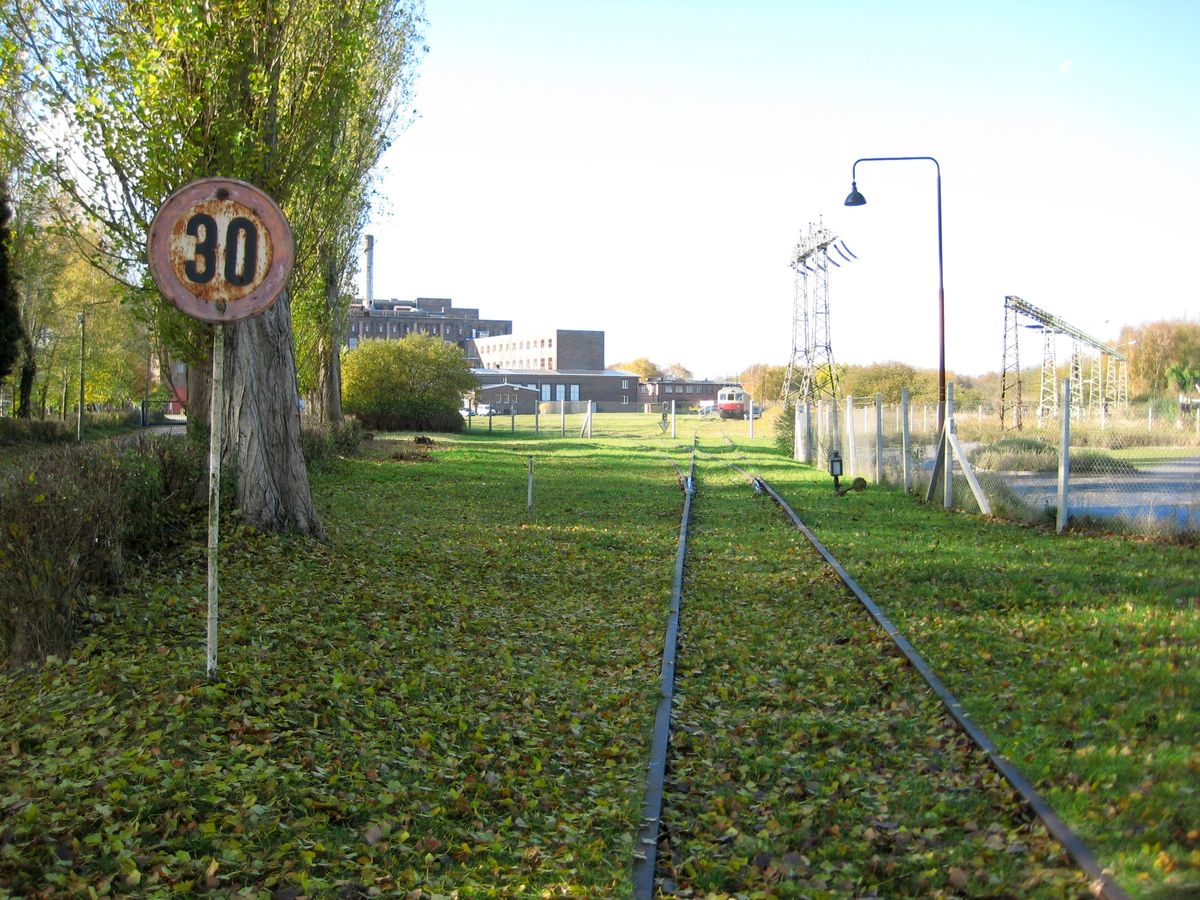
Old train tracks at the former Army Research Center Peenemünde   Katherine Sharpe/CC BY 2.0
  honzahol / Atlas Obscura User
  honzahol / Atlas Obscura User
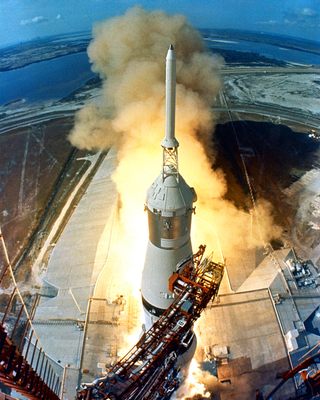
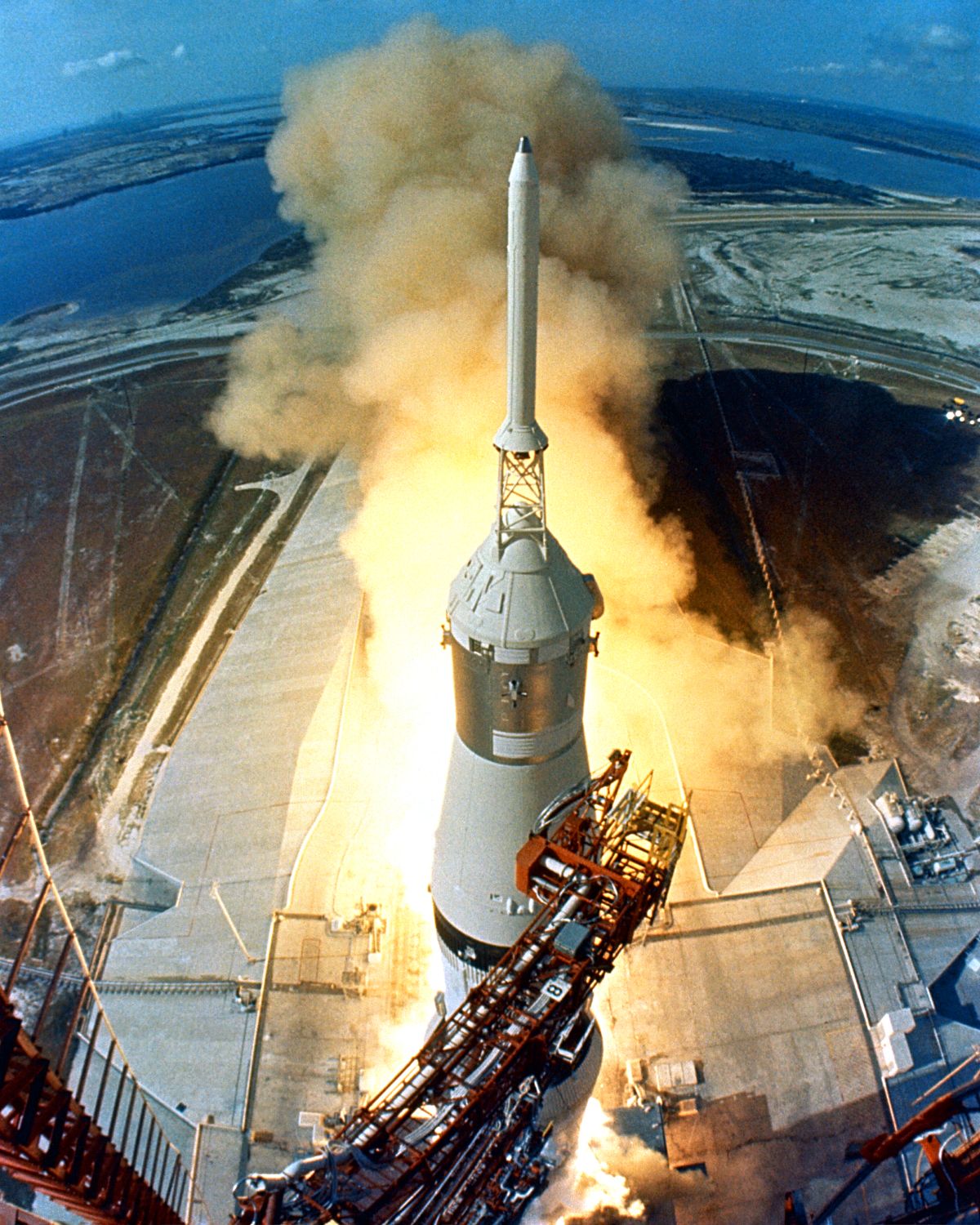
Apollo 11, launch on 16th July 1969, Kennedy Space Center   NASA/Public Domain
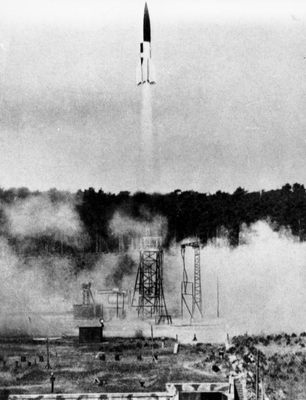
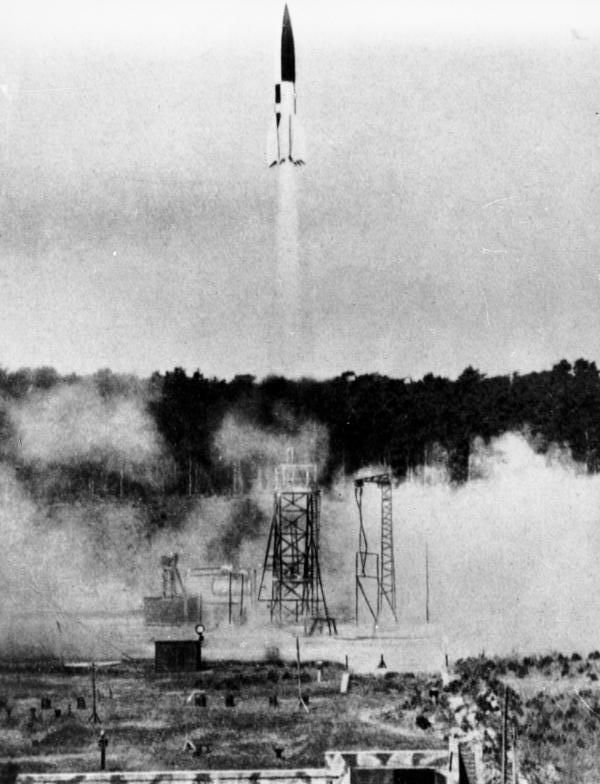
Launch V-2, Peenemünde 1943   Bundesarchiv, Bild 141-1880 / CC-BY-SA 3.0
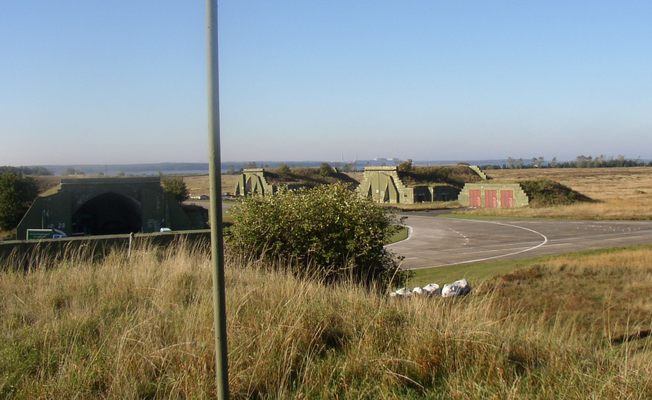
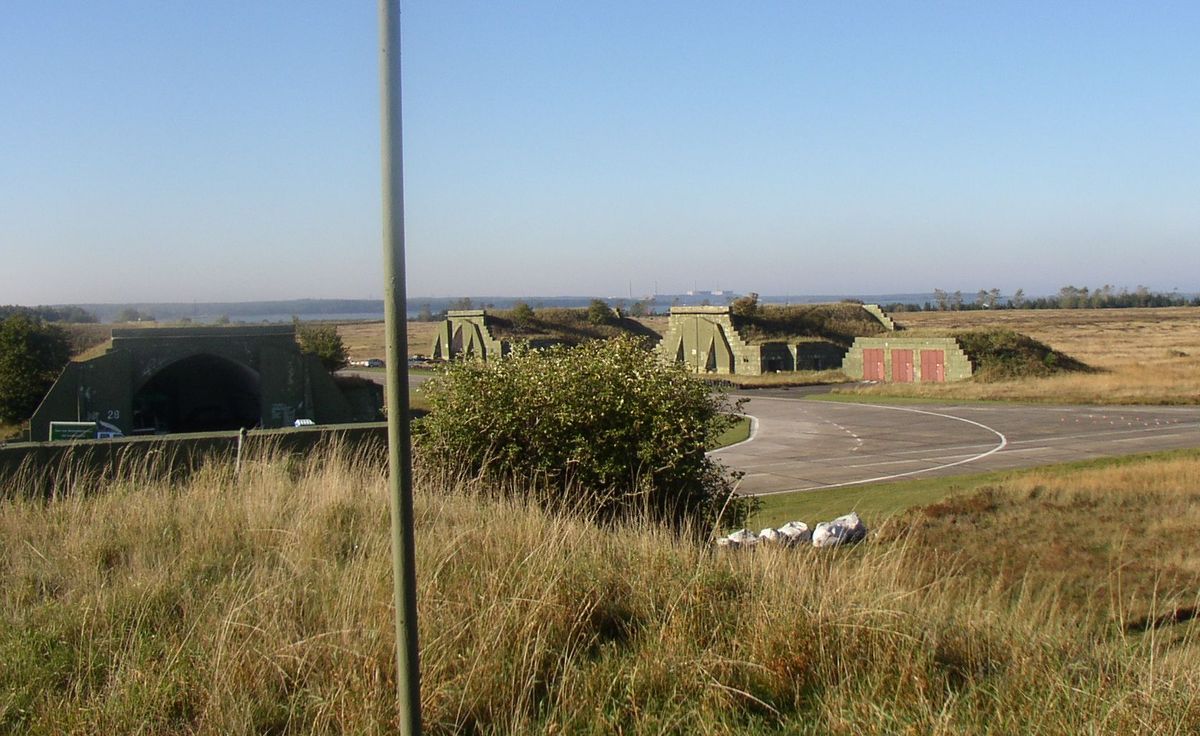
Airport Shelters at the former Army Research Center Peenemünde   Wusel007/CC BY-SA 3.0
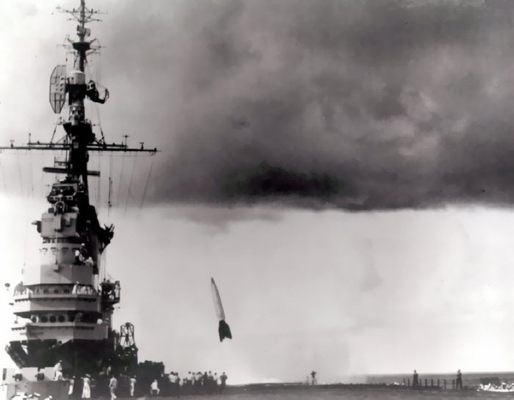
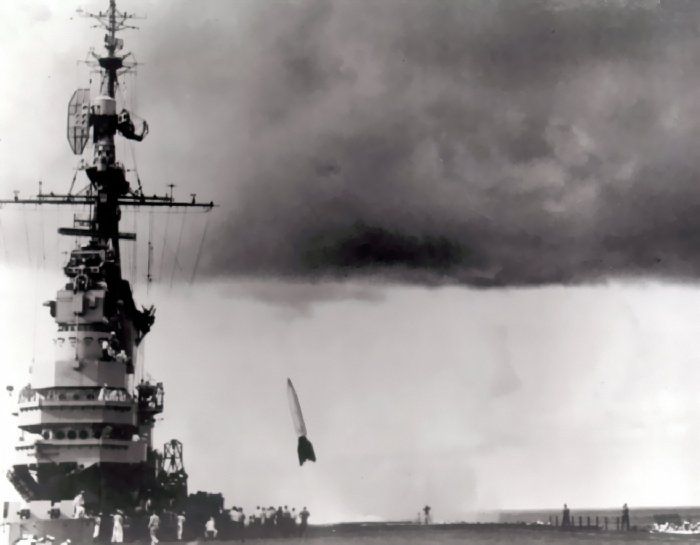
Launch of a captured V-2 rocket from deck of the U.S. Navy aircraft carrier USS Midway, 6th September 1947   U.S. Navy/Public Domain
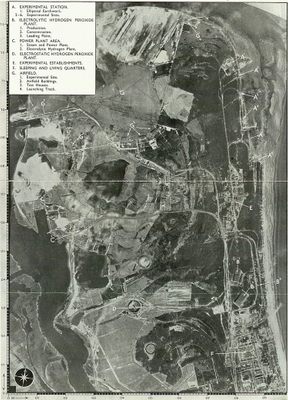
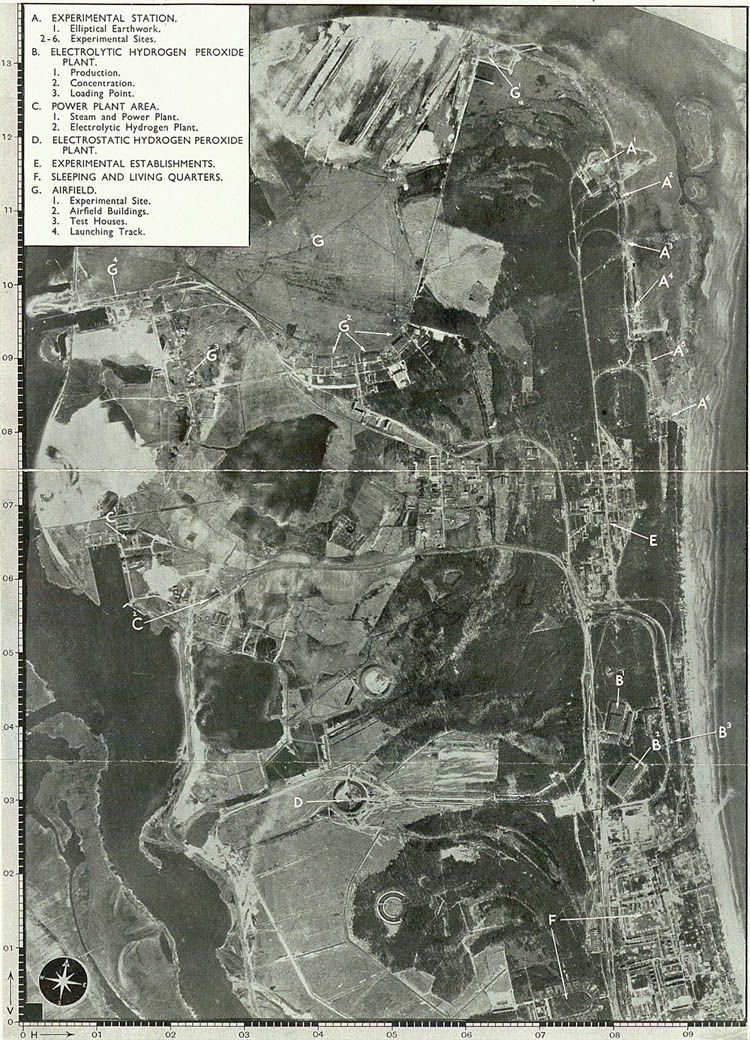
Aerial photograph of Peenemunde (AIR 34/184) - Transcript Peenemunde Site Plan/Target Map   RAF/Public Domain
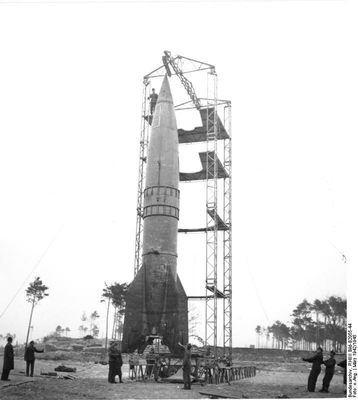
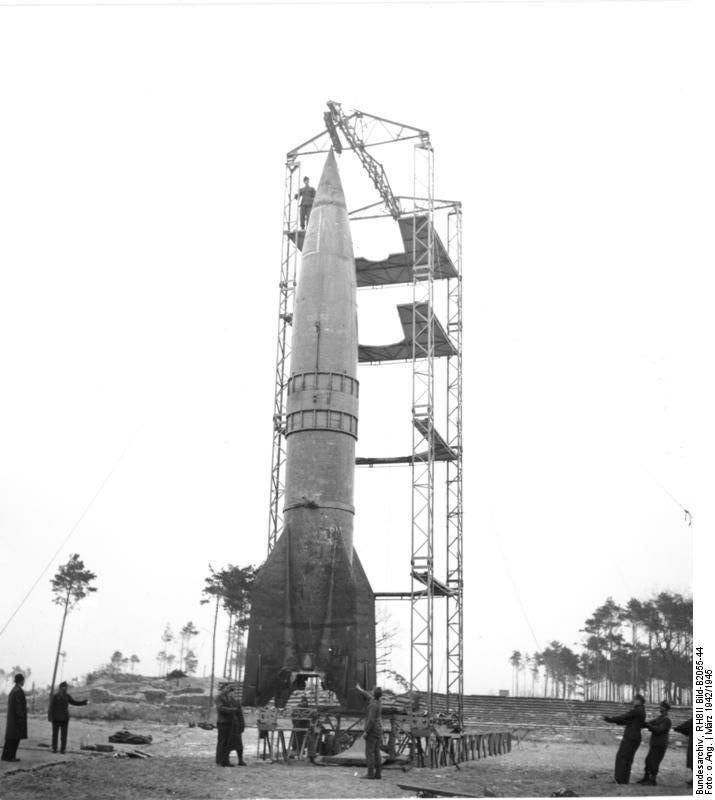
V-2 at Peenemünde,   Bundesarchiv, RH8II Bild-B0261-43 BSM / CC-BY-SA 3.0
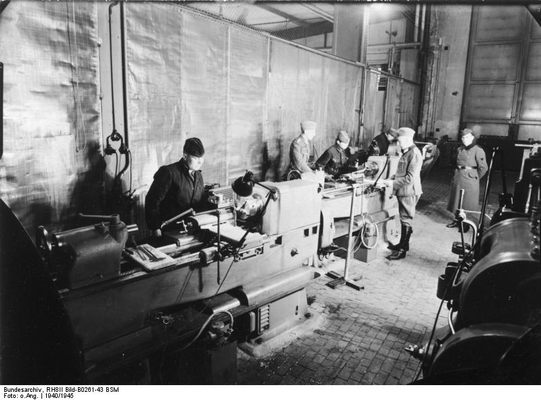
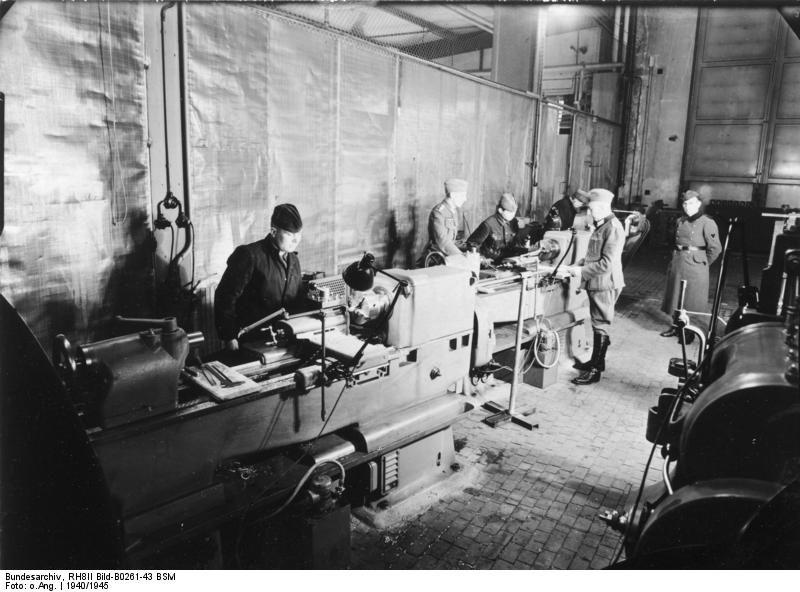
Slave Workers at Peenemünde, 1940   Public Domain
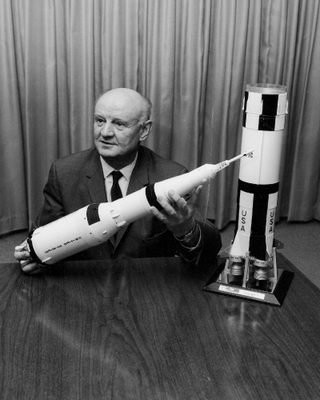
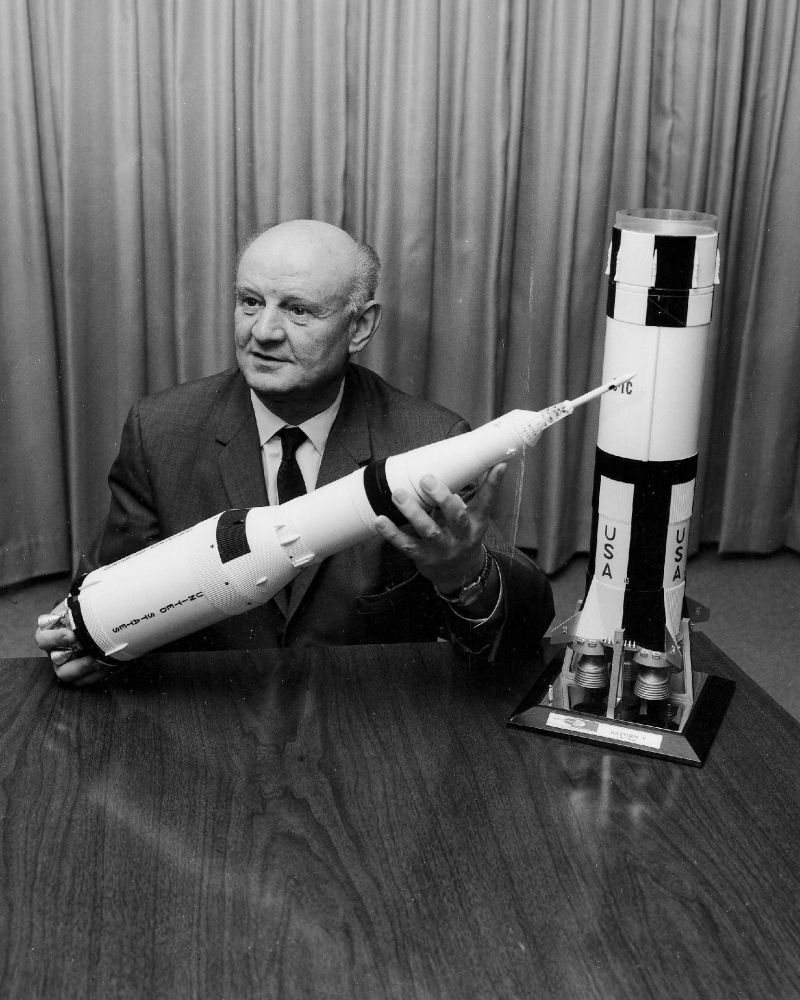
Arthur Rudolph at Marshall Space Flight Center   NASA/Public Domain
Been Here
Want to go
Added to list

About

When U.S. astronauts Neil Armstrong, Edwin Aldrin and Michael Collins set off from the Kennedy Space Center in 1969 to become the first men to set foot on the moon, they were in a Saturn-V-Rocket, better known as Apollo 11.

The development of the rocket was led by Dr. Wernher von Braun, the brilliant engineer prodigy who was recruited by the German Army looking to exploit a loophole in the Treaty of Versailles which did not cover rocket technology. Von Braun was offered a position in the SS in 1940 by Heinrich Himmler. Von Braun knew it would be unwise to turn down Himmler given his power and influence within Hitler's government. Von Braun and many of his fellow rocket enthusiasts got their start in the Verein für Raumschiffahrt, or VfR (Society for Space Travel). It was his work with VfR that brought von Braun to the attention of the Army.

Wernher von Braun was appointed the technical director of the Heeresversuchsanstalt Peenemünde (Peenemünde Army Research Center), working on the development and production of several rockets, most famously, the A-4, later named the V-2, rocket which was used as the first long-range ballistic missile in history by Nazi Germany against the Allies. 

The huge center—which included a network of streets, miles of train tracks, three ports, a small airport, several buildings, rocket launch stations and construction halls—was built starting in 1936 and finished within a year using slave workers from concentration camps.  

In 1942 an A-4 (later called V-2) from Peenemünde was the first object built by humans to reach outer space, and the rocket factory became known as the “Cradle of Spaceflight.” But starting in 1944, the V-2 rockets assembled at Peenemünde were shipped out to be used in attacks against Great Britain, France, Belgium, and others.

As demand grew and more workers were needed to assemble the rockets, Peenemünde was given its own concentration camp of slave workers for production. A second camp was placed in the basement of one of the construction halls at Peenemünde. Around 5,000 workers were brought to the site, of which 171 were cremated in the nearby Greifswald crematory. Other corpses were buried in various places around the huge research site.

Around 20,000 people interned in the concentration camps connected to Peenemünde died while part of the production of the V-2. By the end of the war, around 3,200 rockets were launched killing more than 8,000 people, many of them civilians. It is the only weapon ever built to have caused more victims during construction than in action. 

As the Russians came closer to Peenemünde and after some air strikes by the allied forces in 1943, the bulk of the production site was moved further into the country. Between February and March 1945, the site was evacuated and partly destroyed. Slave workers were marched elsewhere by the SS and many died before reaching their next destination. On March 4, 1945, Peenemünde was occupied by Soviet Troops. Most parts of the research site were still intact and were dismounted and brought to the USSR. The site was used as air force and navy base for Soviet and East German soldiers until 1990. Many of the Peenemünde engineers, scientists and managers surrendered to U.S. forces and were brought to America under Operation Paperclip to be exploited for their knowledge by the US Army. Von Braun, Eberhard Rees, Ernest Stuhlinger, Kurt Debus and many others worked for the US Army to build an improved version of the A-4/V-2 which became the IRBM Redstone missile, also used to launch the first US satellite and the first two sub-orbital Mercury missions.  In 1960, most of the von Braun team transferred from the US Army to the newly created NASA Marshall Space Flight Center. They led the development of the Saturn family of rockets that powered the Apollo Program and the successful manned flights to the moon. 

Today you can see some train tracks, parts of buildings, bunkers, launch stations and other ruins on the abandoned site. The former power plant is still intact and was in use up until 1990. It now houses a technical museum, the Peenemünde Historisch-Technisches Museum, devoted to the  science, development and construction of the rockets at Peenemünde. 

Related Tags

Technology Science Space Exploration Weapons Nazis World War Ii Abandoned Research Stations Military

Know Before You Go

The abandoned and ruined Army Research Center can be found on a huge area to both the north and south of the Peenemünde Historisch-Technisches Museum in the woods and fields around the abandoned airfield. It will take hours to discover all the ruins, most of them flooded and overgrown.  There are signs in some areas warning of the dangers of unexploded ordnance. The museum, located in the old Power Station of the Research Center, can be visited all year. Opening hours can be found on the website.

Community Contributors

Added By

Christine Williamson

Edited By

spacehistorian, dbrown, honzahol, flemmingsteffens

  • spacehistorian
  • dbrown
  • honzahol
  • flemmingsteffens

Published

November 28, 2016

Edit this listing

Make an Edit
Add Photos
Sources
  • https://de.wikipedia.org/wiki/Apollo_11
  • https://de.wikipedia.org/wiki/Saturn_(Rakete)#Saturn_V
  • https://de.wikipedia.org/wiki/Wernher_von_Braun
  • https://de.wikipedia.org/wiki/Arthur_Rudolph
  • https://de.wikipedia.org/wiki/Aggregat_4
  • https://de.wikipedia.org/wiki/Heeresversuchsanstalt_Peenem%C3%BCnde
  • https://www.academia.edu/4242630/Wernher_von_Braun_and_the_German_Rocket_Team_in_America
Peenemünde Army Research Center
10 Fährstraße
Peenemünde
Germany
54.13848, 13.765397
Visit Website
Get Directions

Nearby Places

Maritime Museum Peenemünde U-461

Peenemünde, Germany

miles away

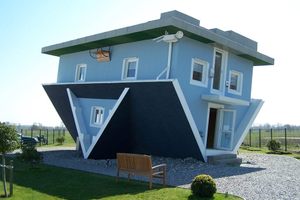
Upside-Down House of Trassenheide

Trassenheide, Germany

miles away

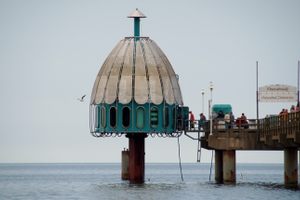
Submerged Gondola

Zinnowitz, Germany

miles away

Explore the Destination Guide

Photo of Germany

Germany

Europe

Places 770
Stories 69

Nearby Places

Maritime Museum Peenemünde U-461

Peenemünde, Germany

miles away

Upside-Down House of Trassenheide

Trassenheide, Germany

miles away

Submerged Gondola

Zinnowitz, Germany

miles away

Explore the Destination Guide

Photo of Germany

Germany

Europe

Places 770
Stories 69

Related Places

  • Helfaut, France

    La Coupole

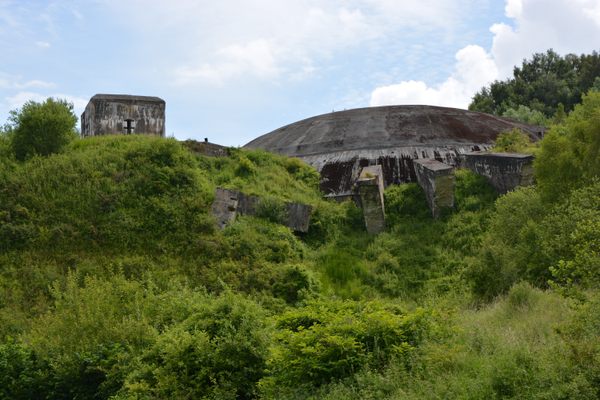
    This bunker in northern France was built by Nazi German forces with the intention of launching up to 50 V2 rockets at London each day.

  • Wehringen, Germany

    Fasan Explosives Factory

    Hidden in the forest are the crumbling, graffiti-covered remains of the factory where most of Germany's explosives were produced during World War II.

  • An evening view of the second tower.

    Berlin, Germany

    Humboldthain Flak Tower

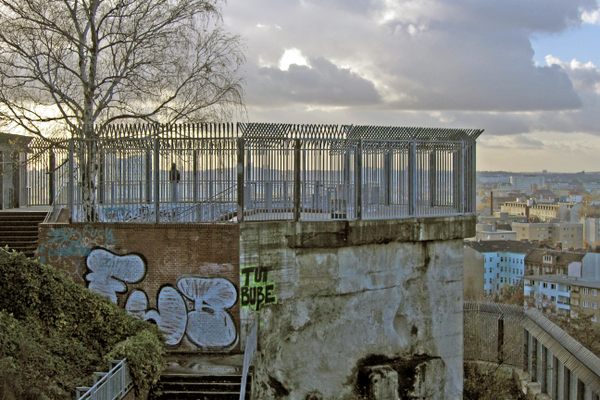
    These former Nazi anti-aircraft towers offer a singular view of the north of Berlin in the summer, and a sanctuary for bats in winter.

  • One-Million-Liter Test Sphere in 2001.

    Frederick, Maryland

    One-Million-Liter Test Sphere

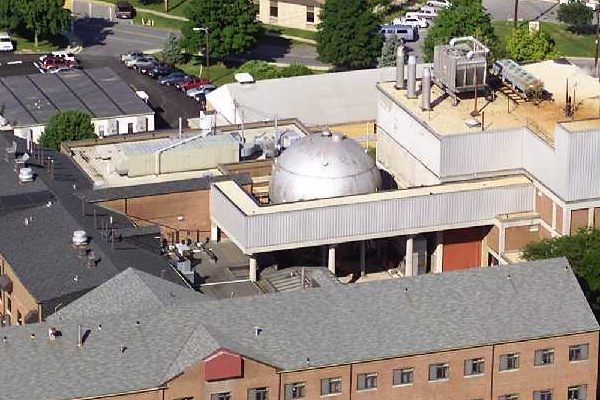
    This four-story steel sphere in Maryland was used to test biological weapons.

  • A Rheinbote short range ballistic rocket

    Leba, Poland

    Nazi Rocket Test Site

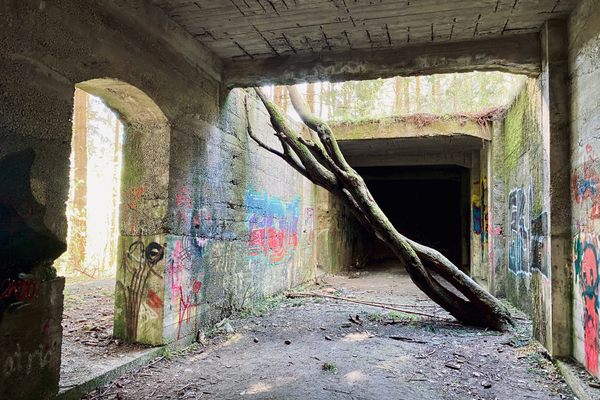
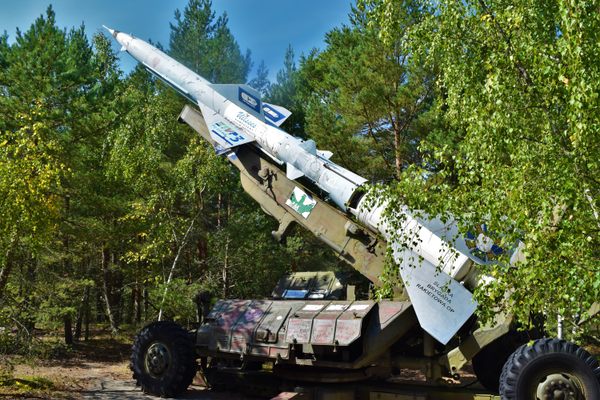
    This open-air museum was originally a World War II testing ground for German missiles and rockets.

  • RAF Harrington

    Harrington, England

    RAF Harrington

    The Cold War remnants of a nuclear missile launch site in the Northamptonshire countryside.

  • Stubbert’s Point Battery

    Sydney Mines, Nova Scotia

    Stubbert's Point Battery

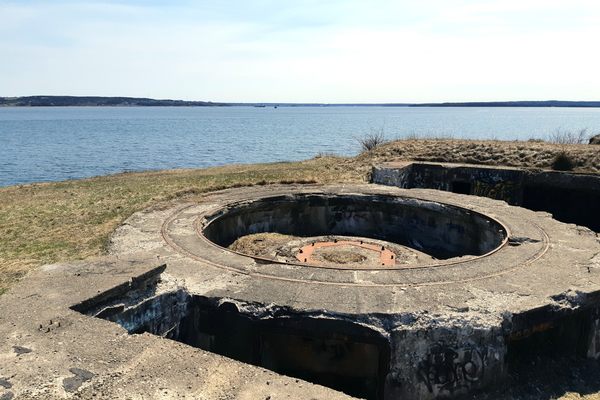
    Alongside a scenic road are the remains of crumbling World War II gun emplacement.

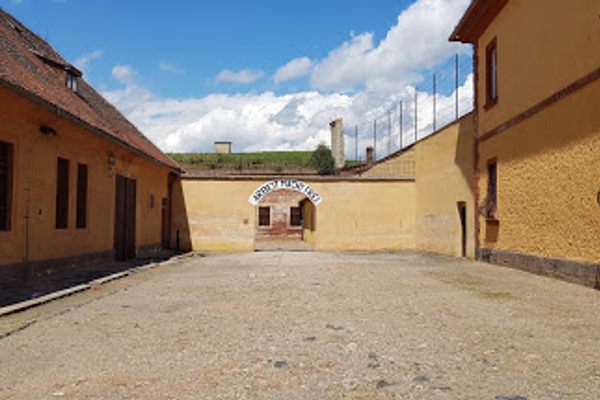
  • ‘Arbeit Macht Frei’ - the entrance to camp in the Terezin fortress

    Terezín, Czechia

    Theresienstadt (Terezín Concentration Camp)

    Created as a "model concentration camp" to hide Nazi atrocities from the international community, this former camp-ghetto now holds a museum and memorial honoring the lives lost within.

Aerial image of Vietnam, displaying the picturesque rice terraces, characterized by their layered, verdant fields.
Atlas Obscura Membership

Become an Atlas Obscura Member


Join our community of curious explorers.

Become a Member

Get Our Email Newsletter

Follow Us

Facebook YouTube TikTok Instagram Pinterest RSS Feed

Get the app

Download the App
Download on the Apple App Store Get it on Google Play
  • All Places
  • Latest Places
  • Most Popular
  • Places to Eat
  • Random
  • Nearby
  • Add a Place
  • Stories
  • Food & Drink
  • Itineraries
  • Lists
  • Video
  • Podcast
  • Newsletters
  • All Trips
  • Wildlife & Nature
  • FAQ
  • Membership
  • Feedback & Ideas
  • Community Guidelines
  • Product Blog
  • Unique Gifts
  • Work With Us
  • About
  • FAQ
  • Advertise With Us
  • Advertising Guidelines
  • Privacy Policy
  • Cookie Policy
  • Terms of Use
Atlas Obscura

© 2025 Atlas Obscura. All Rights Reserved.