About
Piet Hein is one of the most renowned naval officers of the Dutch Golden Age, celebrated for his privateering exploits, including the capture of a Spanish treasure fleet, which secured wealth equivalent to billions of today's euros and significantly enriched the Dutch Republic.
Among the locals he was quite the hero, with Dutch children learning a song about his exploits where he was seen as a Robin Hood-type figure. Hein died in 1629 after being hit in the shoulder by a cannonball and is still remembered as a hero by many of the Dutch. Also notable was his relatively considerate treatment of captives, probably due to his experience of life as a galley slave in his youth. Hein also criticized the treatment of enslaved Native Americans. He died before the Dutch began to take part in the Atlantic slave trade.
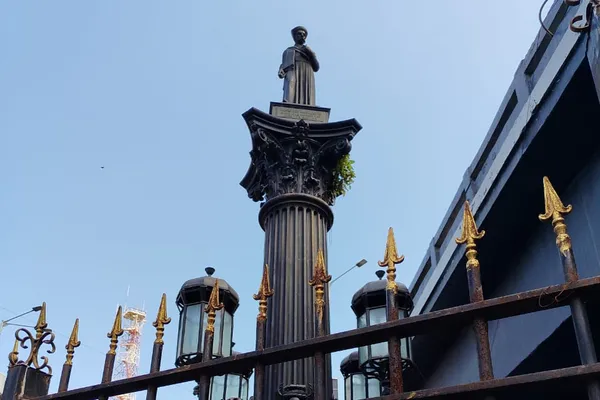
The statue was built in 1870 in his city of birth (now part of Rotterdam). The initial statue was made of snow during the winter of 1868 and garnered so much support that the municipality of Delftshaven gathered money from the people to fund the statue. Not enough could be raised to make a bronze statue, so a sandstone statue was commissioned instead. The statue became a national monument in 1973. In more recent years, some have criticized this and other public installations for honoring figures from the Dutch colonial era.
Know Before You Go
The statue is freely accessible. While there, take a look at the rest of Delftshaven, it is a nice part of Rotterdam that was never bombed.

Published
July 28, 2024