About
During the summer of 1906, curious rectangular patterns appeared in the grass near Castle Park, hinting at buried structures below. These outlines led to the discovery of Roman townhouses, offering a unique look at domestic life from over 1,800 years ago. The excavation, initiated in 1907, revealed foundation walls, broken tiles, and tessellated pavements, showcasing the remnants of at least two Roman houses.
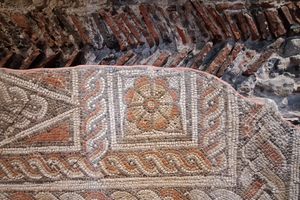
The excavation unearthed an array of historical clues. The Roman houses' foundations were littered with broken brick, tile, and stone, remnants of the buildings once pillaged by Norman builders to construct Colchester Castle and other structures. This repurposing left behind a confusion of Roman architecture, with only fragments of walls and floors remaining. Despite the destruction, these remains, nestled near the city's ancient walls, signal the prominence of these residences. The discovery of tesserae pieces points to intricate mosaic floors that once adorned these homes, further emphasizing their importance and the craftsmanship of Roman builders.
While the dig didn't yield many intact artifacts to display, it confirmed the historical significance of the patterns seen in the grass. The Norman and Saxon repurposing of Roman materials highlights the continuous transformation of Colchester through the centuries. This layering of history is evident not just in Castle Park but throughout the town, blending Roman origins with medieval architecture.
Know Before You Go
Castle Park is accessible for wheelchairs and strollers, but the exact site of the Roman townhouses requires navigating grassy terrain. The park is free to enter, making it a budget-friendly destination. Comfortable walking shoes are recommended. Bring water and a picnic to enjoy the scenic views. Do respect the site's historical significance by not disturbing any visible remains. Don't forget to check out the nearby Colchester Castle Museum for more context on the town's Roman history.
Community Contributors

Added By
Published
June 19, 2026