15 Places to Experience Bioluminescence Around the World
From a tunnel in Australia to the forests of California, these luminous spots around the world are best visited on moonless nights.
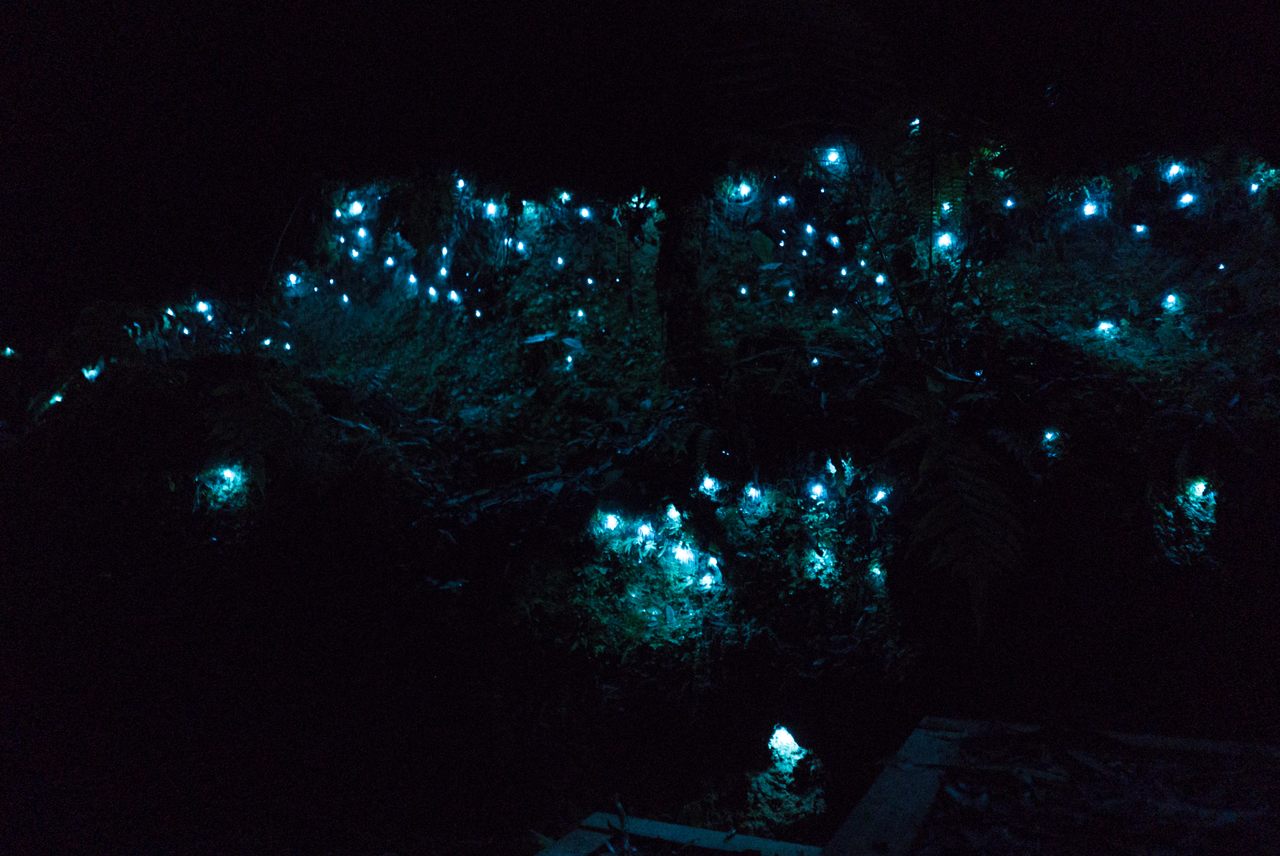
The humble glow worm is, in fact, a catchall term for numerous glowing creatures, from gnat larvae to fire flys to algae, that can be found all over the world. These tiny critters illuminate the night through bioluminescence, a process in which light is emitted by internal chemical reactions. Bioluminescence has evolved independently in over 90 different species, first emerging some 540 million years ago, and today, it’s still possible to observe the phenomenon firsthand…if you know where to look.
From an abandoned tunnel in Australia—whose dank, dark walls are the perfect breeding ground for fungus gnats—to coral reefs in the Maldives that come alive at night with shimmering phytoplankton, these places are full of fascinating history and natural wonders. They’re living proof that many of the earth’s most fantastic places are off the beaten path, in the nooks and crannies (literally) where many never think to explore.
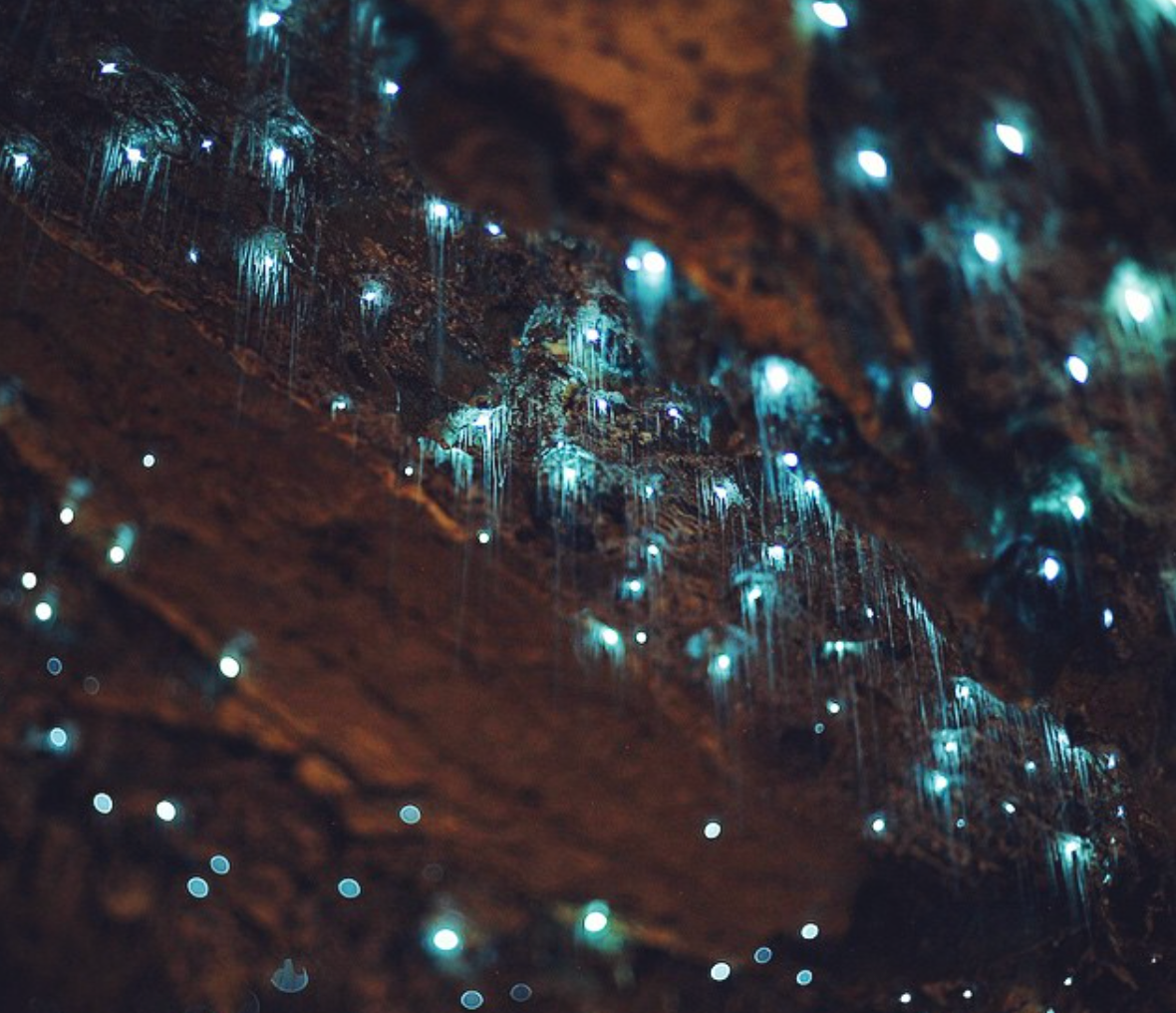
1. Waipu Caves 📍 Waipu, New Zealand
Best time to go: Oct.-April
These caves on New Zealand’s North Island are a lesser-known alternative to the more famous (and often over-crowded) Waitomo Glow Worm Caves farther south. Visitors must venture through the caves’ first chamber of stalactites and stalagmites, follow the stream through its second chamber, then slide down mud banks into the third chamber. Only here, deep in the belly of the cavern, will you find hundreds of glow worms lighting up the damp walls.
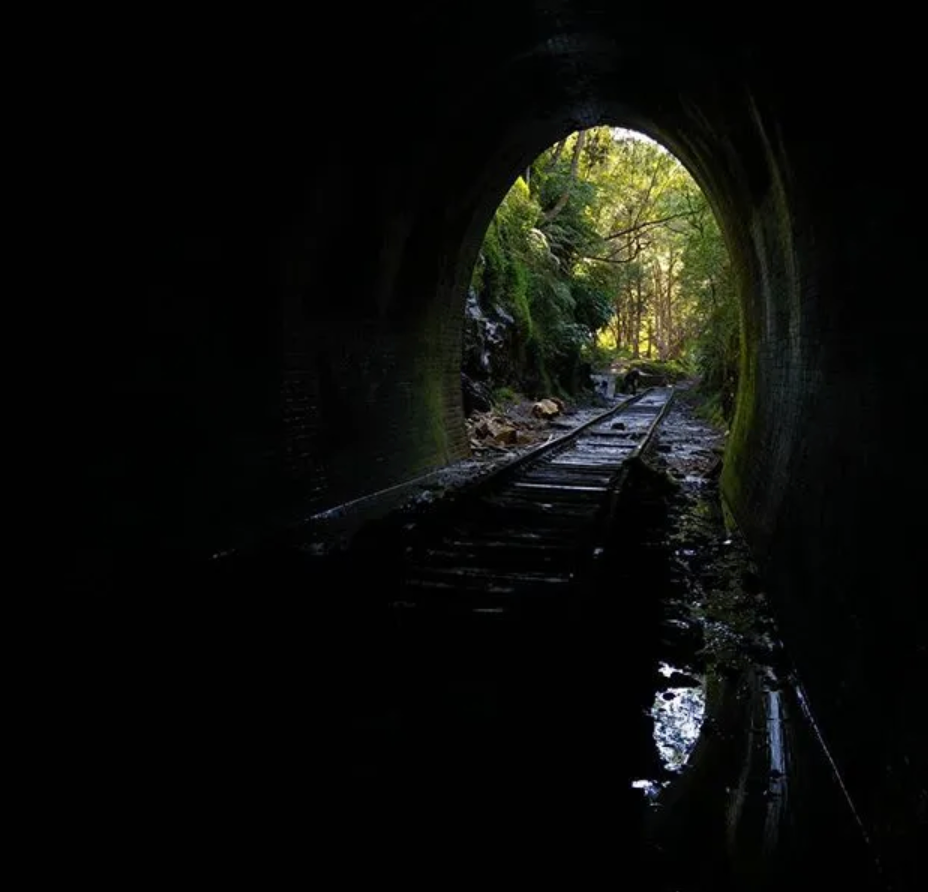
2. Glow Worm Tunnel 📍 Helensburgh, Australia
Best time to go: Any time of year, but avoid after heavy rain
The Metropolitan Tunnel, built in the late 19th century, was short-lived, closing in 1915 after soot buildup made it dangerous for train crews and passengers to pass through. The tunnel wasn’t completely abandoned, however; a colony of glow worms settled in on the roof, illuminating the stale, inky air like a constellation of blue-green stars.
The tunnel still floods often, and on days when the water level is particularly high, people pass through the small waterfall on pool floats or inflatable canoes, paddling into the darkness until they reach the spots where the ceiling becomes bright with hundreds of bioluminescent bugs.
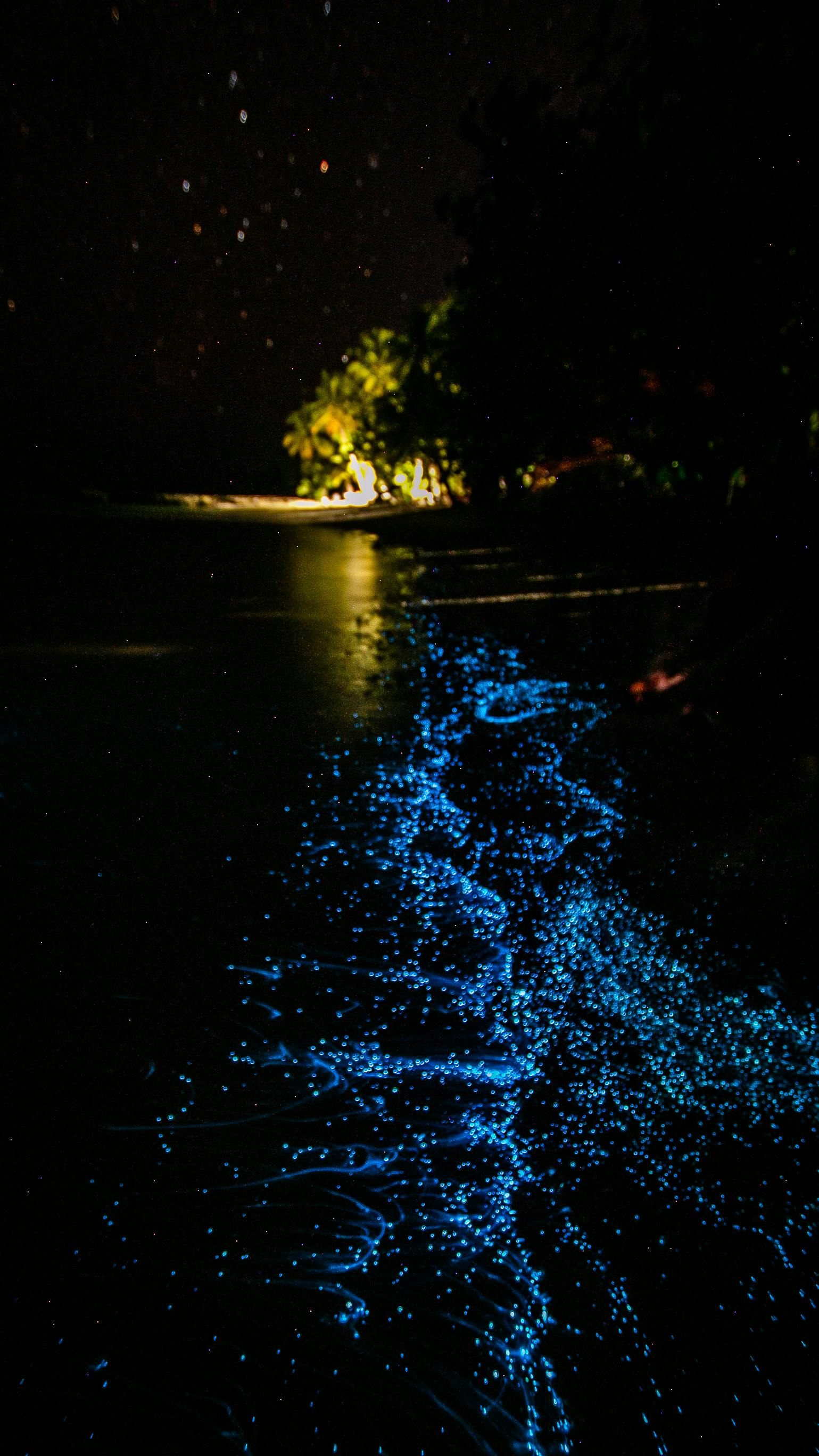
3. Sea of Stars 📍 Vaadhoo, Maldives
Best time to go: June-Aug.
In coral reefs off the Maldives, the “Sea of Stars” phenomenon occurs during late summer, when bioluminescent phytoplankton called Lingulodinium polyedrum move with the waves. This creates an incredible shimmering effect along the shoreline.
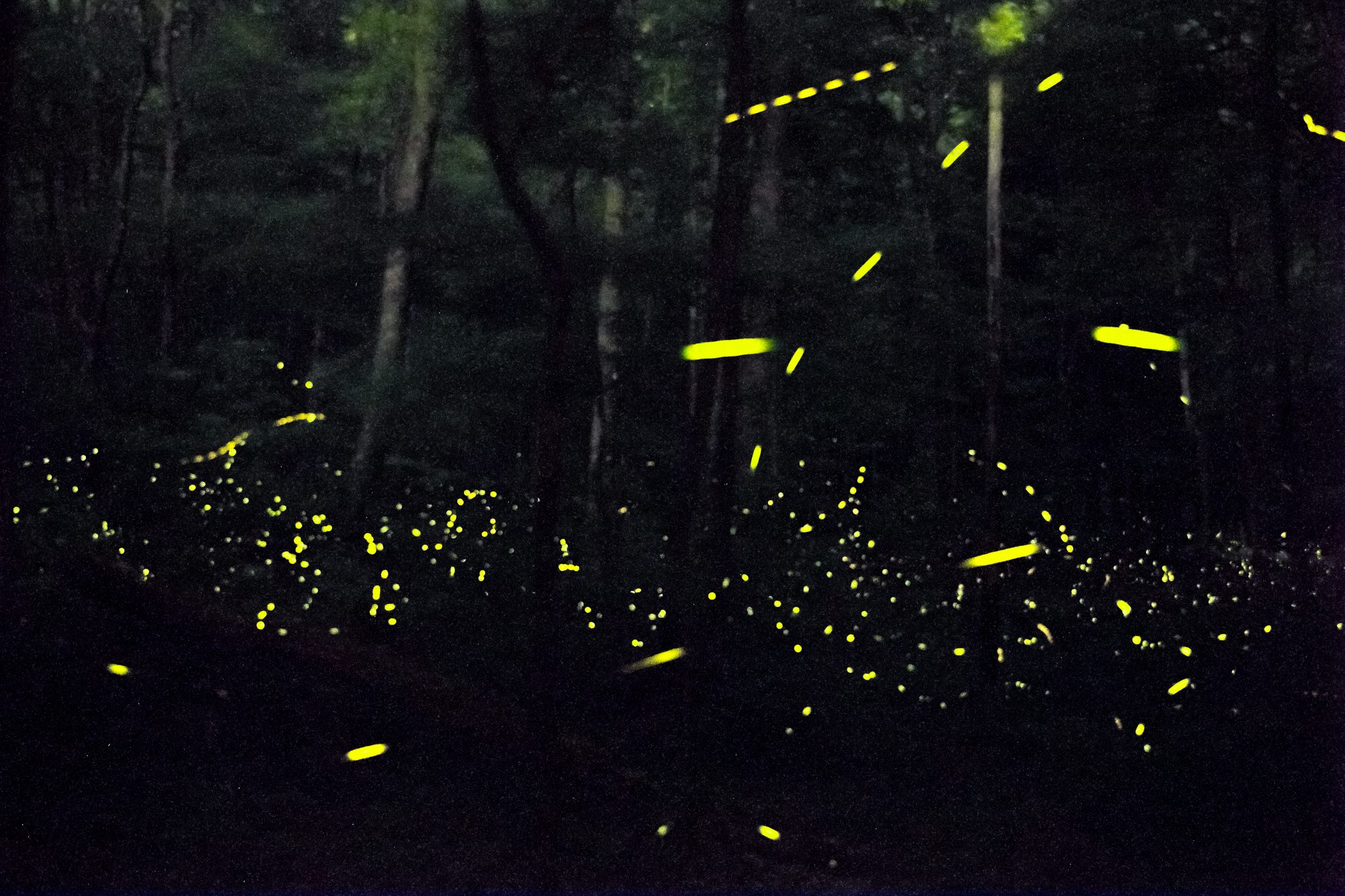
4. Synchronous Fireflies of the Great Smoky Mountains 📍 Gatlinburg, Tennessee
Best time to go: May-June
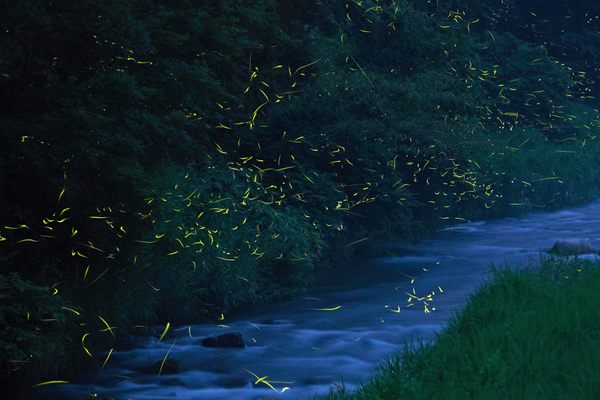
In the heart of the Smokies lives a rare breed of firefly, P. carolinus, remarkable for its synchronized flashing through a process known as “coupled oscillation.” The bugs start up in early summer, thousands of them lighting up six times in a brief, three-second period before going dark again for six seconds.
After scientists confirmed the existence of P. carolinus in 1995, other populations were soon discovered in the Congaree Swamp in South Carolina and various locations in the Appalachian Mountains. Since this curious phenomenon remained unknown for so long, it seems likely that there are other synchronous fireflies still to be found, perhaps even in your own backyard.
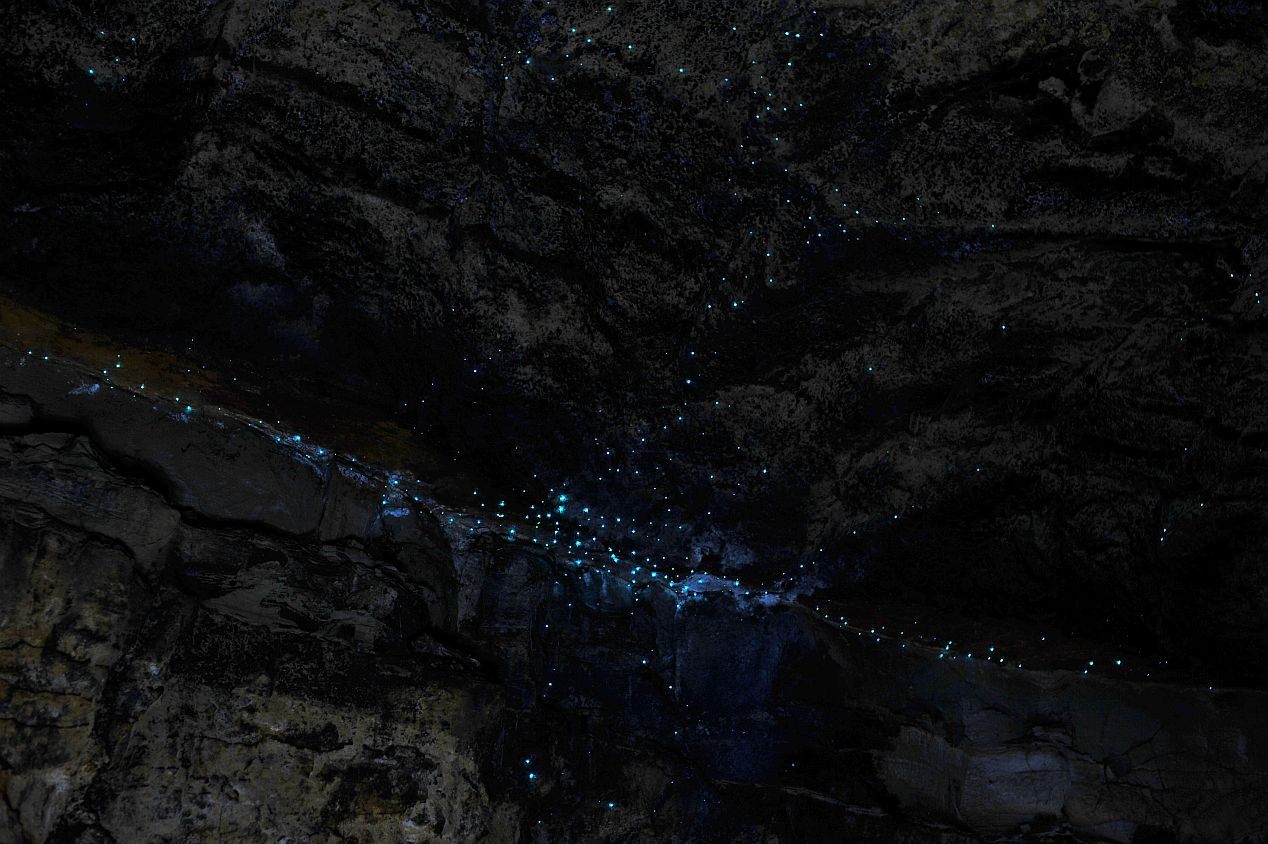
5. Newnes Glow Worm Tunnel 📍 Putty, Australia
Best time to go: spring or autumn
The Newnes railway shut down in 1932 after 25 years of shipping oil shale, leaving this 600-meter sandstone tunnel through Wollemi National Park to be reclaimed by nature, i.e. thousands of glow worms. In this case, “glow worms” refers to Arachnocampa richardsae, a type of fungus gnat typically found in caves. In the Newnes tunnel, the gnat larvae cling to the rocky walls and hunt with their long, glowing strings of sticky mucus.
To see the glowing gnats, enter the tunnel and walk toward the middle, where it’s extremely dark even during the day. Turn off your flashlight and wait a minute or two as, one by one, the gnats start to shine.
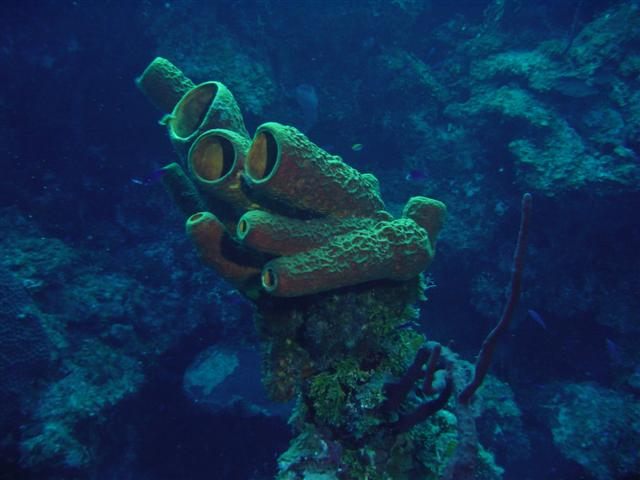
6. Bloody Bay Coral Wall 📍 Little Cayman, Cayman Islands
Best time to go: April-June or Sep.-Nov.
Supposedly named for its numerous pirate battles, Bloody Bay is best known for its massive, nearly-vertical wall of coral just off shore. The coral is home to microscopic bioluminescent creatures, and the living rock itself also fluoresces. Diving is a popular pastime in the bay (including night dives), but you’ll need the proper equipment to capture the full range of colors on display.
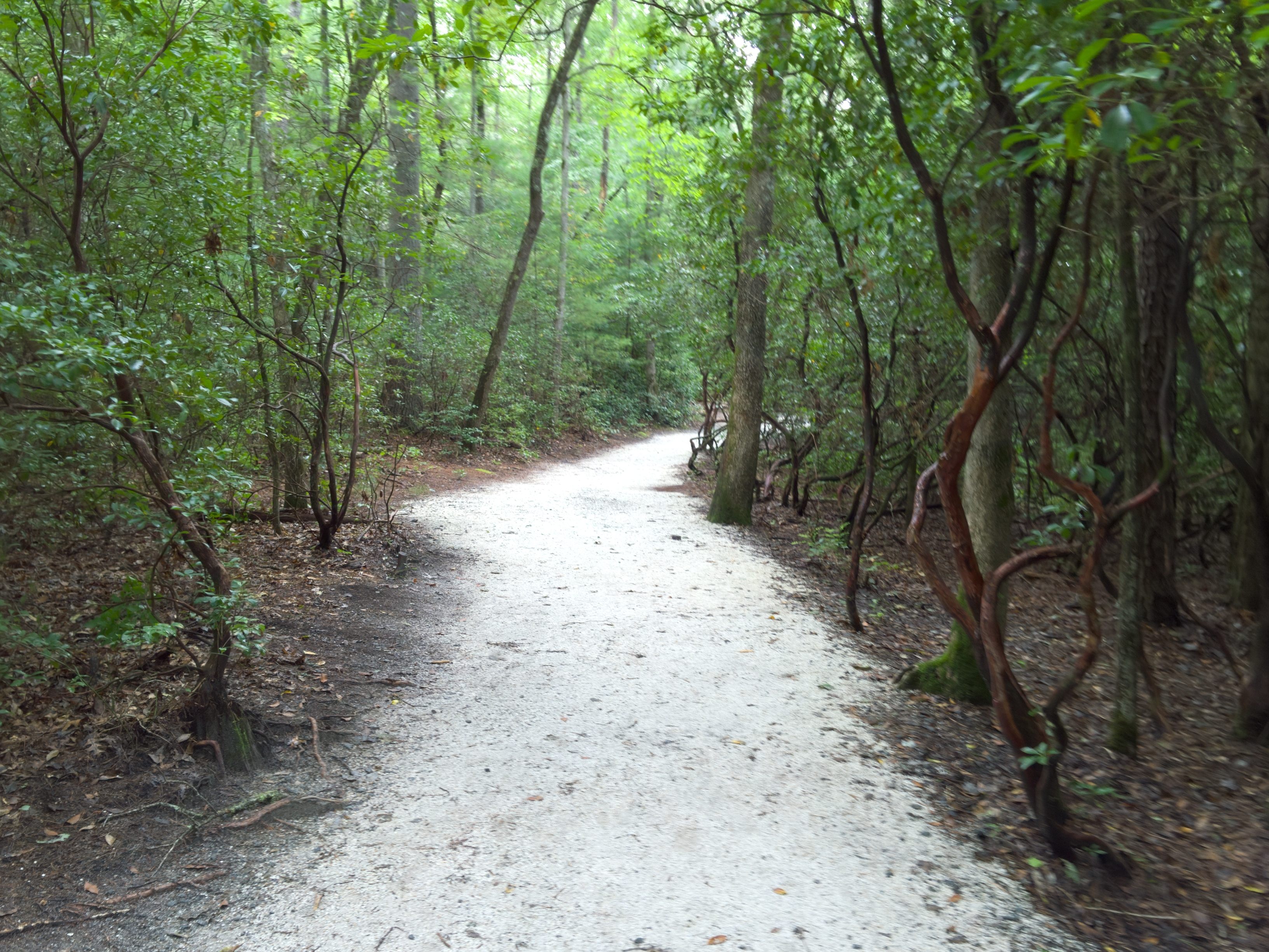
7. Blue Ghost Fireflies 📍 Hendersonville, North Carolina
Best time to go: May-June
The southeastern U.S. is home to Phausis reticulata, a.k.a the blue ghost firefly. Female blue ghosts are flightless and, rather than flash, they glow and streak through the sky for up to a minute at a time. Instead of fireflies’ normal white/yellow color, these insects emit an eerie blue-green shade that’s notoriously difficult to photograph, and they only appear for about a month each summer, from mid-May to mid-June.
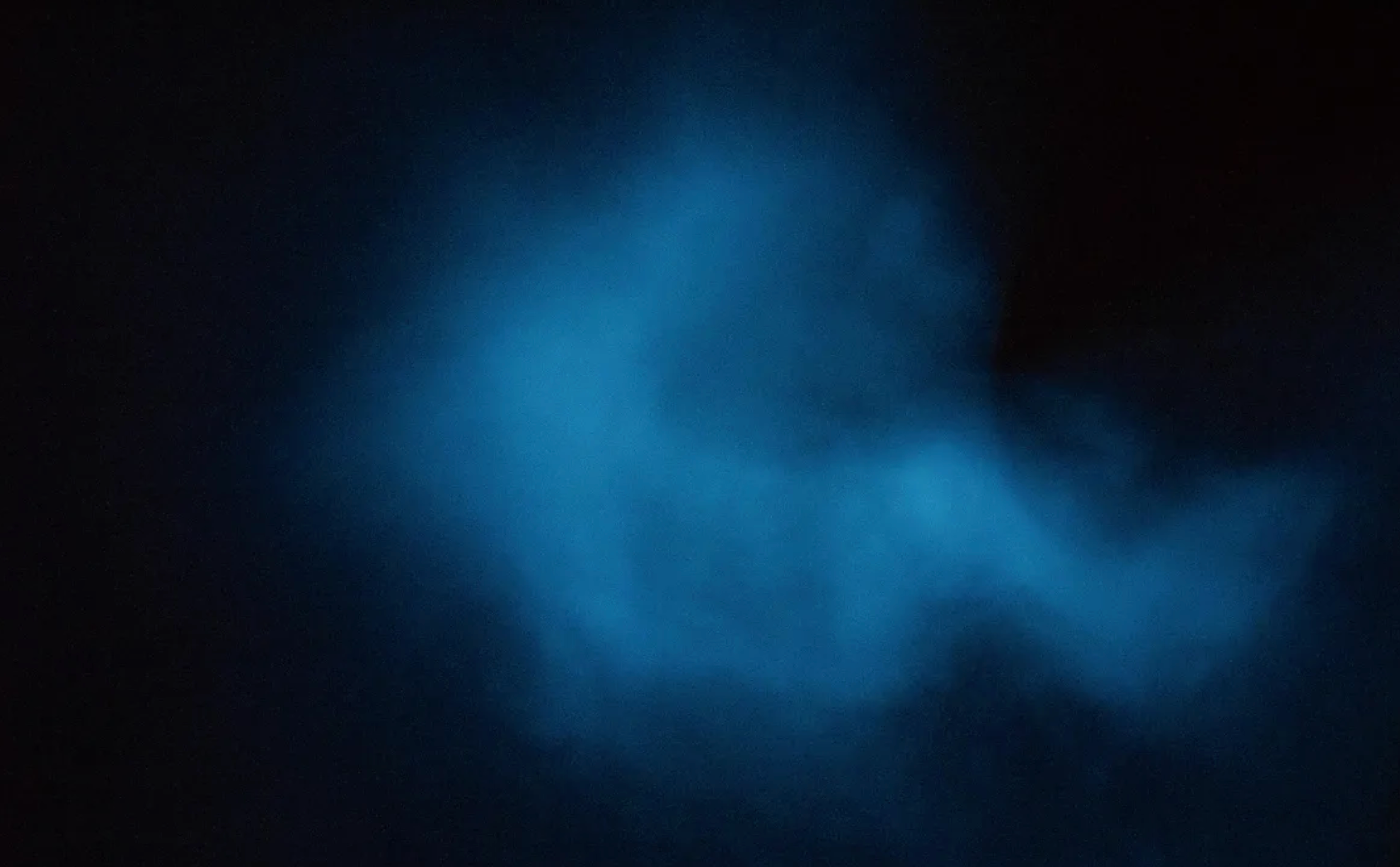
8. Glistening Waters 📍 Falmouth, Jamaica
Best time to go: Nov.-April
At night, any agitation to these still, black waters produces a strange and beautiful blue-green light. A sizable population of microscopic dinoflagellates lives in the lagoon, and it’s one of only a handful of places in the world where they can be studied year-round. The area’s warm, shallow, brackish environment is ideal for the dinoflagellates, who also feed on the plentiful Vitamin B12 from red mangroves lining the water.
Jamaican folklore has deemed Glistening Waters a sort of fountain of youth: Legend has it that women who swim in the glowing waters become more beautiful and look younger, while men supposedly benefit from an increase in penis size and virility.
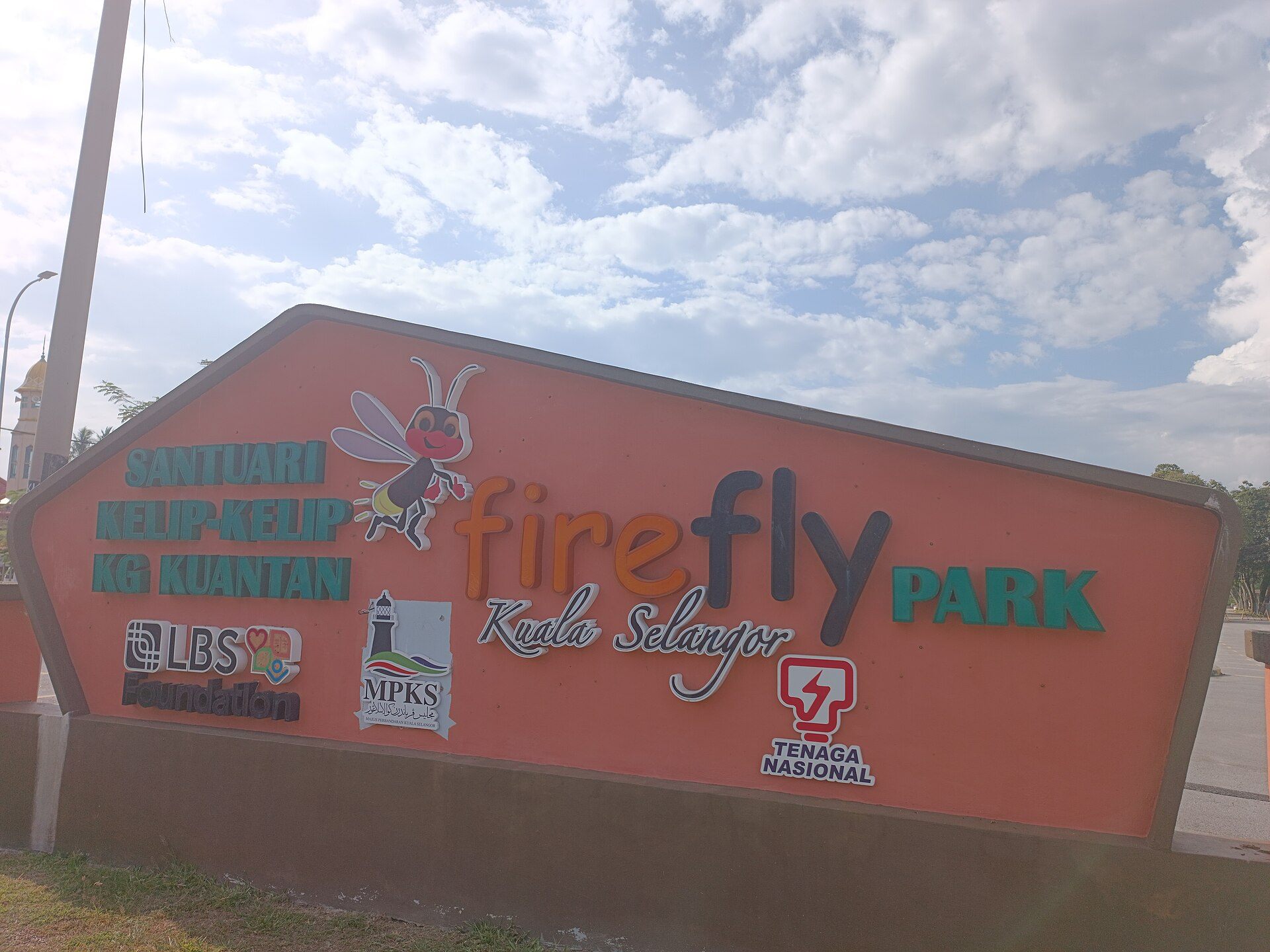
9. Kampung Kuantan Fireflies Park 📍 Bestari Jaya, Malaysia
Best time to go: March-Oct.
Kampung Kuantan, Malaysia, is another fantastic place to observe synchronous fireflies illuminating the night sky. Tens of thousands of them blink in perfect unison for minutes, sometimes hours, at a time.
Unfortunately, over the past couple decades, the firefly population has decreased due to poorly managed tourism and river pollution; however, thriving colonies can still be found in the Bagan Krian mangrove tracts, the Tanjung Piai mangrove regions, and the Cherating and Kemaman shorelines.
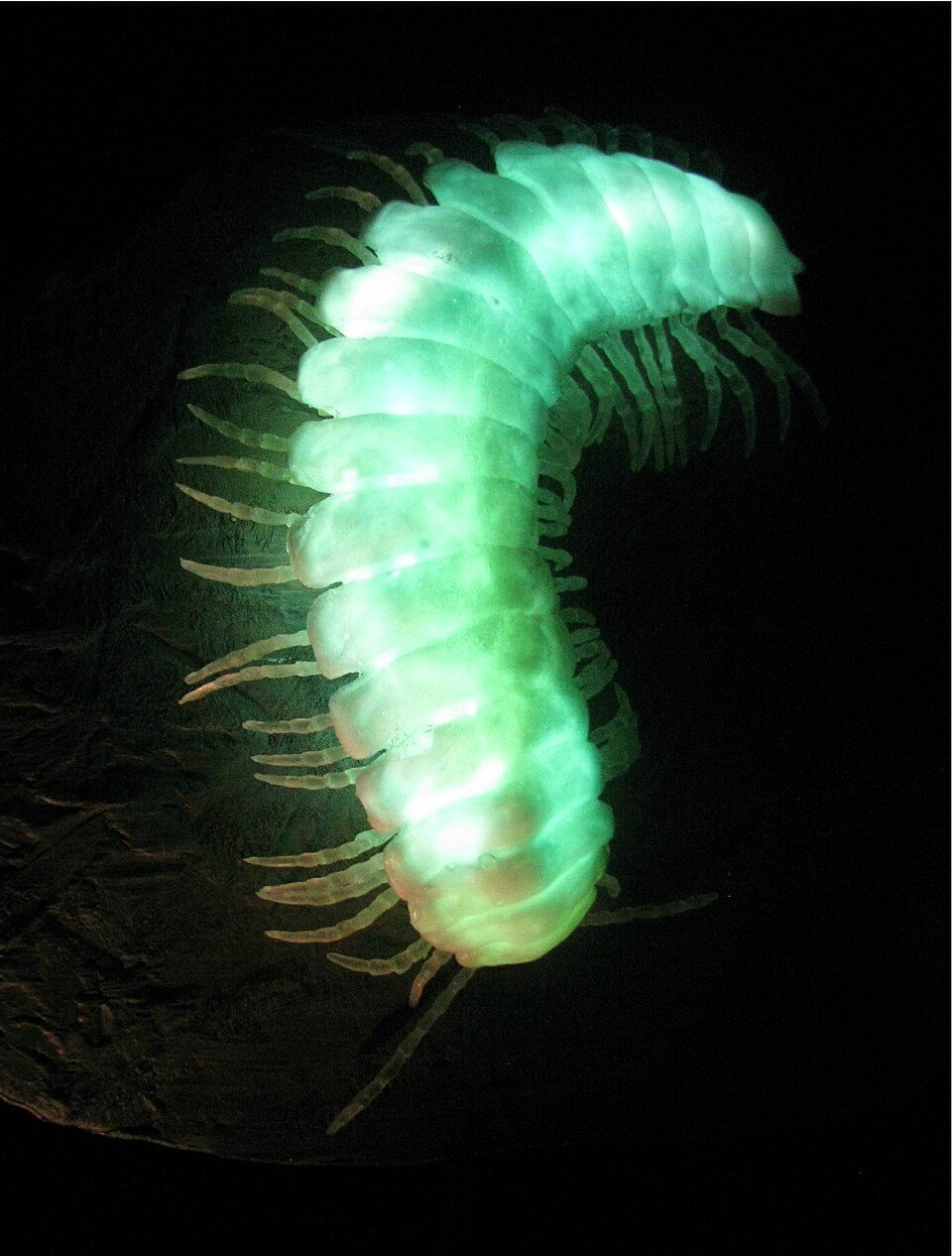
10. Glowing Millipedes of Sequoia National Park 📍 Three Rivers, California
Best time to go: May-July
Brightly glowing millipedes might seem like easy prey, but the Motyxia millipedes that gather in the roots of Sequoia’s ancient trees actually use their natural bioluminescence as a gentle warning to potential predators. (The tiny bugs secrete a surprising amount of cyanide as a defense mechanism.) Ironically, since the millipedes do not have eyes, they can’t enjoy their own lovely glow.
The bugs are relatively easy to spot; simply look for orange, flat millipedes around five centimeters long on the forest floor. You can even search for them with your nose, as their hydrogen cyanide smells oddly similar to almonds. While the amount of cyanide the insects produce isn’t fatal to humans, it isn’t exactly healthy, so keep a safe distance.
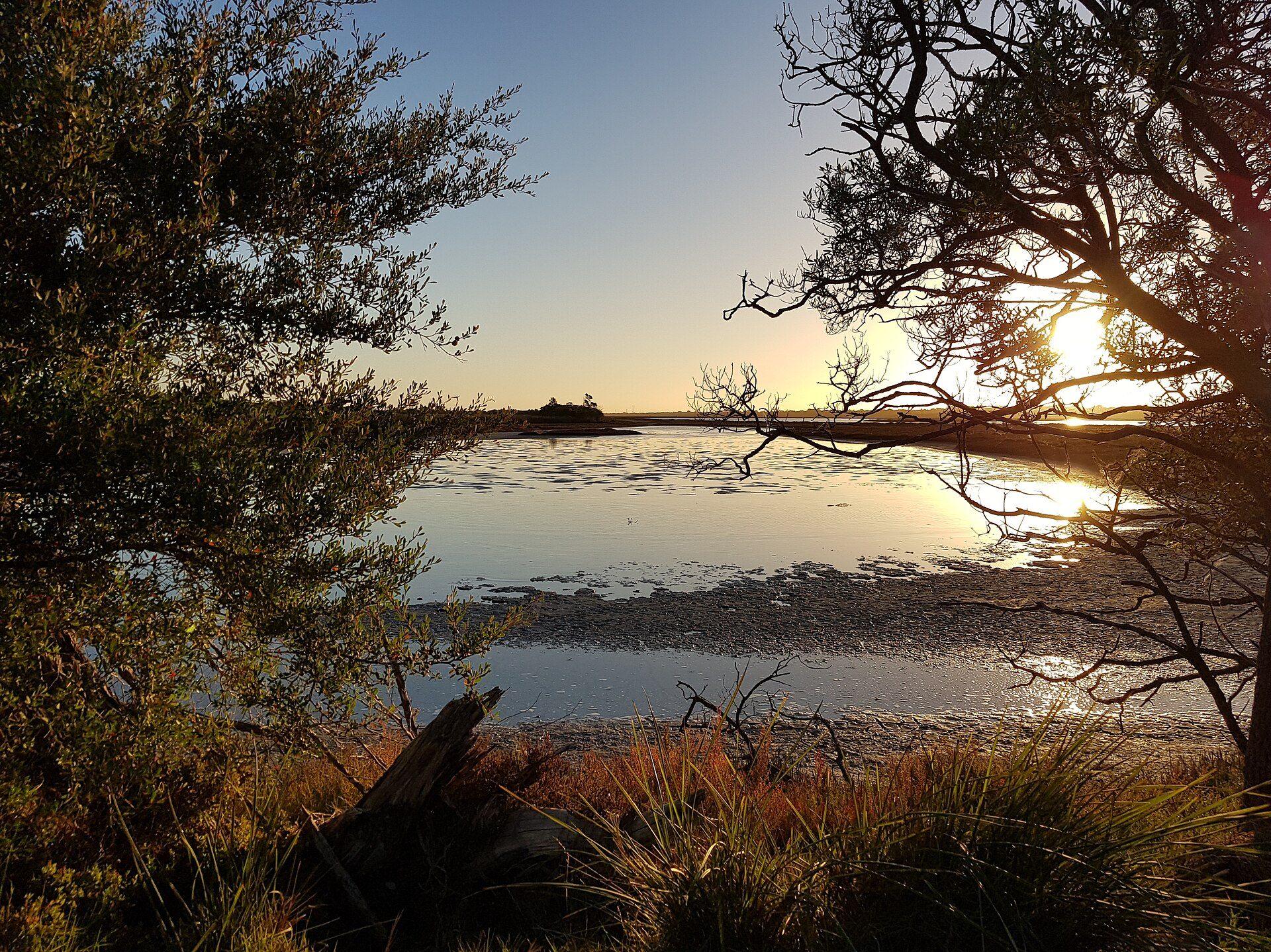
11. Gippsland Lakes Bioluminescence 📍 Raymond Island, Australia
Best time to go: Dec.-March
When a series of bush fires and torrential rains hit southeast Australia between 2006 and 2008, massive amounts of ash and nitrogen-rich soil were washed into Gippsland Lakes. A massive algae bloom of Noctiluca Scintillans soon appeared, visible as murky red patches during the day and a spectacular blue light at night.
The lakes have since lessened in bioluminescence, but those willing to head out for a midnight swim in Gippsland can still catch a faint glow during the summer months.
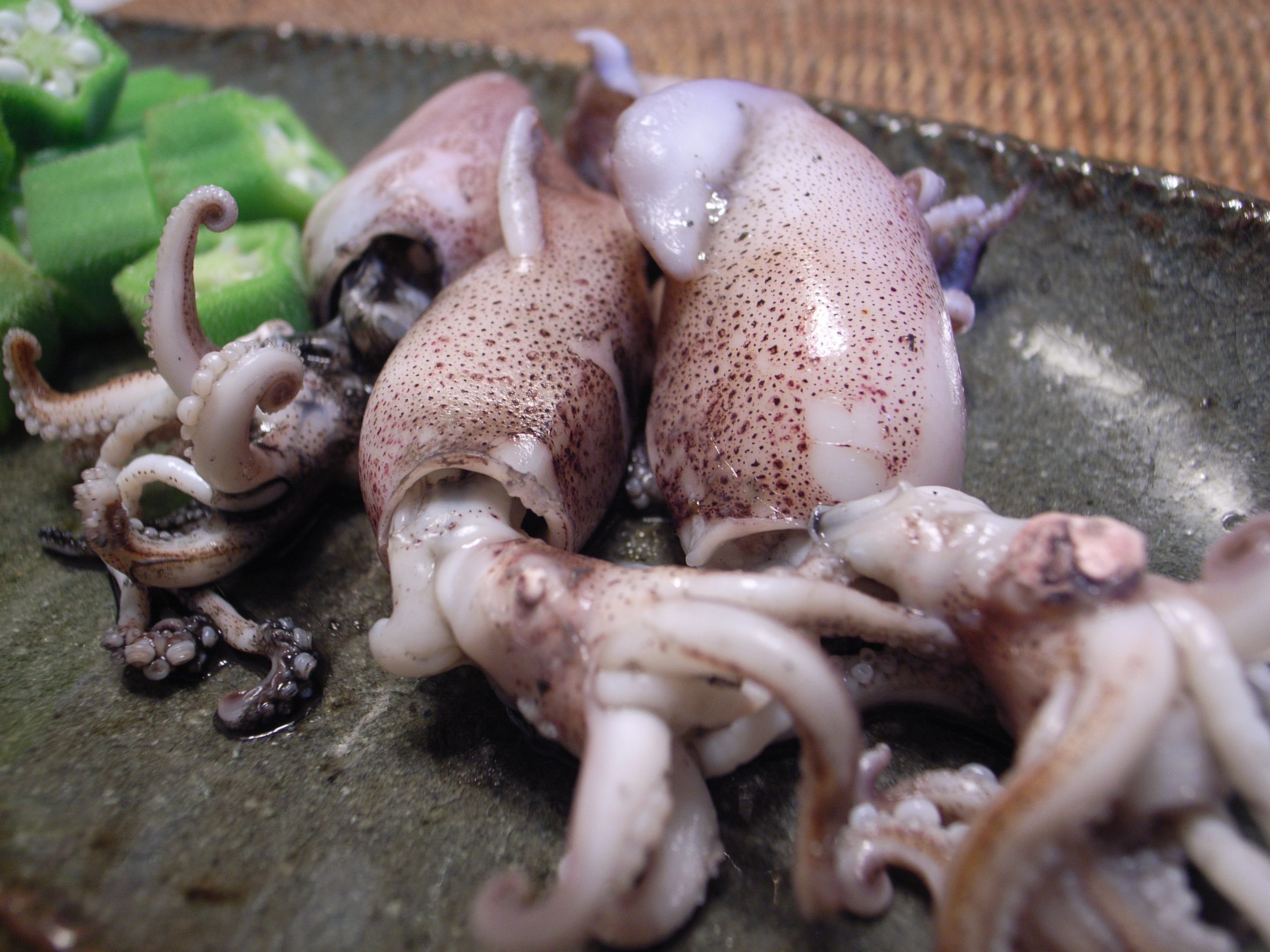
12. The Firefly Squid of Toyama Bay 📍 Namerikawa, Japan
Best time to go: March-June
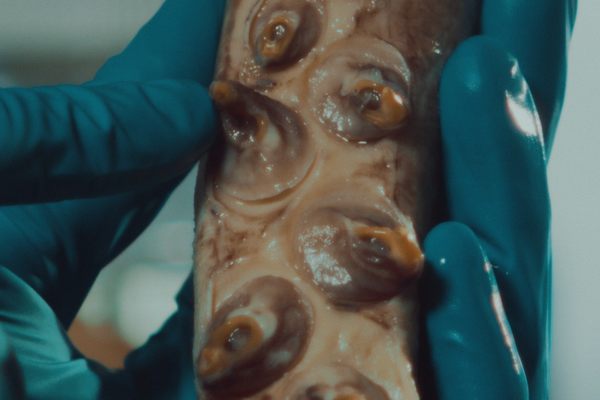
Watasenia scintillans (a.k.a the firefly squid) is only three inches long, but what it lacks in size, it makes up for in spectacle. At the end of its tentacles are special organs called photophores that light up like blue glow sticks at a rave.
Firefly squid are found in abundance in Japan’s Toyama Bay, where they turn the water blue when currents push them to the surface. From March to June, the squid are caught by locals, and nets full of them can transform fishing boats into beautiful blue beacons.
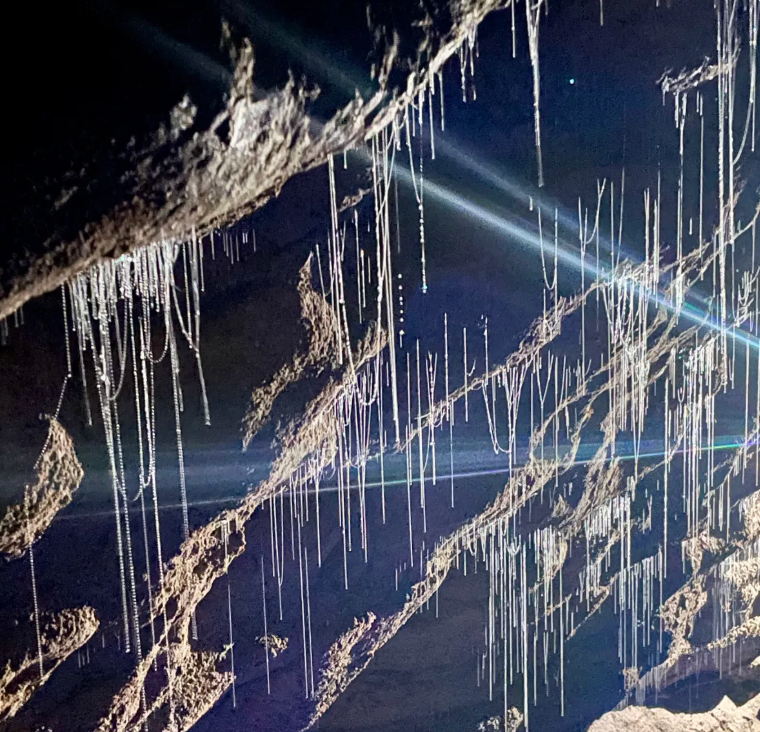
13. Waitomo Glow Worm Caves 📍 Waitomo, New Zealand
Best time to go: Dec.-March
In 1887, an English surveyor and a local Maori Chief set out to explore the Caves of Waitomo where, in the darkness, they noticed starlike lights scattered across the rock formations: thousands of bioluminescent larvae. Both men returned many times to observe this unusual phenomenon, eventually discovering the land entrance that is still used by tourists today.
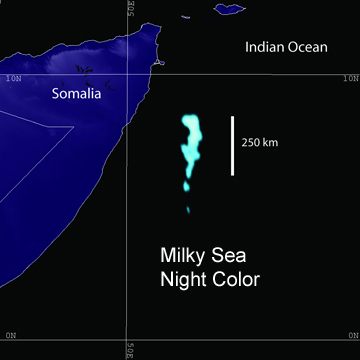
14. The Milky Seas 📍 Somalia
Best time to go: Jan.-Feb.
The world’s largest bioluminescent area—a patch of ocean roughly the size of Connecticut—went undiscovered until 2005, when researchers acquired archival data from the U.S. Defense Meteorological Satellite Program showing it aglow at night.
Believed to be caused by the bioluminescent bacteria Vibrio harveyi, the area measures over 15,400 square kilometers. Known by locals as the “milky seas,” it has long been a subject of folklore within the sailing world, even showing up in Jules Verne’s 20,000 Leagues Under The Sea.
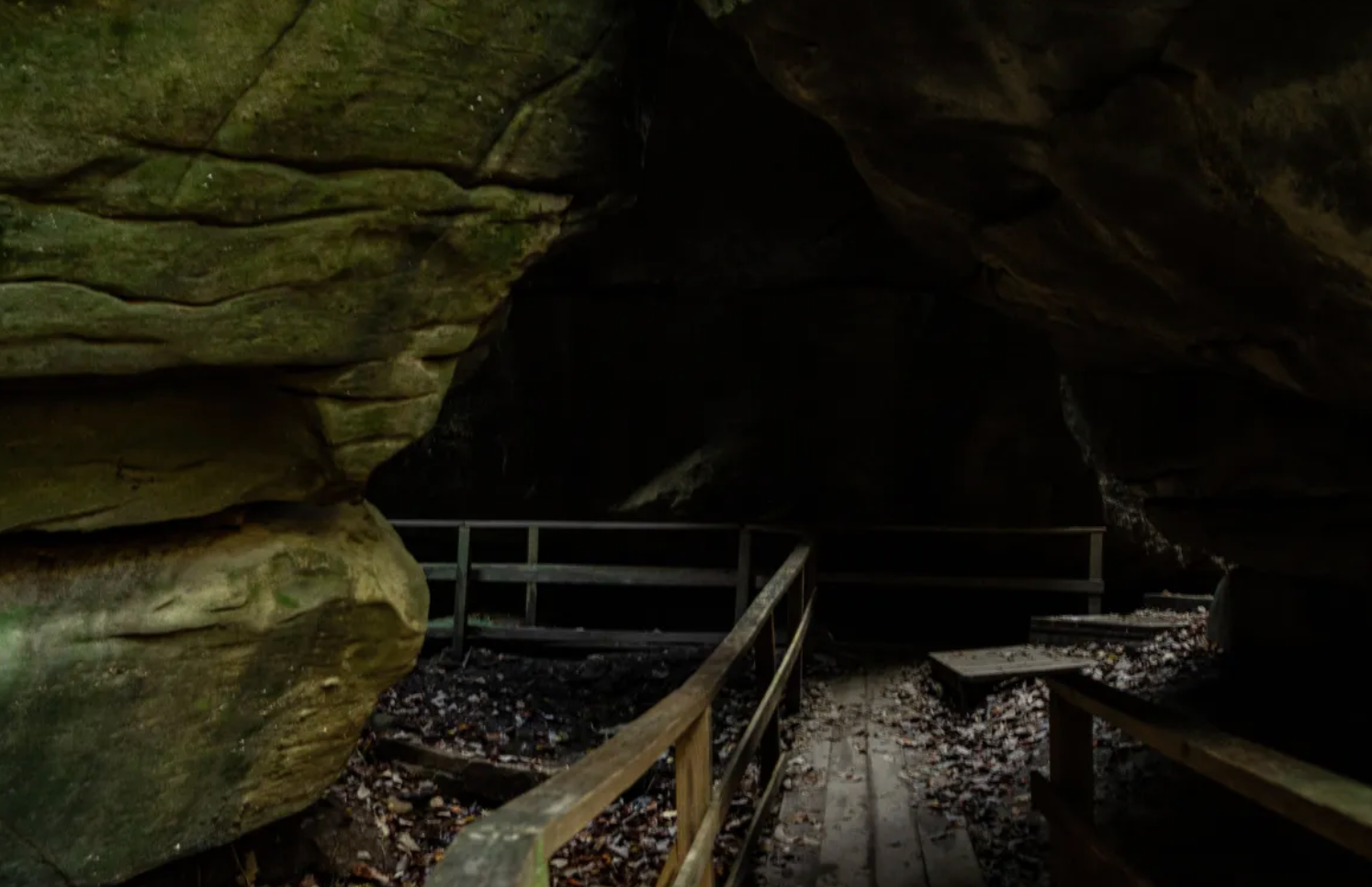
15. Dismals Canyon 📍 Phil Campbell, Alabama
Best time to go: spring or autumn
Past twilight, this Alabama canyon comes alive, lighting up with hundreds of tiny bio-luminescent gnat larvae known colloquially as “Dismalites.” An endemic species, they live only in the Appalachian Mountains and Cumberland Plateau, and emit a bright blue-green light to attract prey.
Looking up at the moss-covered canyon walls, it might be difficult to tell where the Dismalites stop and the stars begin. Thankfully, Dismals Canyon offers a comprehensive night tour for visitors. (Just be careful not to slip on the steep, slippery stairs taking you down!)











Follow us on Twitter to get the latest on the world's hidden wonders.
Like us on Facebook to get the latest on the world's hidden wonders.
Follow us on Twitter Like us on Facebook