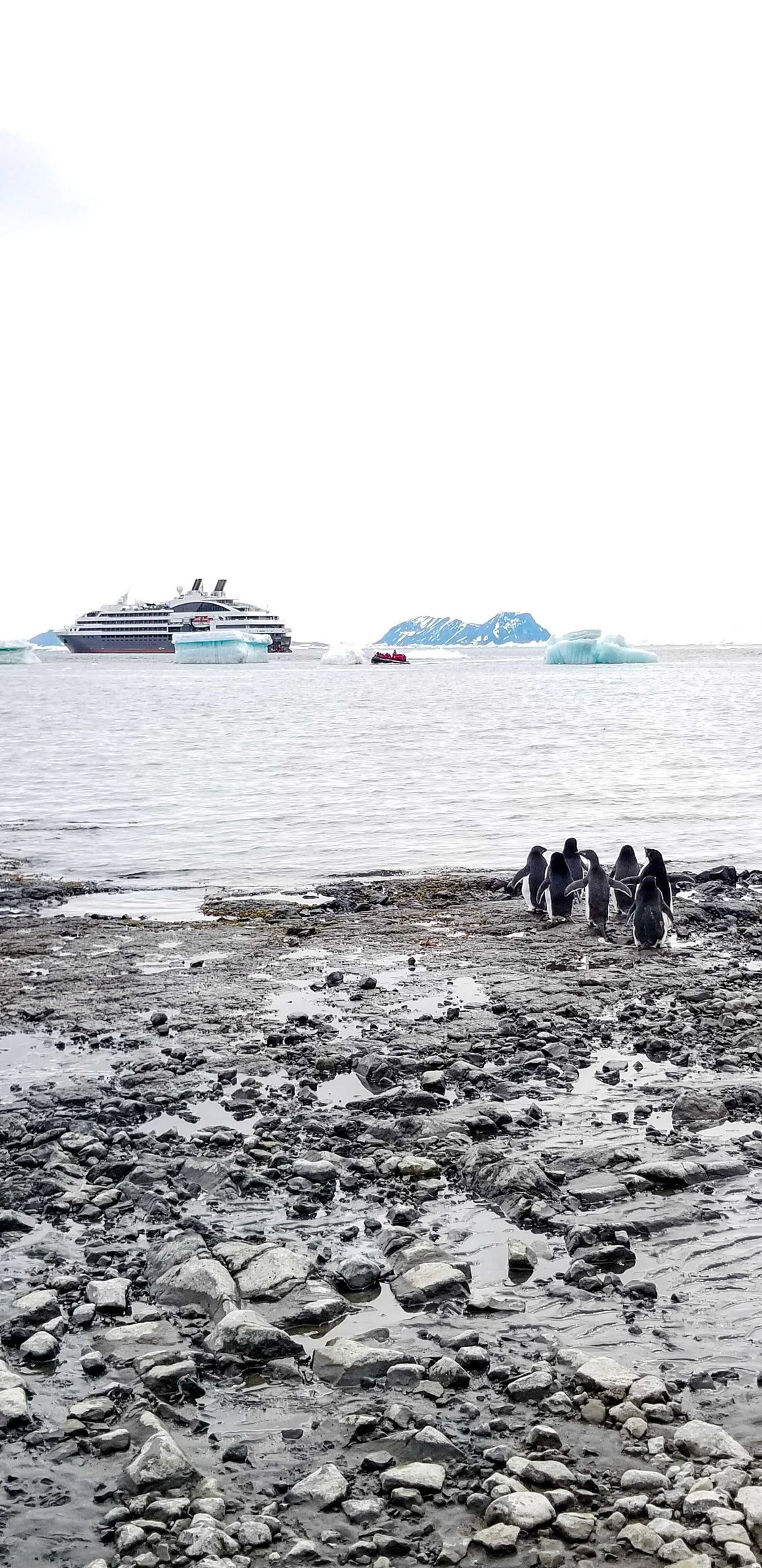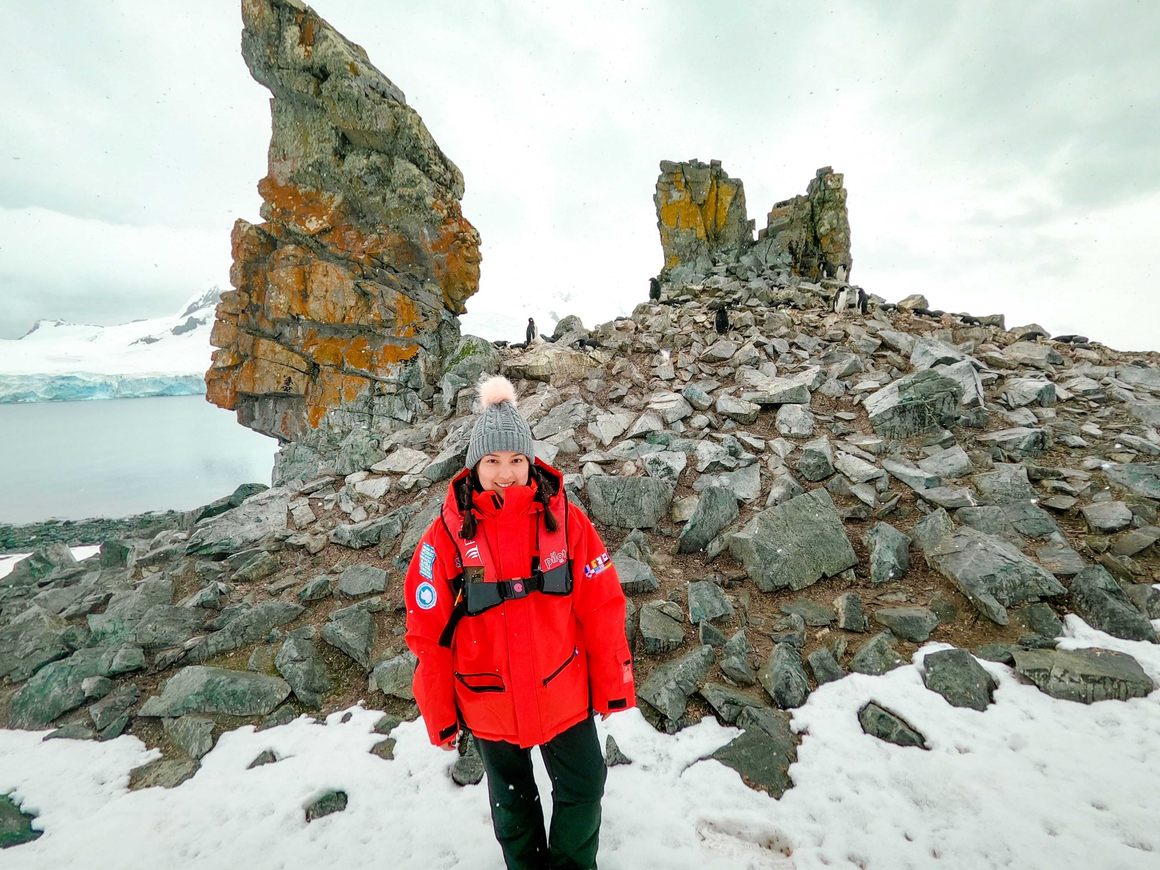
There are places on earth that exist beyond the reach of the ordinary world, and Antarctica is perhaps the most extreme of them. Sailing south towards the Drake Passage, I watched the last traces of human civilization dissolve behind me. When we reached our first stop days later, Half Moon Island, a minor Antarctic island, what struck me first was not the cold (it was actually colder in NYC at the time) or the miles of pure white snow, but the silence. Not an empty silence, but a full one. The kind that makes you realize how much ambient noise you have been carrying around your entire life without ever noticing it. For the first time in years, I was mostly unreachable, and rather than feeling unmoored, I felt something closer to relief.
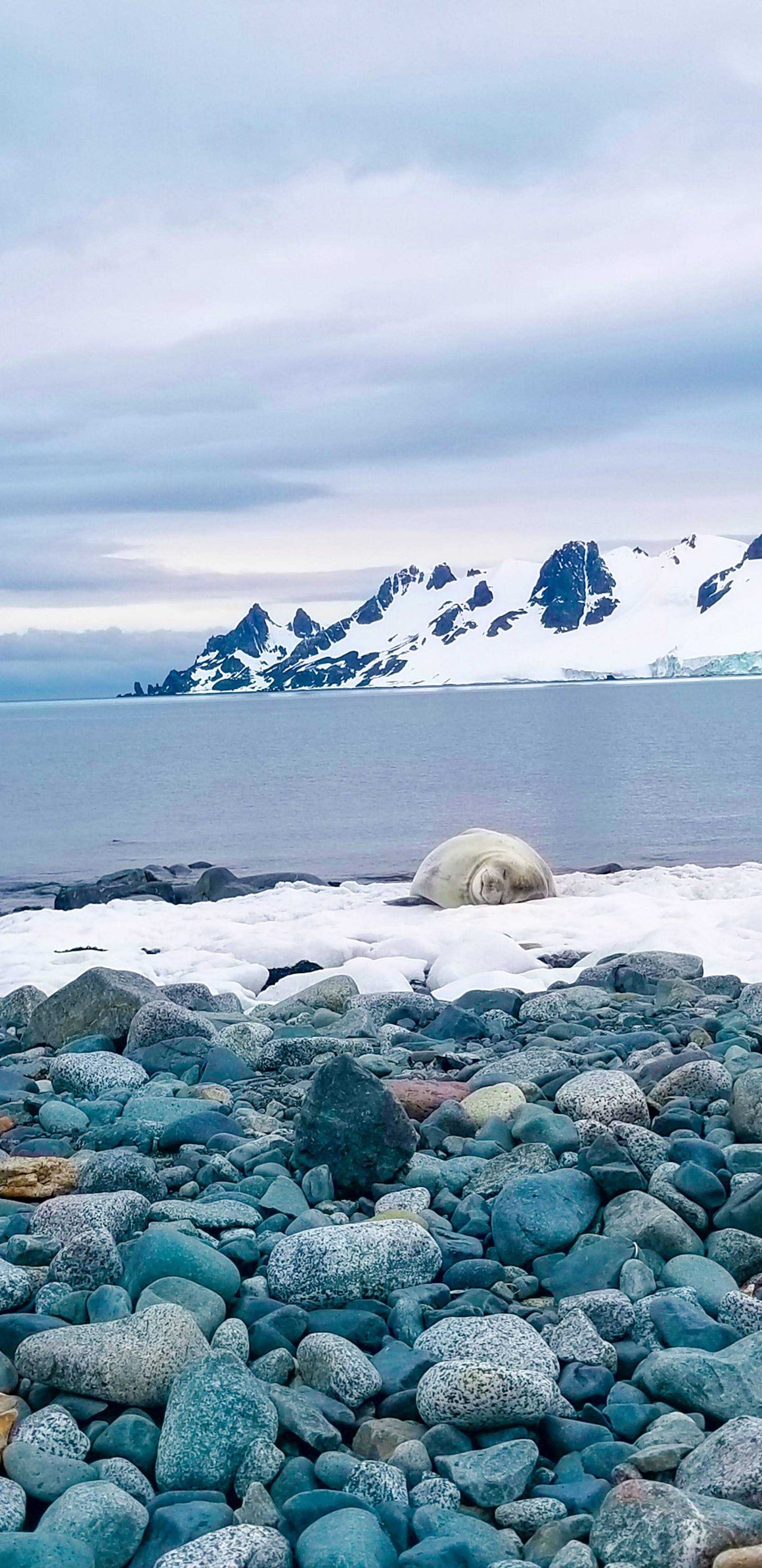
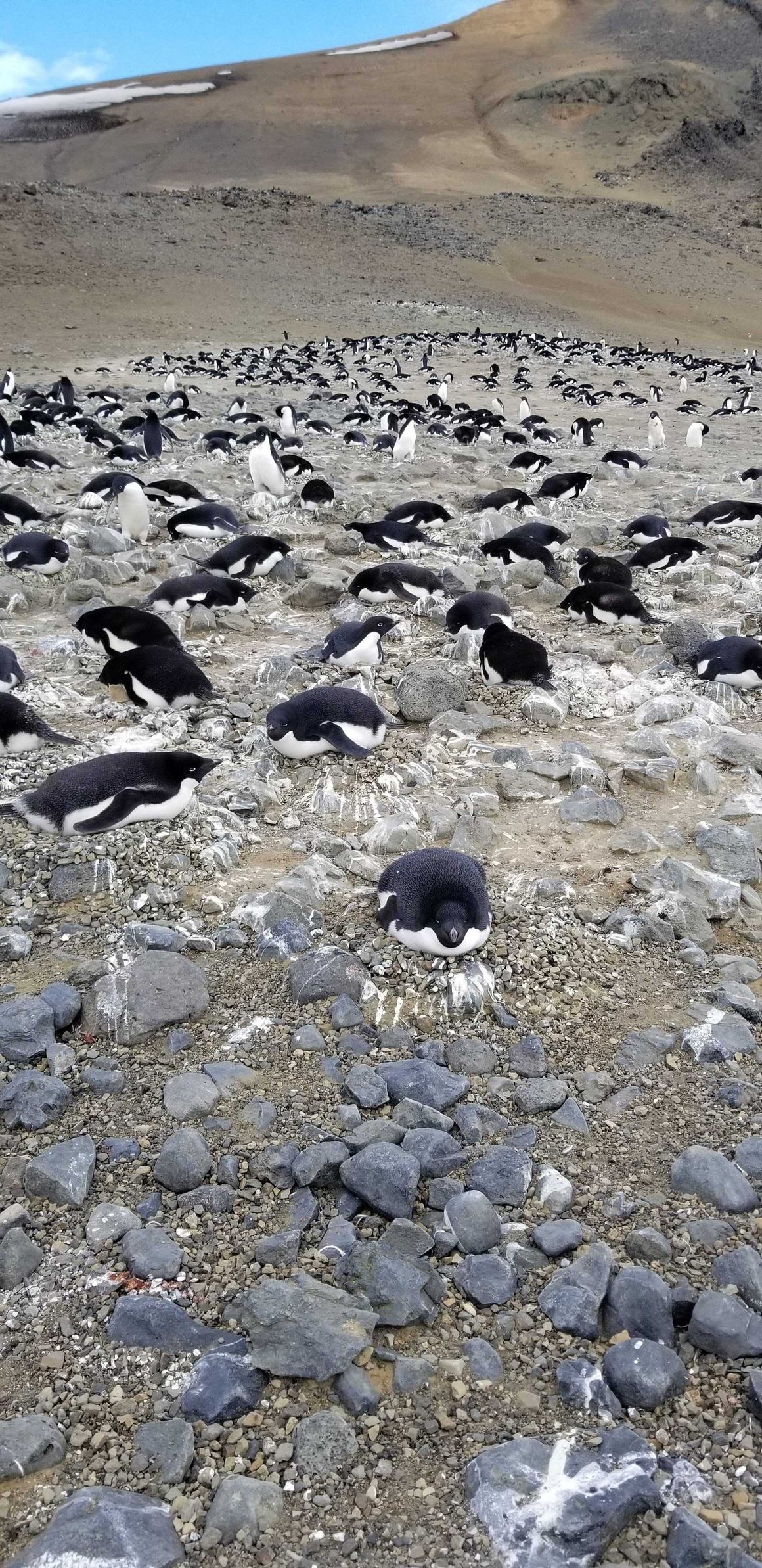
Landing on the Antarctic Peninsula itself reframed everything I thought I understood about my place in the natural world. There is no human infrastructure here. No roads, no buildings, no signs of the footprint we have pressed into almost every other corner of the planet. What exists instead is a landscape that has simply continued on without us. And into that landscape, I arrived, and was promptly ignored. I stood among thousands of penguins who had no interest in me whatsoever. Not afraid, not curious, just entirely indifferent to my presence.
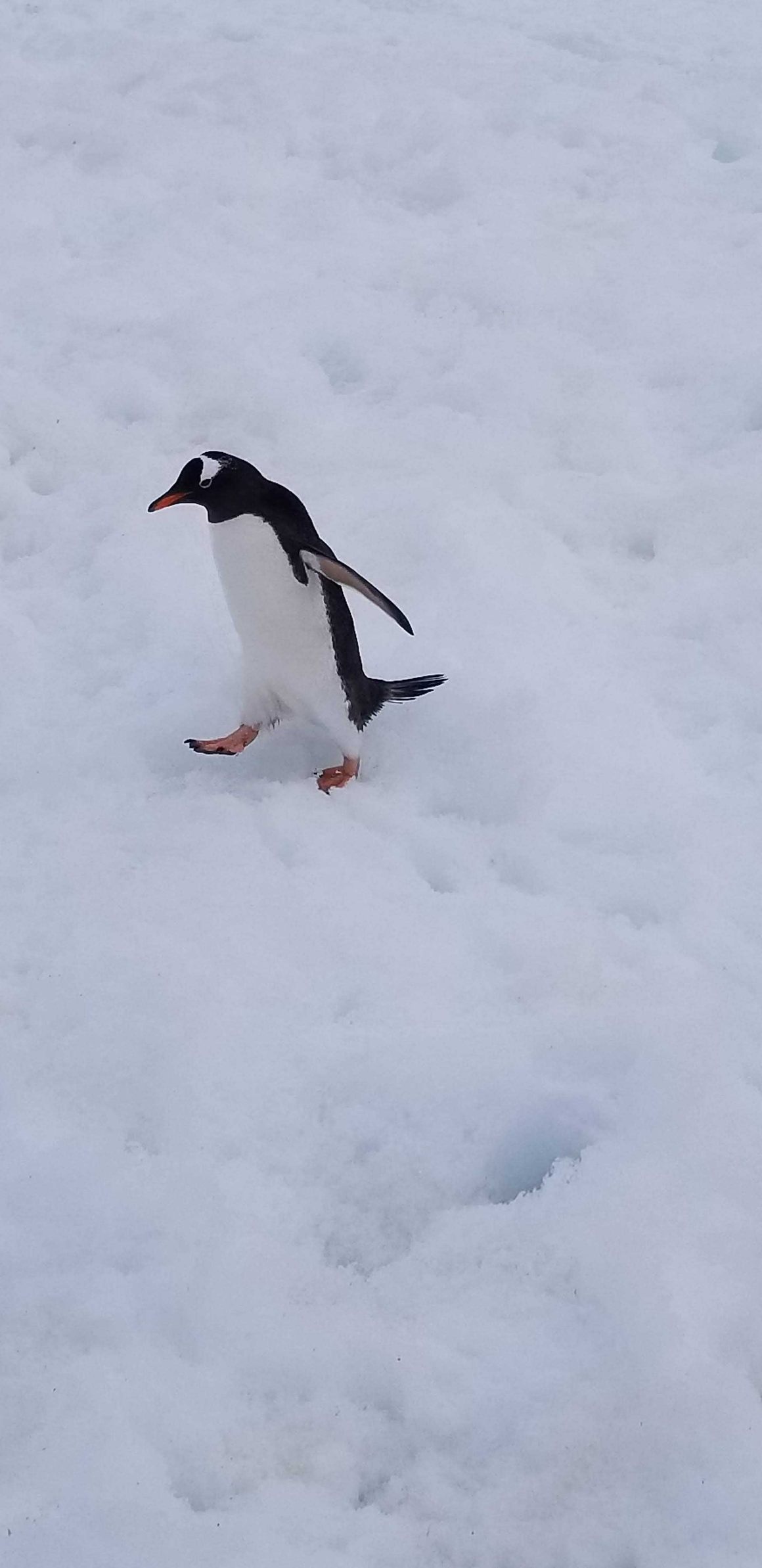
They had their own infrastructure to worry about: penguin highways, packed-down paths worn into the snow and ice by generations of the same waddling routes, used to navigate their colonies with surprising efficiency. It was their world in the most complete sense, and I was a non-event in it. We visited near the end of the incubation period, so the colonies were in a state of high-stakes waiting. Eggs close to hatching, parents cycling on and off nests, and skuas circling overhead looking for any moment of inattention to swoop in and steal an egg. My first instinct was to feel something protective toward the penguins. After all, those were their eggs, weeks of incubation condensed into a single vulnerable moment. But the skuas have to eat too, and that realization sat uncomfortably alongside the instinct. Nature does not have a side to be on.
There are still places where humans are an afterthought, where the wildlife hasn't recalibrated around our presence. Antarctica is one of them. I left feeling lucky to have seen it that way. I came home and talked about penguins and glaciers to anyone who would listen. I still do.