


Most visitors to Asmara make a beeline for the celebrated Cinema Impero or Cinema Roma, its Art Deco façades now icons of the city's UNESCO-listed modernist heritage. But tucked away from the usual route is another survivor: Cinema Africa, a quieter landmark where the story of Asmara's cinematic architecture continues to shine unnoticed.
Built during the Italian colonial era, when Asmara boasted one of the highest concentrations of cinemas in Africa, Cinema Africa belonged to a city where going to the movies was as much a social ritual as an evening's entertainment. While many historic theaters around the world have become museums or abandoned shells, Cinema Africa has retained a role everyday life. The building still houses a functioning café, accessible through the side entrance, on the ground floor where people gather over espresso and chatter, preserving the atmosphere that once made Asmara's cinemas as much about meeting friends as watching films.
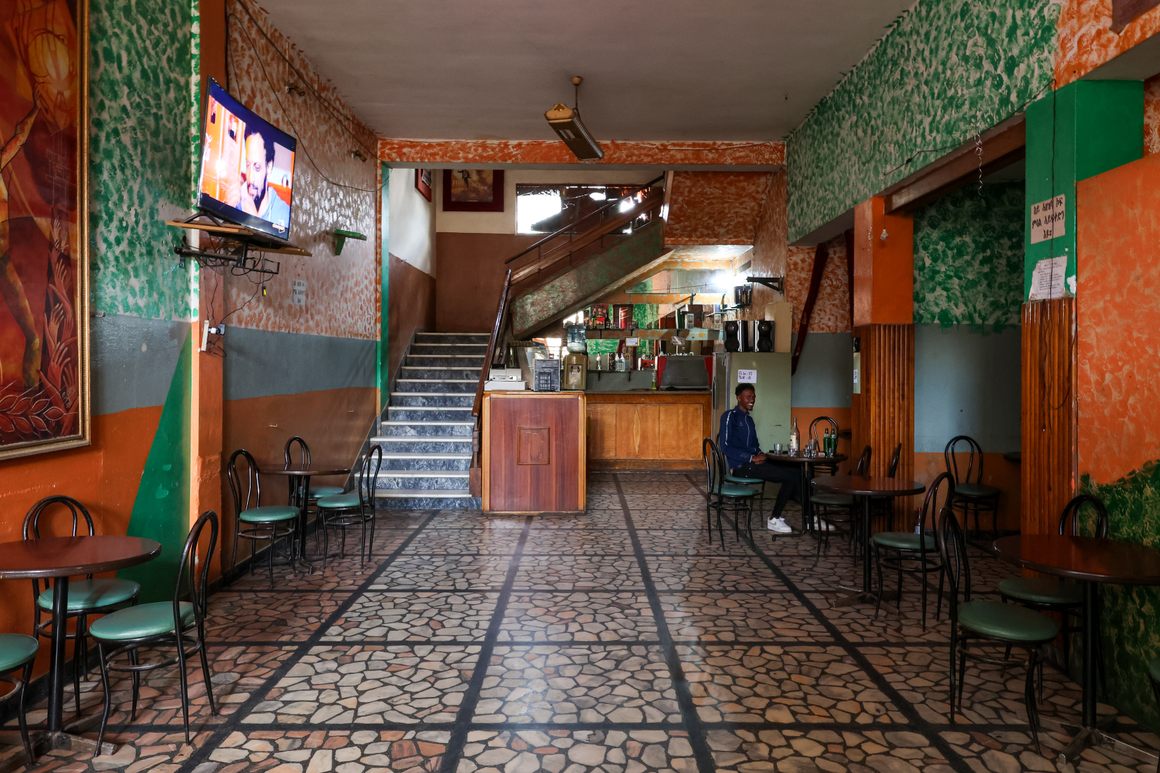
The building itself is modest compared with the monumental Cinema Impero, but that is part of its appeal. Visitors encounter something increasingly rare: a historic cinema that still belongs primarily to the people who live around it, serving its community and yet allowing the few travelers who reach it to peek into the main theatre room, an extraordinary grid of bare wooden retractable seats that are not find anywhere else in the city. It is a peculiar place for good coffee, to watch a football match on the café's tv, play billiard or observe neighbourhood conversations.
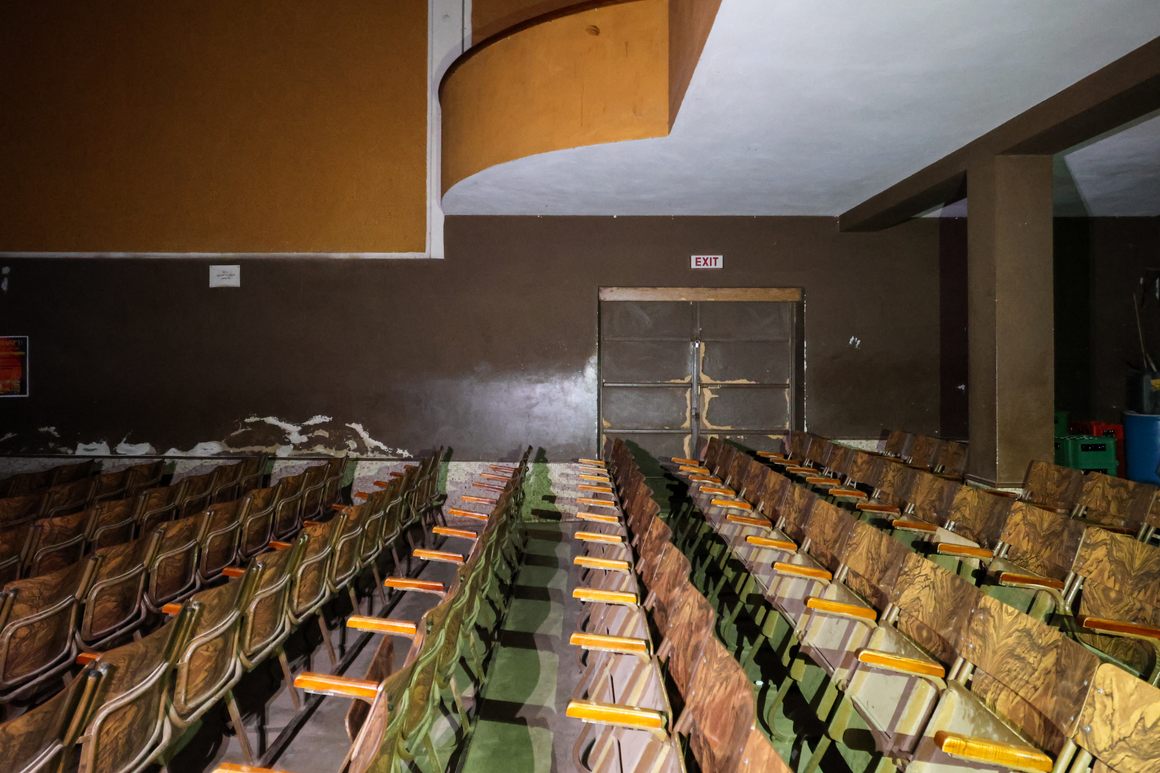
For travelers willing to venture beyond Asmara's best-known architectural landmarks, Cinema Africa offers a glimpse into the city's everyday rhythm. It is a reminder that Asmara's modernist heritage is not confined to famous façades, but survives in ordinary places where architecture and daily life continue to coexist.
Today, the café is reason enough to stop. Order a macchiato, take in the quiet atmosphere, and enjoy one of Asmara's least-visited architectural treasures—a place where the city's cinematic past has never entirely faded away.


