
I tried my first haggis bonbon at Arcade, a bar on Cockburn Street, not really knowing what to expect. It arrived as a small fried ball, crisp on the outside, and it turned into one of the best bites of the entire trip. That single plate did more to convert me to haggis than any Ode to the Haggis reading ever could.
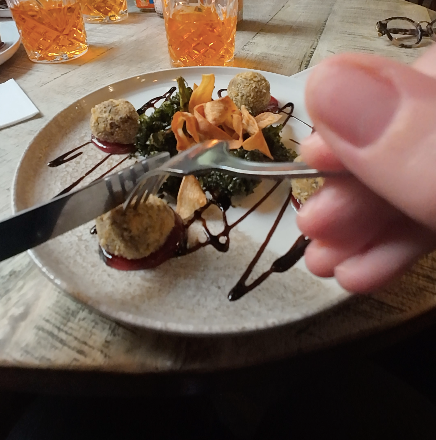
Haggis has an image problem outside Scotland, and it is easy to see why. Sheep's heart, liver, and lungs, minced with onion, oatmeal, and suet, traditionally cooked inside the animal's own stomach. It reads like a dare more than a dish. But in Edinburgh, an entire generation of cooks has spent the past decade or so quietly proving that the concept behind haggis, which is really just well-seasoned minced offal, is a lot more flexible than its reputation suggests.
The fried candy version is where a lot of people meet haggis for the first time now. Haggis is shaped into small balls, battered, and deep-fried, then served with something sweet-and-spicy on the side. It shows up on pub menus around the Royal Mile under names like haggis bonbons, and it borrows a trick Scottish chippies have used for years: if in doubt, fry it.
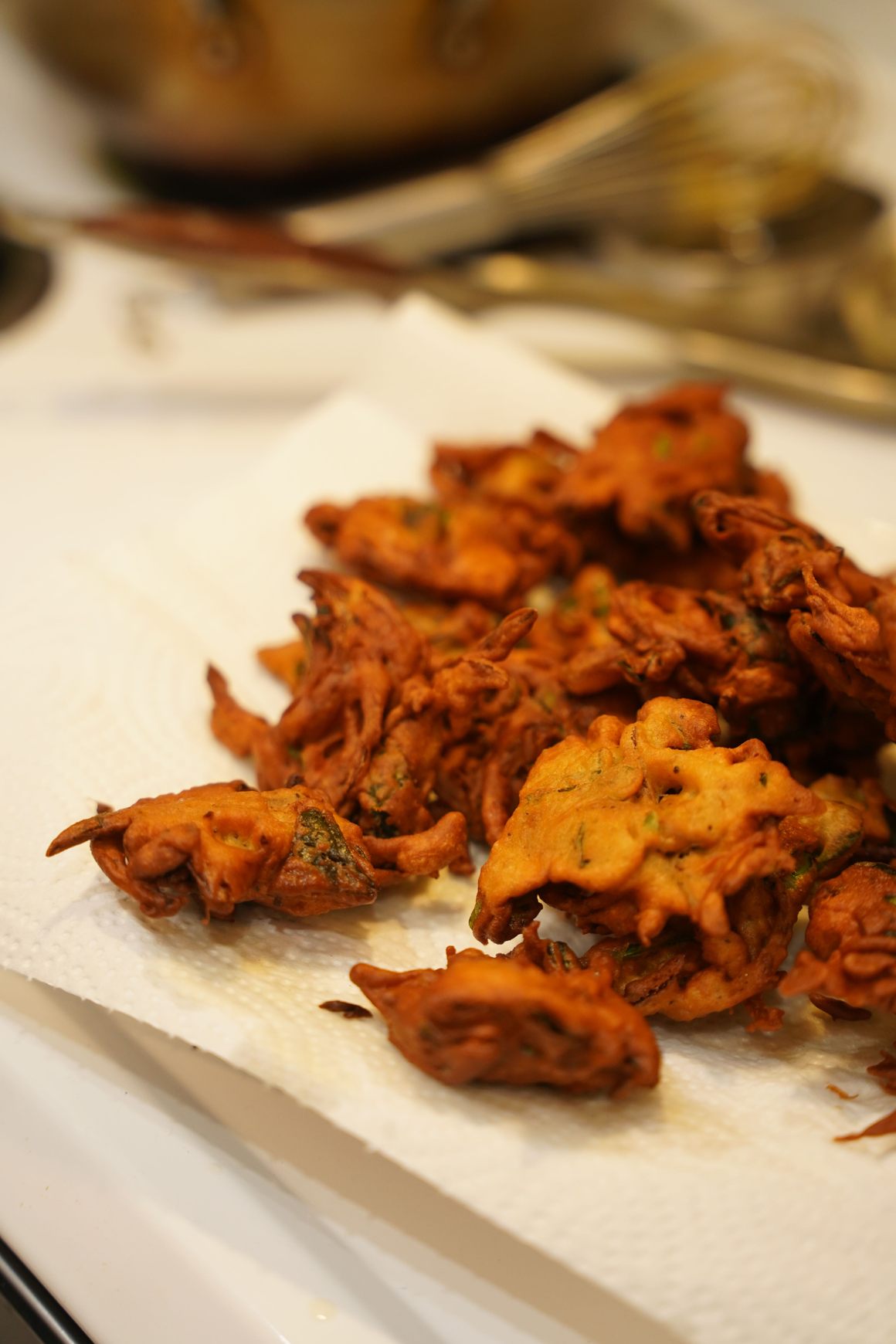
The pakora version pushes the idea further, borrowing not just a technique but an entire other cuisine. Spots like The Pakora Bar coat haggis in a spiced gram-flour batter and fry it Indian-snack style, a combination that sounds improbable on paper and makes complete sense on the plate. It is not a novelty stunt so much as a genuine fusion, built on Scotland's own South Asian food culture, which has been shaping what "Scottish food" means for decades.
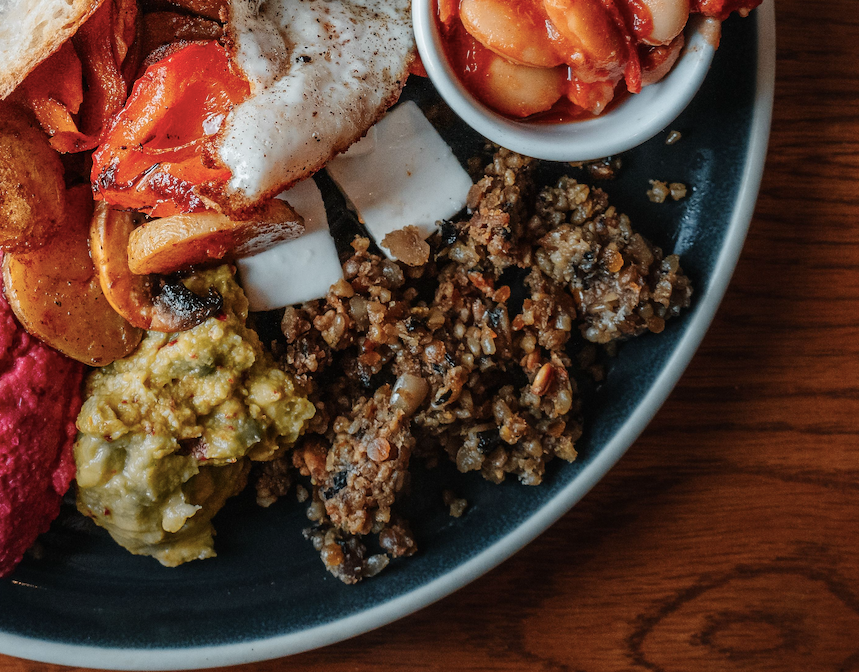
Then there is the vegetarian and vegan turn, arguably the most significant shift of all. Lentils, mushrooms, nuts, and root vegetables step in for the offal, seasoned to hit the same peppery, savory notes as the original. Places like The Haggis Box serve it street-food style, stripped of the intimidating reputation, which has quietly made haggis accessible to a much wider range of eaters than the traditional version ever was.
The most elaborate reinvention might be Balmoral Chicken, a fixture on traditional Scottish restaurant menus around the Royal Mile and New Town: a chicken breast stuffed with haggis, wrapped in bacon, and finished with a whisky sauce. It takes three distinctly Scottish ingredients and stacks them into one plate, turning a dish born of rural necessity into something that would not look out of place on a fine-dining menu.
What ties all of it together is that none of these versions are trying to escape haggis's identity. They are stretching it. A plate of haggis pakora is still, unmistakably, haggis. It has just been introduced to a few new ideas.


