
In November 1440, 16-year-old William Douglas, 6th Earl of Douglas, and his younger brother David were invited to dinner at Edinburgh Castle. By the time the meal was over, neither brother would leave the castle alive.
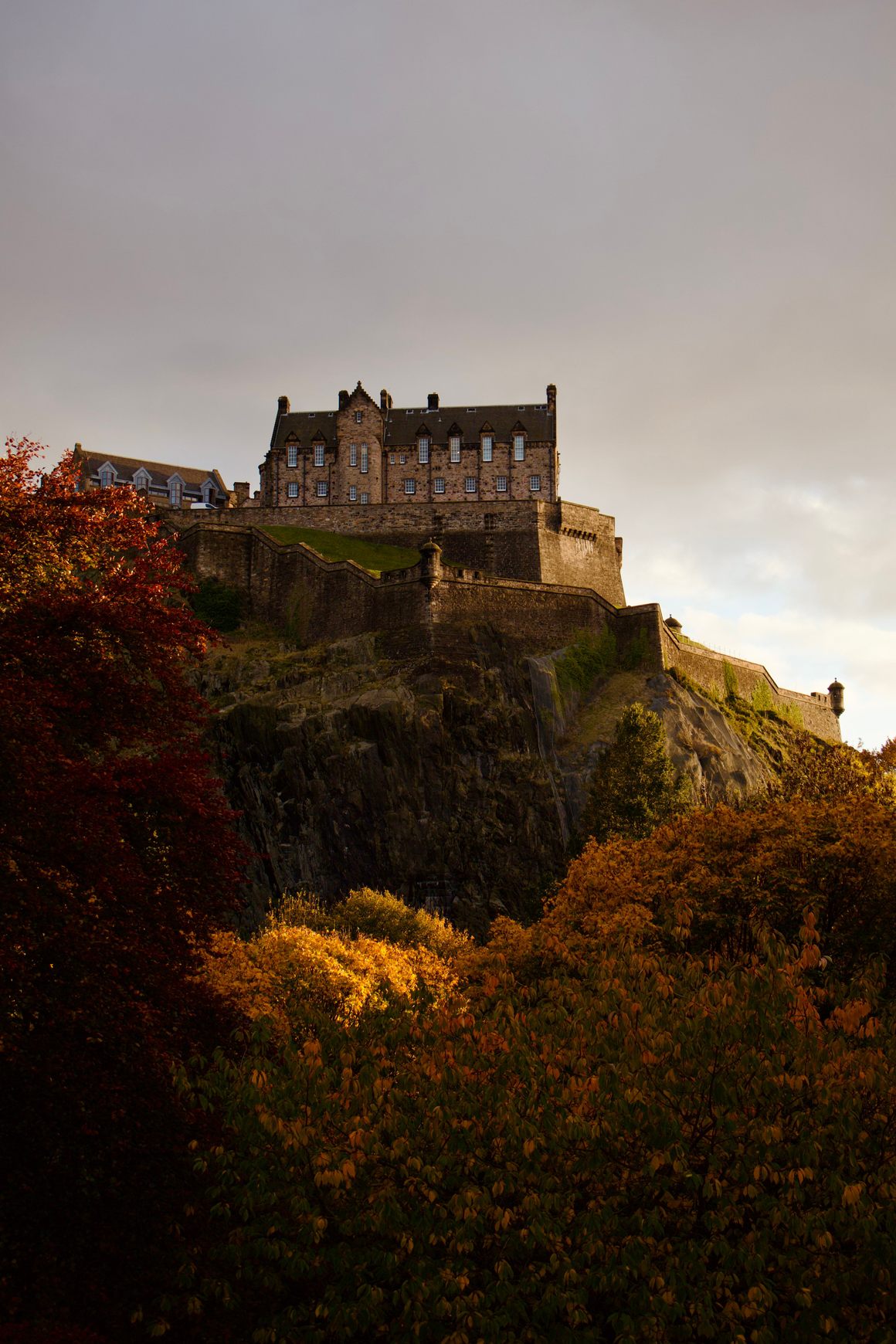
The dinner is remembered in Scottish history as the Black Dinner, and it is widely cited as one of the real historical events George R.R. Martin drew on for the Red Wedding in A Song of Ice and Fire. The medieval version has no dragons and no wildfire. It has a ten-year-old king, two teenage lords, and one of the coldest betrayals in Scottish history, carried out under a roof that was supposed to guarantee safety.
A kingdom run by regents
To understand why the dinner happened, it helps to know what Scotland looked like in 1440. King James II had inherited the throne at age six, after his father was killed by conspirators. James was still only ten, and real power in the kingdom was split between two rival guardians: Sir William Crichton, keeper of Edinburgh Castle, and Sir Alexander Livingston, keeper of Stirling.
Then there was Clan Douglas, the most powerful noble family in the Scottish Lowlands, with land and military strength that rivaled the Crown itself. In 1439, the 5th Earl of Douglas died, leaving his titles, lands, and the loyalty of roughly 500 knights to his 16-year-old son, William. In a kingdom run by two regents and a child king, a 16-year-old with that much power looked less like an heir and more like a threat.
Dinner, then a bull's head
On November 24, 1440, William Douglas and his younger brother David were invited to dine at Edinburgh Castle with the young king, framed as a gesture of reconciliation between the Crown and the Douglases. Refusing such an invitation would have marked them as enemies of the Crown. Accepting came with an unwritten but universally understood guarantee: a host does not turn on his guests.
The dinner began well. The boys relaxed. That, according to the story handed down through the centuries, was exactly the point.
At the end of the meal, a servant is said to have set a covered platter down in front of William Douglas. Underneath was the head of a black bull, a symbol in Scottish folklore with only one meaning, understood instantly by everyone in the room.
What followed happened fast. The brothers were taken from the hall and given a sham trial for treason. Chronicles say the boy king protested and pleaded for their lives. No one listened to him. He was ten.
The brothers met the same fate, David first and William after him. According to legend, it was William's own request: he asked to go second so that David wouldn't have to witness what came for his older brother.
Where the legend and the record diverge
Modern historians are less certain about the bull's head. Some chronicles suggest the brothers may have been arrested the moment they arrived at the castle, before any meal was served, and that the platter scene was added by later generations who thought the story deserved a better stage direction. Whether the bull's head is fact or 16th-century embellishment is still unresolved, and both versions circulate in the historical record.
What isn't in dispute is who benefited. The boys' uncle, James Douglas, inherited their titles and lands within a day of their deaths and is widely believed to have had a hand in the plot. Crichton, sensing the Douglases would come for him, placed himself under royal protection, was pardoned, and was later made a lord. Betrayal, in this case, paid well for everyone. Well, except the two teenagers in the courtyard, that is.
The Great Hall today
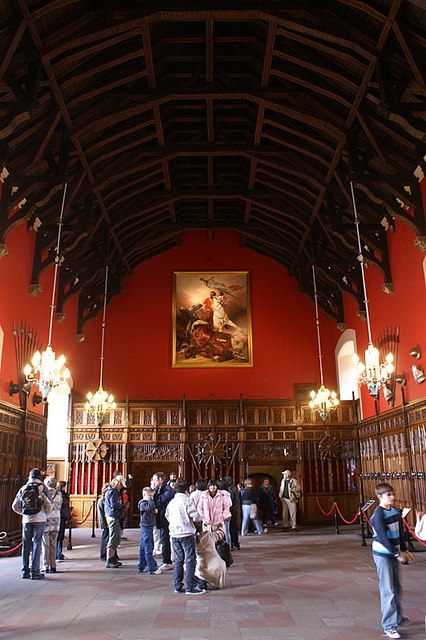
The Great Hall at Edinburgh Castle is still standing, restored and now used for exhibitions and events, with its original medieval timber roof intact. It's the same room where the dinner took place. Somewhere in the courtyard below, where visitors now line up for photos of the skyline, two teenagers lost their lives on a November evening, over the objections of their ten-year-old king.
There's no plaque marking the spot, and no mention of the Black Dinner in most castle guidebooks.
Know Before You Go
Edinburgh Castle's Great Hall is included in general admission and is usually one of the last stops on a self-guided visit, easy to walk past without realizing what happened there. The room is also used for private and ticketed evening events, which is sometimes the only way to see it lit as it would have been in 1440. Look up: the hammerbeam timber roof is original to the period.


