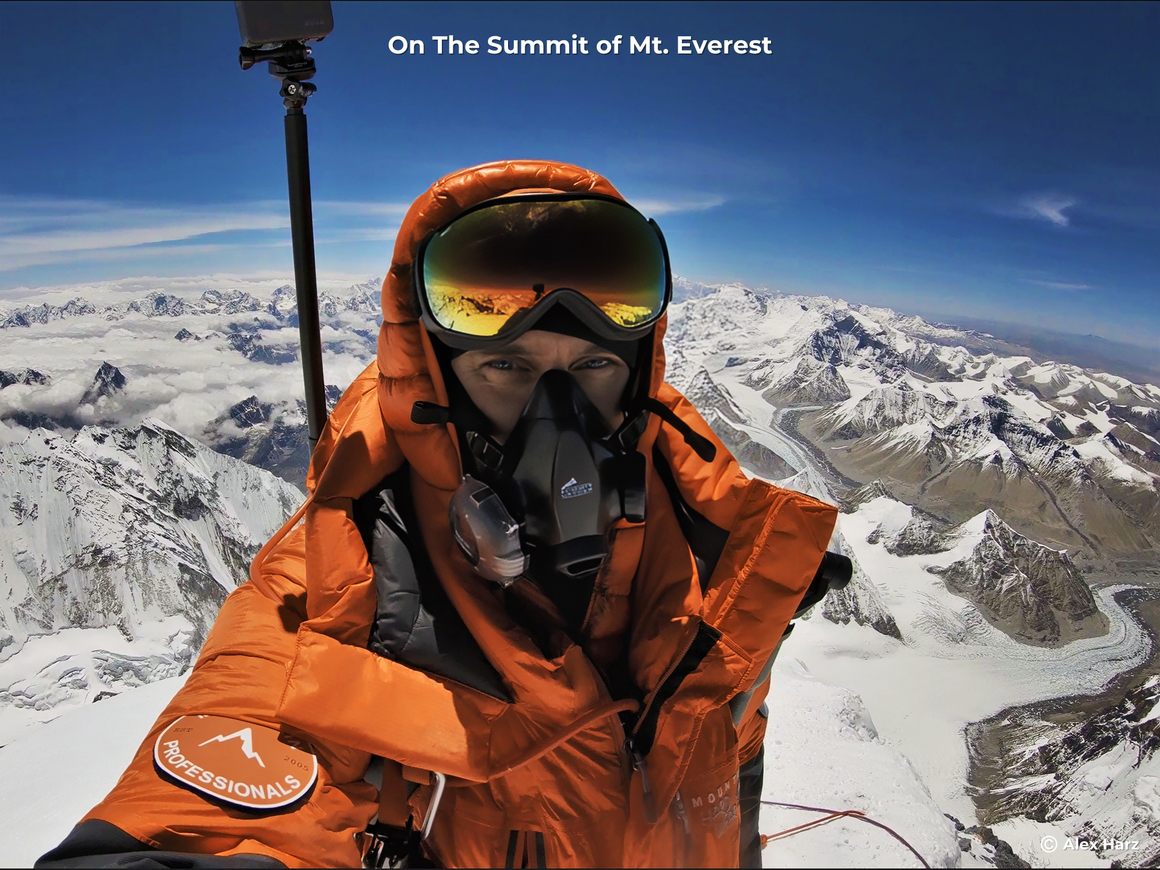
For most people who trek to Everest Base Camp (EBC) or try to reach the Summit of Planet Earth (Mt. Everest - 29,032 feet / 8849 meters), they begin their bucket list adventure and exploration in the alluring South Asian capital city of Kathmandu, Nepal before heading up into the mighty Himalayas. Kathmandu's unique flare of Hindu + Buddhist spirituality and loud bustling contemporary life sets the tone for the iconic journey ahead. However, the adventure truly begins in earnest once you arrive at the Himalayan village of Lukla, nestled 9400 feet / 2865 meters up in the Khumbu Valley and home to the "most deadly airport" in the world (Tenzing-Hillary Airport) :)
And though there are no roads that lead to Lukla, it is the starting point for most Everest exploits in Nepal and where you begin the spectacular 12 - 14 day roundtrip trek to Everest Base Camp or approximate 2 month expedition to try to climb the highest mountain on the planet. The most common time to trek to EBC or scale Mt. Everest is in the Spring, between the end of March to the end of May. Although, for those not adverse to colder temperatures, the Fall post-monsoon season between late September through November is less busy and another viable option for embarking on an EBC trek.
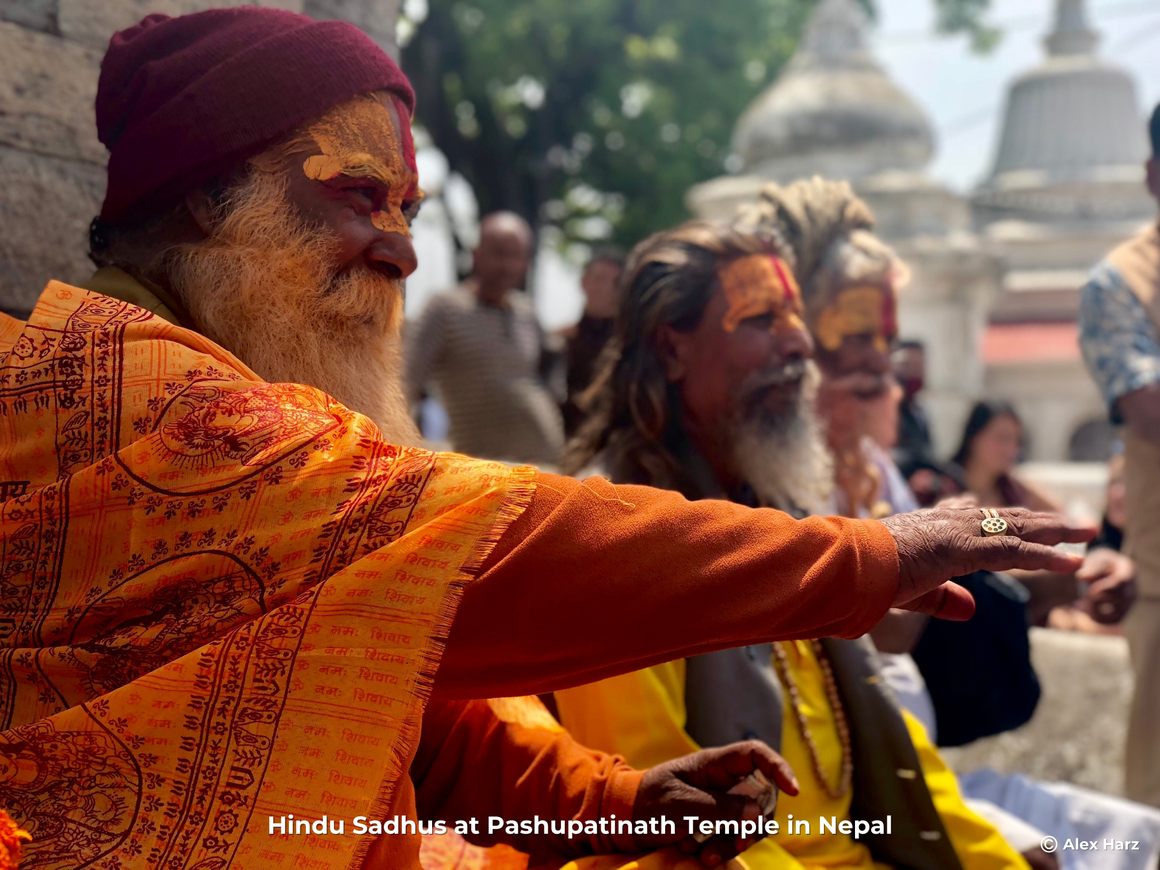
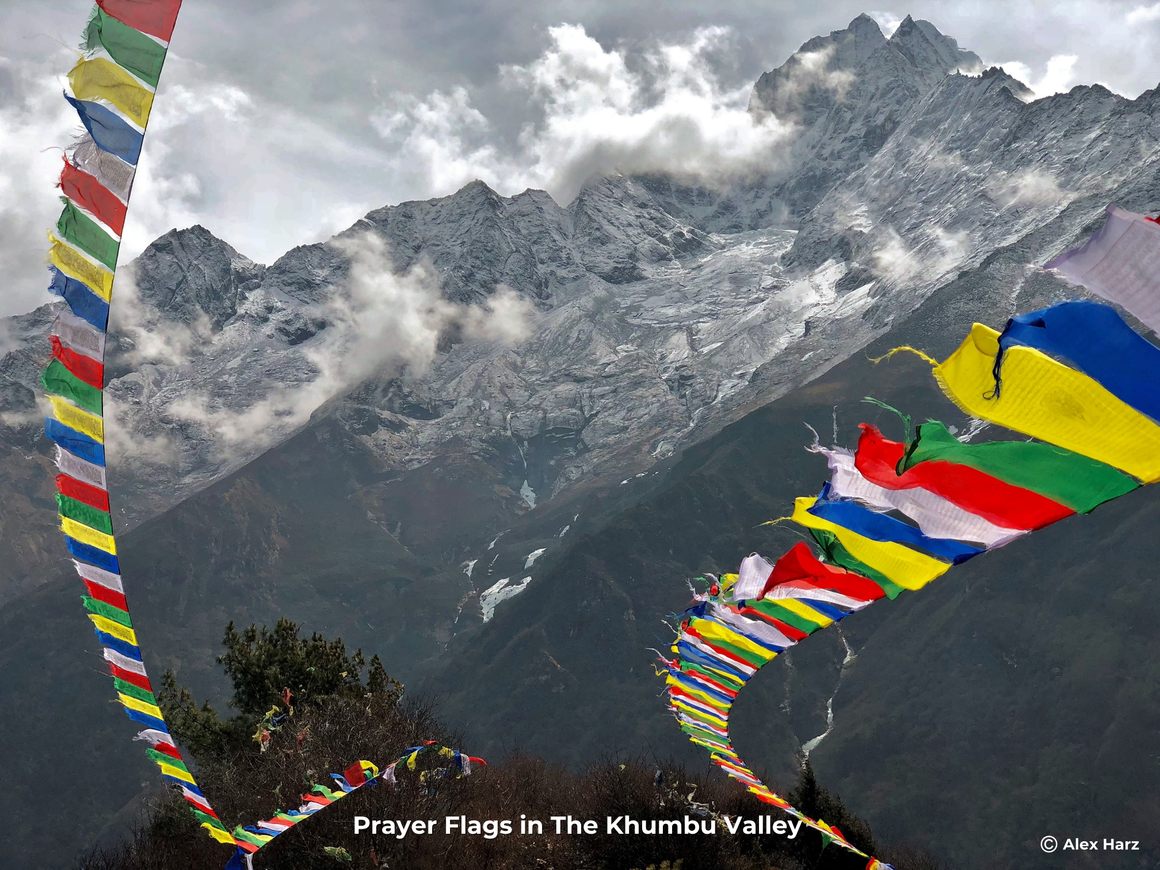
The deep spirituality & serenity of the ethnic Sherpa people who call the Khumbu Valley home is evident everywhere, ornate Buddhist shrines, hand-carved Mani stones and colorful Tibetan prayer flags are prominent centerpieces throughout the region. Becoming immersed in the Sherpa culture is inevitable, while the dominant alpine vistas, colorful flora & fauna and cozy settlements tucked beneath some of the most majestic peaks on earth re-affirms the magnificence of the area. It's easy to become further enthralled in the experience as you trek side-by-side with caravans of porters, mules, dzo and yak herds through Sagarmatha National Park enroute to Everest Base Camp.
After a stunning river crossing on the highest suspension bridge (Hillary Bridge) in the Khumbu you eventually arrive in idyllic Namche Bazaar, the defacto capital of the Sherpa people. Burrowed into the side of a mountain at 11,300 feet / 3445 meters above sea level, this crescent-shaped village was once an important trading hub between Tibet to the north and Kathmandu below. Today, Namche is a charming mix of modernization and traditional Sherpa culture filled with shops, restaurants, cafes, bars and lodges inviting in trekkers / climbers each season on their way to EBC or other splendid destinations within the region.
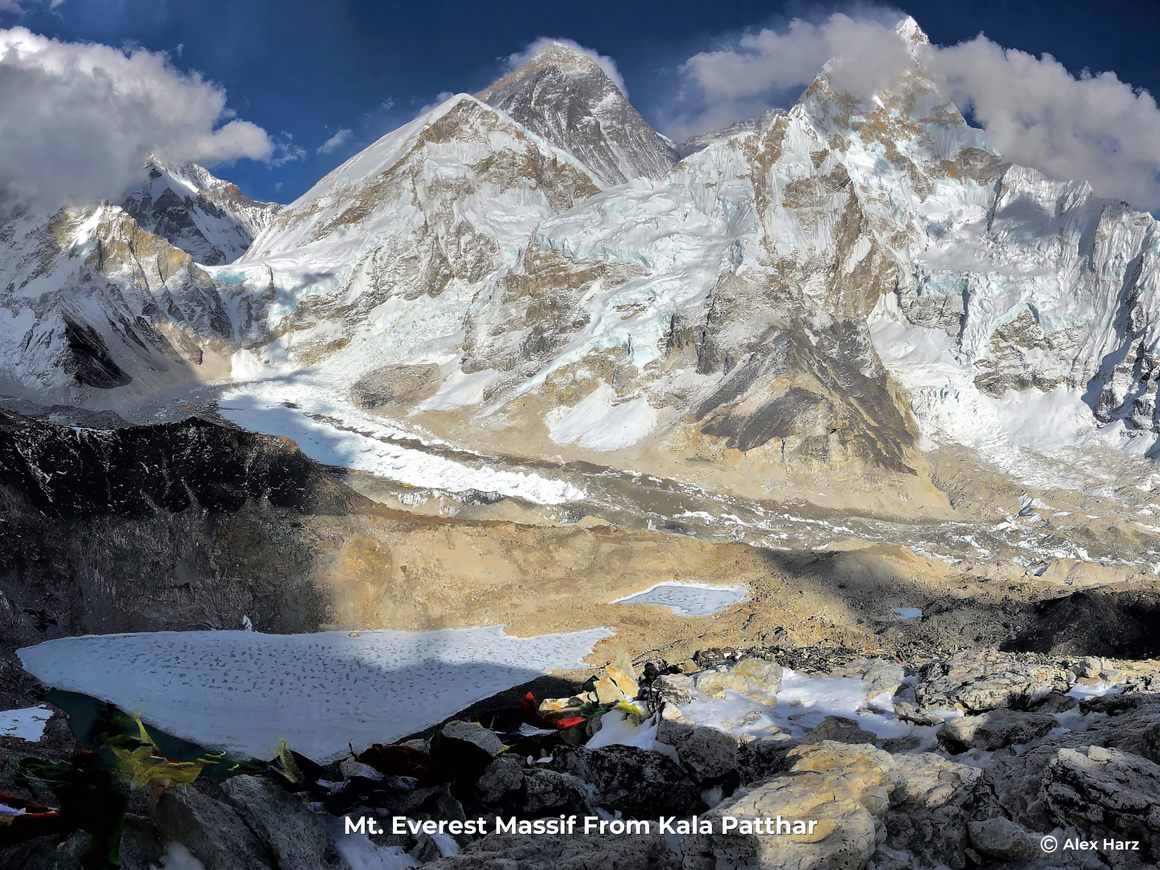
Leaving Namche, the grandeur of the colossal Himalayas come into full view and the landscape becomes more baron & remote as you continue to gain elevation. The quaint villages of Tengboche, Pangboche, Dingboche, Lobuche, Gorak Shep, etc. are dotted amongst deep glacial gorges and towering 20,000+ foot / 6096+ meter peaks. The first highly-anticipated sightings of awe-inspiring Chomolungma, “Goddess Mother of the World” as the Sherpa people call her or Mt. Everest as it is more commonly referred to around the globe, helps motivate trekkers & climbers to keep going higher & higher and closer & closer towards Everest Base Camp.
The highest village in the world and last human settlement before Mt. Everest, Gorak Shep, sits on a frozen sandy lake bed at 16,942 feet / 5164 meters above sea level near the base of Kala Patthar peak. Filled with teahouse lodges and supply caches, Gorak Shep primarily serves as the final acclimatization rest stop for those heading to EBC.
Upon entering Everest Base Camp roughly 9 - 10 days after the trek began in Lukla, one bears witness to the magnetism, scale and surrealness of being at the foot of the most iconic mountain on earth. EBC is a 1 mile / 1.6 km long temporary international tent city lying at the dead-end of the Khumbu Valley, nestled on the border of China (Tibet) & Nepal and perched 17,500 feet / 5334 meters atop of the planet's highest glacier. It is painstakingly setup every year by teams from around the world and broken back down after the 2 month Everest climbing season is over. And though Everest Base Camp may appear like an ice-capped lunar colony out of a sci-fi film, it has been the terrestrial destination and base of operations for most Everest expeditions in Nepal since Chomolungma was first successfully scaled on June 29, 1953 by Tenzing Norgay and Sir Edmund Hillary.
Trekkers are technically only allowed to go as far as 'Trekker's Rock' within EBC, a large distinctive spray-painted boulder near the beginning of Everest Base Camp, before turning around to hike back down the Khumbu Valley. However, climbers will stay and go on to their respective expedition camps scattered throughout EBC in order to continue their epic quest to climb the most legendary mountain on earth.
"What is it like to trek to Everest Base Camp?”. It is undoubtably a bucket list adventure worthy of taking if your body is able to endure the high altitude, the approximate 80 mile / 130 km roundtrip journey, and if one has the time to spend over 2 weeks in Nepal.
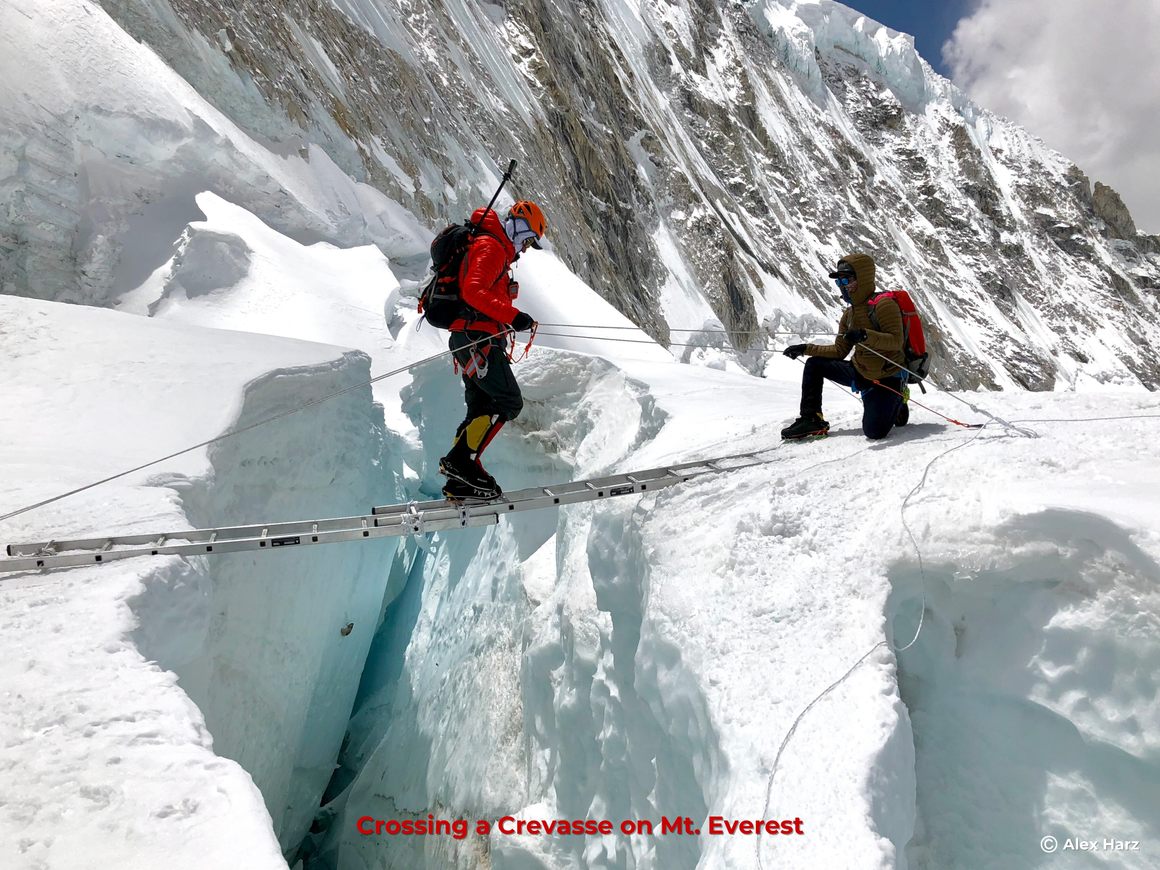
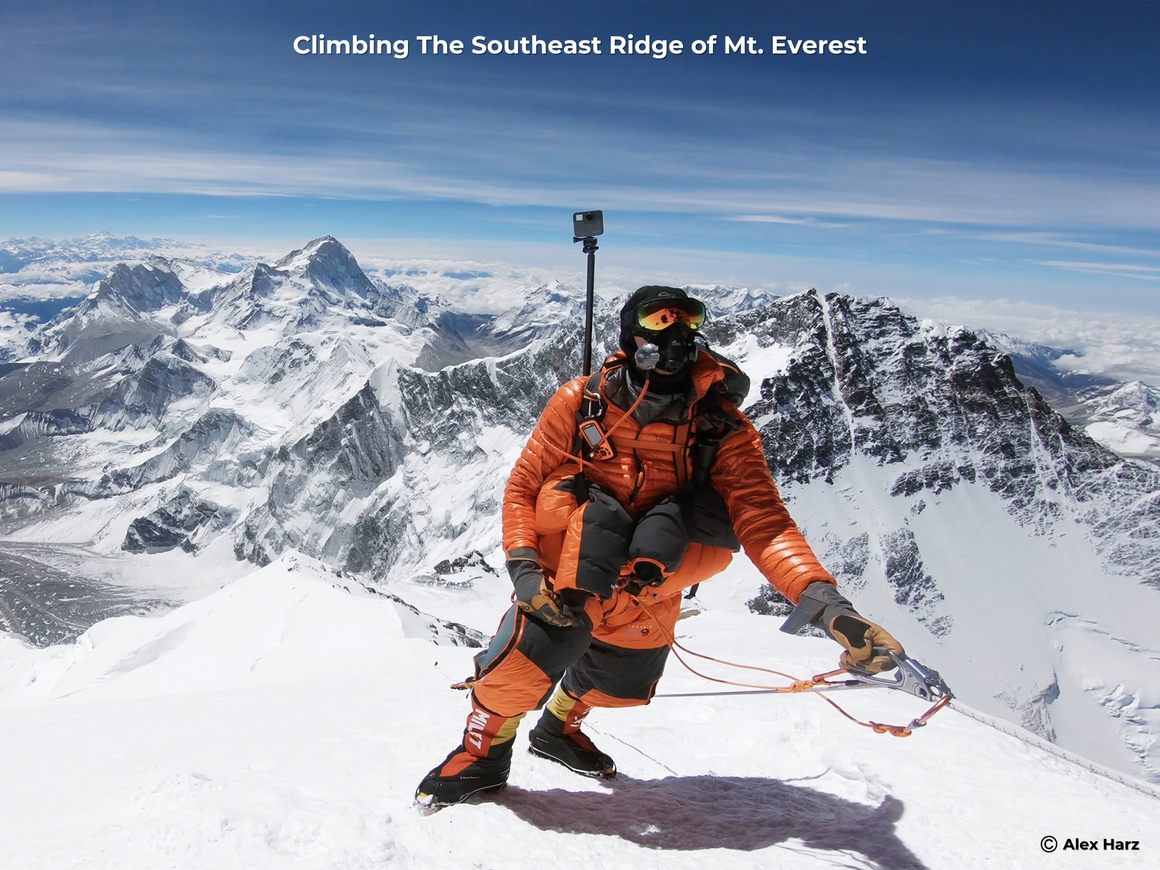
"What is it like to climb Mt. Everest?”, a deadly peak that has tragically taken over 300 highly-motivated lives?! The answers to this difficult question are not so simple, but suffice it to say it is an epic quest like no other, and one which encapsulates the incredible human spirit of adventure that lives inside us all!
For those interested in seeing the EBC Trek or what a 52 day expedition to climb Mt. Everest is all about, please feel free to check out 'THE QUEST: Everest' documentary or 'THE QUEST: Everest VR' real-life virtual reality documentary (www.TheQuestEverest.com).