

Colonial Williamsburg isn't a museum you admire from behind a rope. It's a whole town you step into. You walk its streets, eat in its taverns, and chat with its residents, who just happen to be living in the 1700s.
It's also big. The Historic Area covers 301 acres, and there's no way to do it all in one day, or even a weekend. So here's how Michael and I made the most of a single day: a route that covers the essentials, the food that's worth lining up for, and the ghost stories that come out after sunset.
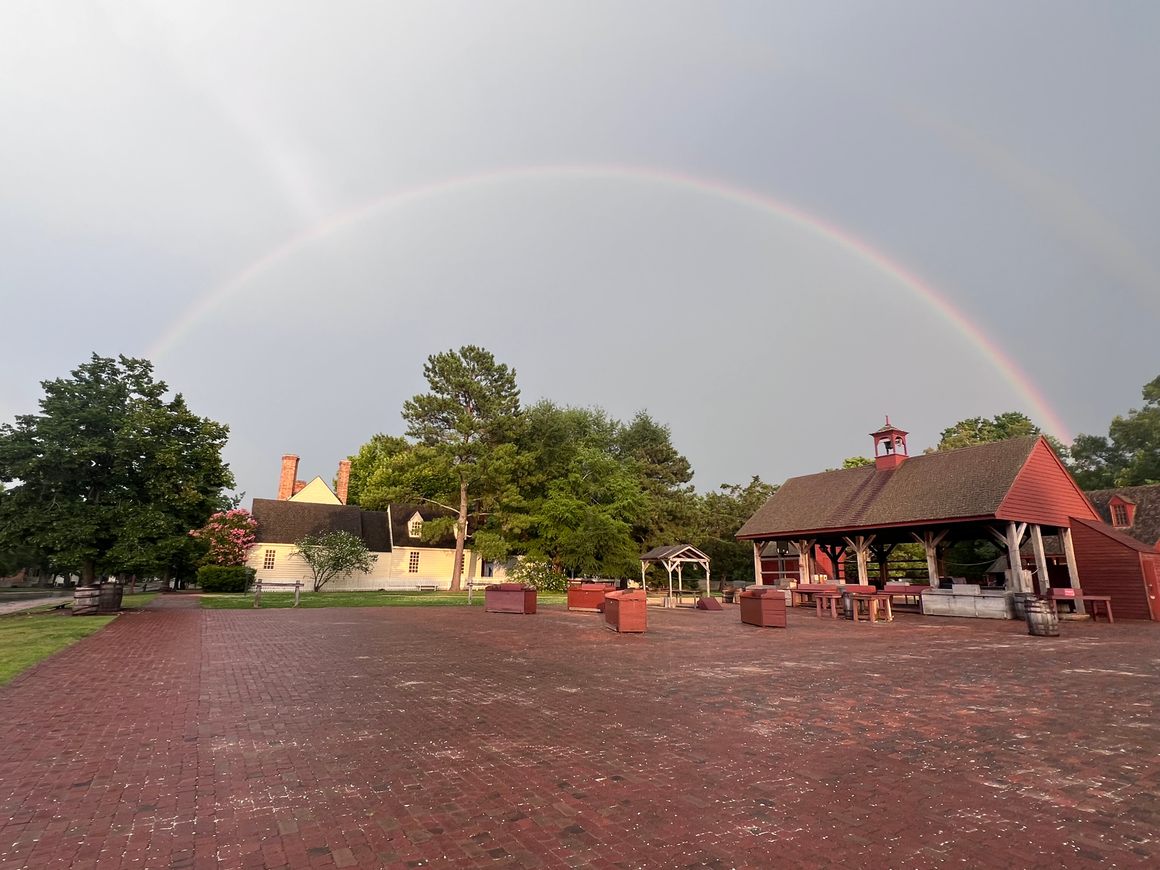
Getting Your Bearings
Colonial Williamsburg bills itself as the largest living history museum in the world. It isn't a single building or a few blocks. It's an entire colonial capital, restored and rebuilt. Its spine is Duke of Gloucester Street, which Franklin D. Roosevelt reportedly called the most historic avenue in America. Given what was argued and plotted along it, that's hard to dispute.
Williamsburg was Virginia's capital from 1699 to 1780, and some of the ideas that became the American Revolution were hashed out here. What you see today is a blend of original 18th-century buildings that survived and careful reconstructions based on archaeology and historical records. The streets follow the original plan, and the gardens are planted to match period evidence. It's about as close to time travel as you'll get.
The costumed interpreters aren't reciting a script. Many portray real people who lived in 18th-century Williamsburg, and they know their history deeply. When you stop one with a question, you're not interrupting a show. You're starting a conversation.
A few practical notes: Download the Colonial Williamsburg map before you arrive, because cell service can be spotty and wandering in circles wastes energy you'll want later. Park near Merchants Square or in one of the designated lots. And give yourself a full day. Half a day covers the basics, but you'll feel rushed. If you're truly committed to seeing everything, you could happily spend a week here and explore a different section each day.
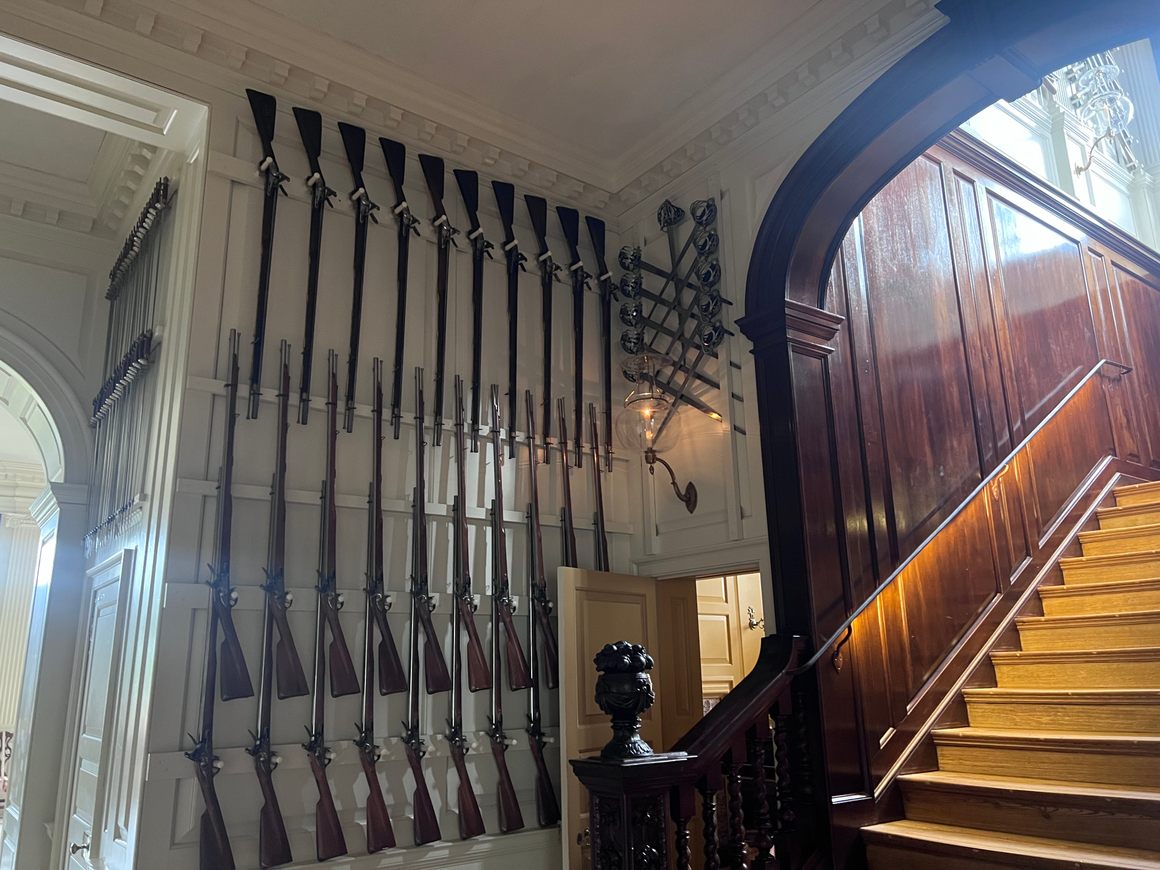
Start With a Walking Tour
My strongest piece of advice: begin with a guided walking tour. You can (and should) wander on your own later, but an expert guide gives you the context that makes everything else click. They point out details you'd walk right past and attach stories to buildings that would otherwise just be pretty facades.
Colonial Williamsburg runs its own tours throughout the day, but we went with Williamsburg Walking Tours and were lucky enough to get co-owner Trish Thomas as our guide. Trish has devoted her life to Virginia history. She's been a docent at the Chrysler Museum in Norfolk, led shipwreck-and-pirate tours on the Virginia Beach boardwalk, and has co-owned Williamsburg Walking Tours since 2011. She's a natural storyteller, and if you can book her, do.
Our tour started near Bruton Parish Church and Palace Green and lasted about 90 minutes. We wound along Duke of Gloucester Street and the surrounding lanes, past the Capitol, the Governor's Palace, Bruton Parish Church, and other key landmarks. By the end, we had a map of the town in our heads and a list of places we wanted to go back to. Before you say goodbye, ask your guide where to have lunch. There's a good chance they'll send you to the same place everyone recommends.
Lunch at The Cheese Shop
That place is The Cheese Shop in Merchants Square, and it's a Williamsburg institution. It isn't fancy, and that's the point. Come at lunchtime any day of the week and you'll find a line of locals and visitors waiting for sandwiches that have won praise from national publications for years.
The formula is simple: good meats and cheeses, freshly baked bread, made to order. Crusty outside, soft inside, nothing gimmicky. Add a bag of Route 11 chips, a beloved Virginia brand. The Chesapeake Crab flavor is a must. Grab a coffee too.
Seating is scarce, so most people take their sandwiches outside to a bench or carry them off somewhere scenic. Don't treat this as a detour from the history. Eating where the locals eat is part of how you get to know a place.
A Break in Merchants Square
Right next to the Historic Area, Merchants Square is a 20th-century shopping district designed to harmonize with its colonial neighbor. It looks old, but it was planned as a modern complement, with 40-plus shops, galleries, bookstores, and restaurants along brick walkways that feel right at home next to the 18th century.
It's the perfect pressure valve after a morning of immersion. You can pick up souvenirs, a book, a sweater, or a coffee, find clean restrooms, and catch your breath before diving back in. Spend an hour or two, or dart in for exactly what you need.
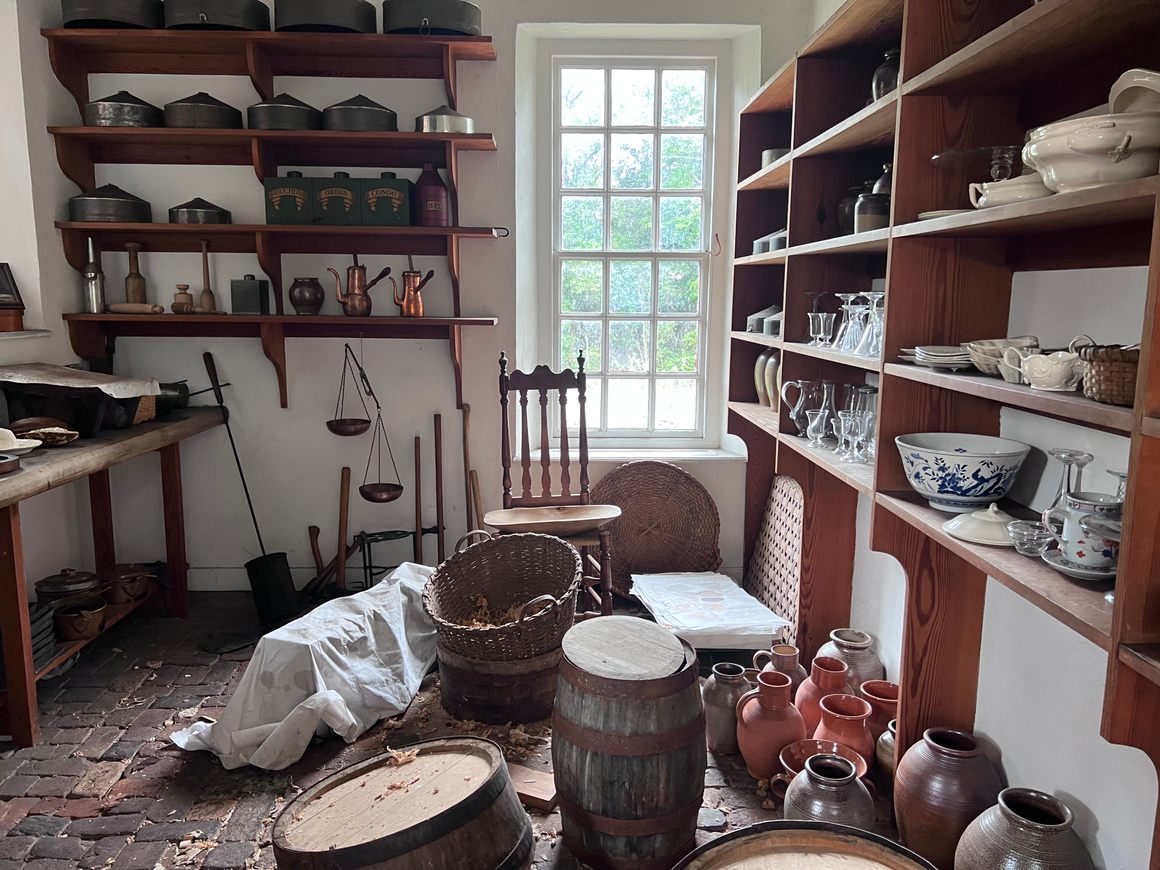
An Afternoon on Your Own
Set aside at least two to three hours to explore at your own pace. Walking the streets is free, but you'll need a ticket to go inside the historic buildings, so pick one up at a ticket location before you start. Then choose three or four places that genuinely interest you and spend real time in each. Quality beats quantity here. Some highlights:
• Duke of Gloucester Street. Walk it slowly. Read the markers, peek into the trade shops, and watch the interpreters go about their day.
• The Governor's Palace. A grand reconstruction that shows how the colony's royal governors and the elite lived.
• The Capitol. The reconstructed seat of colonial government, where laws were debated and resistance to the Crown took shape.
• Bruton Parish Church. An original 18th-century church that still holds services today, which never stops amazing me.
• Raleigh Tavern. A reconstructed tavern where colonial leaders gathered to talk politics and, at times, defiance.
• The Wythe House. An original home that shows domestic life in colonial Virginia.
• The gardens. Planted according to historical evidence, they're lovely and offer a quiet break between buildings.
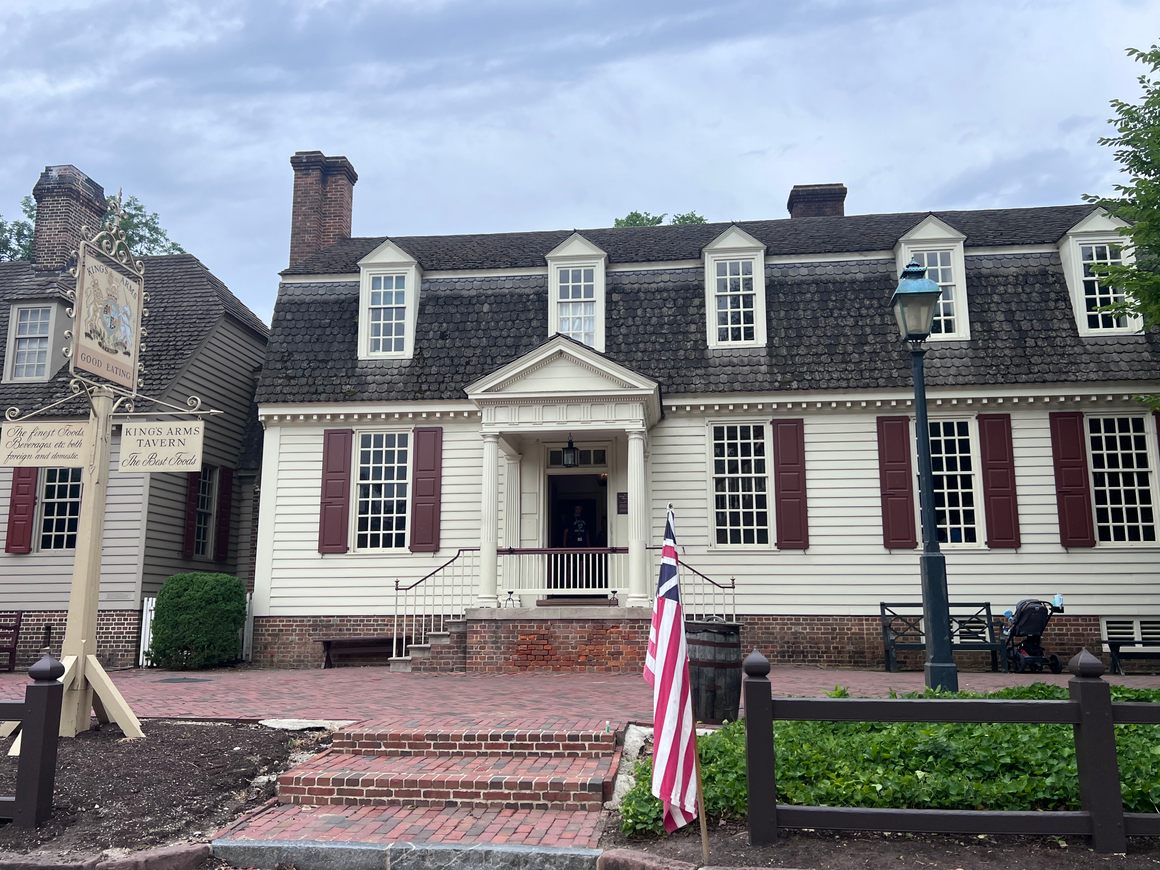
Dinner at King's Arms Tavern
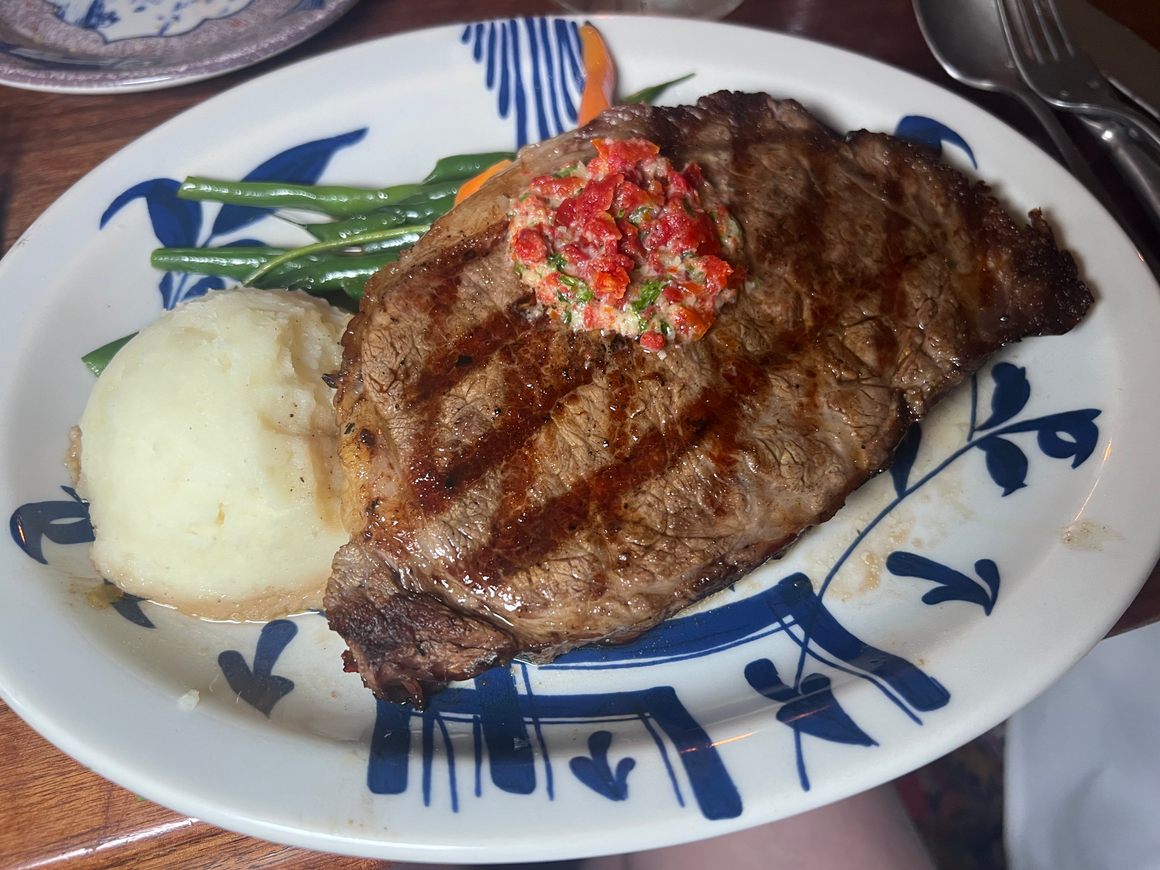
As the light fades, head to King's Arms Tavern for dinner. Our meal there was entertaining, educational, and full of surprises, and it's where the day's immersion peaks.
The dining rooms are candlelit and intimate. Servers in period dress explain how dining worked in the colonial era, musicians play 18th-century tunes, and the menu leans on hearty, historically inspired dishes. Each guest gets an oversized napkin to tie around the neck, colonial style, to protect their clothes. Go ahead and tie it on and play along. It's half the fun.
Whatever else you order, get the peanut soup. It's a Williamsburg signature: warm, savory, and creamy, with a richness that surprises everyone who orders it expecting a novelty. It turns out to be genuinely delicious.
Reserve well ahead, since tables fill quickly, especially with couples looking for a romantic night. Plan on an hour and a half to two hours. It's a special-occasion price point, but with costumed service, live music, and history included, we felt it was money well spent.
A Ghost Tour After Dark
Once darkness falls, Williamsburg changes character. We ended our day with Colonial Ghosts, part of the US Ghost Adventures network, on a roughly 75-minute walk to some of the town's most storied haunted locations.
Here's where my Modern Myth Hunter hat goes on. Ghost tours sit at a fascinating crossroads of history, folklore, and entertainment. The stories are usually anchored in real events, like war, epidemics, accidents, and violence, and then reshaped over generations of retelling. To me, whether the ghosts are "real" isn't the interesting question. The interesting question is what these stories reveal about how a community remembers its losses and makes sense of a painful past. People suffered and died in this town, and over the centuries some of those memories hardened into legend. The fact that we pass them down as ghost stories tells you something about us.
So go not just for the chills, though you may get a few, but for the chance to see how folklore keeps history alive. And to walk these streets by lantern light, when they feel like a completely different place.
Practical: Evening parking near Merchants Square can be tricky, so allow extra time and check the payment options on the signs. Wear comfortable shoes, and bring a light jacket, since spring and fall evenings can turn cool.
Why Williamsburg Matters
It's easy to treat a place like this as a series of photo ops. But Colonial Williamsburg is worth visiting for its why as much as its what. These streets saw the protests over the Stamp Act and the growth of revolutionary ideas, the slow shift as colonists began to see themselves as Americans rather than British subjects. Walking them, you feel how fragile and complicated that transformation was.
If you want to go deeper, book a private tour with a guide like Trish, and give yourself more than a day. Williamsburg rewards the curious.
I write more about Virginia's colonial history, including Jamestown and Yorktown, and about the folklore behind historic places at MaloriesAdventures.com.


