
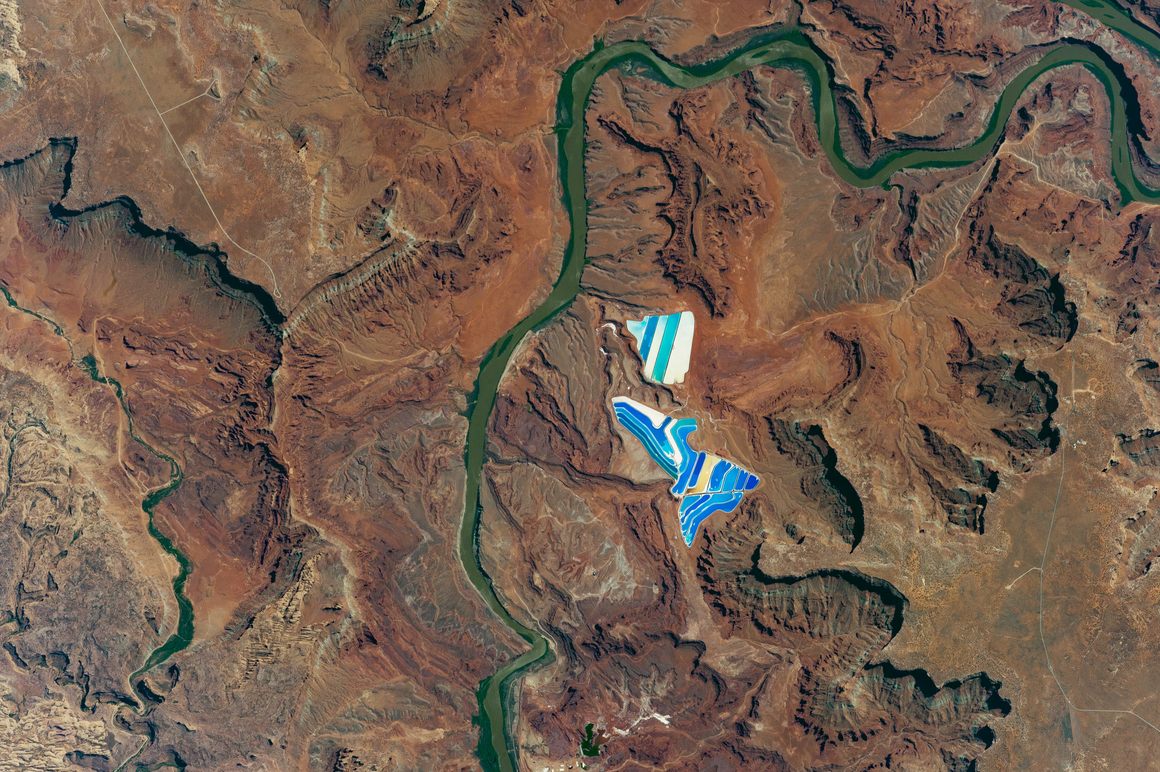
Some twenty years ago in the Utah desert just outside Moab, my four siblings and I were packed tight in the back of a van heading up to the main overlook in Dead Horse Point State Park—a lesser-known cousin to Utah’s Mighty Five national parks.
The park derives its name from the narrow mesa overlook, which is said to have been used as a natural corral for wild mustangs. The mesa has no water, however, leading to an untimely death for a flock of horses once abandoned there by careless cowboys; or so the story goes.
My family arrived at Dead Horse Point in the evening as the sun was about to set, making the red and orange hues of the desert landscape even more vibrant than usual. And as we stepped out of the van to get a better look, we noticed some bodies of water in the distance that appeared almost unnaturally blue.
Turns out, that’s because they were. The bodies of water were potash evaporation ponds, which are used to process potassium chloride mined from belowground. Miners add blue dye to the saltwater pumped up from below to speed up the sun-powered evaporation process.
We probably spent an hour or so at the point before we had to leave in a hurry as a thunder storm rolled in. (The mesa is one of the highest points in the area.) Speeding down the narrow road, with lightning ushering in a torrential downpour, remains one of my most vivid childhood memories.
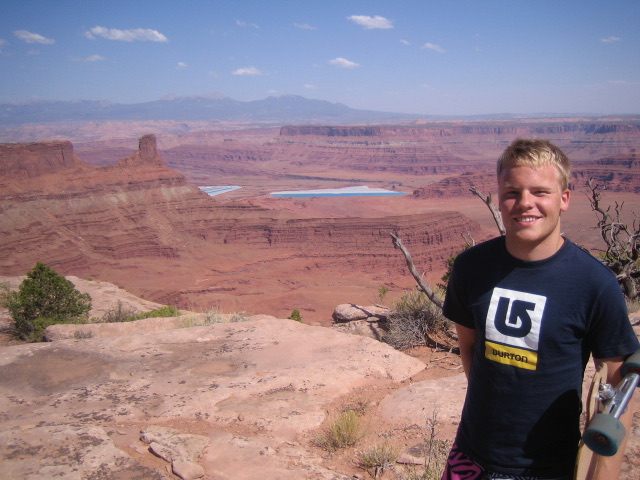
I’ve returned to Dead Horse Point two times since then: Once with my dad on a road trip from Los Angeles to Moorhead, Minnesota, where I went to college; and once to run my first ultramarathon: the Dead Horse Ultra, which passes through the park. But it’s hard to say exactly why these ponds loom so large in my imagination.
My family drove across the United States multiple times in my childhood, and it’s always the unexpected stops that stuck with me the most: the mammoth dig site in Hot Springs, South Dakota; the Mark Twain Boyhood Home and Museum in Hannibal, Missouri; and my overnight stay in what might be the absolute worst motel in the continental United States in Sidney, Nebraska. (Trust me: Don’t go looking for this one.)
My working theory is that the Utah desert feels like an otherworldy version of the dramatic fjords of western Norway where I grew up. And the unusual lighting conditions caused by the sunset and approaching thunderstorm heightened the unreality of it all in a way I’ve never experienced before or since. It also feels like a stand-in for these road trips as a whole, where our entire family spent four or five weeks together on the road experiencing a broader swath of the United States than most Americans do in a lifetime.
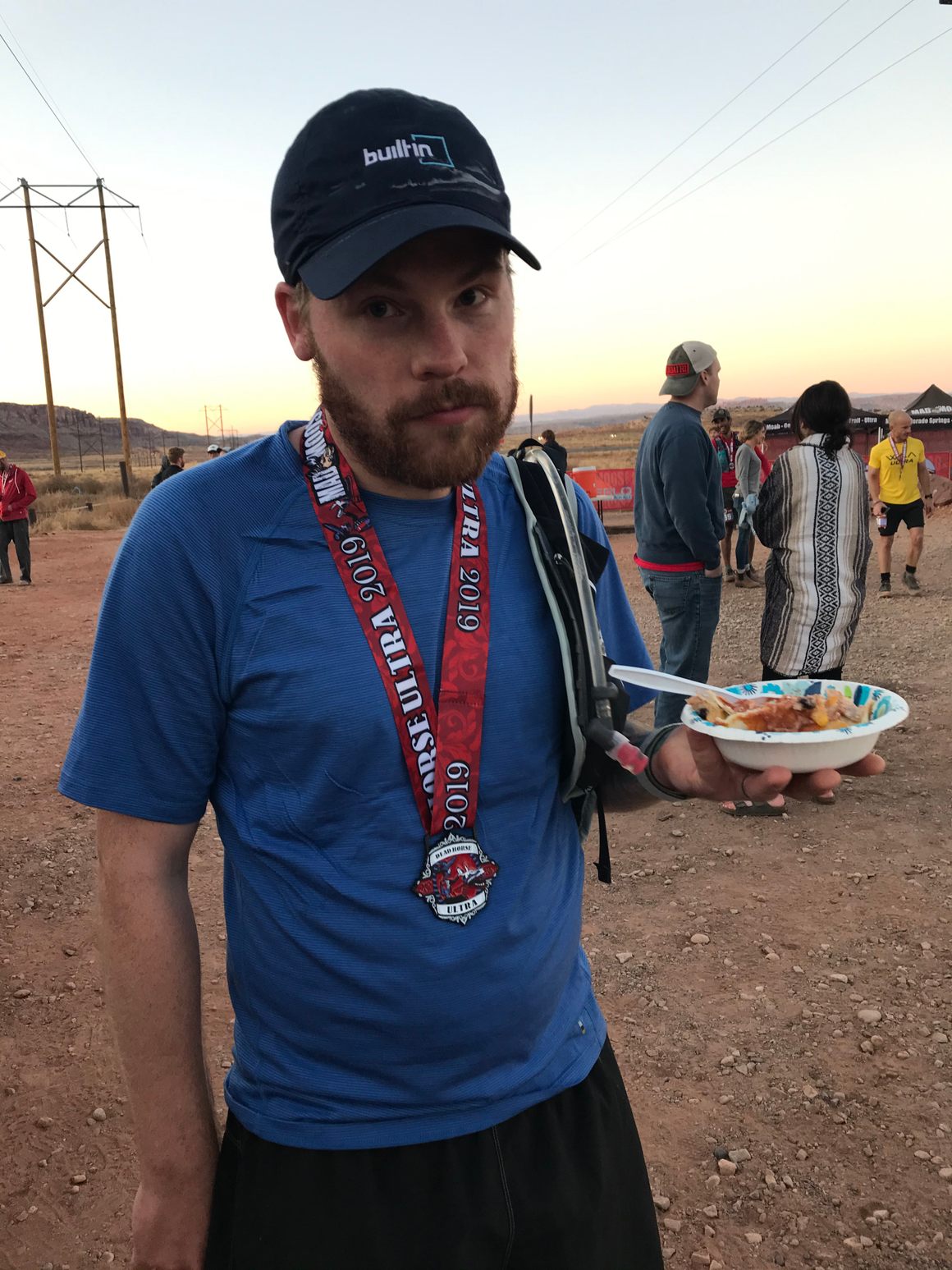
Some travelers don’t like to revisit places where they’ve already been, and I see why going back might feel like it takes something away from the original experience—especially when the conditions were as perfect as they were during my first trip to Dead Horse Point. But to me, each visit marks a different stage of life: The first road trip I remember experiencing with my youngest sister. My first time driving my own car through the country where I’d meet my partner and build a life. And a return to serious-ish running after an injury ended my six-month stint as a collegiate athlete.
Each visit was an opportunity to reminisce about my first trip, but each visit also brought new memories of its own. I don’t have a trip back planned anytime soon, but if I’m passing by, you best believe I’m stopping by the potash ponds.

