About
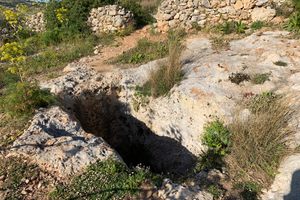
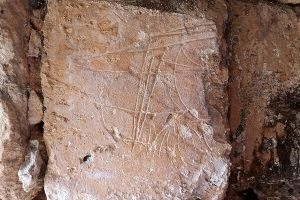
These homes, carved right into the soft limestone cliffs, are believed to be from the Punic period (800-218 BCE), when the Phoenicians and later the Carthaginians lived in Malta. They consist of several rooms and chambers carved into the rock that served as shelters for families. These cave houses were built to protect against the strong Mediterranean sun while also using the limestone's natural ability to keep the interiors cool in the summer and warm in the winter. The caves are clustered together, suggesting they were part of a small community, and some entrances have stone steps and doorways, showing they were likely used as permanent or semi-permanent homes.
Visitors can walk into these ancient caves and see their simple and practical layout. The insides are basic, usually with a few rooms of different sizes. Some caves have shallow recesses in the walls that might have been used for storage or as sleeping areas. Besides living space, it seems these caves were also used for farming. Close by, you can find rock-cut silos that stored grain or other food.
One of the most fascinating things about the cave dwellings is how they connect us to Malta's ancient Punic history. This period is often overlooked compared to Malta's later Roman and medieval history, but these caves provide a valuable link to a time when the island was an important part of the Carthaginian trading network. The Phoenicians, who first settled on the island, and their Carthaginian descendants were skilled sailors and traders. Malta's strategic location in the Mediterranean made it a key spot for their maritime empire.
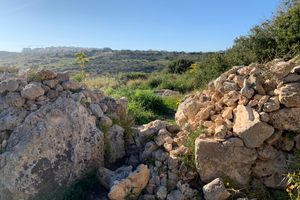
The caves are located on a hillside overlooking St. Paul’s Bay, suggesting that the people who lived there had easy access to both the sea and fertile land, making it a great place for farming and fishing.
Know Before You Go
The Punic Cave Dwellings are located along the Xemxija Heritage Trail in northern Malta, near St. Paul’s Bay. Xemxija is easily accessible by car or bus from major towns like Valletta or Sliema. Parking is available near the trailhead, and public buses stop close by.
The trail and the cave dwellings are free to visit, and visitors can explore the site at their own pace. There are informational signs along the trail to provide context.
Wear comfortable walking shoes, as the trail includes some uneven terrain. It’s also advisable to bring water, especially if visiting during the warmer months, as there are limited facilities along the trail.
Community Contributors

Added By
Published
June 19, 2026