About
This type of tomb, which dates back to the Punic period (800–218 BCE), reflects the burial practices of the Phoenicians and later the Carthaginians, who once controlled Malta. Unlike other types of burials, Punic shaft tombs were rock-cut and designed with a vertical shaft that led down to one or more burial chambers beneath the surface.
The shaft tomb would have been used for elite or important individuals, showcasing the influence of the Mediterranean’s maritime trading cultures. The vertical shaft was typically narrow, and once the deceased were lowered into the chamber below, the shaft was sealed. These tombs were often reused by families or communities, reflecting the importance of ancestor worship and the afterlife in Punic society.
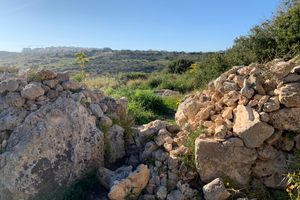
Visitors can view the entrance to the tomb, a carefully cut opening in the limestone, though the burial chamber itself is not open to the public. The tomb is one of several Punic-era discoveries on the island.
Archaeologists have uncovered various artifacts in similar Punic tombs, such as pottery, jewelry, and small amulets, suggesting that the deceased were often buried with items for use in the afterlife. While specific finds from the Xemxija tomb are not on display, artifacts from Punic burial sites can be seen in the National Museum of Archaeology in Valletta, giving further context to the burial practices and craftsmanship of the Phoenician and Punic peoples who once lived on the island.
The Punic Shaft Tomb is just one of many ancient features along the Xemxija Heritage Trail, which also includes Punic cave dwellings, Roman apiaries, Neolithic tombs, and cart ruts.
Know Before You Go
The Punic Shaft Tomb is situated along the Xemxija Heritage Trail in northern Malta, near the village of Xemxija and St. Paul’s Bay. The trailhead is accessible by car or public transportation, with parking available nearby. Buses from major towns like Valletta and Sliema also stop close to the trail.
The trail and the tomb are free to visit, and visitors can explore at their own pace. Informational signs provide historical context throughout the trail. Sturdy walking shoes are recommended due to uneven terrain, especially when approaching the tomb’s entrance. Be sure to bring water, sunscreen, and a hat if visiting in warmer weather.
Community Contributors

Added By
Published
June 19, 2026