About
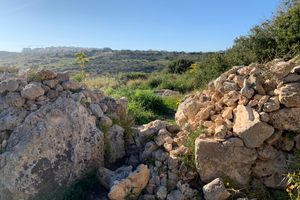
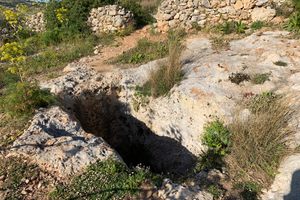
Located near the small coastal village of Xemxija on Malta's northern shores, the Raddet Ir-Roti Cart Ruts are one of the island's most intriguing prehistoric features. These parallel grooves carved into the limestone rock are part of a larger network of similar ruts found across Malta and Gozo, but the Xemxija site is one of the easiest to visit and best-preserved sites. The ruts stretch over the landscape, some going on for long distances before vanishing into the sea or stopping suddenly at cliff edges, which adds to the mystery of their origin.
The ruts are usually spaced about two to four feet apart, and their depth varies, with some reaching up to 2 feet deep. They look like tracks that could have been made by carts or sleds, leading many to believe they were used for transportation in Malta's prehistoric times. However, their exact purpose is still a topic of debate. Some people think they were created by wooden or stone-wheeled vehicles that transported goods or crops, while others believe they might have been part of an ancient irrigation system or even used for rituals.
Some of the ruts seem to lead down steep hillsides or into the sea, earning them the nickname "cart ruts to nowhere" among some visitors. This odd feature has sparked speculation that the ruts were part of a complex transportation network that might have once stretched across areas now submerged due to rising sea levels over the ages.
What makes the Raddet Ir-Roti Cart Ruts especially interesting is their closeness to several other important archaeological sites. They are part of a larger route called the Xemxija Heritage Trail, which takes visitors through a rich historical area filled with Neolithic tombs, Roman-era beehives, Punic tombs, and ancient cave homes.
Know Before You Go
The Raddet Ir-Roti Cart Ruts are located near the village of Xemxija on Malta’s northern coast. They can be accessed via the Xemxija Heritage Trail, which begins near St. Paul’s Bay. The Xemxija Heritage Trail is open year-round, and as it is a natural, outdoor site, it can be visited at any time. The trail and the cart ruts are free to visit, making this a budget-friendly option for those interested in exploring Malta’s ancient history.
The best time to visit is in the spring or autumn when the weather is mild, and the countryside is lush. Summers can be hot, so visiting early in the morning or later in the afternoon is advised. Comfortable walking shoes are essential, as the terrain can be uneven and rocky. It’s also a good idea to bring water, sunscreen, and a hat, especially during the hotter months.
Community Contributors

Added By
Published
June 19, 2026