Places Foods Stories Newsletters
Loading...
Loading...
Loading...

No search results found for
“”

Make sure words are spelled correctly.

Try searching for a travel destination.

Places near me Random place

Popular Destinations

  • Paris
  • London
  • New York
  • Berlin
  • Rome
  • Los Angeles
Places Foods Stories Newsletters
Sign In Join
Places near me Random place
All the Netherlands Woerden Elagabal Inscription
AO Edited

Woerden Elagabal Inscription

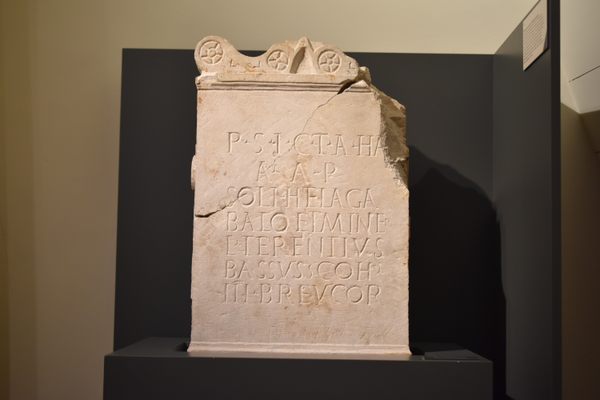
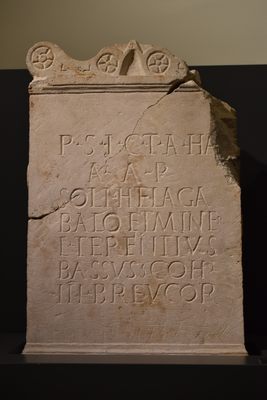
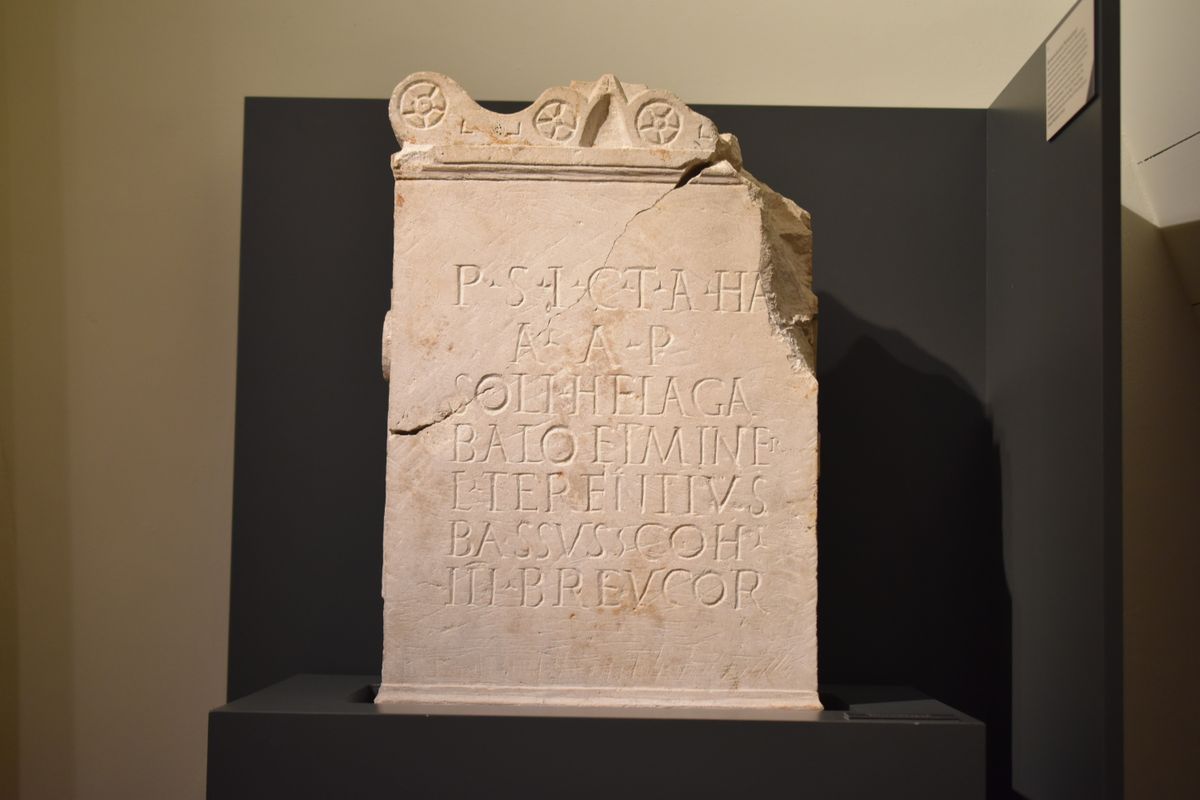
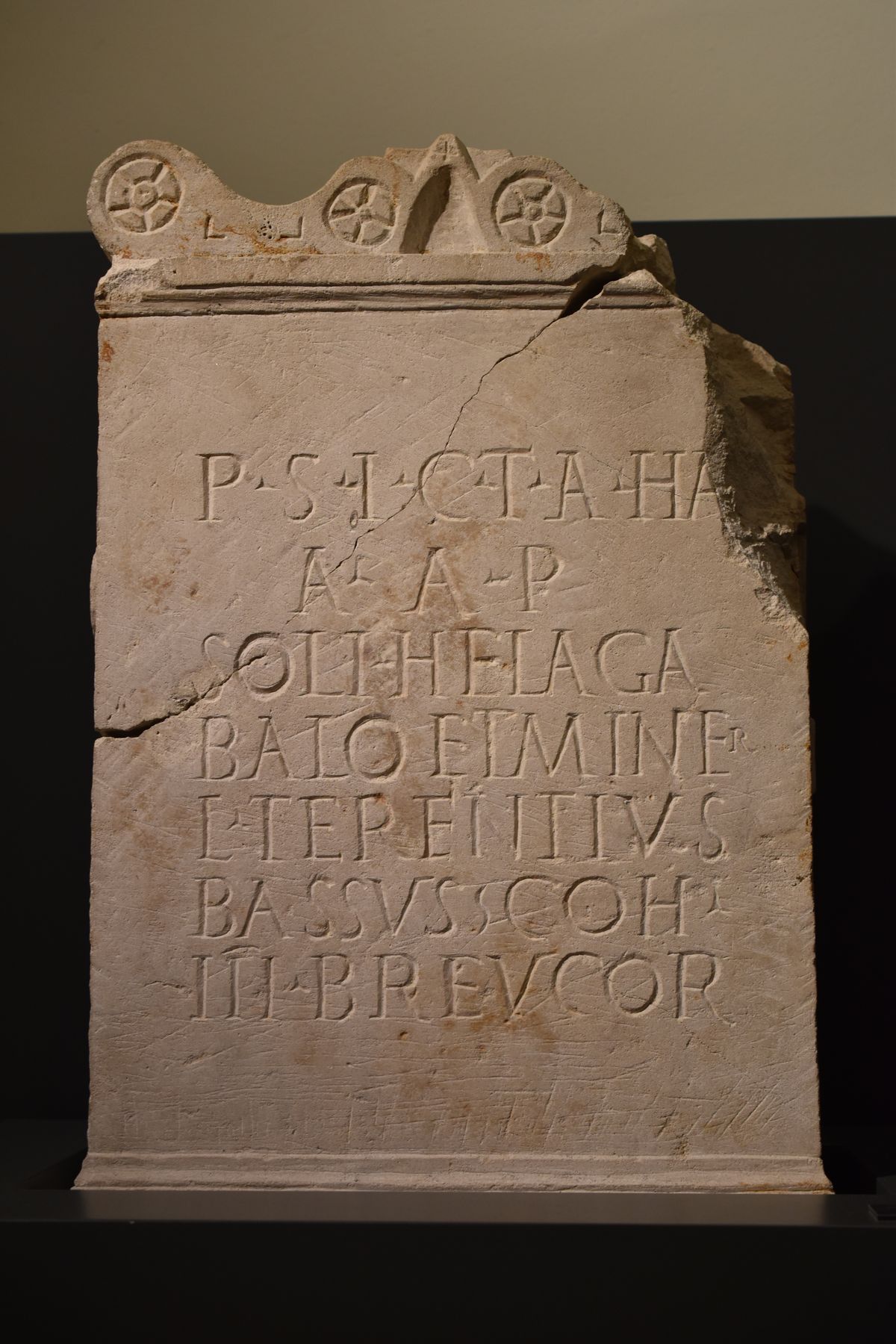
This ancient stele gives a testimony to the presence of the Syrian sun god Elagabalus on the Roman Empire's western frontier.

Woerden, Netherlands

Added By
Fred Cherrygarden
Email
Been Here
Want to go
Added to list
CAPTION
  Fred Cherrygarden / Atlas Obscura User
  Fred Cherrygarden / Atlas Obscura User
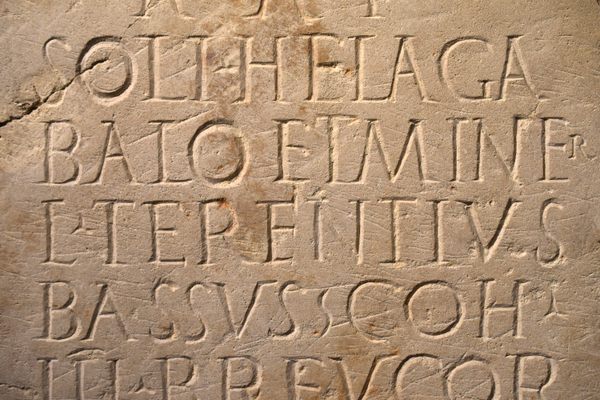
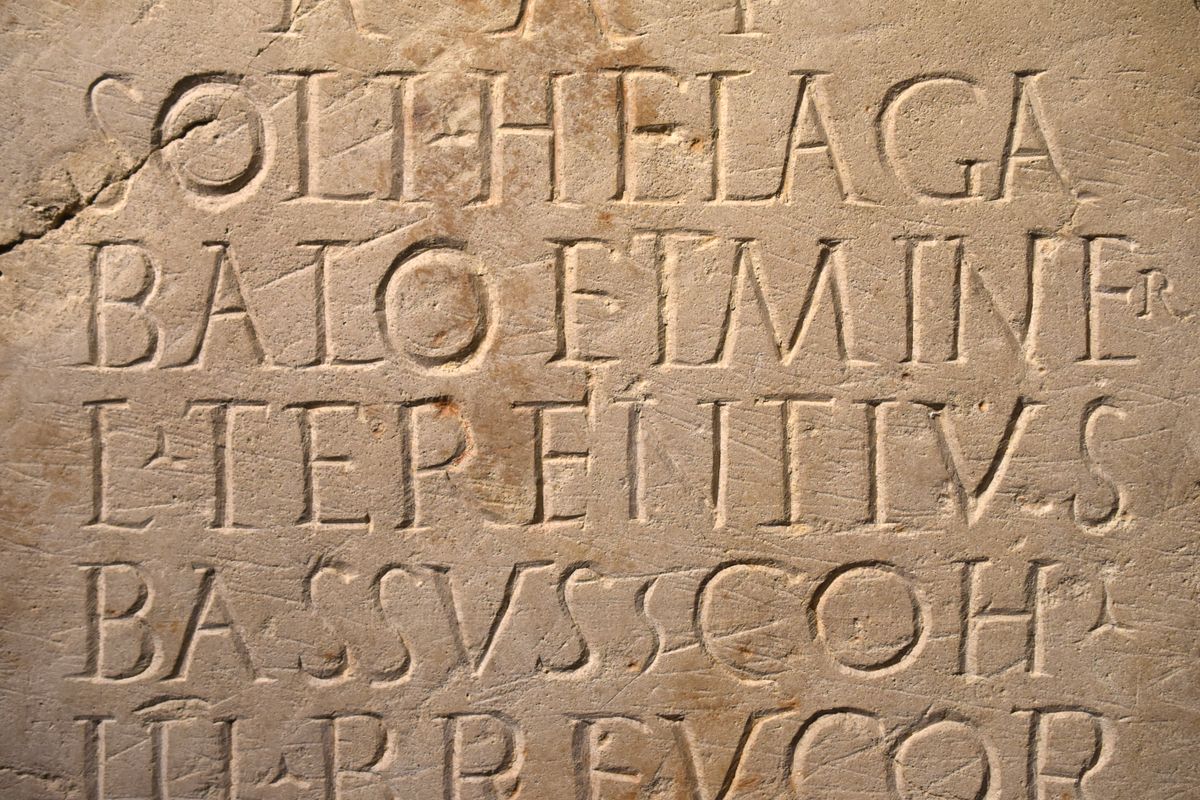
Detail.   Fred Cherrygarden / Atlas Obscura User
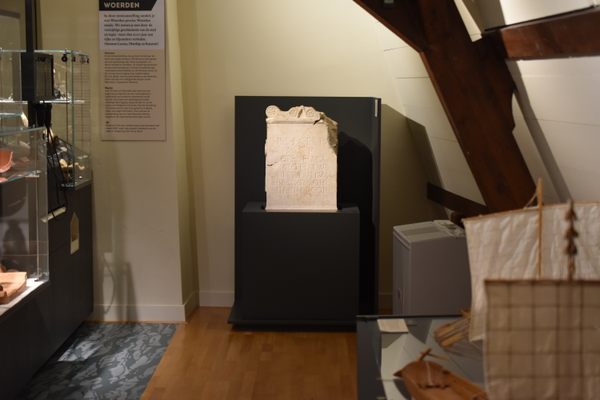
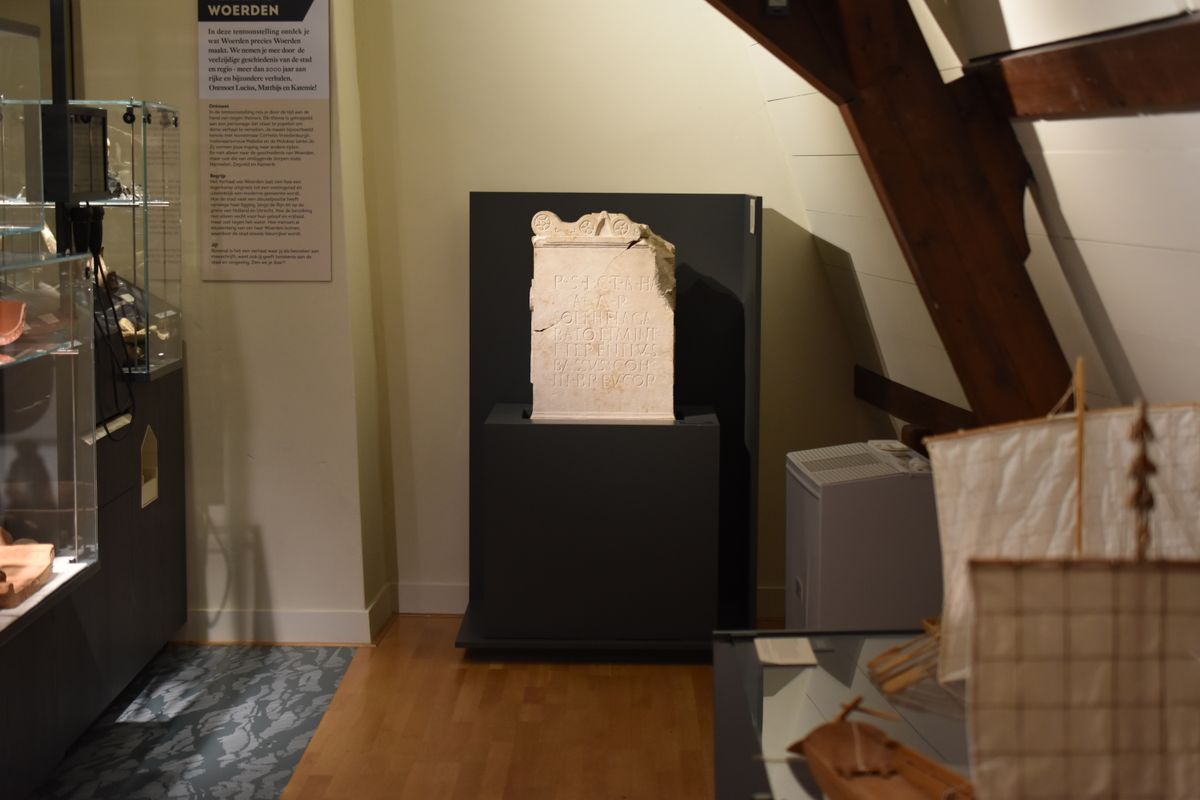
On the upper floor of the city museum.   Fred Cherrygarden / Atlas Obscura User
Been Here
Want to go
Added to list

About

Marcus Aurelius Antoninus, or Elagabalus, is one of the most infamous Roman emperors in history. Reigning from 218 to 222, he has been variously described as a teenage tyrant, a mad libertine, and even a genderqueer icon. Born in Syria, his posthumous nickname Elagabalus (alternatively Heliogabalus) refers to the Arab-Roman sun god Elagabal, of whom he served as a head priest.

Though Elagabal was a popular deity in Roman Syria, the rest of the Empire did not care for him as much, despite Elagabalus's efforts to bring him into vogue (he even replaced Jupiter with this god, much to the people's chagrin). Interestingly, however, the deity was worshipped as far away as the modern-day Netherlands, even before the times of Elagabalus.

Dating to the mid- to late-2nd century, the stele found in Laurum (Woerden) proves that the cult of the Syrian sun god was already known there on the western frontier of the Roman Empire. Now in the collection of and on display at the Woerden City Museum, the inscription is as follows: P-S-I-C-T-A-HA / A-A-P / SOLI HELAGA- / BALO ET MINER / L-TERENTIVS / BASSVS S COH / III-BREVCOR

Which translates to: "For the good health of the emperor-caesar Titus Aelius Hadrianus Antoninus Augustus Pius, to the sun Elagabal and Minerva has Lucius Terentius Bassus, standard bearer of the third unit of Breuci, [erected this altar]."

Places

Discover your next amazing Atlas Place.

Get more unusual and extraordinary places each week with the Atlas Obscura Places newsletter.

Your newsletter subscriptions with us are subject to Atlas Obscura's Privacy Policy and Terms of Use.

Related Tags

History Archaeology Empire Roman

Community Contributors

Added By

Fred Cherrygarden

Published

June 25, 2024

Edit this listing

Make an Edit
Add Photos
Sources
  • https://www.livius.org/sources/content/the-woerden-elagabal-inscription/
Woerden Elagabal Inscription
6 Kerkplein
Woerden, 3441 BG
Netherlands
52.086129, 4.884533
Get Directions

Nearby Places

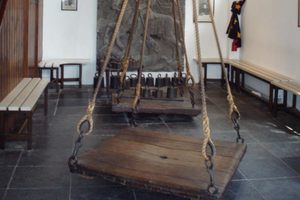
Witches' Weigh House

Oudewater, Netherlands

miles away

Castellum Hoge Woerd

Utrecht, Netherlands

miles away

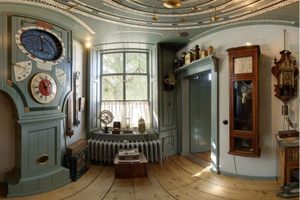
Planetarium Zuylenburg

Oud-Zuilen, Netherlands

miles away

Explore the Destination Guide

Photo of Netherlands

Netherlands

Europe

Places 380
Stories 21

Nearby Places

Witches' Weigh House

Oudewater, Netherlands

miles away

Castellum Hoge Woerd

Utrecht, Netherlands

miles away

Planetarium Zuylenburg

Oud-Zuilen, Netherlands

miles away

Explore the Destination Guide

Photo of Netherlands

Netherlands

Europe

Places 380
Stories 21

Related Places

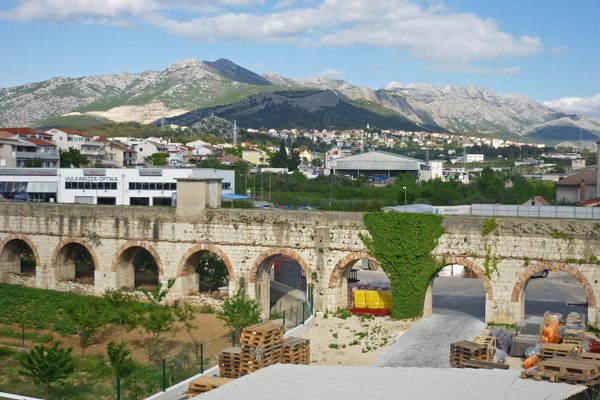
  • Diokletian Aqueduct

    Split, Croatia

    Dioklecijanov Akvadukt (Diocletian Aqueduct)

    This ancient Roman aqueduct once funneled water to Diocletian's palace.

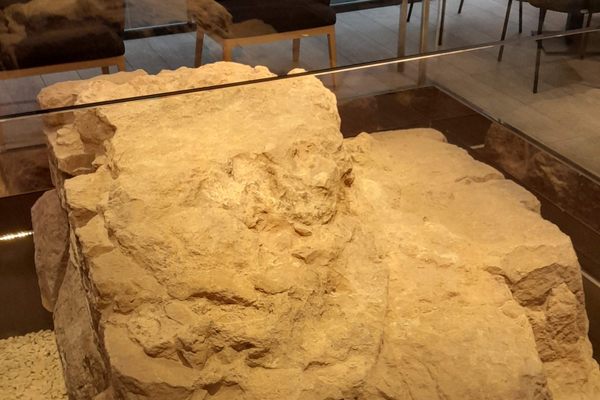
  • Foundation of the Aqueduct

    Barcelona, Spain

    Foundations of the Roman Aqueduct of Barcino

    These 2000 year old remains of a Roman aqueduct are hidden inside a hotel lobby.

  • Aerial view of Castellum Fectio

    Bunnik, Netherlands

    Castellum Fectio

    For years, the remains of this ancient Roman fortress were hidden under an orchard.

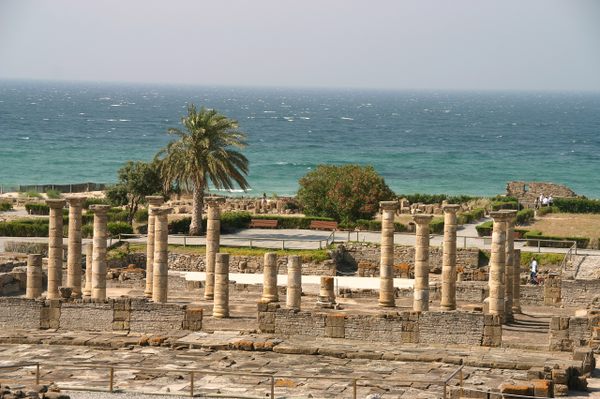
  • Temple at Baelo Claudio

    Cádiz, Spain

    Baelo Claudia

    The ruins of a 2,000-year-old Roman fishing village perched on one of the best beaches in Spain.

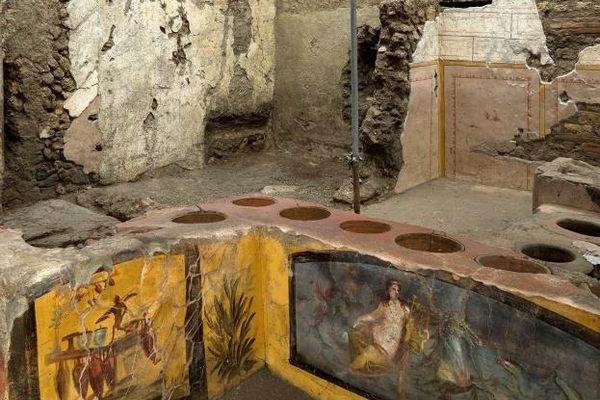
  • The remnants of the ancient eatery.

    Pompeii, Italy

    Pompeii Thermopolium

    Before it was buried by volcanic ash, this fast-food restaurant fed the hungry hordes of ancient Rome.

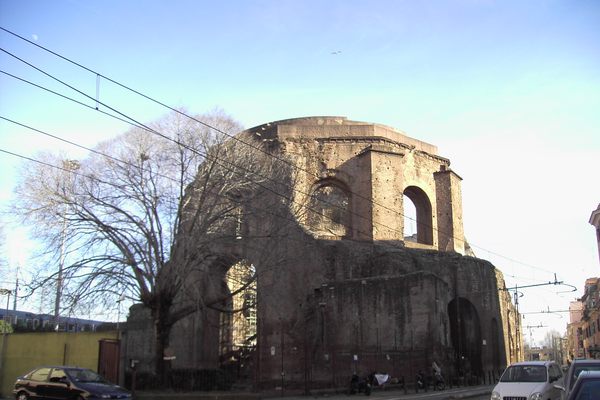
  • Temple of Minerva Medica

    Rome, Italy

    Temple of Minerva Medica

    Believed to be the remains of the lost Temple of Minerva, this nymphaeum has been known by its misnomer to this day.

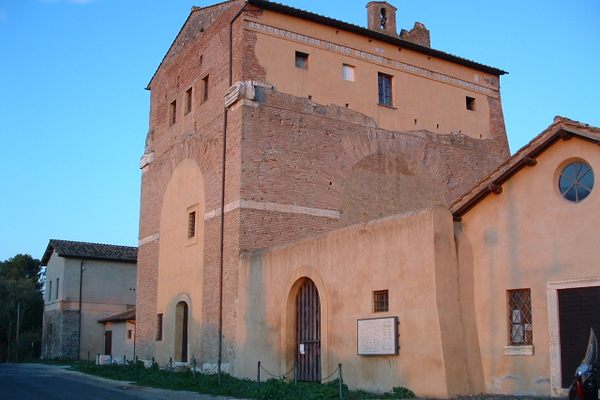
  • The Hamlet of Malborghetto

    Rome, Italy

    Arco di Malborghetto

    The meaning behind this triumphal Roman arch was a mystery until the early 20th century.

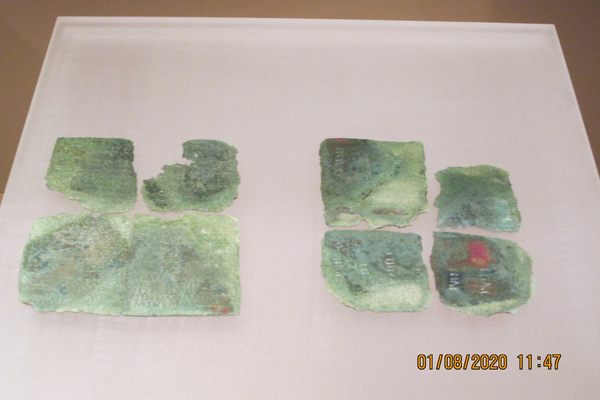
  • The Lanchester Diploma.

    Durham, England

    The Lanchester Diploma

    The 2,000-year-old pieces of metal are an ancient soldier's military discharge papers.

Aerial image of Vietnam, displaying the picturesque rice terraces, characterized by their layered, verdant fields.
Atlas Obscura Membership

Become an Atlas Obscura Member


Join our community of curious explorers.

Become a Member

Get Our Email Newsletter

Follow Us

Facebook YouTube TikTok Instagram Pinterest RSS Feed

Get the app

Download the App
Download on the Apple App Store Get it on Google Play
  • All Places
  • Latest Places
  • Most Popular
  • Places to Eat
  • Random
  • Nearby
  • Add a Place
  • Stories
  • Food & Drink
  • Itineraries
  • Lists
  • Video
  • Podcast
  • Newsletters
  • All Trips
  • FAQ
  • Membership
  • Feedback & Ideas
  • Community Guidelines
  • Product Blog
  • Unique Gifts
  • Work With Us
  • About
  • FAQ
  • Advertise With Us
  • Advertising Guidelines
  • Privacy Policy
  • Cookie Policy
  • Terms of Use
Atlas Obscura

© 2026 Atlas Obscura. All Rights Reserved.