
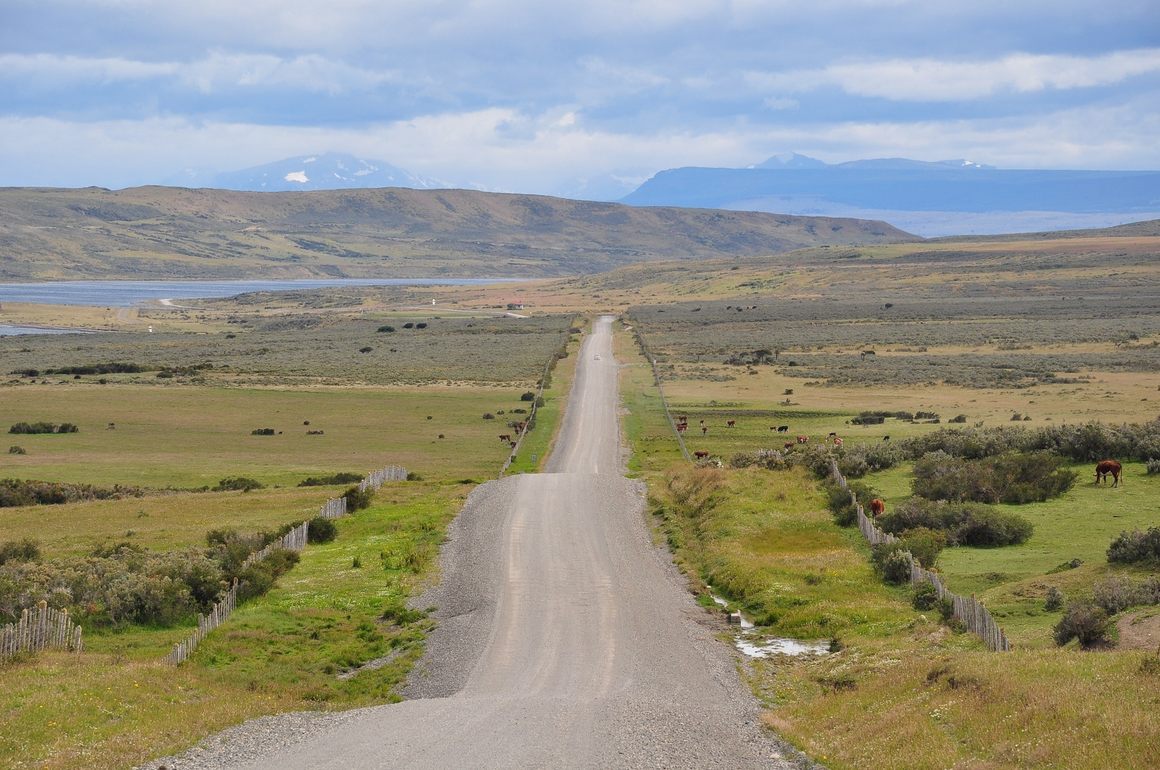
I fell in love with travel long before I ever left home.
We're from a a small steel mill town in northern Indiana, and family vacations weren't really a big part of our life. It's not like my parents didn't love to travel, they did —but myself and my siblings were rarely included on the itinerary. So, my first exposure came the only way it could back then -- secondhand, through stories.
My Dad found travel not by choice, but through circumstance. He was stationed in Germany at the end of World War II, and from time to time he would share ahis post-war adventures—wandering through places that sounded impossibly distant and exotic (when you grow up in northern Indiana, everything feels exotic). Later, when he and my mother traveled together, those stories continued, filling in a world I hadn’t yet seen.
I was always a voracious reader, and I was probably twelve or thirteen when I read The Drifters by James A. Michener—a novel about a group of young people searching for meaning through travel (and finding plenty of sex and hashish along the way) as they moved through Europe and Morocco in the late 1960s. That book changed everything, and not surprisingly, I was hooked.
From there, I went down a rabbit hole—Somerset Maugham, William S. Burroughs, Jack Kerouac, Tom Wolfe—and so many others. But the writer who stayed with me was Bruce Chatwin, the former Sotheby’s specialist (more about that in future articles) and for my money the best travel writer of all time. In 1977 he published In Patagonia the greatest book about travel which explores our/humans fundamental need to wander.
I decided I wanted to be one of those travelers, I saved what felt like a fortune at the time—about $1,000—bought a round-trip ticket overseas, graduated high school a semester early, blew off my senior prom, and set out toward the open road I’d been reading about. I was eighteen. Anything felt possible.
Fast forward.
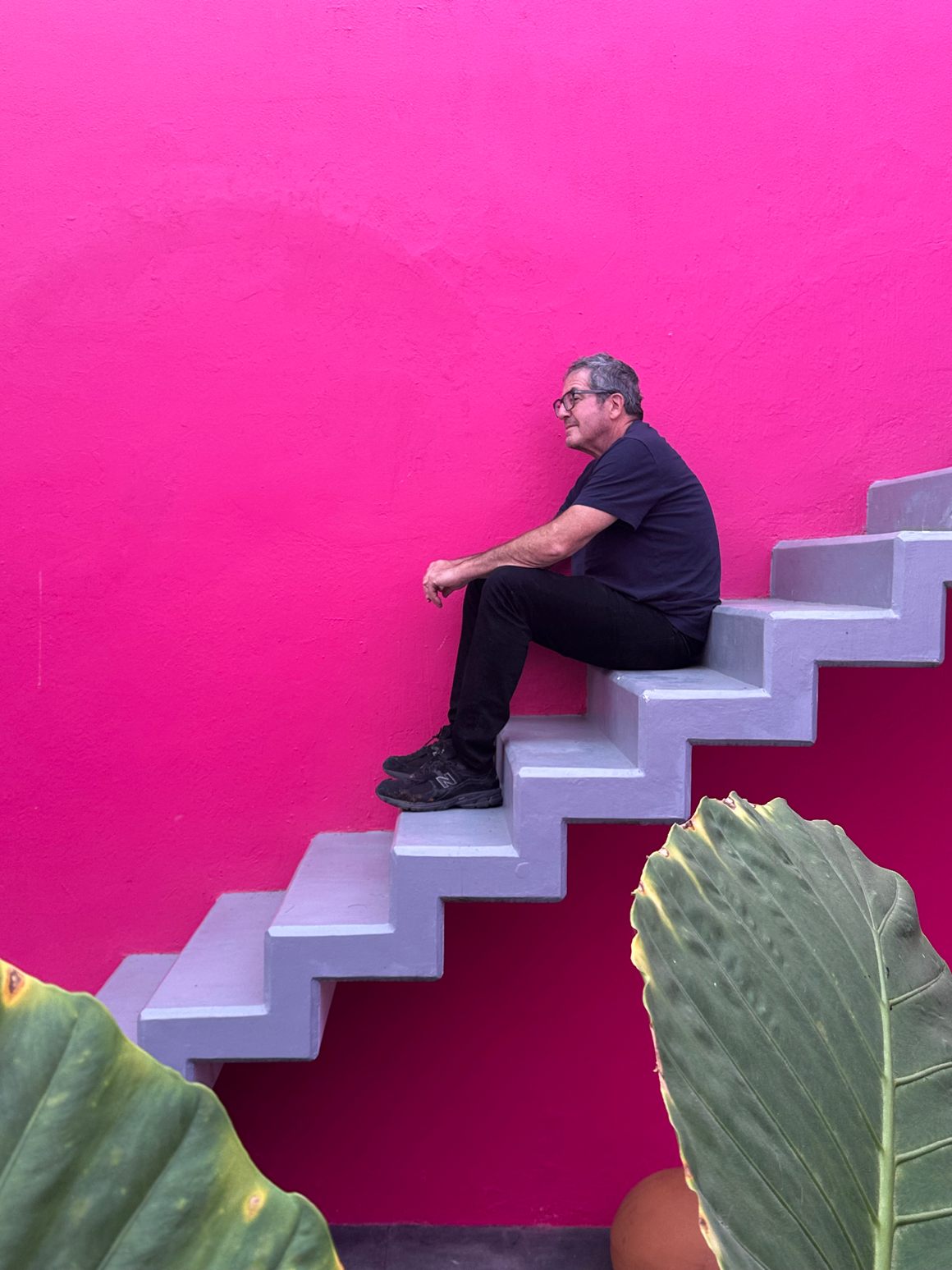
I've just turned sixty-five. My life has been full—I left Indiana a long time ago, had a successful career in media, entertainment, and the arts, traveled around the world for work which gave me the opportunity to meet and experience some incredible people and places. Along the way I fell in love with a wonderful woman(thirty-eight years) and had two kids. I’ve recently stepped away from the day-to-day grind of work, but I still feel the pull of something I recognized early on -- the need to explore, to wander, to discover. Lately, I’ve been thinking about what it means to reclaim that instinctive feeling, now—forty-seven years after I first took off. That's how I stumbled into a strategy that's become my philosophy. It started as something practical, almost accidental. I call it “a One-Way Ticket.”
At first, it was about money—it was simply cheaper. But over time, it became something else entirely. It's become a lens through which I see life, both present and future. It's more than a booking strategy—but an ethos. It leaves room for discovery. For flexibility. For the possibility of serendipity around every corner. It allows me to extend a stay, pivot to a new destination, or walk away from a place that isn’t quite right without feeling locked into a plan or annoyed that I took valuable time on an experience that kind of sucked. And it’s remarkably simple – it’s all because I decided to buy one-way tickets…
For most of us, that kind of freedom hasn't been available for years. Life requires round trips. I had to get back—to work, to family, to responsibility. Like everyone else, I lived within the constraints of time.
But what happens when those constraints loosen? What happens when you’re given the rare luxury of not needing certainty? Can you return, in some way to that earlier version of yourself—the one who understood the value of wandering? Especially at a period in your life when you carry a lot more baggage with you no matter how light you pack, and at a time when you require greater certainty than ever, especially around things like health, money, relationships, family -- things that I really didn't spend much energy even thinking about when I was young.
It's different now, I’m at the early part of being old, and I’m trying to figure out what it means to keep moving. That's what I'm hoping to explore in a series of articles for Atlas Obscura -- it's not just a travel series, but a bit of a meditation on exploration via the lens of a “One-Way Ticket.”.
As an avid fan of Atlas Obscura (full transparency, I'm also on their board of advisors), I suggested this series of articles not only because it’s interesting to me, but because there's not a lot written about people my age, and their perspective about "self" being informed by a lifetime of trips. Hopefully it will resonate with fans of Atlas Obscura. Some future articles that I’ve been “noodling” include:
Traveling Alone -- one-way tickets aren't for everyone, regardless how happily married I am...
Packing -- even when you’re not entirely sure of the destination
Freedom vs Anxiety -- we've developed a lot of "muscle memory" over 40 years of knowing the end date
Health -- I'm not 18 anymore...
Feel free to comment, share and recommend ideas -- I'd love the feedback. I'm hoping to publish these articles every other week (or until I run out of ideas).
As many fellow readers recognize, this period of life is different from other periods -- less defined than the "roadmap" of how we were supposed to spend our earlier years -- college, job, marriage, family, retirement, responsibility. And I recognize that I’m fortunate to be in this position as a result of a successful career, but optionality can be both a blessing and a curse. “One Way Ticket is not about rediscovering an earlier version of myself, but rather a different, less defined roadmap via the thing that captured my imagination a long time ago -- dreaming of where I might wander next. As Chatwin says, “I have always suspected that to understand the world, one must keep moving.”
