

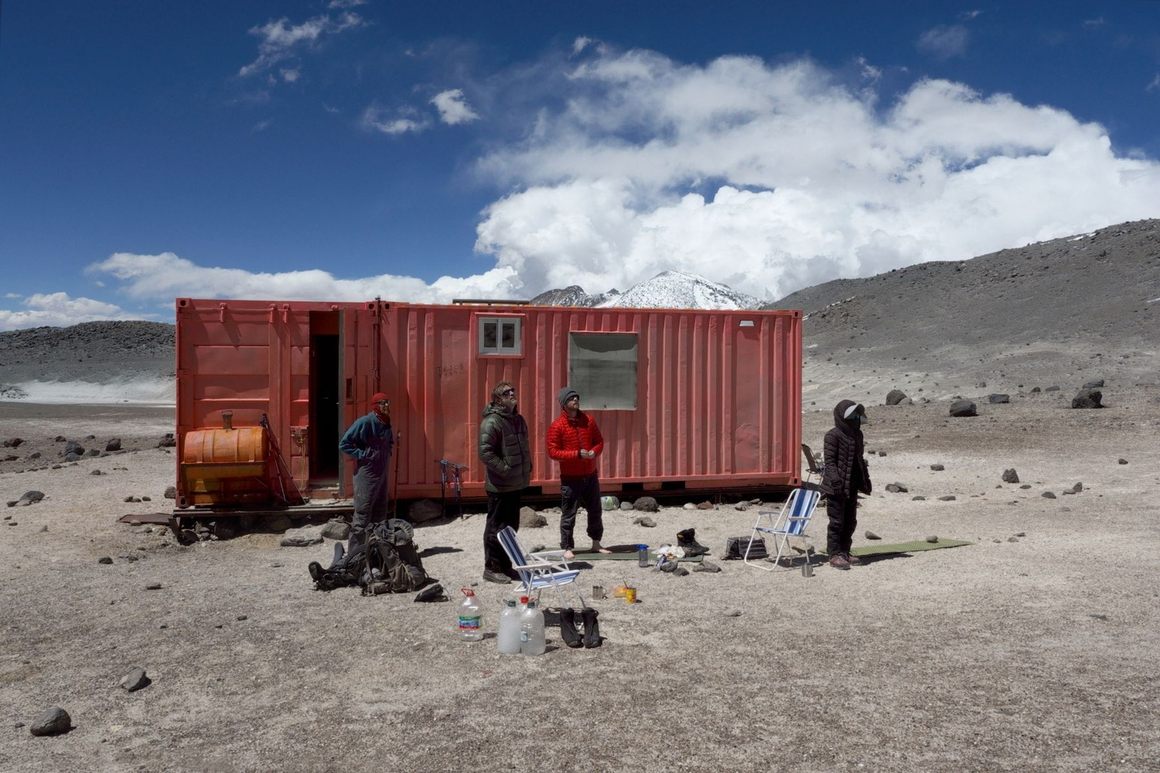
Somewhere above 5,800 meters, on the upper flank of the highest volcano on Earth, sits a rust-red shipping container that may be the highest mountain shelter in the world: Refugio Tejos — known simply as "Refuge n°3" to the climbers and researchers who pass through it. It's a strange, almost absurd sight against the grey volcanic plain: a repurposed steel container, hauled up to nearly six thousand meters and converted into bunks, its name stenciled on the side, the only human structure for kilometers in any direction. There is no view from here that looks like home. The air holds just over half the oxygen of sea level. And yet, for anyone attempting Ojos del Salado's 6,893-meter summit, this cramped shelter is the last human refuge they will see before the final push.
I spent several nights working my way up to Tejos as part of M.A.A.R.S. — the Mars Atacama Research & Simulation expedition — a team of researchers and astronaut candidates using this stretch of the Atacama as a stand-in for the Martian surface.
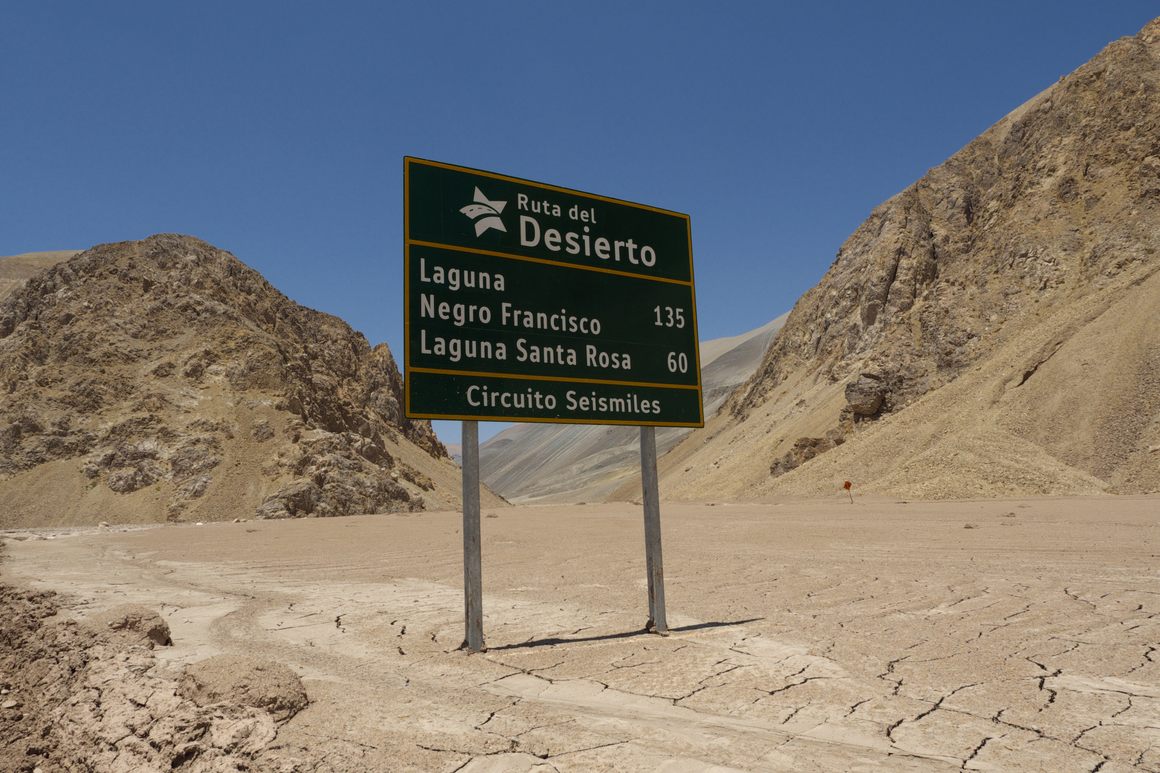
The route up is its own kind of ordeal: from Laguna Santa Rosa's flamingo-lined salt flats at 4,000 meters,
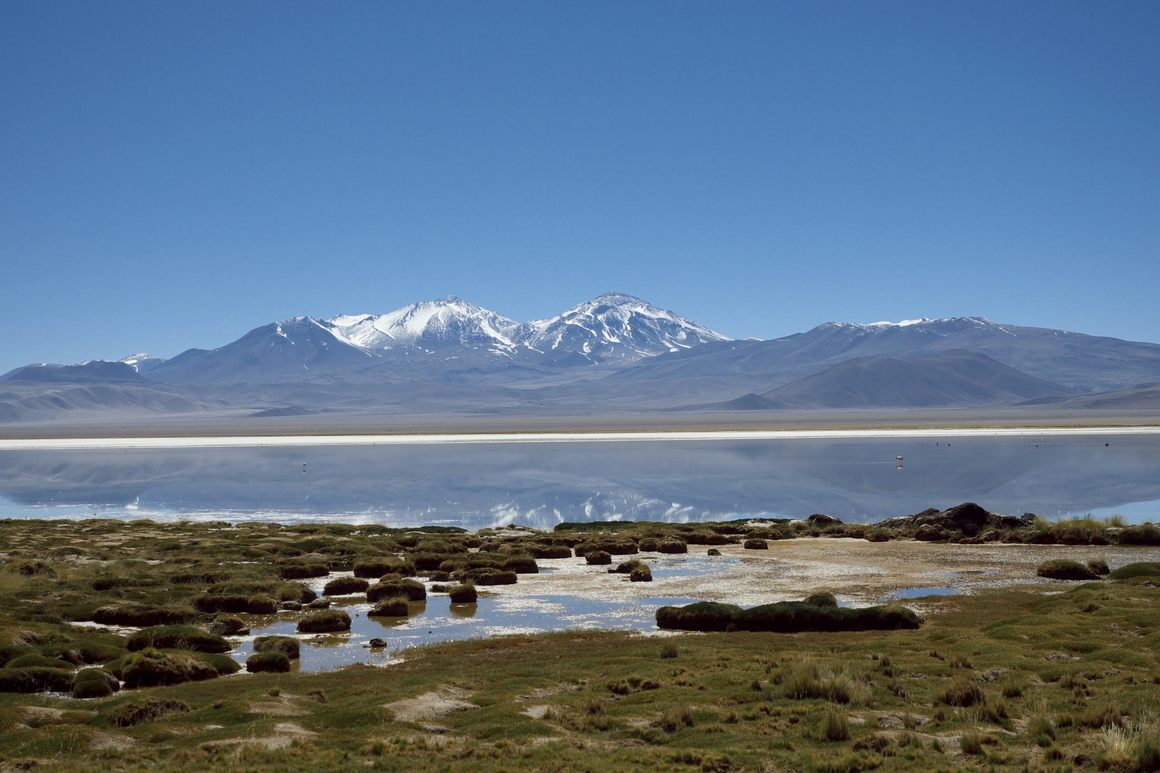
through the international climbers' camp at Laguna Verde, up to the isolated Refuge n°2 at 5,255 meters —
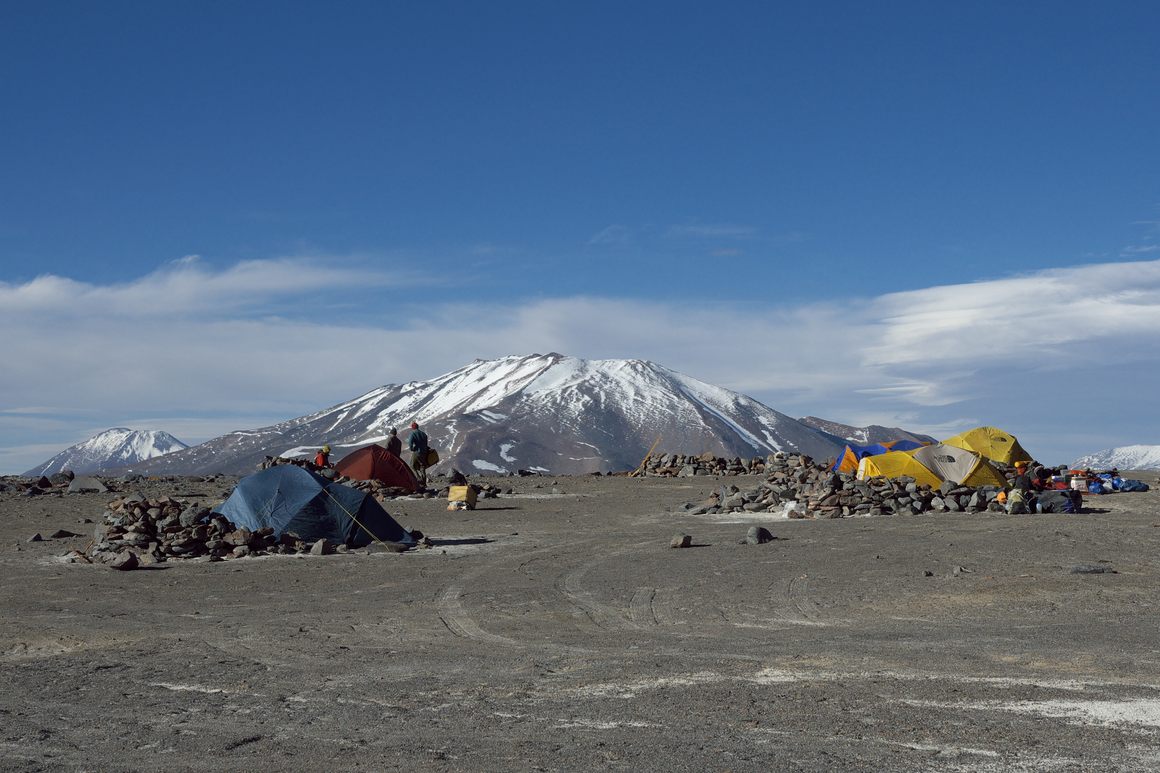
nine of us sealed off from the outside world, meals taken huddled inside the only solid structure for miles — and finally the five-to-six-hour carry to Tejos itself, hauling roughly 25 kilograms of gear across volcanic scree and sand.
I never reached the summit. A few hours after arriving at Tejos, a blood vessel burst in my right eye — a vascular retinopathy brought on by fatigue and too fast a climb to 5,837 meters. It sounds worse than the moment felt: my mind stayed clear, my mood stayed decent, and I'd already climbed as high as a trained astronaut candidate on our team, which was its own kind of summit. But it was enough to end my ascent there, resting at Tejos while the rest of the team pushed on.
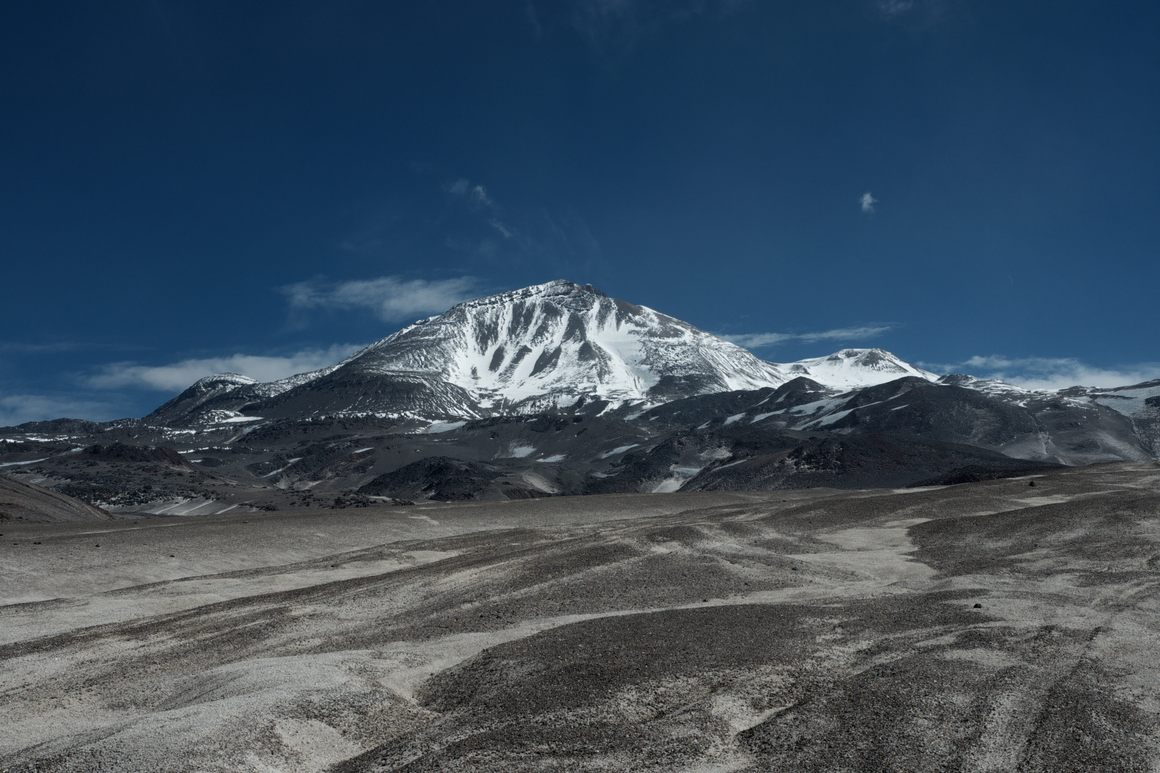
That's the strange gift of a place like this — it doesn't just test the body, it tests judgment under hypoxia, isolation, and cold, which is precisely why space agencies take the comparison seriously. Astronaut training leans on exactly this kind of exposure: learning to think clearly when your body is quietly failing you, thousands of meters above anything resembling normal air.

Inside, there's no pretense of comfort. Just bare bunks, gear stacked wherever it fits, and a fine layer of volcanic sand that works its way into everything — clothes, sleeping bags, food — no matter how carefully the door gets sealed against the wind. It's less a mountain hut than a survival capsule: minimal by necessity, because at this altitude, every extra kilogram carried up here costs someone dearly.

Know Before You Go: Refugio Tejos is reachable only by multi-day trek or acclimatized ascent from Laguna Verde and Refugio Atacama — there is no vehicle access this high. A DIFROL climbing permit is required to access the Ojos del Salado zone from the Chilean side. Altitude sickness is a serious and common risk above 5,000 meters; proper acclimatization schedule and medical preparation (including discussion of Diamox with a physician) are strongly advised before attempting this route.
