Discover a world of waterfalls, mountain vistas and an eccentric cat museum.
The Explorer’s Guide to Western North Carolina

Western North Carolina is a place where ancient geology meets accessible activities and human comforts. Within a few hours’ drive, you can scale the tallest peak in the East, wander through a limestone cavern system once believed bottomless, follow a dessert trail dedicated to a regional fruit-filled dish, and end your night under some of the darkest skies on the Eastern seaboard.
This itinerary spotlights 10 uniquely North Carolina stops, natural marvels, small-town legends, and delightfully odd attractions, perfect for a long weekend or a roaming road trip through the Blue Ridge.

1. Grandfather Mountain
Grandfather Mountain’s jagged profile is one of the most recognizable silhouettes in the Blue Ridge. Rising nearly 6,000 feet, it hosts a surprising array of ecological zones, including rare spruce-fir environments more commonly found much farther north. This diversity has made the mountain an important site for conservation and scientific study.
Visitors to the attraction can cross the Mile High Swinging Bridge (the amount of actual swinging depends upon the season and weather, and sometimes there's virtually no swinging). The exposed suspension span links two rocky outcrops with a stunning view. While on the mountain, you can also explore wildlife habitats featuring otters, bears and eagles. The adjacent state park offers rugged trails and quieter overlooks for those wanting a more remote experience. Whether approached for its geology, ecology, views, or even the famous Forest Gump Curve Grandfather Mountain remains one of North Carolina’s signature natural landmarks.
2050 Blowing Rock Highway, Linville, NC 28646
2. Blowing Rock
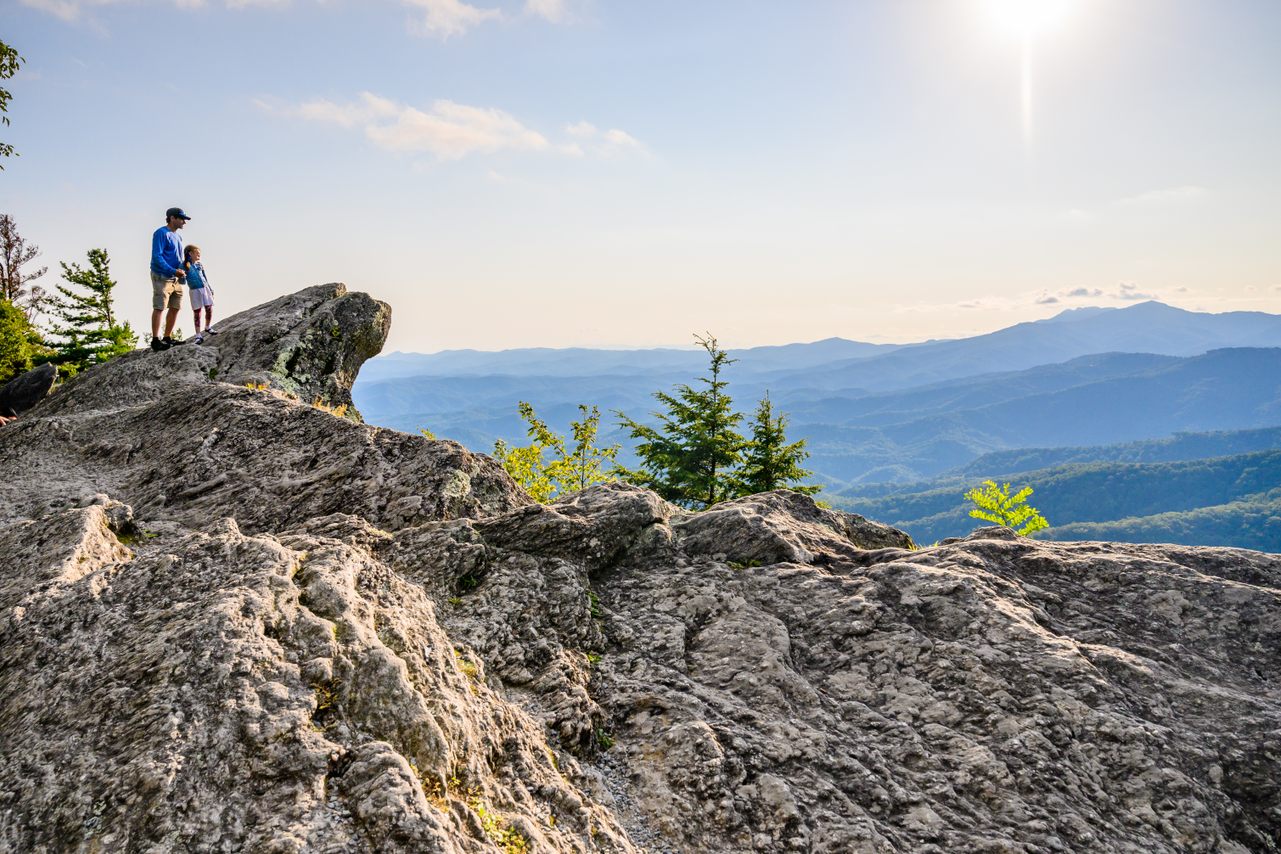
Blowing Rock sits on the edge of the Johns River Gorge, where a persistent upward wind has fascinated visitors for generations. The air funnels through the narrow chasm below and rises with enough force to lift light objects, or at least give the impression that they’re floating back toward the cliff. This atmospheric quirk helped popularize the site in the late 19th century, and it remains a defining feature of the overlook today.
From the cliffside paths, visitors can take in wide views of Grandfather Mountain, Table Rock, and the surrounding Blue Ridge. A small onsite museum provides context on the geology that created the dramatic gorge and the history of the attraction’s long-running reputation for gravity-defying gusts.
432 The Rock Rd, Blowing Rock, NC 28605
3. NuWray Hotel
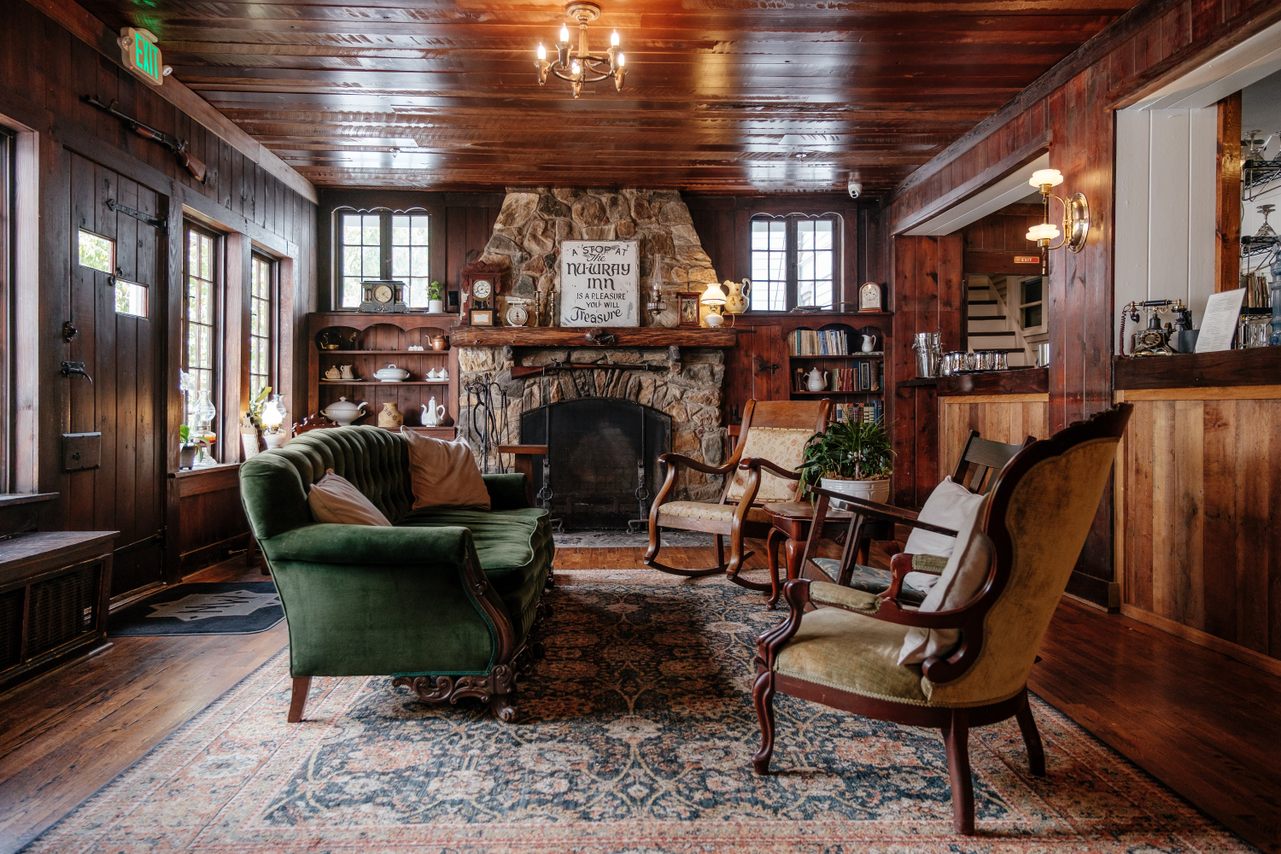
First opened as a trading post in 1833, the NuWray Hotel in Burnsville has hosted presidents, poets and generations of Appalachian travelers. The inn’s long front porch, stone chimneys and original heart-pine flooring preserve the feeling of an earlier era. Owners James and Amanda Keith painstakingly restored the inn for over three years, reopening to the public in the fall of 2024.
Beyond the history, the charm lies in its location: Burnsville sits under some of the darkest skies in the Southeast and just minutes from Mount Mitchell and the Toe River arts community.
102 Town Square, Burnsville, NC 28714
4. Bare Dark Sky Observatory (Earth to Sky Park)
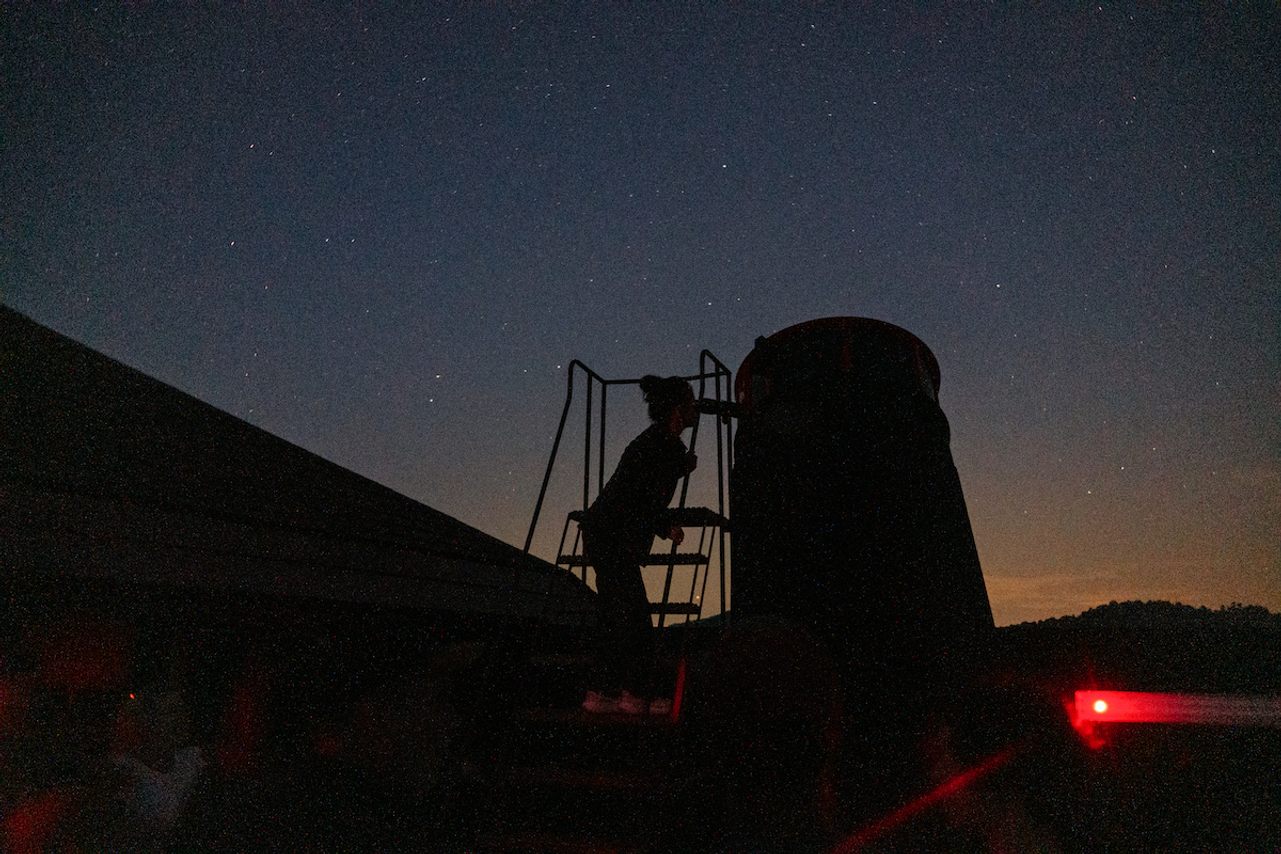
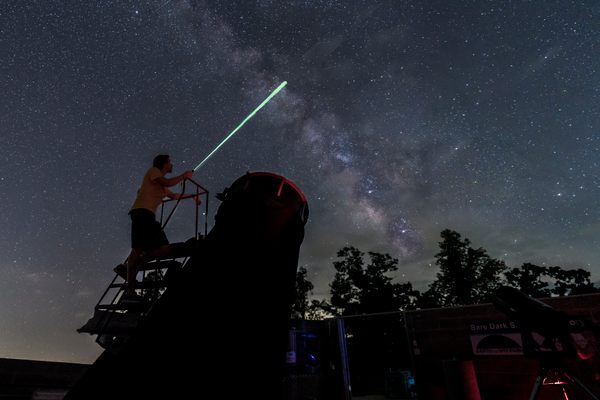
Located within the Earth to Sky Park, the Bare Dark Sky Observatory offers exceptionally clear views of the night sky thanks to high elevation and minimal light pollution. Its 34-inch custom-built telescope, the largest available for public use in the Southeast, allows visitors to observe deep-sky objects with striking clarity, from star clusters and nebulae to distant galaxies. Named the “Sam Scope” in memory of Samuel Phillips, a local philanthropist, the telescope is an f/3.6 StarStructure Newtonian telescope, with a 34 inch mirror.
Evening programs are led by astronomy staff who explain seasonal phenomena and guide guests through each viewing session. On clear, moonless nights, the Milky Way is visible as a bright, detailed arc across the sky, offering an experience rarely accessible on the East Coast.
66 Energy Exchange Drive, Burnsville, NC 28714
5. Surrey Sonker Trail
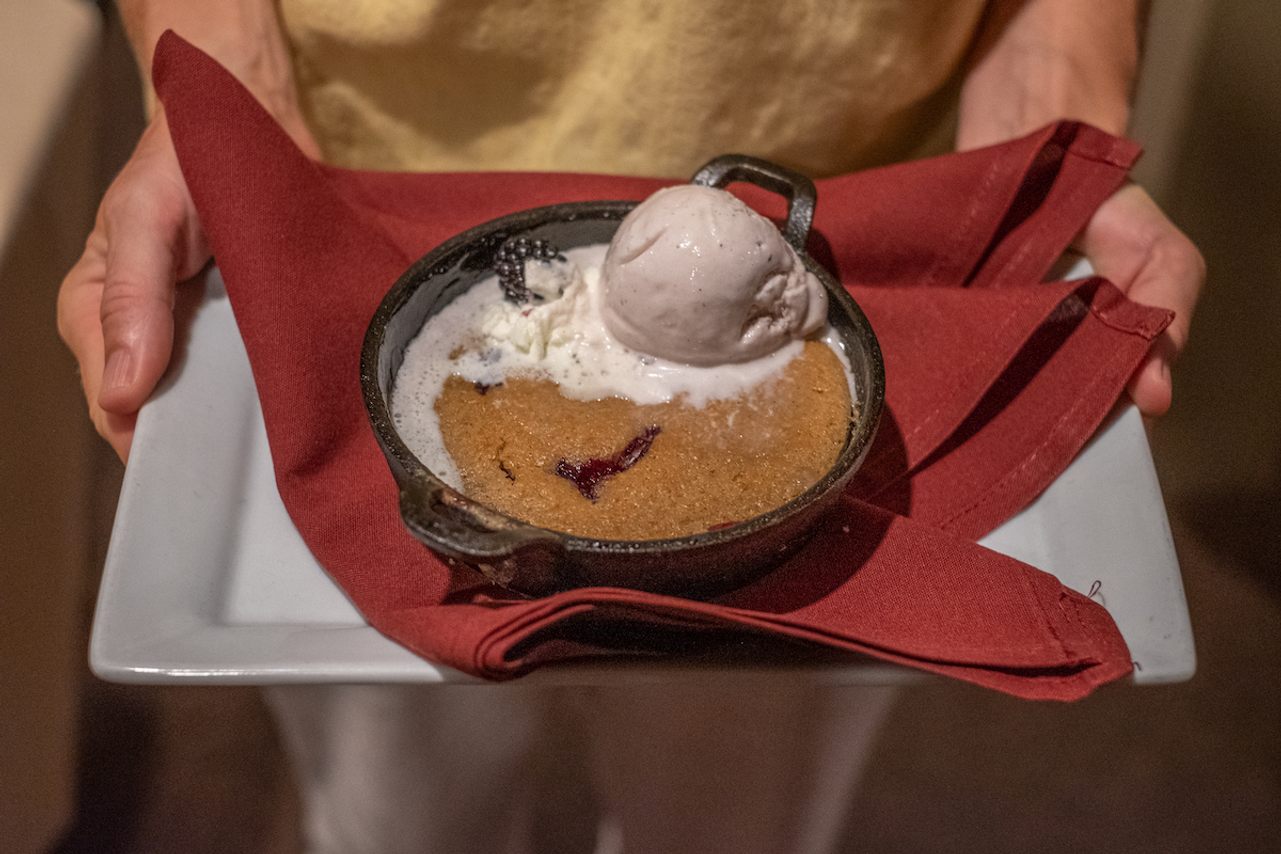
The Surry Sonker Trail connects restaurants, cafés and wineries across Surry County that serve “sonker,” a local baked dessert that falls somewhere between cobbler and deep-dish pie. One of the anchor stops is Harvest Grill at Shelton Vineyards, a restaurant located on the grounds of North Carolina’s largest family-owned estate winery. Shelton Vineyards began bottling wine in 2000 and has grown into one of the most expansive winery operations on the East Coast, complete with a 102-bed hotel nearby and shuttle service for visitors.
At Harvest Grill, the sonker often appears alongside seasonal menus and estate wines, offering a polished, culinary-forward interpretation of the regional dish. From here, travelers can continue along the trail to taste a range of versions, some fruit-filled, some sweet-potato-based, and many served with the county’s signature vanilla cream sauce known as the “dip.” Together, the trail’s stops outline a living food tradition that rarely appears outside this region, connecting small communities through a shared, quietly iconic dessert.
286 Cabernet Lane, Dobson, NC 27017
6. Judaculla Rock
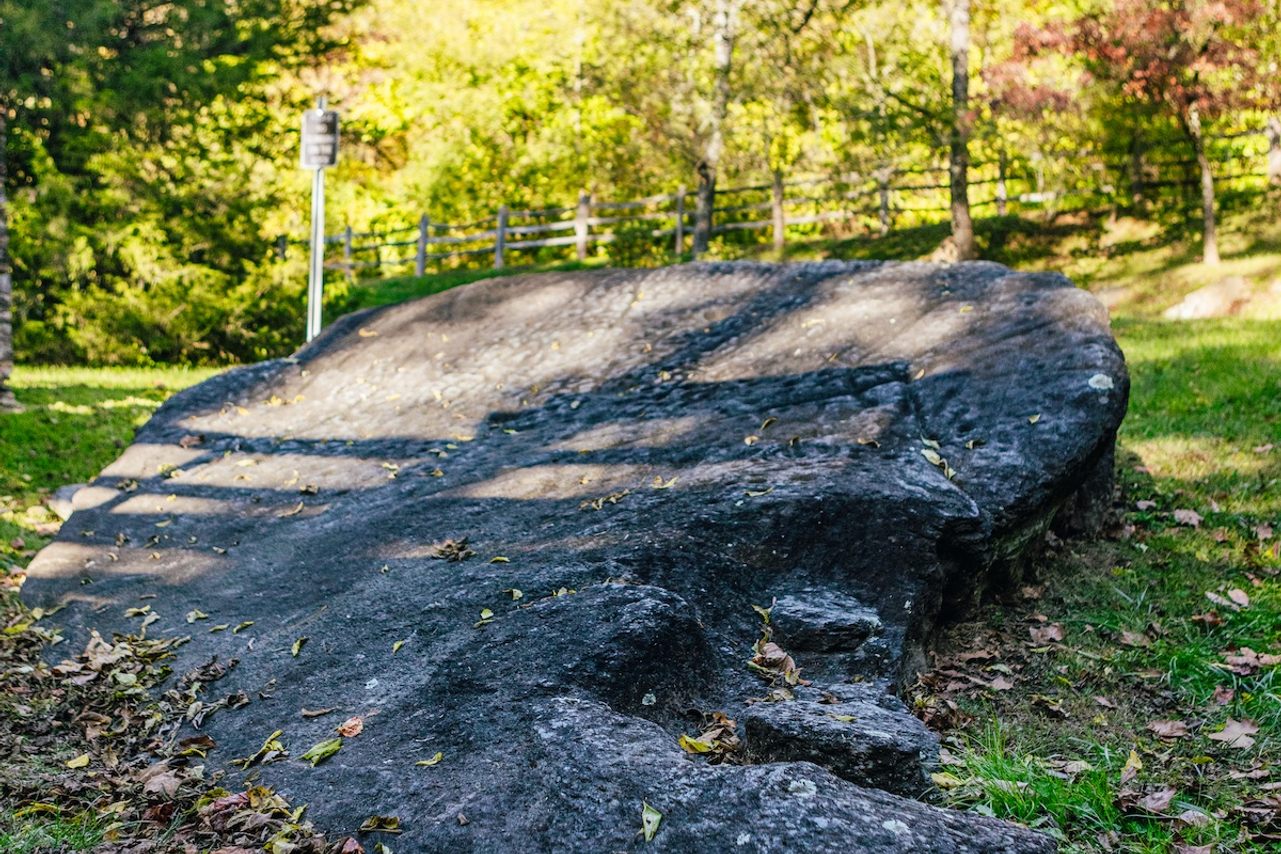
Judaculla Rock is one of the most significant petroglyph boulders in the southeastern United States. Covered with more than 1,500 carvings, cupules, arcs, crosshatches and anthropomorphic shapes, it is believed to have been an important site for Cherokee communities for centuries.
According to legend, the markings were made by Tsul’kalu’ (Judaculla), a giant spirit-being who ruled the surrounding mountains and scratched the stone while leaping from ridge to ridge. Archaeologists date the carvings to at least 500 to 1,000 years old, though their full meaning remains unknown. The rock sits preserved within a small valley farm, where interpretive signage helps visitors appreciate its cultural and spiritual significance.
552 Judaculla Road, Cullowhee, NC 28723


7. Hot Springs
The town of Hot Springs is named for the mineral-rich, naturally heated waters that rise from deep underground along the French Broad River. Throughout the 19th and early 20th centuries, the area became known for its therapeutic bathhouses and resort hotels, drawing visitors seeking restorative soaks.
Today, travelers can book private outdoor tubs filled with water from the springs, many positioned along the riverbank. The town is also notable as the only place where the Appalachian Trail runs directly through a main street, giving it a steady influx of long-distance hikers. Its surrounding trails, river access points, and small cafes make it an easy, low-key stop for anyone exploring the region.
315 Bridge Street, Hot Springs, NC 28743
8. Cradle of Forestry in America
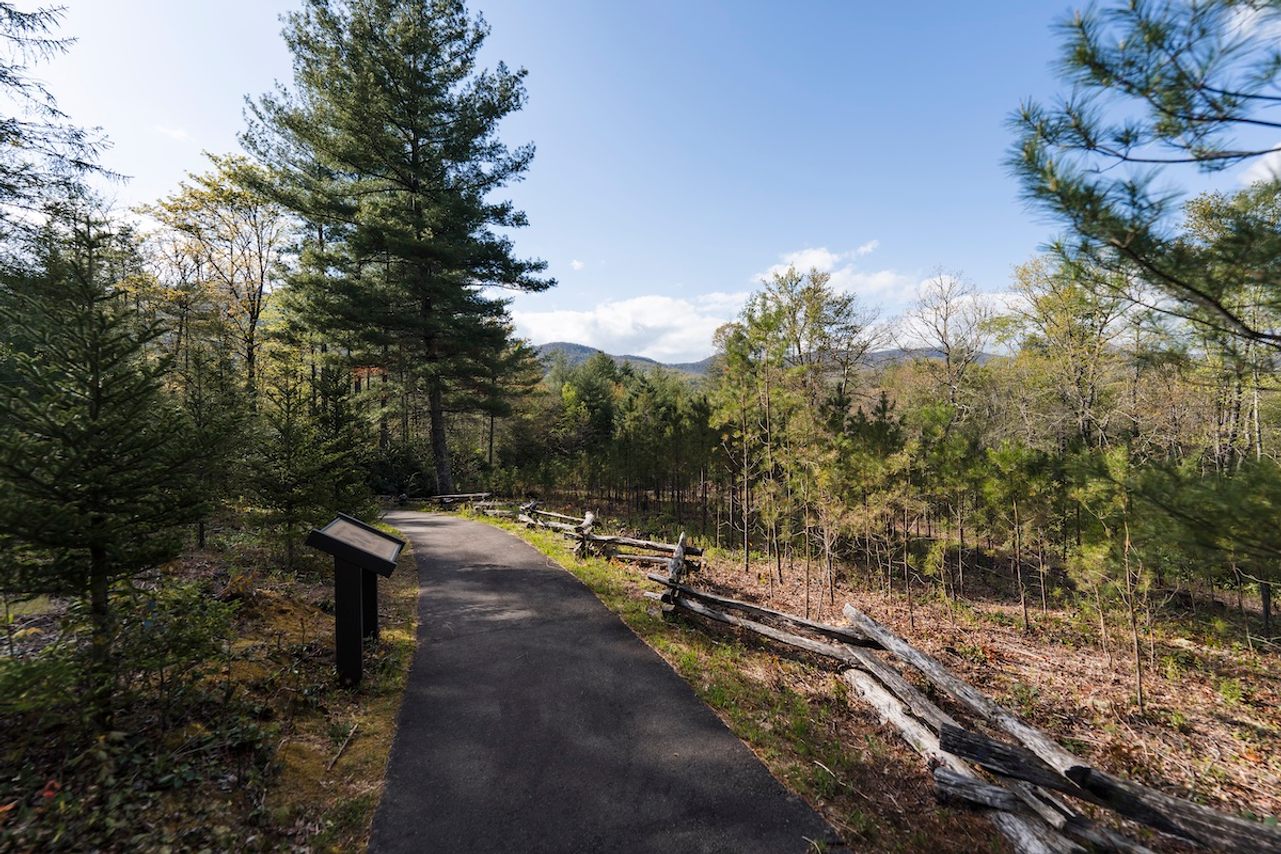
Hidden in the Pisgah National Forest, the Cradle of Forestry marks the site of the first forestry school in the United States, founded in 1898 by George Vanderbilt and German forester Dr. Carl Schenck. Today, the site preserves historic school buildings, logging locomotives and early conservation experiments that shaped modern forest management.
Visitors can explore accessible trails through old-growth and restored forest, guided exhibits on America’s conservation movement, and seasonal events that highlight traditional mountain crafts and ecological stewardship. It’s both a tranquil woodland walk and a deep dive into the history of how America learned to protect its forests.
11250 Pisgah Highway, Pisgah Forest, NC 28768
9. Linville Caverns
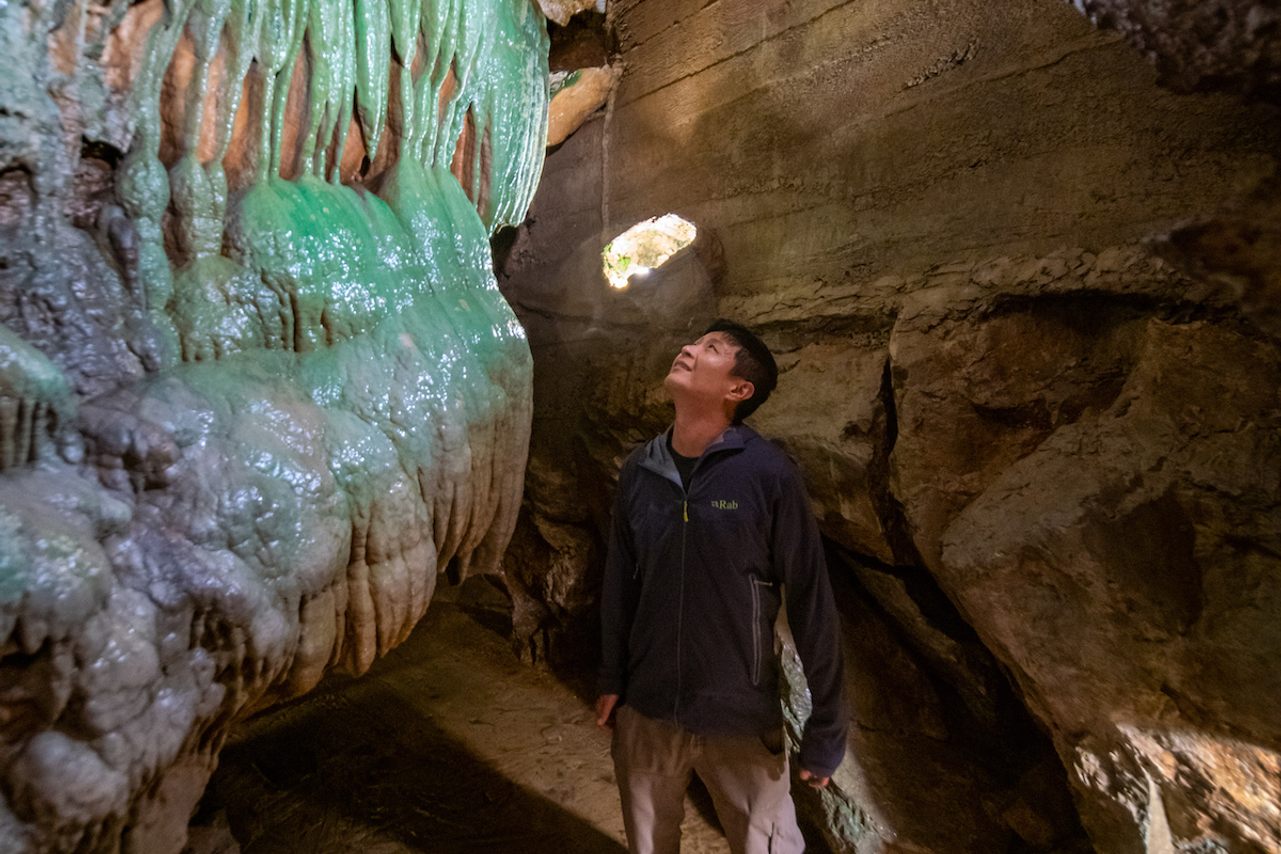
Linville Caverns provide a rare chance to explore the limestone interior of Humpback Mountain. First discovered in the 1800s by fishermen who noticed trout vanishing into cracks in the rock, the caverns now host guided tours through narrow passages, underground streams and illuminated formations.
Visitors encounter stalactites, flowstone and a subterranean water system that changes with the seasons. The caverns also shelter bat populations and several cave-adapted species, offering insight into an ecosystem shaped by constant darkness and shifting mineral-rich waters.
19929 US 221 North, Marion, NC 28752
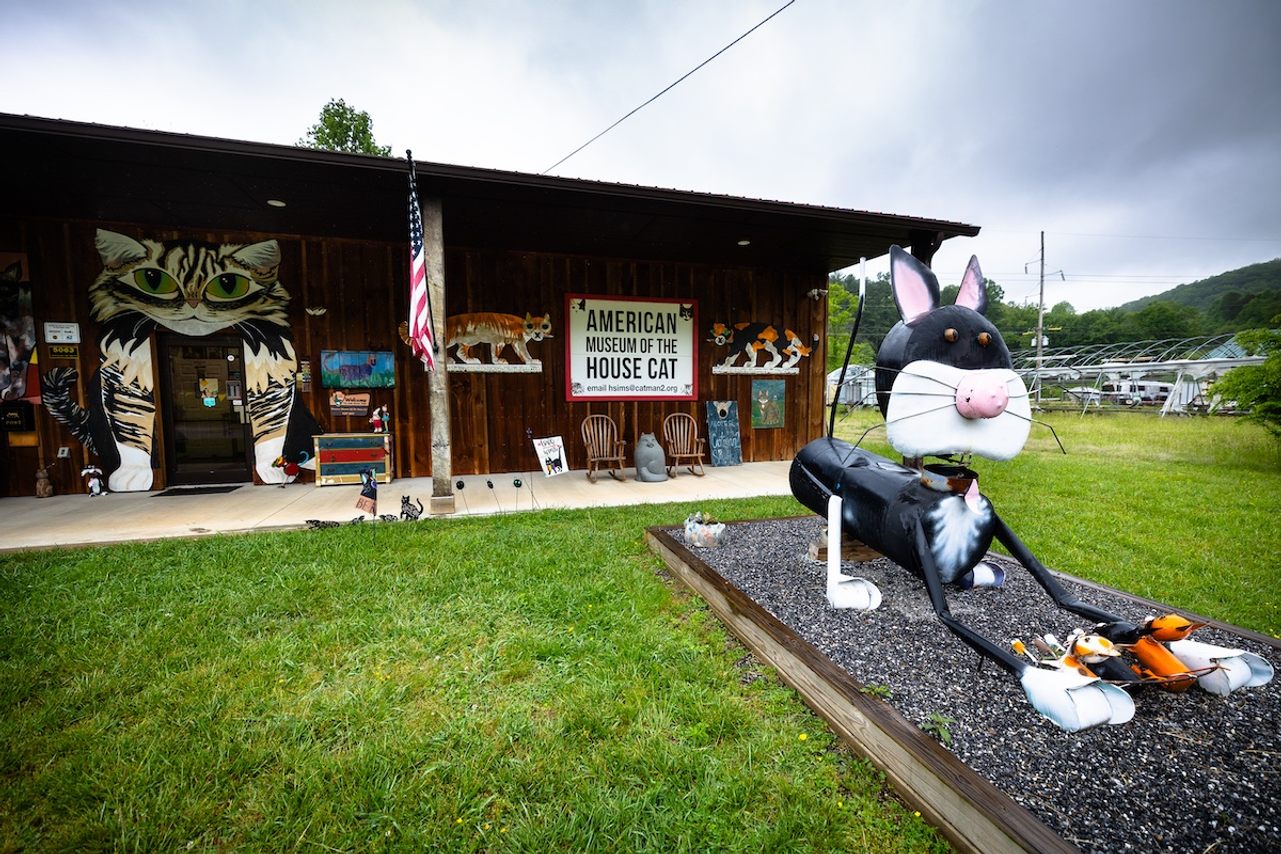
10. American Museum of the House Cat
The American Museum of the House Cat showcases the extensive personal collection of its founder, a longtime cat rescuer and enthusiast. The museum brings together thousands of feline-related items, vintage advertising, folk art, toys, medical instruments, and unusual decorative objects, arranged in dense, colorful displaysVisitors can see everything from antique veterinary tools to handmade cat figurines, each piece contributing to a larger picture of how cats have appeared in popular culture for more than a century. Part of each admission supports a nearby no-kill cat shelter, rooting this quirky museum in ongoing animal welfare efforts.
5063 US-441 South, Sylva, NC 28779

For Real, Visit North Carolina.