About
The crypt of the Almudena Cathedral in Madrid dates back to the 19th century and was one of the first buildings to be completed in the ambitious project to build a cathedral for the Spanish capital. The crypt was designed by the architect Francisco de Cubas, known as Marqués de Cubas, and was inaugurated in 1911, decades before the main cathedral was completed in 1993. The neo-Romanesque-style crypt, inspired by classical Romanesque architecture, stands out for its impressive granite columns, each with unique carvings with biblical and floral motifs.
The crypt houses over 400 columns supporting a series of vaults, creating a solemn and spiritual atmosphere ideal for prayer and contemplation. Its design combines tradition and modernity, combining architectural elements of the past with 19th-century techniques. In addition to its architectural beauty, the crypt also has significant cultural value, as it houses a chapel dedicated to the Virgin of Almudena, whose devotion is deeply rooted in Madrid's history.
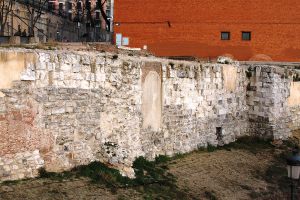
In the past, the crypt served as the final resting place for many famous people and prominent families from Madrid, which reinforces its role as a place of historical commemoration. The crypt's location next to the city’s old Arab walls underlines the connection between Madrid’s Christian present and its multicultural past.
From an artistic point of view, the crypt is a remarkable example of the neo-Romanesque revival in Spain. Its sculptural details, stained glass and mosaics enrich its atmosphere, while its continued use as a place of worship and tourist attraction underlines its importance as a living heritage that builds a bridge between past and present generations.
Know Before You Go
Community Contributors

Added By
Published
June 19, 2026