About
Imagine the scene: you hop into a taxi—or maybe an Uber—in the heart of a bustling modern city. Minutes later, you arrive at an urban park. As you stroll along its winding trails, taking in sweeping views of the city below, something unexpected appears: an ancient archaeological site… then another… and another, revealing what seem to be old burial grounds.
This is not just a walk in the park—it’s a journey through layers of time. Welcome to a unique urban sanctuary that forms part of Quito’s historical and natural heritage.
Let’s start with the basics
The Rumipamba Archaeological and Ecological Park is a sprawling urban park covering over 30 hectares. But more than just green space, it’s actually an open-air museum (yep, everything still in its original place) where you can see how different pre-Hispanic cultures built their homes, lived their everyday lives, and honored their dead.
All of this happened right on the slopes of Guagua Pichincha—Quito’s most iconic mountain. These ancient communities even had to deal with volcanic eruptions (because living next to an active volcano was apparently part of the plan). Today, what was once a sacred and strategic spot is part of what we now call the Metropolitan District of Quito—or just Quito, if you’re on friendly terms.
What can you find there?
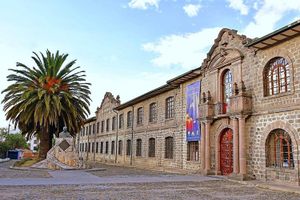
Archaeological Museum Right at the park’s entrance, you’ll find the Archaeological Museum—an essential first stop to help you understand and appreciate what you’re about to explore. This permanent exhibition showcases artifacts uncovered during years of excavation, offering context to the ancient cultures that once lived here. There's also a helpful map to keep track of the many mountains and volcanoes surrounding Quito (because yes, there are quite a few).
If you enjoy well-lit displays, organized collections, and eye-catching dioramas, take your time—about 30 minutes should be enough to explore it fully.
Before you head into the park, don’t miss the small stands just outside the museum. Local producers often sell honey, chocolate, and handmade crafts—authentic, high-quality products at surprisingly affordable prices.
Nature Trails and Archaeological Sites Just a few steps from the museum, you'll come across a monumental sundial—your starting point for exploring the park’s network of hiking trails. Here, a map outlines the different routes that wind through the landscape, guiding you to each of the archaeological sites nestled within the park.
As you walk these trails, you’ll find informative signs about the native Andean flora and fauna. Keep an eye out for blackbirds, hummingbirds, and—if you're lucky—a rabbit or two. Along the way, scenic viewpoints offer breathtaking glimpses of Quito’s skyline, allowing you to take in the vastness of the modern city while imagining the very different world of the ancient communities that once lived on these same slopes.
At the archaeological sites, you’ll come face to face with the remnants of ancient homes, camps, and fire pits—tangible traces of how the natural environment shaped the lives of early inhabitants. It was both a source of life, providing food, medicine, and shelter—and a force of destruction, with natural disasters leaving their mark on these very grounds.
Elevated walkways guide you through each site, allowing you to observe the excavations up close without disturbing them. In one of the most striking areas, you can even descend into the heart of a dig site, standing at the same level where these ancient communities once lived—and where their stories remain etched in stone and soil.
Replica of a Pre-Hispanic Settlement (The Bohíos)
At the end of one of the park’s main trails—after about a 30-minute walk—you’ll stumble upon the first major surprise: a full-scale replica of a pre-Hispanic village. Each bohío (hut) offers a glimpse into a different aspect of daily life in these ancient communities.
The centerpiece is the communal hut, where you can step inside and see not only the gathering space for assemblies but also the household items, foodstuffs, and symbolic objects that played a role in communal life. If you’re lucky, you might even find a fire burning in the center—something they light when large groups visit, adding to the atmosphere.
It’s a perfect spot to take photos and, for a moment, feel as though you’ve been transported centuries into the past.
The Hacienda House – Archaeology of Death
Resembling the main house of a traditional hacienda, this building holds what many consider the cherry on top of the entire visit—especially if you're drawn to the mysterious or the macabre. Inside, you’ll find a permanent exhibition titled “Archaeology of Death” (Arqueología de la Muerte), featuring both original artifacts and faithful replicas of ancient burial sites—not only from the park itself but from across the city of Quito.
This exhibition offers a deep, moving look at how pre-Hispanic cultures approached death. You’ll see burial structures, funerary offerings, and the symbolic objects placed alongside the deceased—items meant to ease their journey into the afterlife. The space invites you to reflect on the spiritual worldview of these ancient peoples, and to feel the lingering energy of those who once poured love and care into ensuring their loved ones were honored beyond death.
Quiet, atmospheric, and evocative, this is a space you shouldn’t skip. It’s the perfect, contemplative conclusion before heading back to the hustle and chaos of the modern city.
Know Before You Go
-
Entry to the park is free of charge.
-
Please stay on marked trails, as some areas are closed due to ongoing archaeological excavations.
-
Do not remove any plant or animal specimens from the park.
-
Weather can change suddenly due to the park’s location on the slopes of Guagua Pichincha—bring a rain poncho or waterproof shoes just in case.
-
If you’re unsure about a trail, feel free to ask the security guards—they’re happy to help and can provide directions or information.
-
The park is very safe, with controlled access points and regular patrols.
Community Contributors

Added By
Published
November 23, 2025