

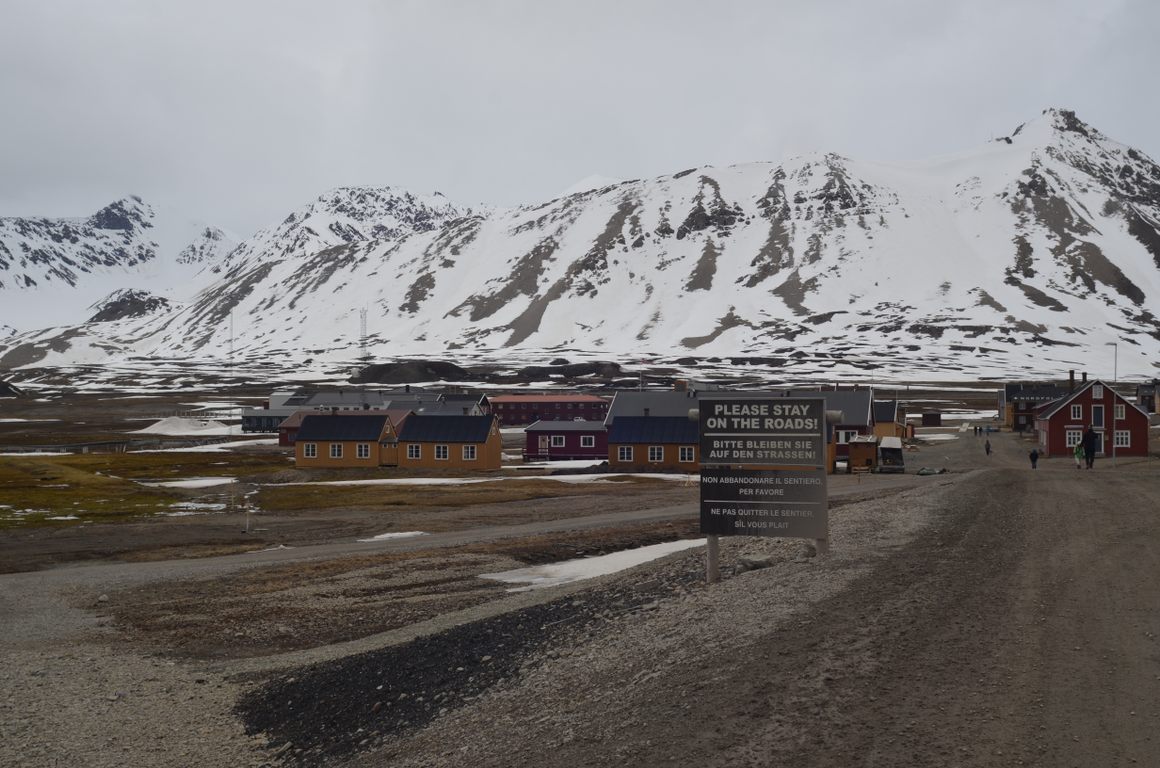
I arrived in Ny-Ålesund as a photojournalist selected for the Arctic Circle Residency, an opportunity that brought me to one of the most remote inhabited places on Earth. After days sailing in the Arctic landscape, reaching this tiny settlement at 79° north felt less like arriving in a town and more like stepping into a scientific outpost at the edge of human presence.
The first thing you notice is what is missing.
There are no fences separating the settlement from the wilderness. No busy streets. No advertising. No constant hum of connected devices.
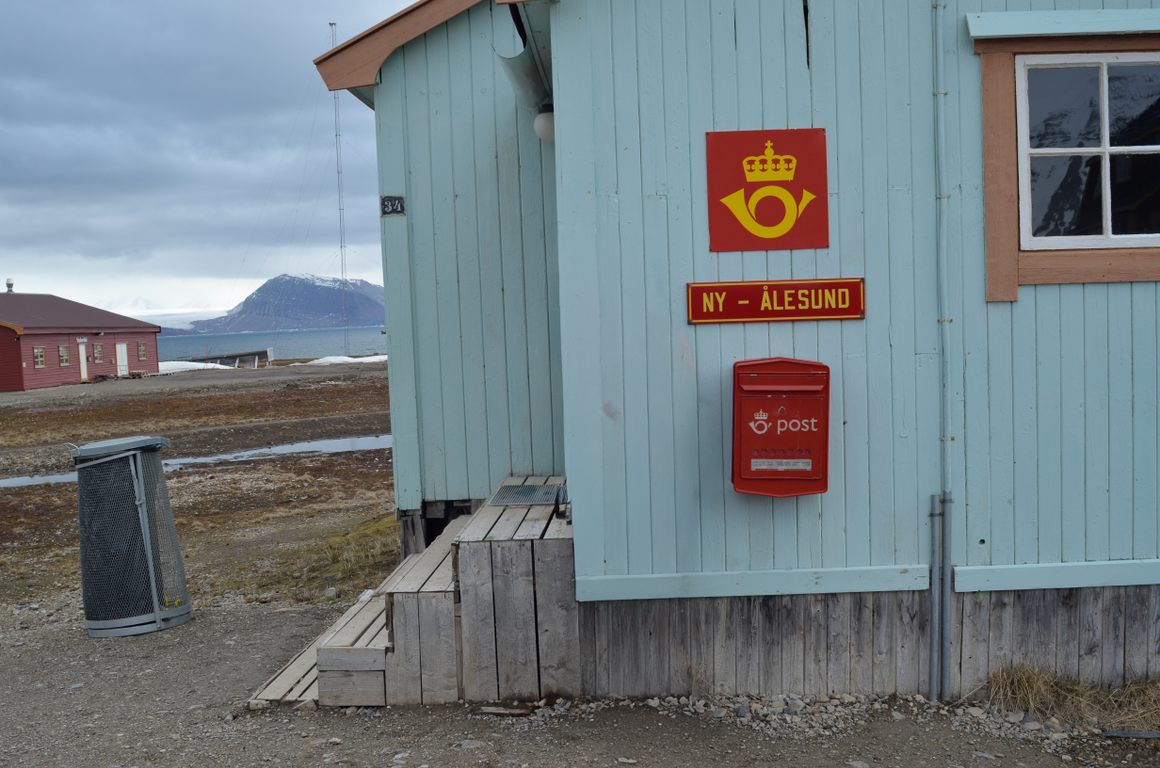
And no locked doors.
In Ny-Ålesund, buildings are traditionally left unlocked because of the possibility of polar bears wandering into the area. If someone encounters a bear outside the settlement, the nearest open door may be the difference between danger and safety. Around thirty-five people live here, surrounded by an environment where humans are visitors and wildlife remains in control.
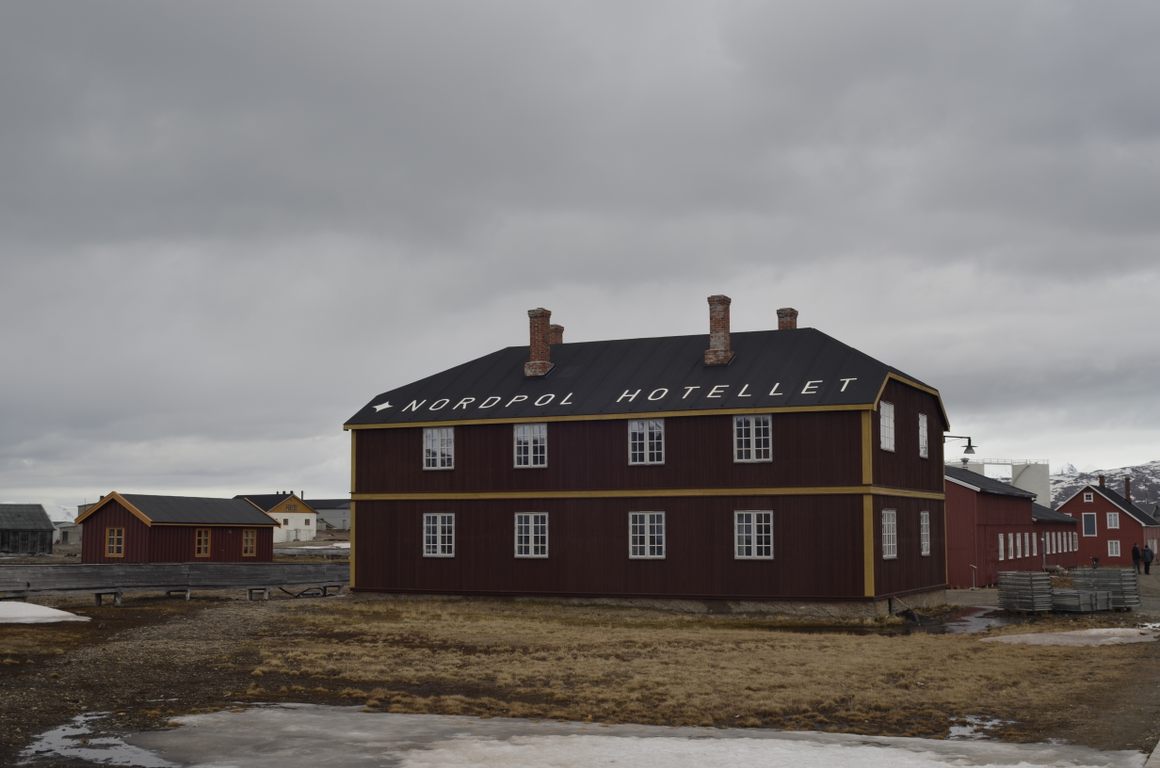
The famous post office, the historic hotel, the old locomotive, and the colorful wooden buildings are the details most visitors photograph. But they are only the visible layer of the place. The real story of Ny-Ålesund is that it is a town designed around survival and observation.
The second thing you notice is the silence.
Ny-Ålesund is one of the most radio-quiet places in the world. Wireless signals are heavily restricted because scientists working nearby are studying extremely sensitive measurements of the atmosphere and the Earth itself. Wi-Fi and Bluetooth are not part of everyday life here, and visitors are asked to disable wireless functions on their devices.
It is a strange feeling: a settlement with no locks and no signal. The doors are open because of bears. The air is quiet because scientists are listening.
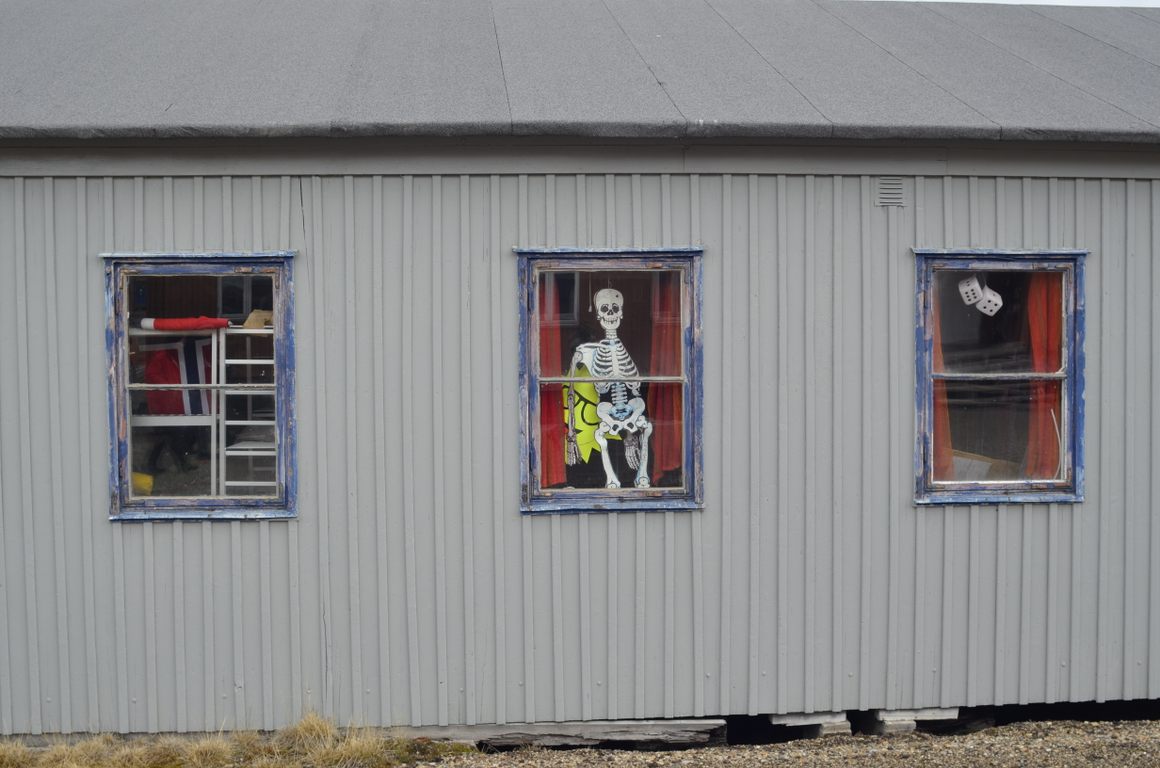
Before it became a global research center, Ny-Ålesund was a mining town. Founded in 1916 by the Kings Bay company, it was built around coal extraction from the surrounding mountains. The community grew in one of the harshest environments imaginable, where miners worked through Arctic winters far from the rest of the world.
That history ended in tragedy. In 1962, an explosion in the Kings Bay coal mine killed 21 miners. The disaster became a national political crisis in Norway and eventually led to the resignation of Prime Minister Einar Gerhardsen’s government. After the mine closed, Ny-Ålesund reinvented itself. The place that once extracted resources from the Arctic became a place dedicated to understanding it.
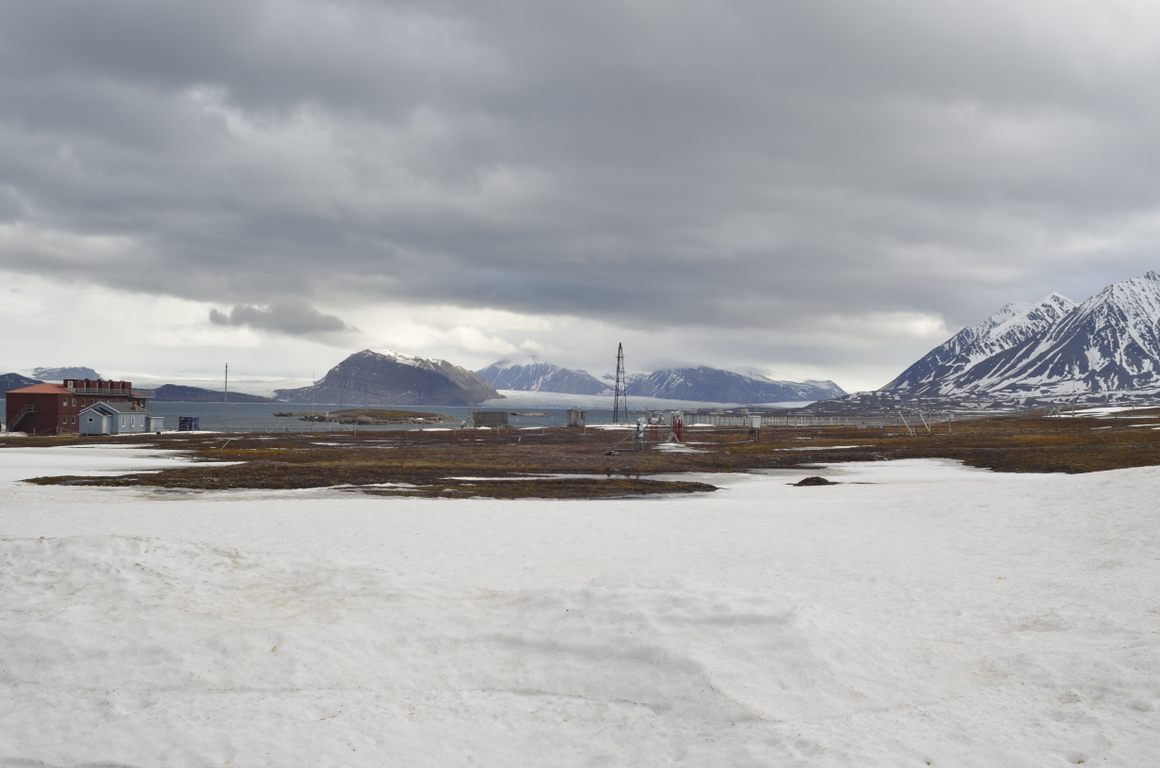
Today, researchers from around the world live and work here, studying climate, atmosphere, glaciers, and environmental change. The settlement has become one of the most important scientific observation points in the High Arctic.
Ny-Ålesund also carries the memory of another Arctic obsession: exploration. In 1926, Roald Amundsen, Umberto Nobile, and Lincoln Ellsworth departed from here aboard the airship Norge during the first verified crossing of the North Pole. The old mooring mast still stands above the settlement, a reminder of the age when explorers launched from this frozen shoreline toward the unknown. Two years later, Nobile returned with the airship Italia, which crashed during its return journey, triggering one of the most famous Arctic rescue missions in history.
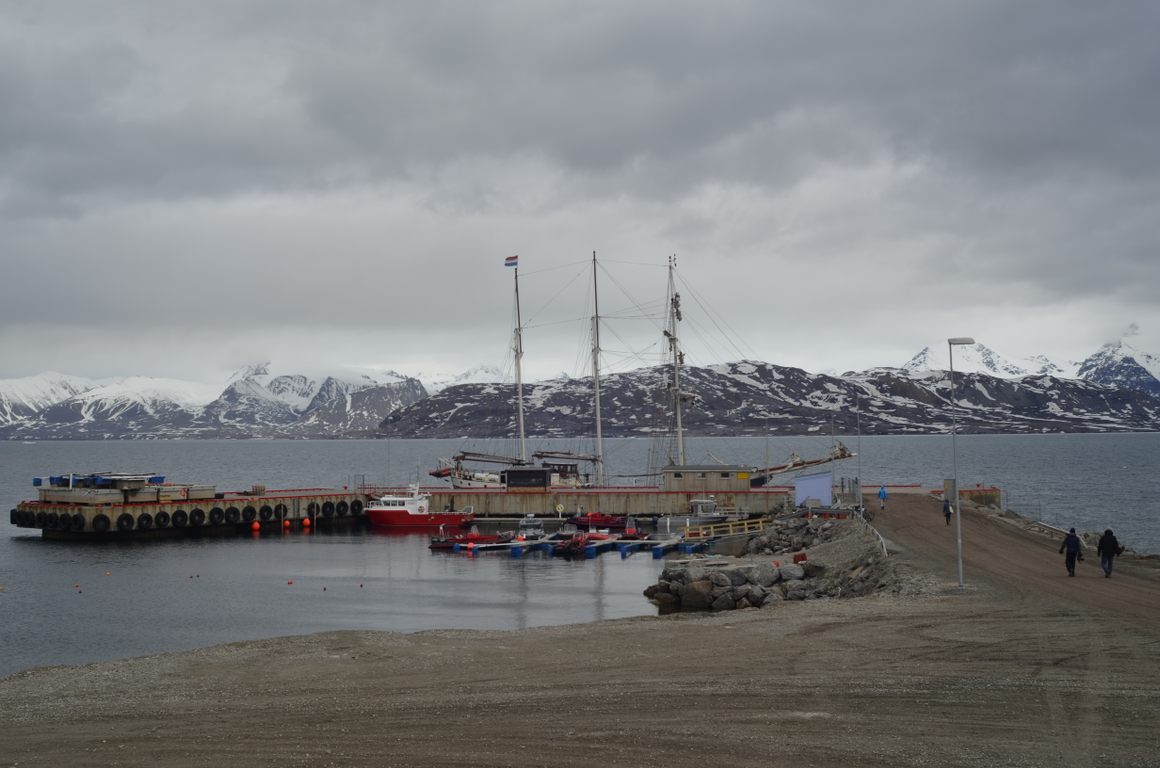
During my stay, I slept aboard our boat in the harbor at night, surrounded by the quiet of the fjord. Looking back toward the settlement, the lights of the small buildings seemed almost impossible against the scale of the landscape around them.
Ny-Ålesund is easy to mistake for a collection of Arctic curiosities: the northern post office, the old railway equipment, the historic buildings. But those are only the surface.
The deeper story is a place where humans have learned to live with extreme vulnerability. A town where doors stay open because of predators, where electronics are silenced because scientists are listening, and where a few dozen people from around the world are watching the changes happening at the top of the planet.
Ny-Ålesund is not the end of the world.
It is one of the places where the future of the world is being measured.
