1. Oi Man Sang
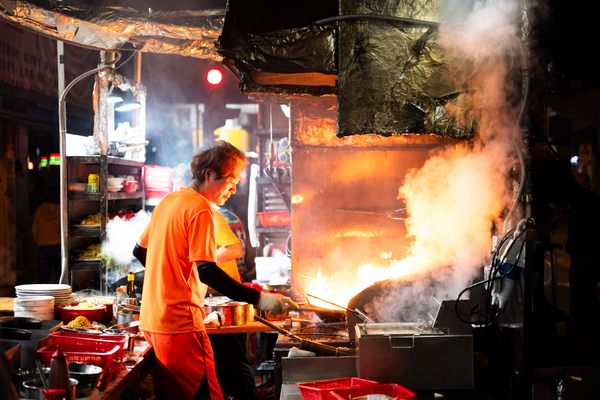
Hong Kong was previously home to as many as 200 dai pai dong—cheap, informal, semi-outdoor Cantonese restaurants. A longstanding effort to clean up the territory means that the health department hasn’t provided new licenses to any dai pai dong (the term, which entered the Oxford English Dictionary in 2016, literally means “big license stall”), leaving fewer than 20 of them at press time
Oi Man Sang, dating back to 1956, and operating a jet fuel-fired stove on the streets of Kowloon, is thought to be one of the oldest of the genre. Despite having a mere two woks at their disposal, the kitchen crew at Oi Man Sang manages to serve hundreds of diners. Indeed, the restaurant’s cook/owner has become something of a celebrity, known for his uniform of monochromatic athletic wear and his willingness to pose for selfies between dishes.
Sham Shui Po Building, 1A-1C Shek Kip Mei St., Sham Shui Po Hong Kong

2. Kam Wah Cafe
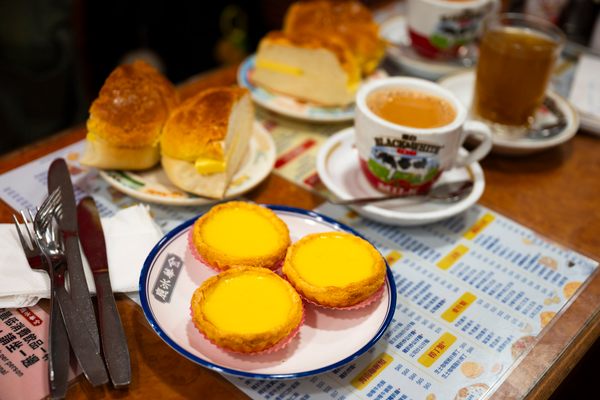
Considered one of the oldest family run cha chaan teng in Hong Kong, Kam Wah was opened in 1973 by a talented Chinese baker. Emerging in the post-World War II era, cha chaan teng were where people in the then-British port colony went for Western-style dishes, often made with imported and thus relatively expensive ingredients. In the following decades, as Hong Kong became wealthier, cha chaan teng became less exclusive and more quotidian, a convenient place to grab a cheap, fast meal.
The menu at Kam Wah today spans all the cha chaan teng staples—egg sandwiches served on white bread, egg tarts, dishes revolving around instant noodles—but everyone in Hong Kong knows that this is the place to get a pineapple bun, or bo lo bao. The bun contains no pineapple, but rather has a topping that emerges from the oven scored and caramelized, resembling the eponymous fruit. Kam Wah’s pineapple buns are so renowned that they purportedly sell 5,000 of them a day.
45-47 Bute St., Mong Kok Hong Kong
3. Wu Chi Kai’s Neon Light Workshop
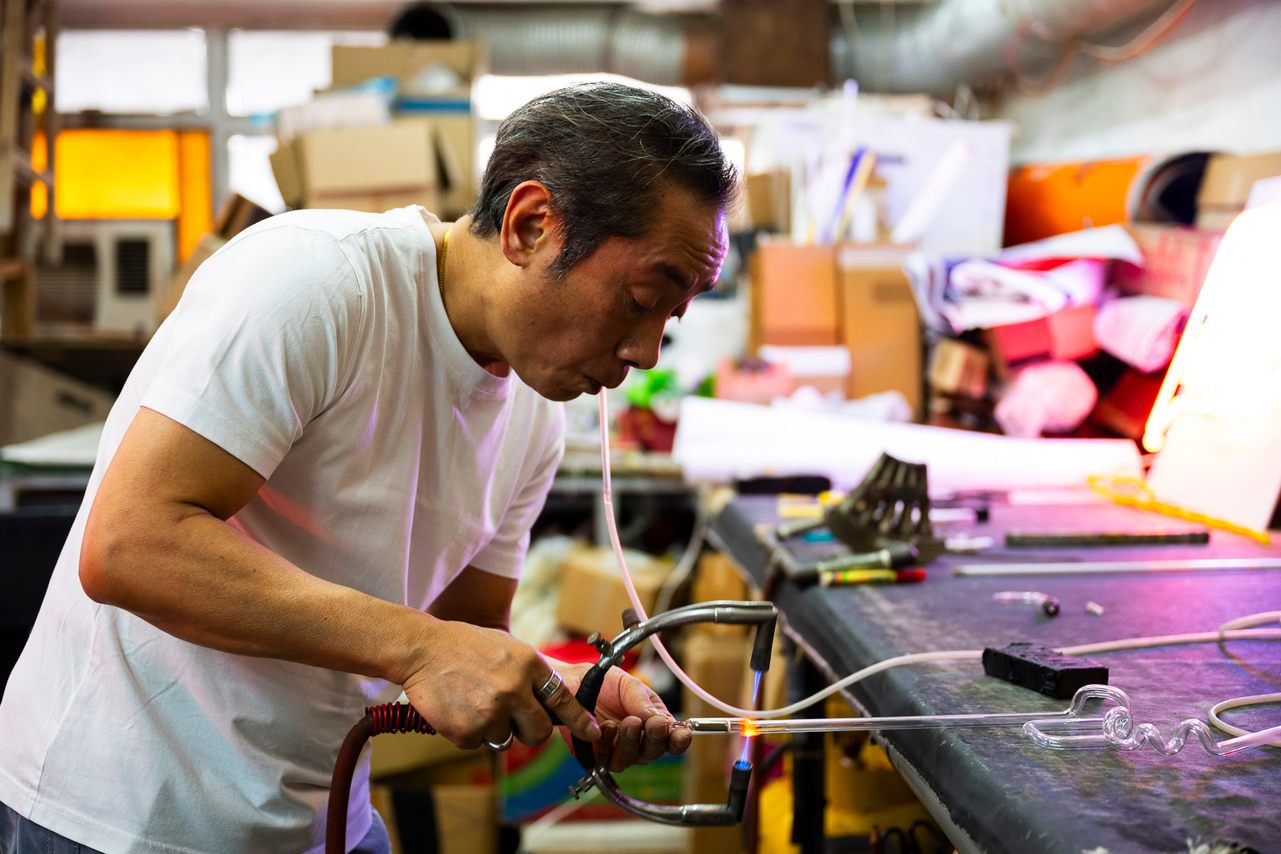
For decades, Hong Kong’s skyline was perpetually bathed in a neon glow, particularly from the signs illuminating its restaurants and bars. In recent years, LED lights have almost entirely taken the place of neon. The heavy old glass and metal signs have been deemed safety hazards by the local government, and are gradually being removed from Hong Kong’s streets.
One of an estimated seven people still producing neon lights in Hong Kong is Wu Chi Kai. In his New Territories workshop, which is only occasionally open to the public, he creates neon lights the traditional way—by shaping glass tubes by hand and filling them with neon or argon gas. These days, his work ranges from repairing old signs to designing new architectural elements out of neon.
Room 2F, Kingswin Industrial Building Block 1, 42-50 Lei Muk Road, Kwai Chung, New Territories Hong Kong
4. Lin Heung Tea House
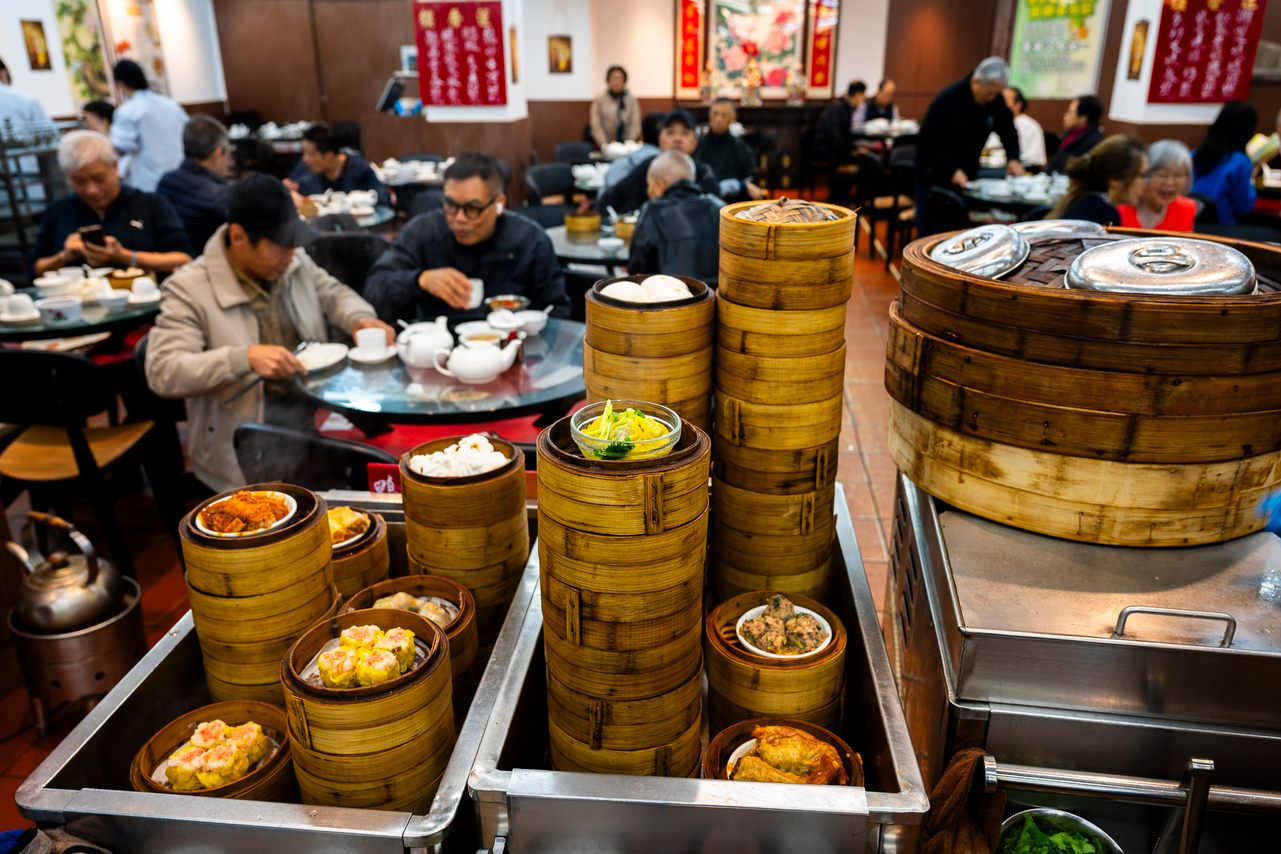
Dim sum is one of the most iconic Hong Kong meals, but the number of traditional-feeling places is dwindling. Lin Heung dates back to the early 20th century, and with its old-school bamboo steam trays, service trolleys, tea service, and paper chit ordering system, is considered one of only a handful of classic dim sum halls remaining in the territory.
It’s also, by some estimates, the oldest in Hong Kong. The restaurant can trace its roots back to mainland China in the late 19th century, and has been at its current location since 1996. Walk upstairs to a brightly lit, noisy hall filled with round tables; you’ll most likely be sharing space with someone else, probably older customers who still come to Lin Heung every morning to read the paper, sip tea, and chat.
160號 Wellington St., Central Hong Kong
5. Boston Restaurant
Open since 1966, Boston is one of Hong Kong’s longest-standing, so-called “soy sauce Western” restaurants, places that serve a local interpretation of European food. Today, Boston is one of only a scant handful that remain.
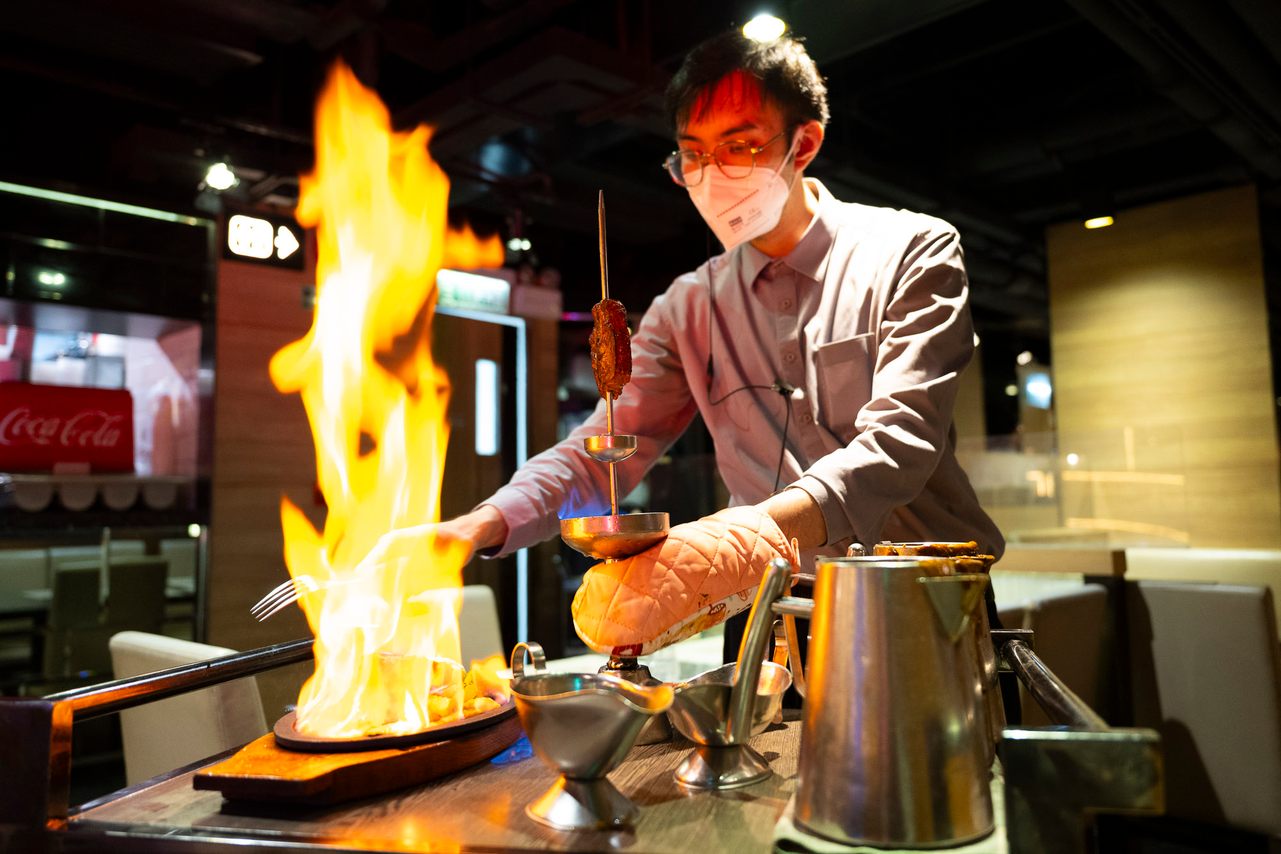
The centerpiece dish of the genre is steak, here served on hot platters. Boston’s Sizzling Dish Sets come with soup (one option is a curiously beet-free borscht), a soft roll served with butter, a drink, your choice of beef and sauce, and rice or spaghetti—a combination of ingredients and dishes that likely would have been outlandishly exotic to Hongkongers of the ’60s or ’70s.
Boston is particularly known for its beef brochette flambé, a skewer of beef prepared on a cart tableside with Chinese rice wine and lots of flames, as well as for its baked Alaska—and, of course, its iconic neon sign.
3號 Luard Rd., Wan Chai Hong Kong
6. Chan Chi Kee Cutlery Co.
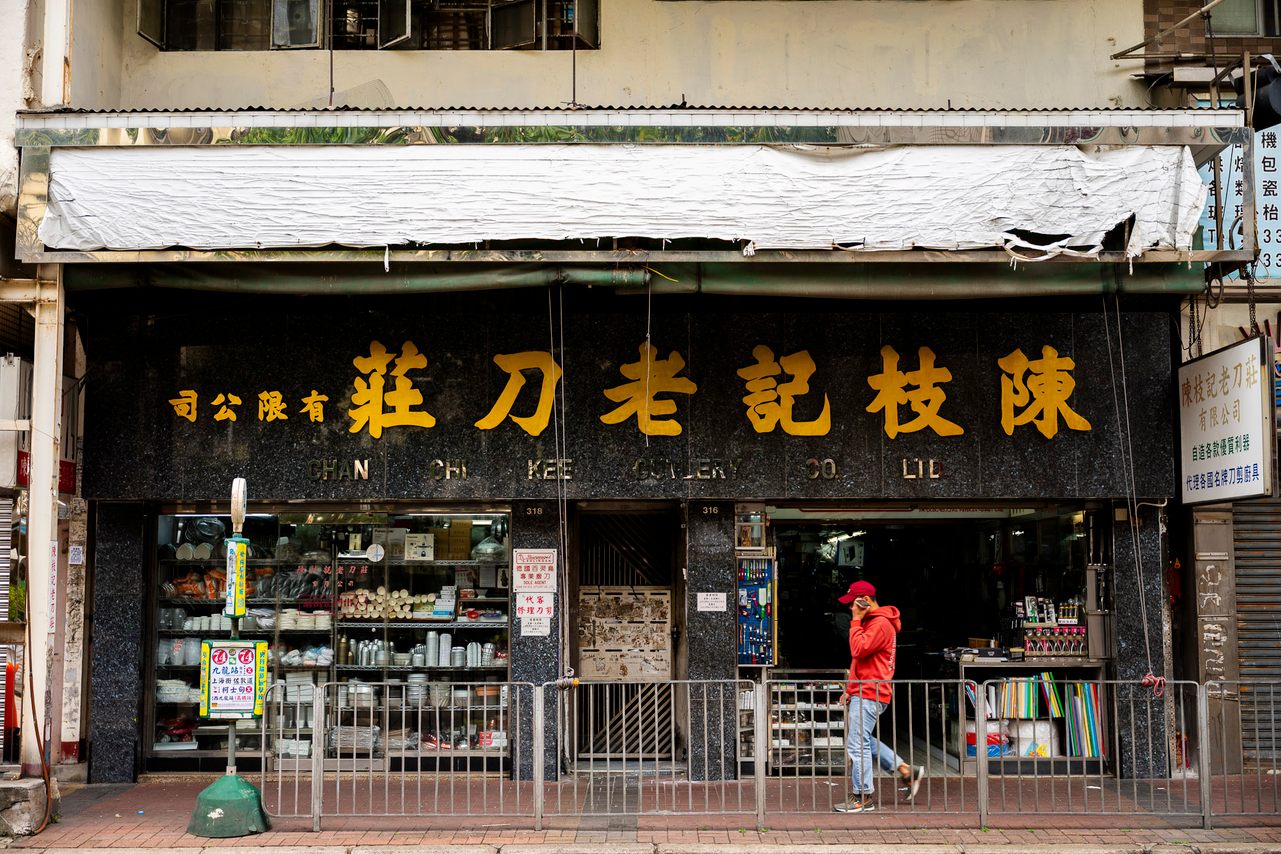
In Hong Kong and in need of a Chinese cleaver, a bamboo steamer, or a hand-hammered wok? Locals know to head to Shanghai Street, in Kowloon, a strip known for its commerce in kitchen supplies. And one of the more iconic destinations on the street is Chan Chi Kee Cutlery Co. The decades-old shop is known for its high-quality, house-made cleavers, but is positively stuffed with all manner of stainless steel cookware and specialist tools for the Chinese kitchen.
These days, Chan Chi Kee knives are exported worldwide; Anthony Bourdain bought one on an episode of The Layover, and the owners claim that French chefs and Michelin-starred foreign chefs also come in looking for knives and other equipment. In the back of the shop is a closet-sized sharpening station where you can watch the masters grind and sharpen cleavers.
316, G/F, 318 Shanghai St., Yau Ma Tei Hong Kong
7. Tai Tung Bakery
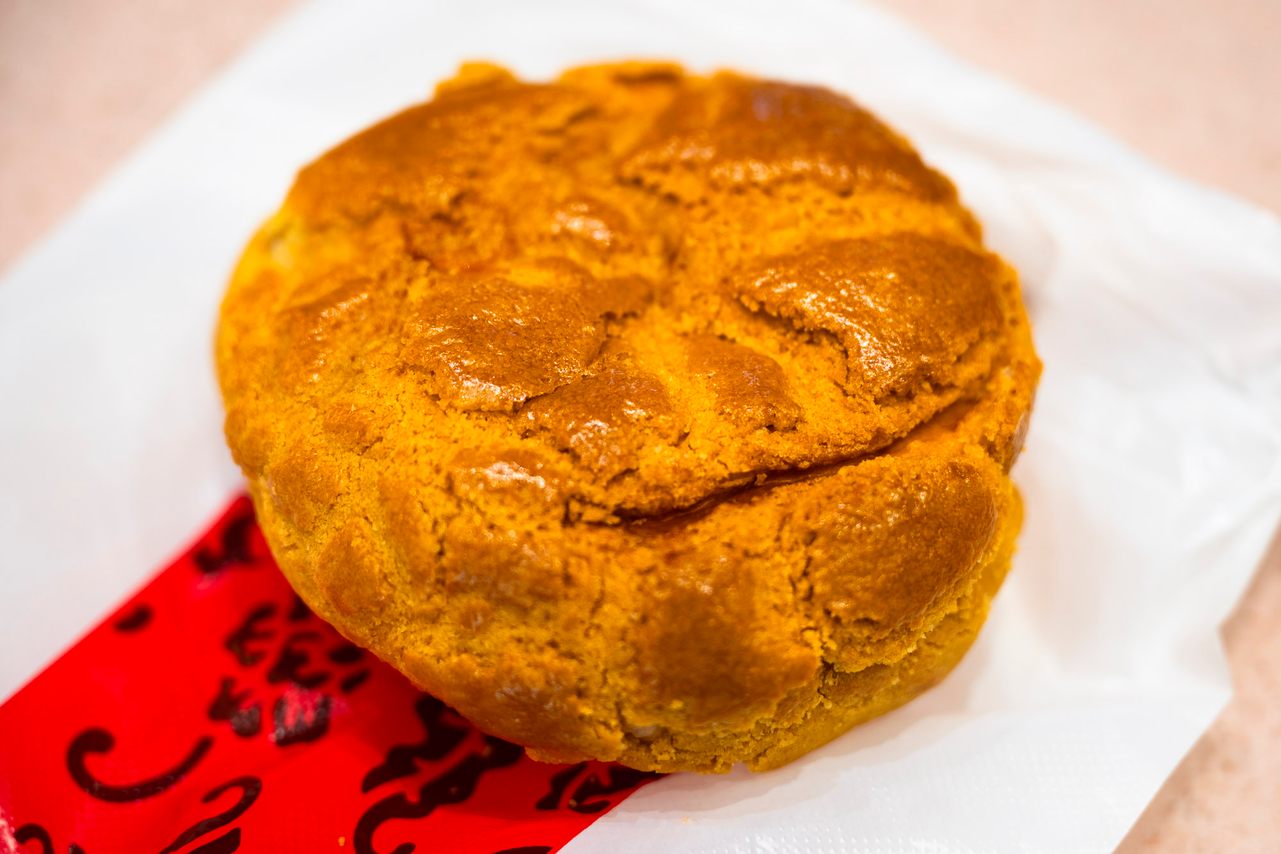
Pop into any local-style bakery or cha chaan teng (a local-style diner) in Hong Kong, and you’re likely to encounter a fist-sized bun with a scored top. This is the pineapple bun, named not for any tropical ingredient, but rather for that surface, which is thought to resemble that of the eponymous fruit.
Tai Tung, located in almost rural-feeling Yuen Long, in far northern Hong Kong, has been baking pineapple buns since 1943, most likely making it the oldest producer in the territory. The bakery claims to bake around 1,000 per day, in a process that takes 24 hours. The buns emerge from the oven with a soft, airy, almost cotton candy-like crumb and that recognizable crispy, sugar topping. Tai Tung does a variant stuffed with red bean paste and paradoxically (or logically?), a version with pineapple paste and a few slices of pineapple inside.
57 Fau Tsoi St., Yuen Long Hong Kong
8. The Cell
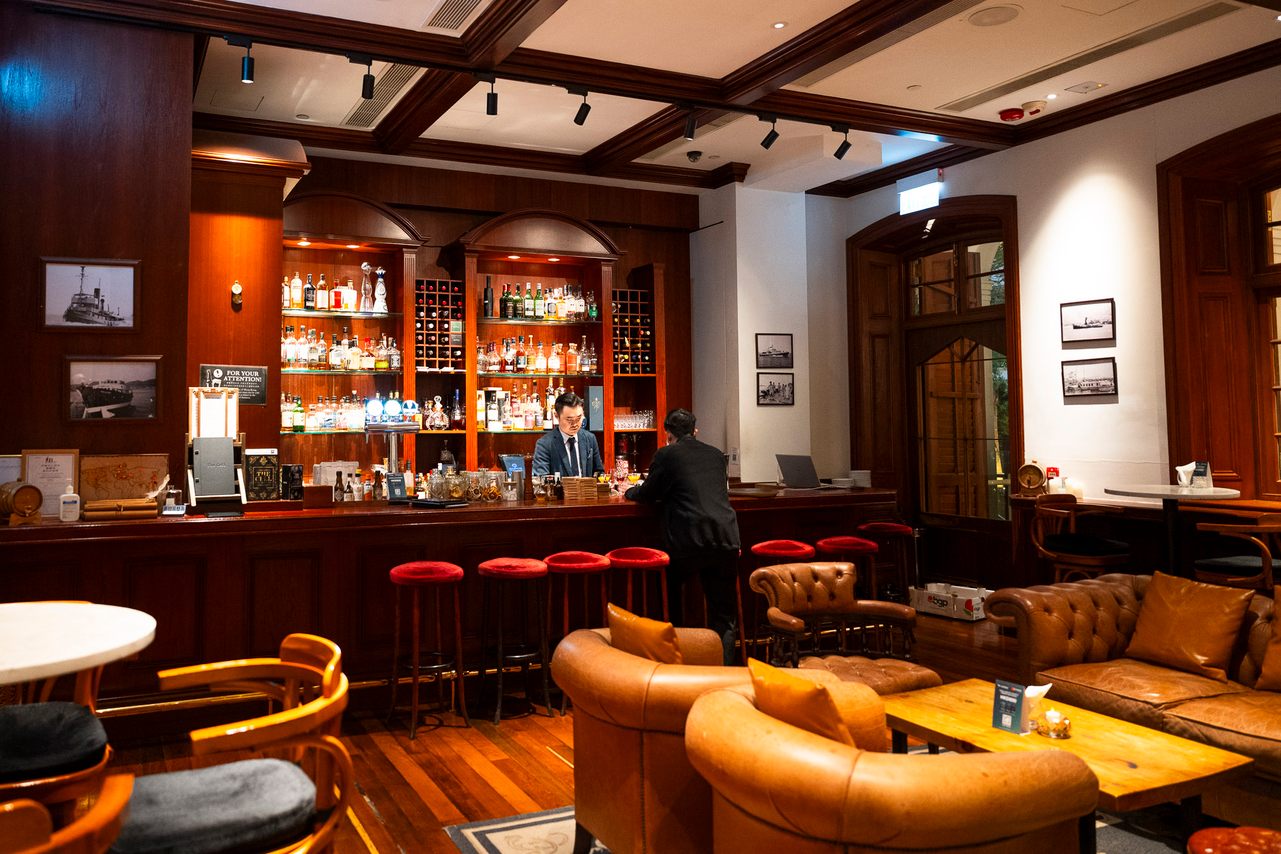
According to some, this is likely the oldest drinking establishment in Hong Kong. It got its start as a private mess hall in the 1884-era Marine Police Headquarters Compound, and didn’t become open to the general public until 2009. During this time, it’s thought to have moved to different parts of the compound and has functioned under various names, but has retained the same address since the 19th century. Today, parts of the original compound have been retained, and it’s possible to sip your single-malt whiskey in a former jail cell.
G/F, FWD House 1881 Main Building, 2A Canton Rd., Tsim Sha Tsui Hong Kong
9. Kowloon Soy Co. Ltd.
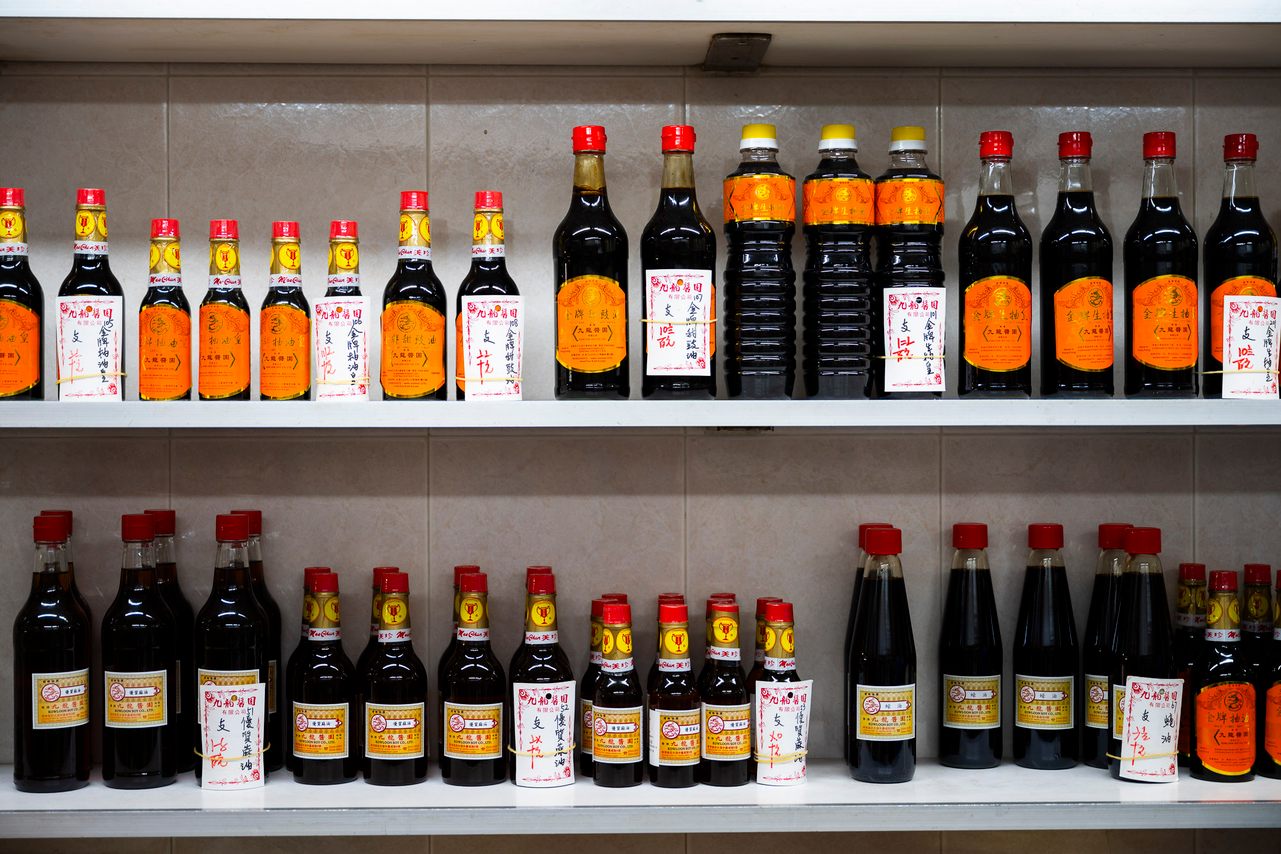
There’s no ingredient more Chinese than soy sauce, and Kowloon Soy Sauce Co, Ltd. is arguably Hong Kong’s cult soy sauce brand. This family run company has been making soy-derived sauces since 1917, and still operates a commercial outlet in Hong Kong. Nowadays, the company’s soy sauces are made across the border in mainland China, but they’re still done the artisanal way lending them a distinct flavor and mouthfeel.
Today, as supermarkets have taken over, this tiny outlet on Graham Street is the only one remaining. The brand’s highest quality soy sauce, which is only available in Hong Kong, is made the old-school way, via fermenting in clay jars for three months.
9 Graham St., Hong Kong
10. Tai Ping Koon Restaurant
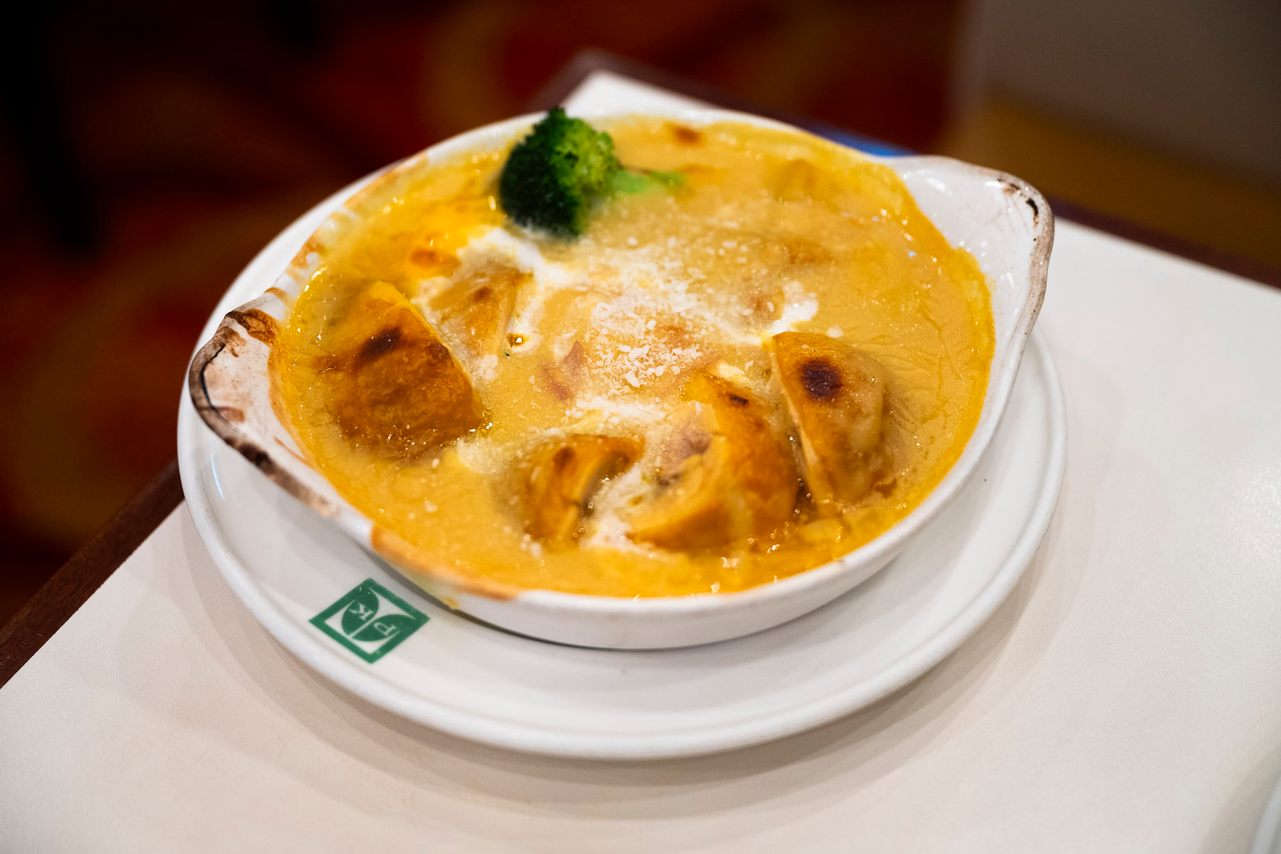
The legend goes that, in 1930s Hong Kong, a foreign customer at Tai Ping Koon Restaurant couldn’t remember the name of a menu item and asked for “sweet wings,” which a waiter misheard as “Swiss wings.” It’s likely apocryphal, but the name and the dish—chicken wings in a sweet/salty/savory glaze—became one, and Swiss wings are now a Hong Kong classic, found at restaurants across the territory.
At Tai Ping Koon, the place where the dish was invented, the wings are seasoned with bay leaf, rock sugar, Chinese wine, and two types of soy sauce. They’re sticky and tender and have an almost perfect balance of sweet and savory flavors. Other foreign dishes here include steak and roast pigeon—both part of the menu for more than 130 years—as well as several menu items described as “Portuguese style,” no doubt an influence from neighboring Macau, which was a colony of Portugal for nearly 500 years.
6 Pak Sha Rd., Causeway Bay, Hong Kong