1. Greenbrier Area
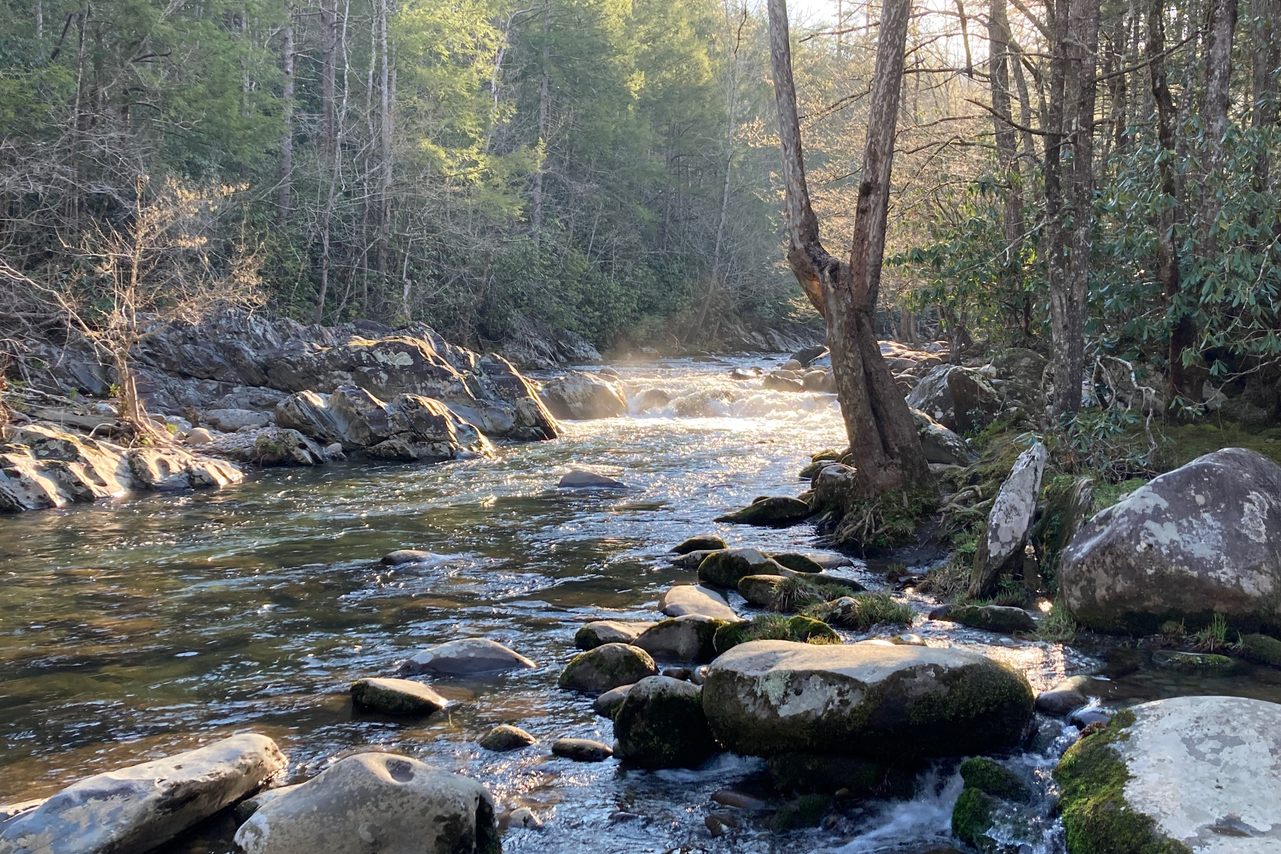
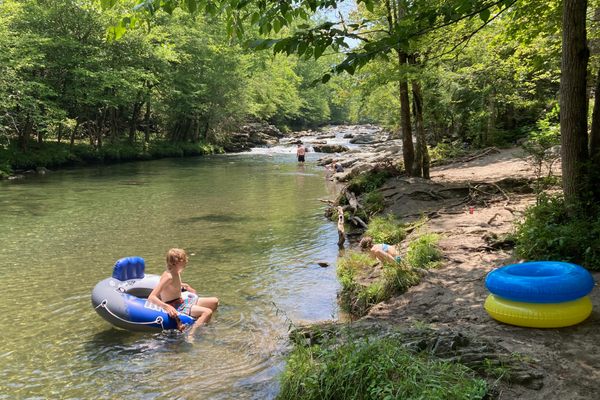
Greenbrier Cove is a trailhead for numerous popular trails within the Great Smoky Mountains National Park, and also home to some of the park's most accessible opportunities for water play. The road to the Greenbrier Cove, its ranger station, and picnic area turns off of U.S. 321 midway between Gatlinburg and the Cosby campground. The partially paved road runs alongside the Little Pigeon River, that stretch of which is essentially a natural water park layered with small rapids and swimming holes.
Greenbrier Area, Gatlinburg, Tennessee, United States, 37738
2. Mount Cammerer Lookout Tower
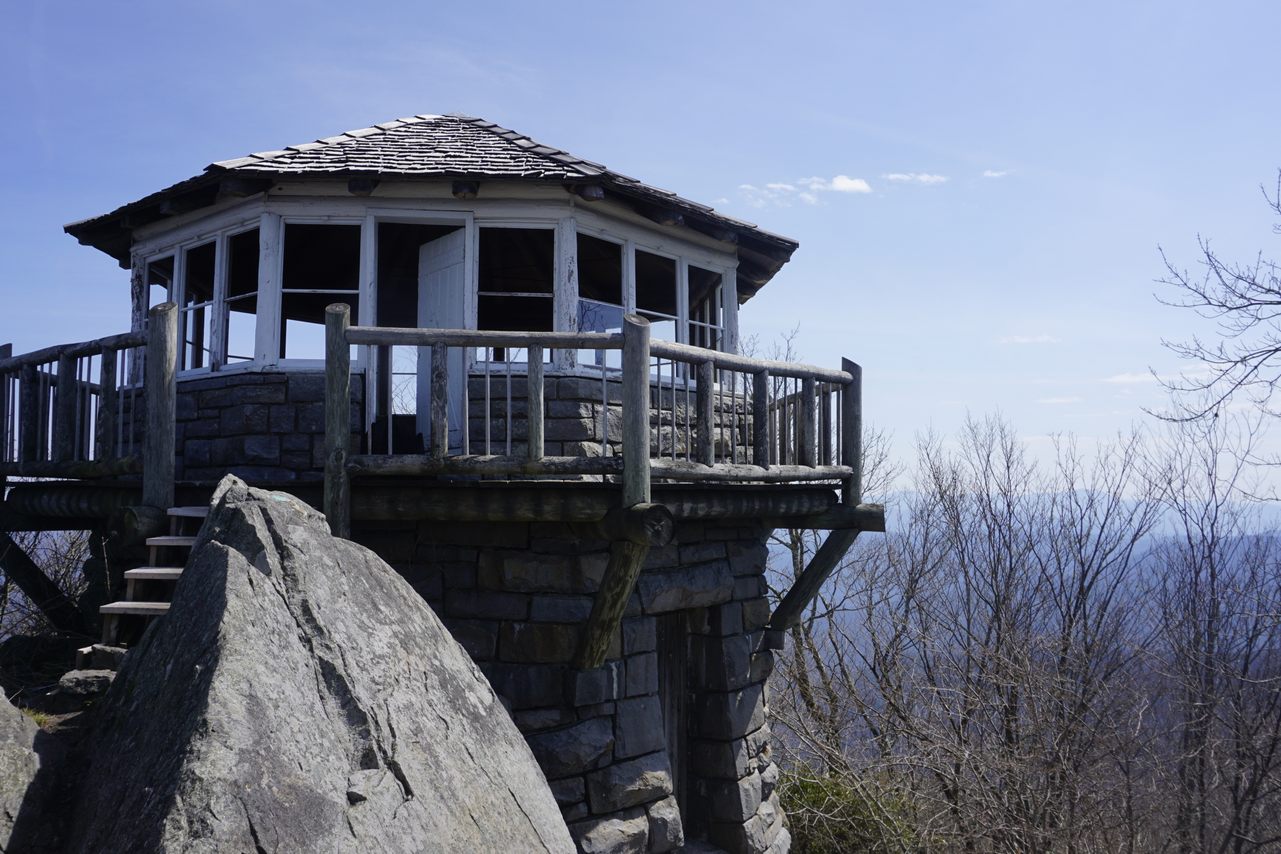
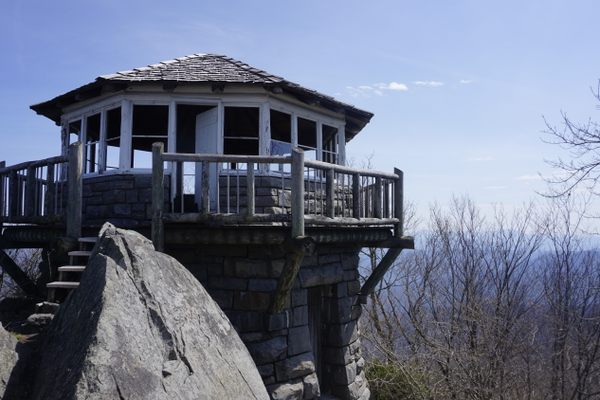
The Smokies are home to fire lookouts that rise above already high mountain summits and surrounding trees, thereby offering some of the park's best views. The most storied is Mount Cammerer, which is located on a 0.6-mile spur off the Appalachian Trail near the North Carolina/Tennessee line on the northern edge of the national park.
Technological advances rendered the fire lookout obsolete by the 1960s, and it's no longer staffed. It remains open to visitors, however, who are rewarded with unobstructed views of the Tennessee Valley. You can even see 60 miles to the Cumberland Escarpment. Hikers also get a good look at the surrounding mountains, which offer up clues to the Smokies' geological origins. The peak was created by the Greenbrier Thrust Fault, which bent and pinched the sandstone around it, pressing it into primeval peaks that have been eroding for millions of years.
Mount Cammerer Lookout Tower, Cosby, Tennessee, United States, 37722
3. LeConte Lodge
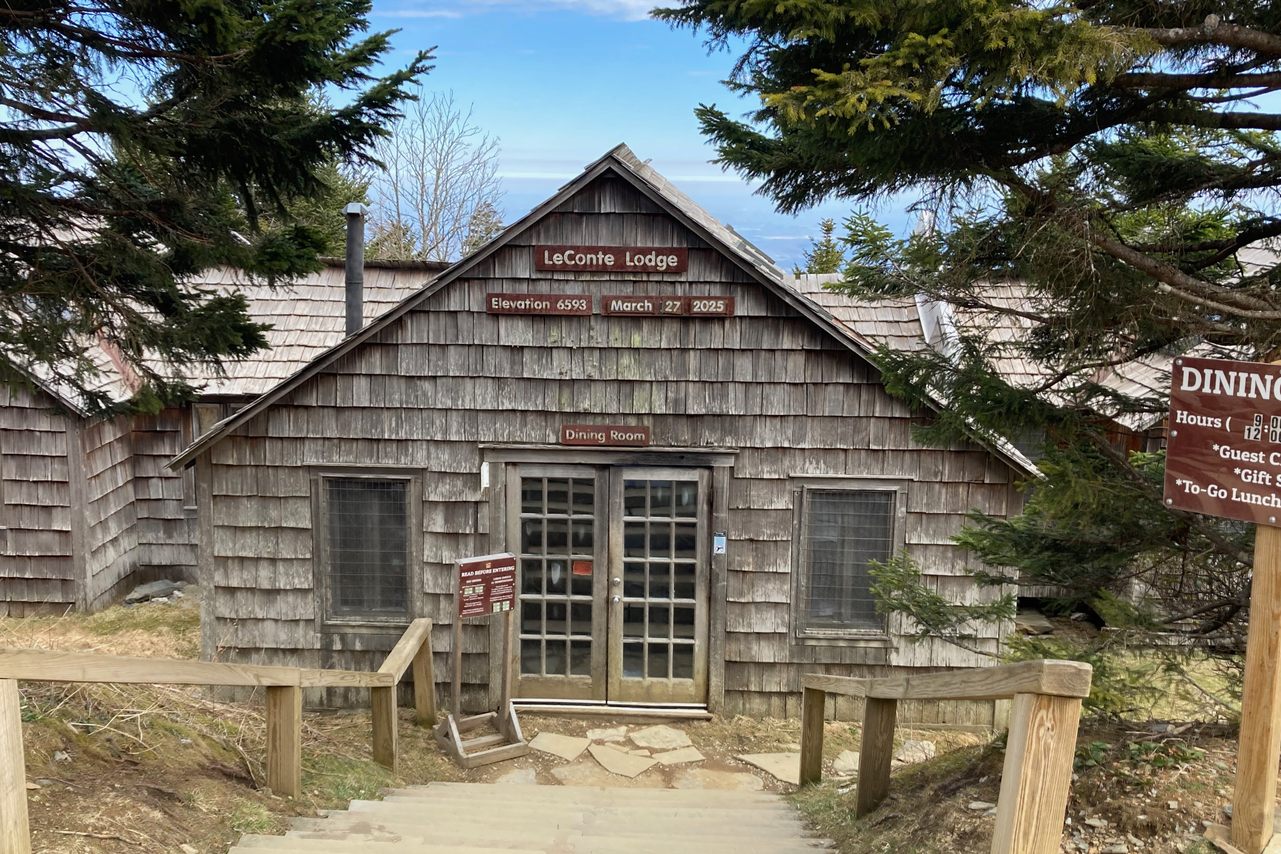
Hikers that summit Mount Le Conte are rewarded with panoramic views of the surrounding mountains. And with a combination of planning and luck, they can stay at LeConte Lodge—the highest inn in the eastern U.S. Visitors can stay in a lodge or log cabin, where they can find bunk beds, oil lamps, and propane heat. The lodge also has a dining hall where visitors can purchase food and other supplies that are packed in by llamas three times a week. Do plan ahead, though: the lodge typically fills for the following season soon after it begins taking reservations in the fall.
LeConte Lodge, Gatlinburg, Tennessee, United States, 37738
4. Synchronous Fireflies of the Great Smoky Mountains
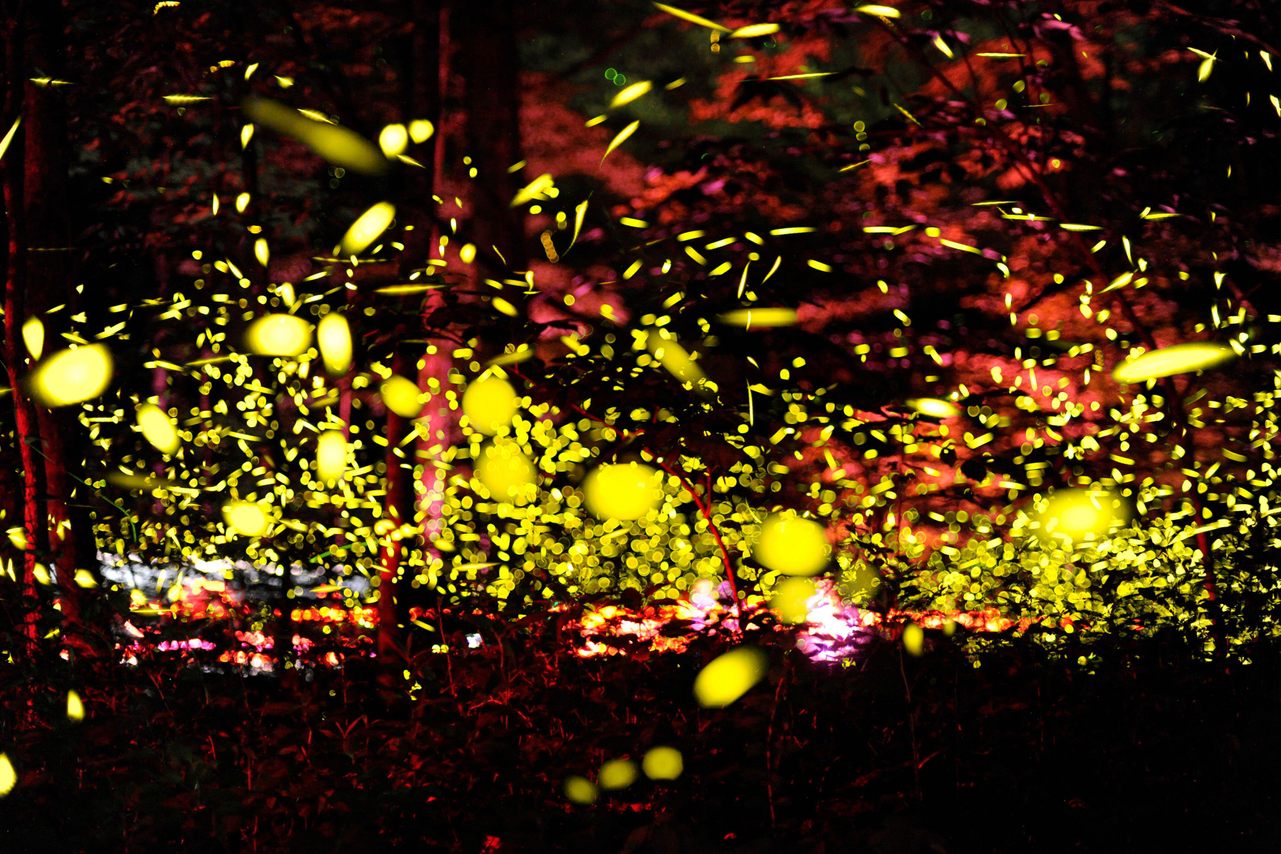
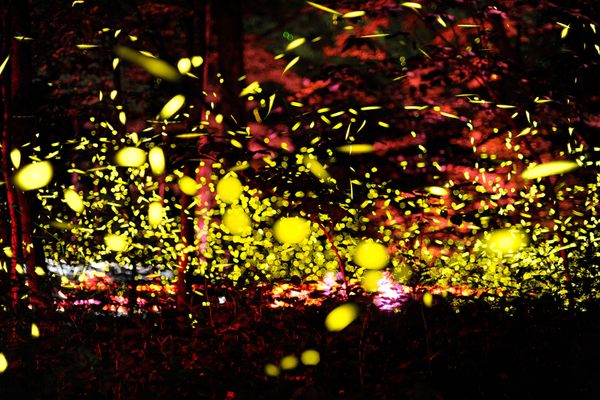
Fireflies, or lightning bugs, as many residents of the Mountain South tend to call them, make summer evenings magical. Great Smoky Mountains National Park is home to 19 different species of fireflies—including a rare species discovered in 1992 whose members synchronize their flashing light patterns with each other. Photinus carolinus males flash five to eight times in a cluster, all synchronized to create a pulsating effect across the forest. The phenomenon lasts only a few weeks each year in a relatively limited area near Elkmont Campground. Visitors must apply to be chosen in a lottery conducted by the park each spring, with viewing taking place in early June.
Synchronous Fireflies of the Great Smoky Mountains, Great Smoky Mountains, Gatlinburg, Tennessee, United States, 37738
5. Elkmont Historic District
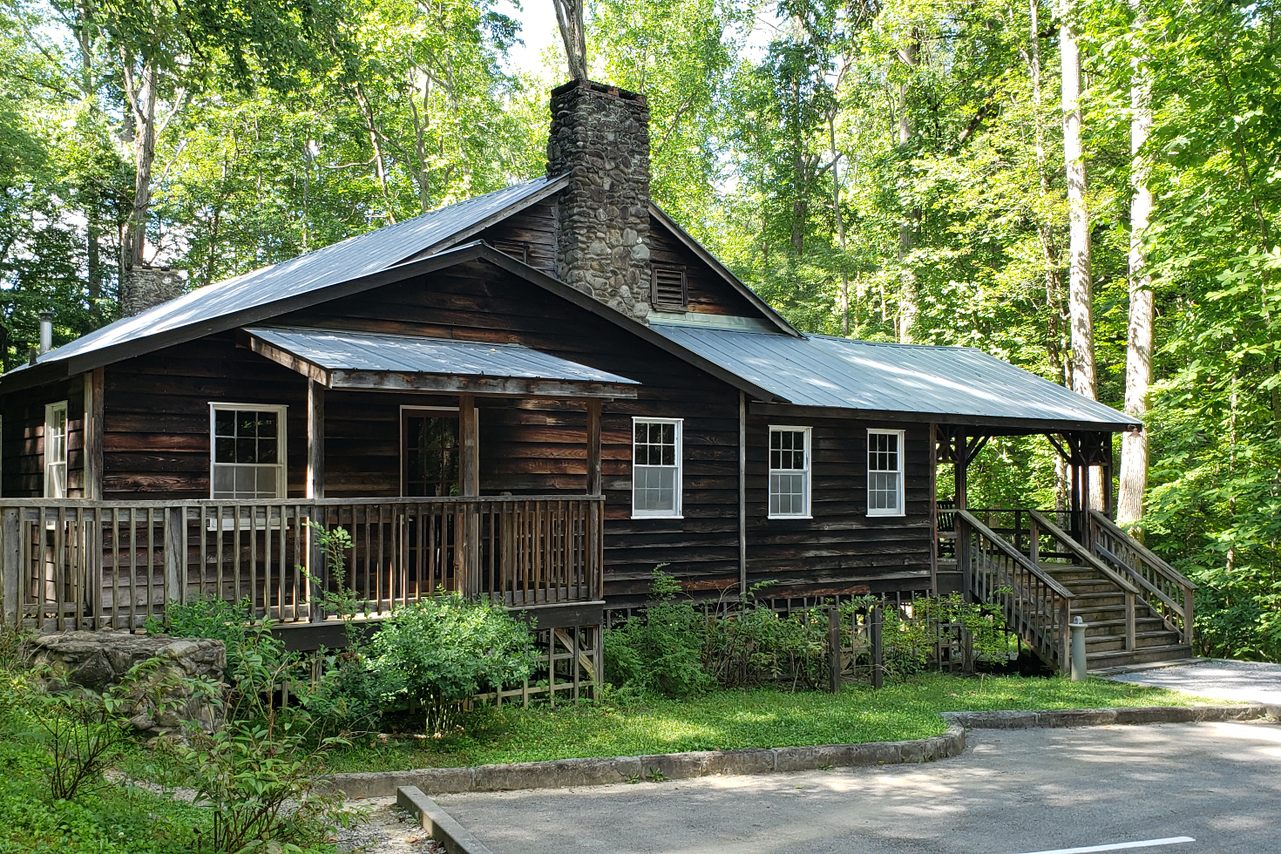
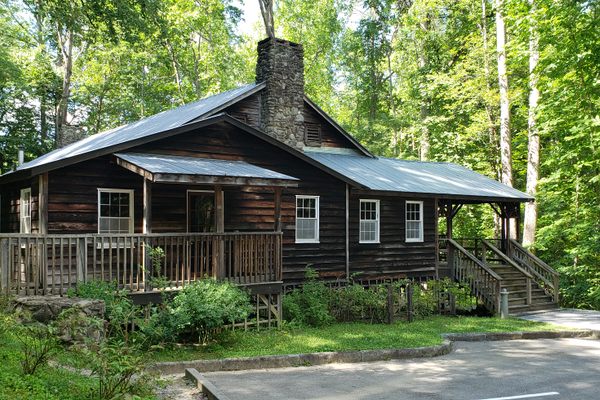
The land that now makes up the Great Smoky Mountains National Park was inhabited by people prior to its establishment in 1934. That included a town in East Tennessee that was first established in 1908 to support a logging operation, and then became a destination for anglers, hunters, and trappers. When the federal government began obtaining land for the park in the mid-1920s, it forced some residents to move while granting leases to people within the Elkmont community. Those leases finally ended in 1992, and now visitors can explore the homes that still remain in the ghost town, located near the Elkmont Campground.
Elkmont Historic District, 504 Little River Rd, Gatlinburg, Tennessee, United States, 37738

6. Salt & Pepper Shaker Museum
How many ways can you conveniently keep salt and pepper? The Museum of Salt and Pepper Shakers showcases more than 20,000 salt and pepper shakers in a wide variety of styles and materials that speak to the creativity of consumer culture. Belgian archaeologist Andrea Ludden began collecting salt and pepper shakers in 1984, and founded the museum in 2002 to house them all. The museum documents trends and cultural shifts that accompanied salt and pepper shaker evolution since the 1920s. Located on the east side of downtown Gatlinburg, Tennessee, the museum comprehensively documents a specific bit of consumer culture amid a city defined by its embrace of American pop culture.
Salt & Pepper Shaker Museum, 461 Brookside Village Way, Gatlinburg, Tennessee, United States, 37738

7. Mayna Treanor Avent Studio
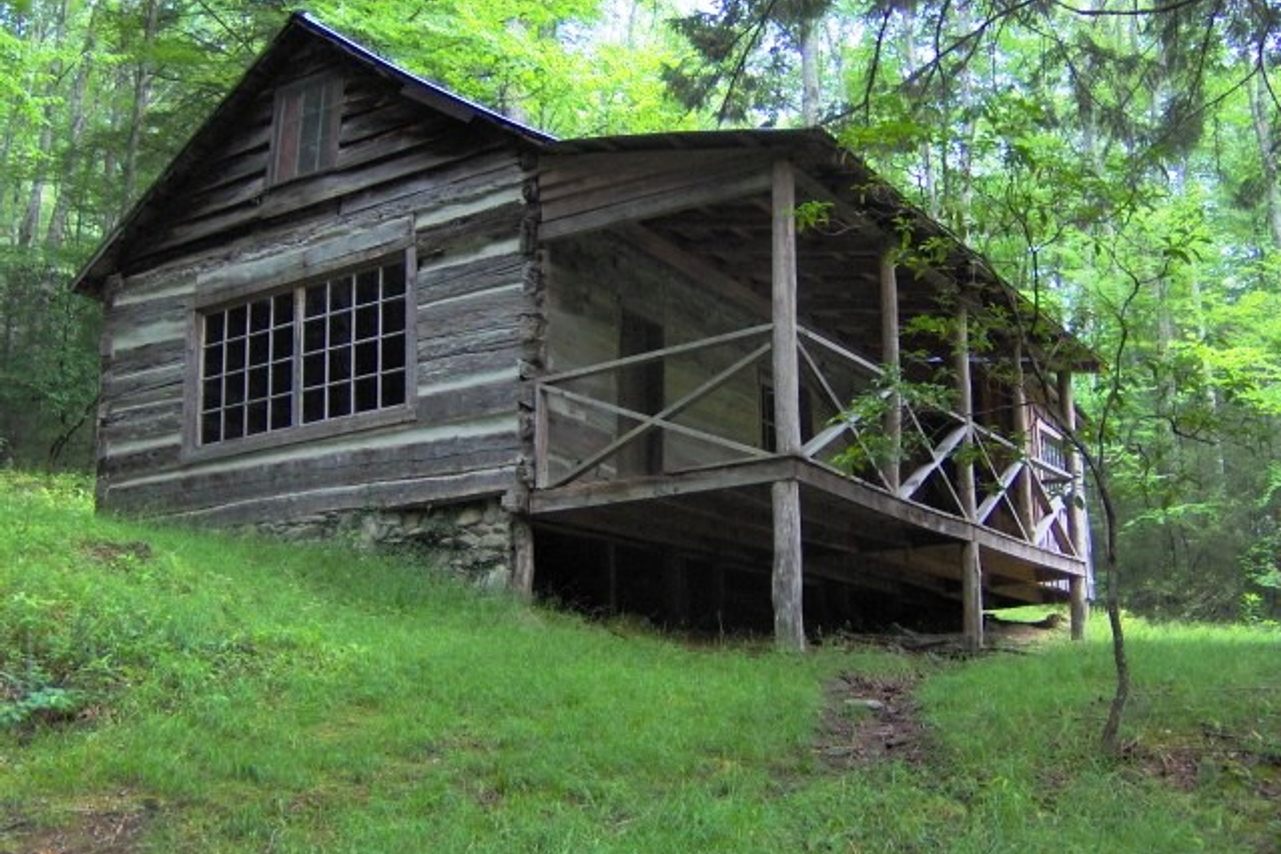
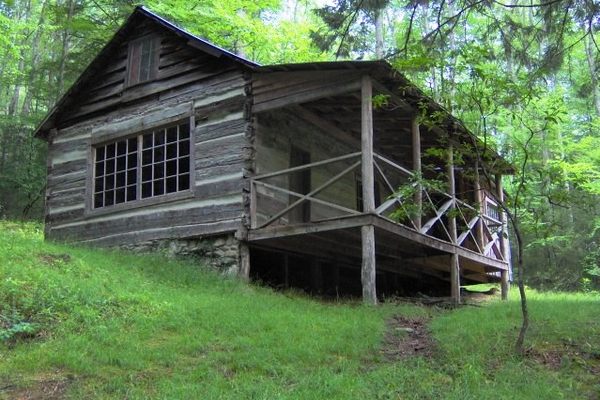
The Great Smoky Mountains National Park is home to a settler cabin that was built in 1850 and subsequently remodeled and converted into a studio for artist Mayna Avent. Located south of Elkmont, Tennessee, the cabin can be reached by Jake's Creek Trail. The one-room cabin overlooks Jake's Creek Valley, where the Ownby family settled in the 19th century. Eventually the cabin was purchased by Frank and Mayna Avent
Beginning in 1919, Mayna Avent used the cabin for more than 20 years as a place to make oil and watercolor paintings that were later shown in South Carolina, Tennessee, and Massachusetts. The land was transferred to the National Park Service in 1932, but was leased back to the Avent family until 1992. The site was nominated for the National Register of Historic Places two years later, and now is remembered both as an example of an intact settler cabin as well as for its association with Avent.
Mayna Treanor Avent Studio, Jakes Creek Trail, Gatlinburg, Tennessee, United States, 37738
8. Dolly Parton’s Dream Box and Final Song
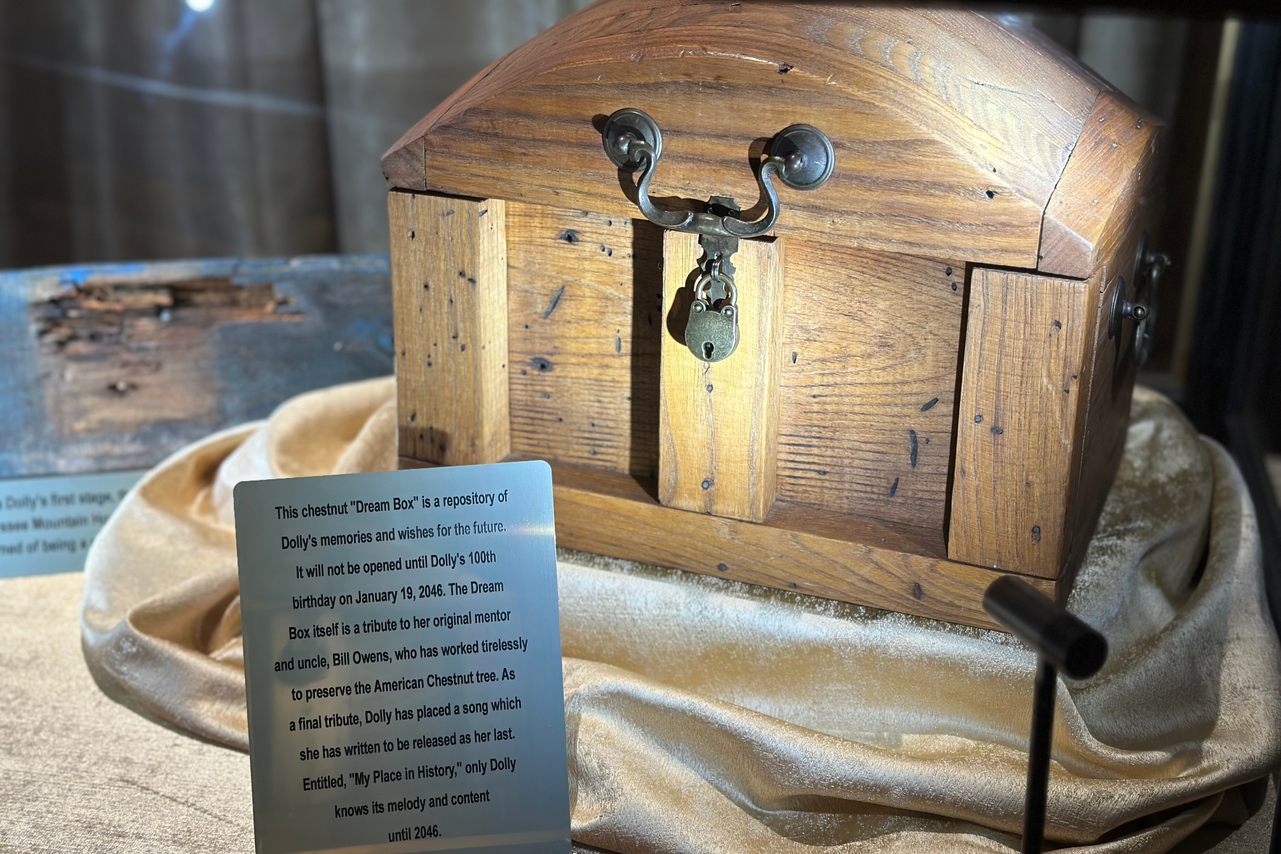
Dolly Parton went on from an impoverished childhood in East Tennessee to become one of America's biggest pop icons—not just a singer but a full-fledged icon on which seemingly everyone can agree. In a brilliant gesture of showmanship, she wrote what will be her final song, but declared that no one would hear it until 2045—although you can visit it now.
Parton designed Dolly’s Dream Box, which is displayed behind a velvet rope in a glass case at Dollywood’s DreamMore Resort and Spa. The Dream Box includes a copy of her 2012 book Dream More: Celebrate the Dreamer in You, a piece of wood from the front porch of her childhood home in the Smokies, an unwritten song set for release on Parton’s 100th birthday in 2046, and a sealed chestnut mystery box. The box honors her mentor and uncle, Bill Owens, who died in 2021. It contains an unreleased song titled “My Place In History” on a CD, a CD player, handwritten lyrics and a letter to the future.
Dolly Parton’s Dream Box and Final Song, 2525 DreamMore Wy, Pigeon Forge, Tennessee, United States, 37863
9. Titanic Museum Attraction
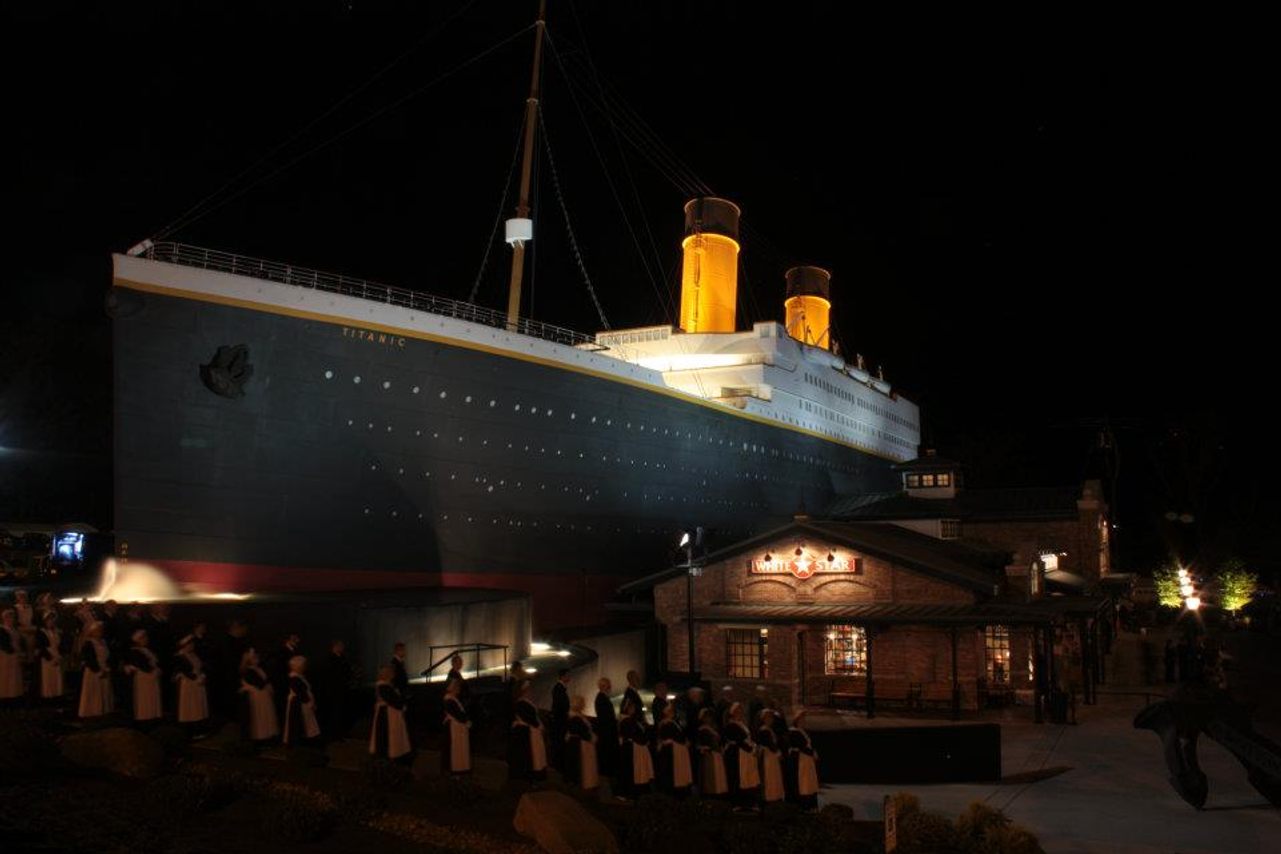
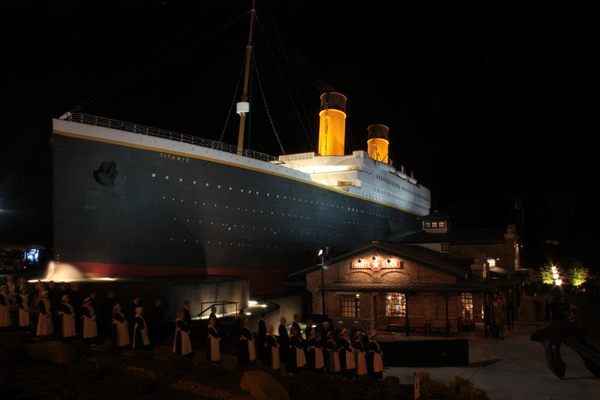
The Titanic Museum Attraction stands out, even amid the visually stunning tourist attractions of Pigeon Forge, Tennessee. The two-story building is shaped like the RMS Titanic, and even at half-scale size the doomed vessel still dominates the landscape. The museum was built in a large pool to simulate the ocean, and the rest of the museum experience similarly goes out of its way to transport visitors back to the Titanic's ill-fated 1912 voyage. Visitors are given boarding tickets bearing the name of actual passengers, and find out later whether their person survived. Artifacts from the voyage are displayed amid replicas of the ship’s interior, including its First Class grand staircase.
Titanic Museum Attraction, 2134 Parkway, Pigeon Forge, Tennessee, United States, 37863
10. Kuwohi
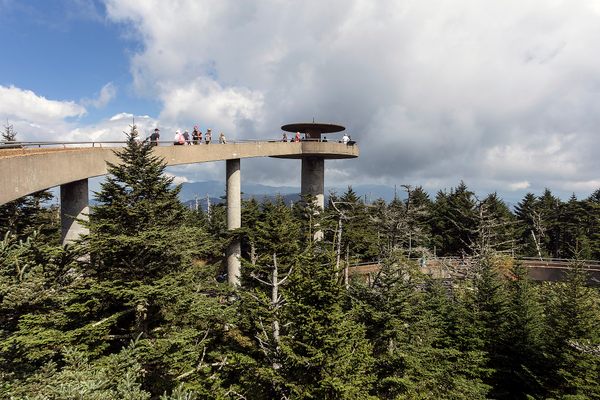
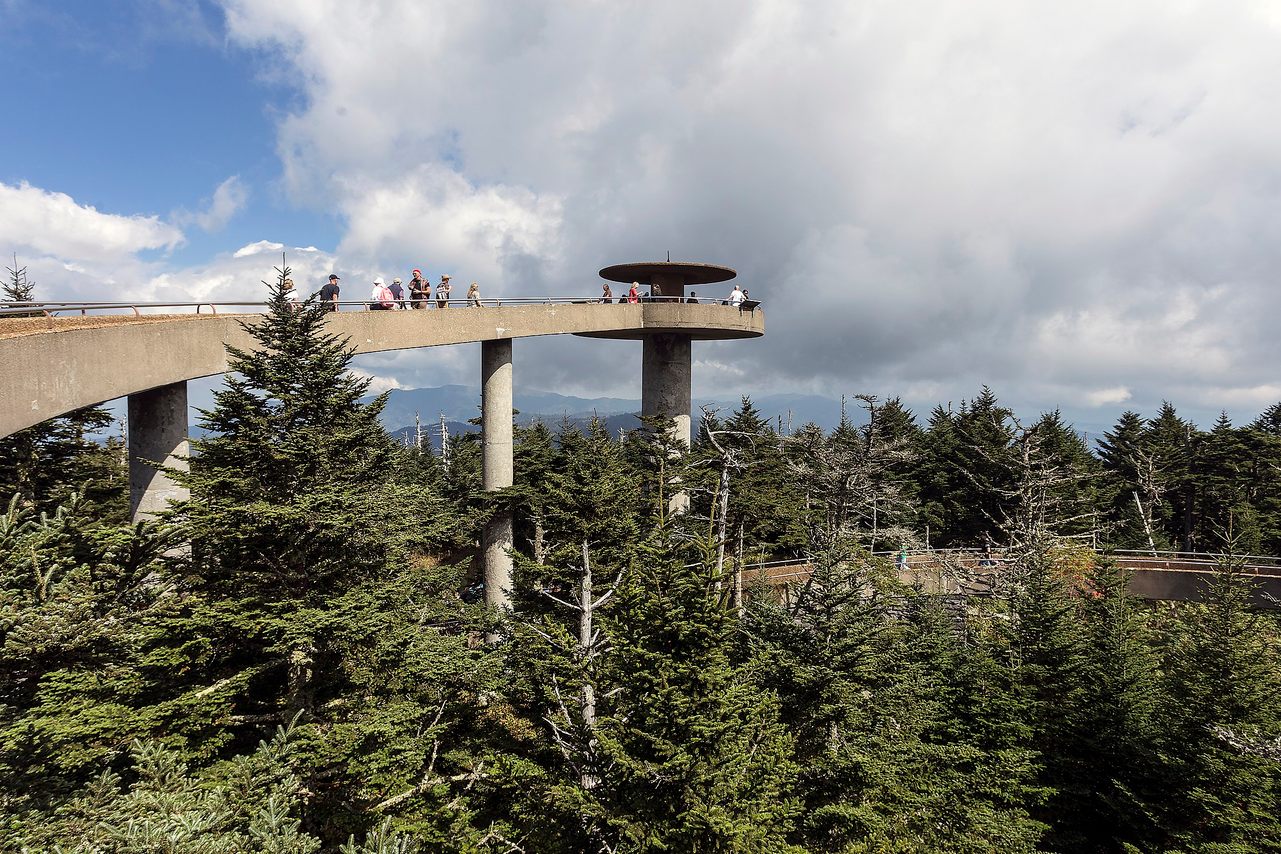
Kuwohi is the tallest point within the Great Smoky Mountains National Park, the state of Tennessee, and the Cherokee homeland. The name translates to “mulberry place" in the Cherokee language, and the mountain was considered home to White Bear, chief of all bears. The peak is visible from the Qualla Boundary, the home of the Eastern Band of Cherokee Indians, who remained in the eastern mountains after most Cherokee were forced west. The road to Kuwohi is open seasonally, and leads to a steep paved trail that takes hikers up the mountain to an observation tower, with 360-degree views.
The tower is one of the park’s most popular sites, attracting more than 650,000 visitors per year. For decades, the mountain was known as Clingmans Dome after a geographer named it for Thomas Lanier Clingman, a North Carolina Congress member and Confederate general. Beginning in 2022, the Eastern Band of Cherokee Indians launched a campaign to restore the mountain's name to Kuwohi, and in fall of 2024, the U.S. Board of Geographic Names made the change official.
Kuwohi, Clingmans Dome, Great Smoky Mountains National Park, Bryson City, North Carolina, United States, 28713